Calcium
The body's most common mineral 2D 99% is in the bones. Essential for bone health, muscle contraction, and nerve impulses.
What is Calcium?
Calcium is the body's most common mineral and constitutes a fundamental building block for our health. Approximately 99% of the calcium in the body is found in the bones and teeth, where it provides structure and strength. It plays a crucial role in several physiological processes, including bone health, muscle contraction, and nerve impulses.
How does it work in the body?
Calcium has many important functions in the body.
- Nerve impulses: It is involved in the transmission of nerve signals, allowing the brain to communicate with the rest of the body.
- Blood coagulation: Calcium plays an important role in the blood clotting process, which is necessary to stop bleeding.
- Hormonal signalling: It also participates in the release of certain hormones and enzymes important for various metabolic processes.
Scientific benefits
Dosage and recommendations
The recommended daily dose of calcium varies depending on age and sex. According to the National Food Agency, adults should aim to consume 800 mg of calcium per day. For teenagers and pregnant women, the requirement may be higher, up to 1300 mg per day. It is important to obtain calcium primarily from natural sources, but supplements may be necessary for those who have difficulty reaching their daily intake through diet.
Best sources and forms
Calcium is found in many foods, and some of the best sources include:
- Dairy products: Milk, cheese, and yoghurt are rich in calcium.
- Vegetables: Dark green leafy vegetables such as spinach, kale, and broccoli also contain calcium.
- Nuts and seeds: Almonds and chia seeds are good plant-based sources.
- Fortified foods: Some plant-based milk alternatives, such as almond milk and soy milk, are often fortified with calcium.
Calcium is also available in various forms in supplements, including calcium carbonate and calcium citrate. Calcium carbonate is the most commonly used form, but calcium citrate may be easier to absorb for some people.
Side effects and warnings
Excessive consumption of calcium can lead to side effects such as constipation, kidney stones, and in some cases affect the absorption of other minerals like iron and zinc. It is important not to exceed the recommended intake without consulting a doctor or dietitian, especially if considering supplements. People with kidney disease or other health issues should be particularly cautious and discuss calcium intake with their healthcare provider.
Frequently asked questions
1. How do I know if I am getting enough calcium?
The best way to determine if you are getting enough calcium is to review your diet and possibly have a blood test. Symptoms of calcium deficiency may include weak bones, muscle cramps, and numbness.
2. Can I get calcium from plant-based sources?
Yes, there are many plant-based sources of calcium, such as green leafy vegetables, nuts and seeds, as well as fortified plant milks.
3. Are calcium supplements safe?
Calcium supplements can be safe for those who have difficulty getting enough from their diet, but it is important to follow the recommended dosage and consult a doctor.
4. What is the difference between calcium carbonate and calcium citrate?
Calcium carbonate is the most common form of calcium supplement and should be taken with food for best absorption. Calcium citrate can be taken regardless of meals and is often better for those with sensitive stomachs.
5. Can I get too much calcium?
Yes, excessive calcium consumption can lead to health problems such as kidney stones and may affect the absorption of other minerals. It is important to follow the recommendations for daily intake.
Products containing Calcium
Show all 617 →
ActivLab - Isoactive Zero

Nutricost Calcium With Vitamin D

Trace Minerals - Cal/Mag/Zinc
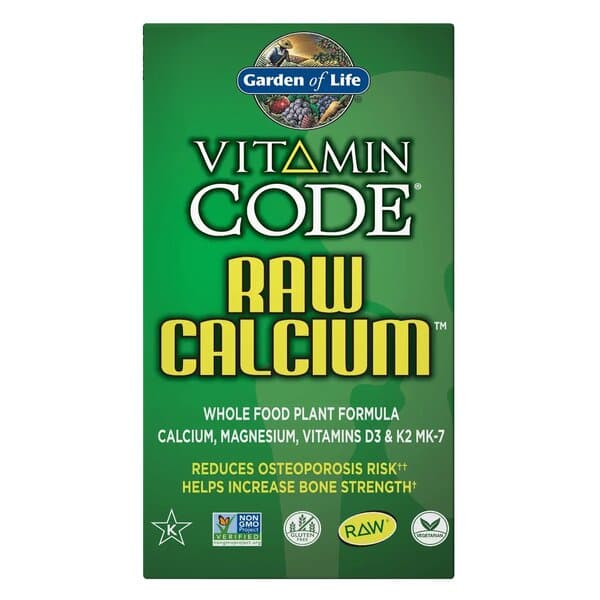
Garden Of Life - Vitamin Code Raw Calcium

FA Nutrition - BAD ASS PAK - 30 Sachets
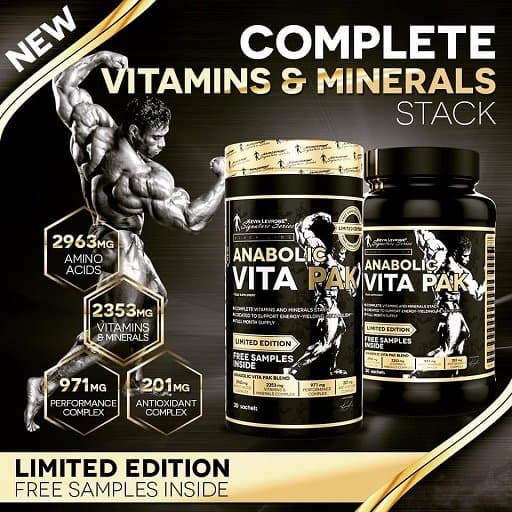
Kevin Levrone - Anabolic VITA PAK - 30 Portionen - 1.2 kg
Related entries
Vitamin D
Vitamin D is a fat-soluble vitamin produced in the skin upon sun exposure. Deficiency is common in Scandinavia during the winter months.
Vitamin K2
Vitamin K2 – definition and facts in our glossary. Synergistic with D3.
Magnesium
Magnesium is an essential mineral involved in over 300 enzymatic reactions in the body. Deficiency is common and can cause muscle cramps.