Iron
Järn – definition and facts in our glossary. Deficiency is the world's most common nutritional deficiency.
What is Iron?
Iron is an essential trace mineral that plays a crucial role in the functions of the human body. Iron deficiency is the most common nutritional deficiency worldwide and can lead to a range of health problems, including anaemia, fatigue, and impaired immune function.
How does it work in the body?
Iron is necessary for several important processes in the body. Additionally, iron is involved in the production of myoglobin, a protein in muscles that stores oxygen. Iron is also important for the electron transport chain, a series of biochemical reactions that generate energy in cells.
Scientific benefits
Dosage and recommendations
The recommended daily dose of iron varies depending on age and sex. According to the Swedish National Food Agency, the general guidelines are:
- Adult men: 9 mg/day
- Adult women: 11 mg/day
- Pregnant women: 30 mg/day
- Breastfeeding women: 20 mg/day
It is important to consult a doctor before starting iron supplements, especially if deficiency is suspected or if there are underlying health issues.
Best sources and forms
There are two types of iron in the diet: haem iron and non-haem iron. Haem iron, found in animal products, is more easily absorbed by the body. Non-haem iron, found in plant-based foods, is more difficult to absorb. Here are some of the best sources of iron:
- Meat (especially red meat)
- Poultry
- Fish and seafood
- Beans and lentils
- Nuts and seeds
- Vegetables such as spinach and broccoli
Iron supplements are also available in various forms, including ferrous sulphate, ferrous fumarate, and iron bisglycinate, with some forms being better tolerated and having improved absorption.
Side effects and warnings
Excessive iron supplementation can lead to side effects such as stomach pain, constipation, and nausea. In severe cases, overdose can cause iron poisoning, which can be life-threatening. Therefore, it is important to avoid taking more than the recommended dose and always consult a doctor before starting supplements.
Frequently asked questions
How do I know if I have iron deficiency?
Blood tests can confirm iron deficiency and are important for diagnosis.
Can I get enough iron through diet?
Yes, many people can obtain sufficient iron through a balanced diet that includes both animal and plant sources of iron. However, certain groups, such as pregnant women and vegetarians, may need to monitor their intake carefully.
Is it safe to take iron supplements?
Iron supplements are safe for many people, but it is important not to exceed the recommended dose and to consult a doctor, especially if you have underlying health conditions.
Which foods inhibit iron absorption?
Foods containing calcium, tannins (found in tea and coffee), and certain phytates (found in whole grains and legumes) can inhibit iron absorption. It is useful to be aware of these factors when consuming iron-rich foods.
Products containing Iron
Show all 446 →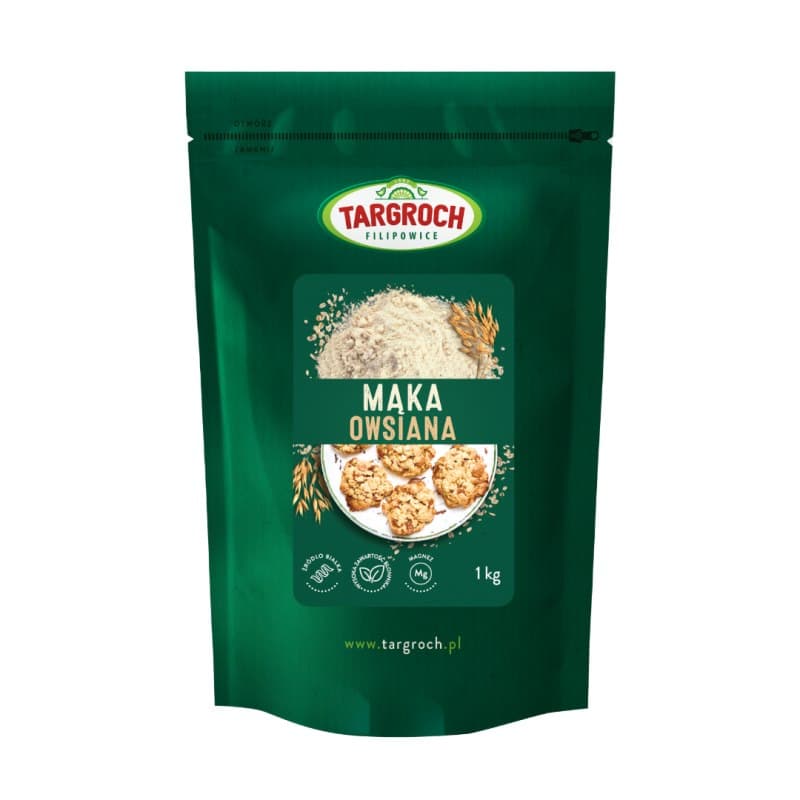
Targroch - Oat Flour - 1 kg
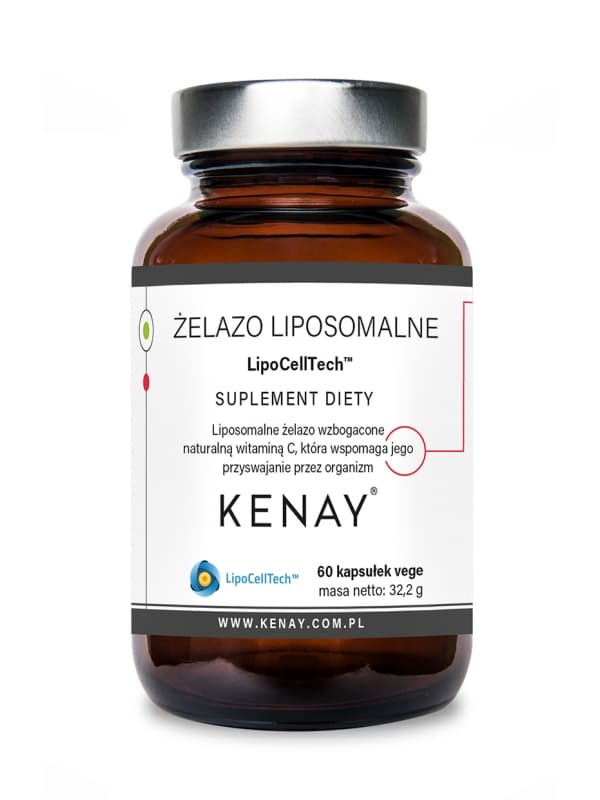
Kenay - Liposomal Iron Lipocelltech™ - 60 Caps

Vitalized - Iron Plus - 90 Caps
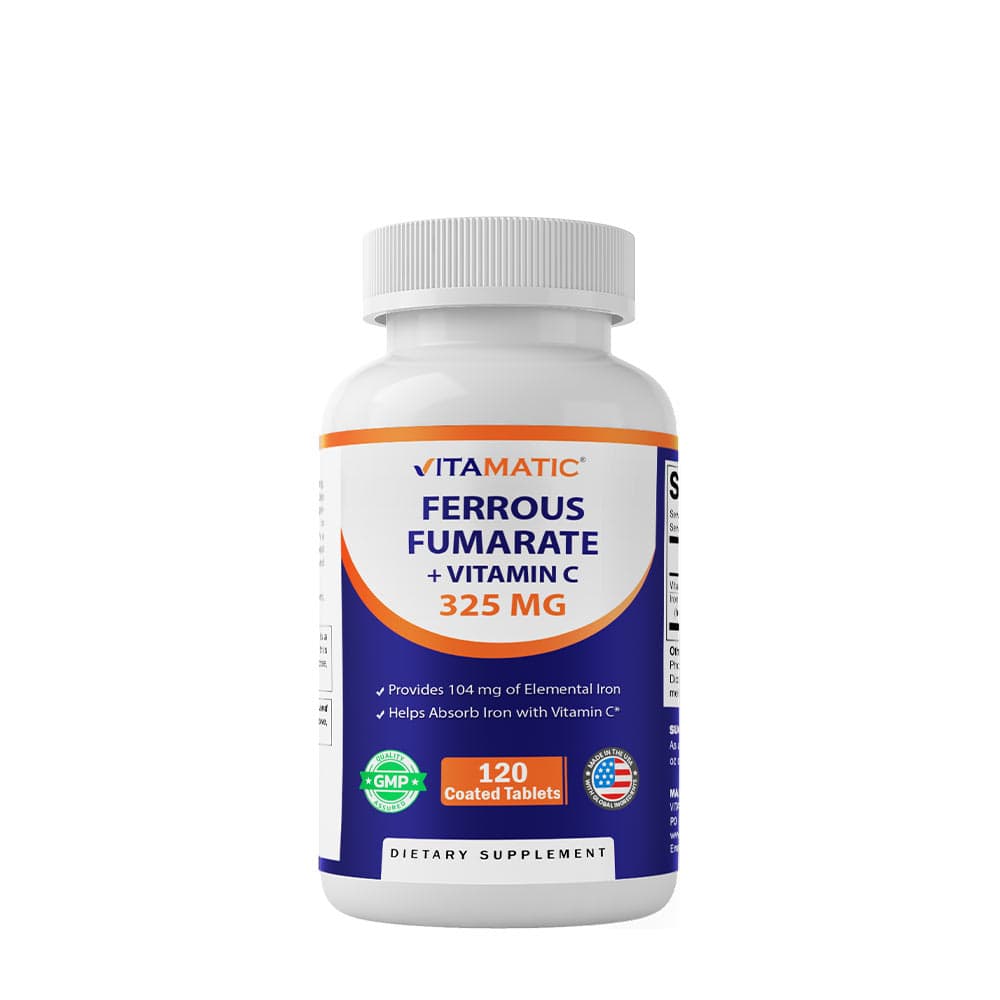
Vitamatic Ferrous Fumarate + Vitamin C - 120 Tablets
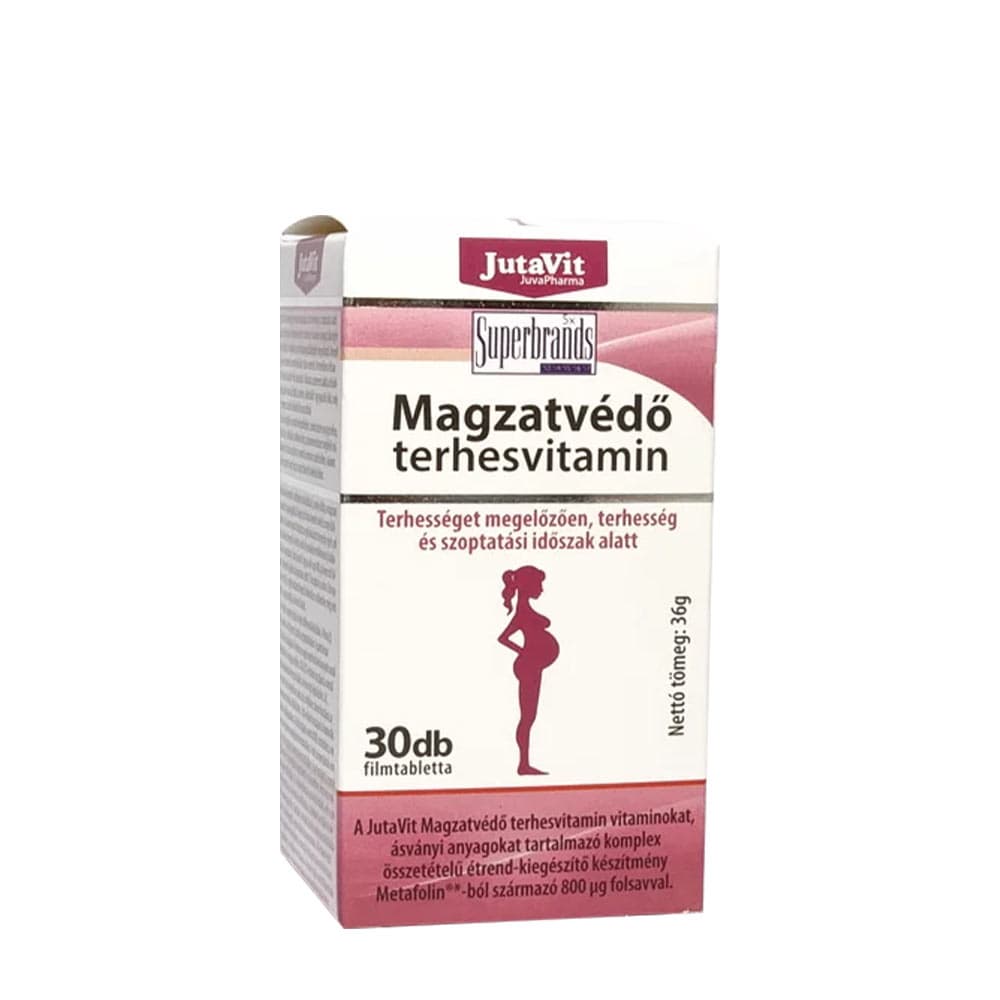
Jutavit - Pregnancy Vitamin with Magnesium Protection
