Dary Natury: tea and herbs
An objective overview of herbal teas, plant parts and powders in the range
30 selected products
Our selection
Campaign products
30 products



Find the option that fits your needs
Herbal teas and plants in different forms
Here is an overview of a selection from Dary Natury, including herbal teas, dried plant parts and powders. The products differ in ingredients, format and pack size, so you can start by considering which type suits your everyday routine. Would you like to compare tea bags with loose herbs, or are you looking for a powder that can be used in another way? This article helps you read product names and labels without attributing effects to the ingredients.
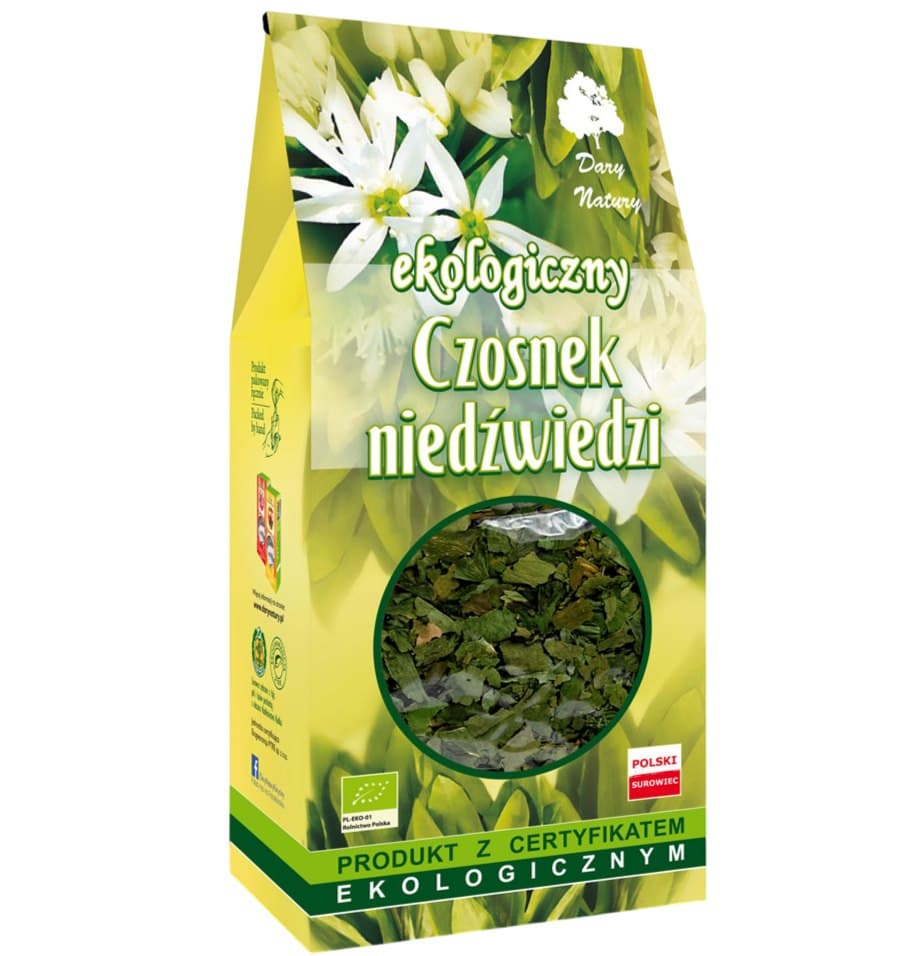
The selection includes hibiscus, dandelion root, lungwort, birch leaves, rowanberries, and apple and mint. It also includes mushroom powder, calamus root, wild garlic and other herbal products. The names primarily describe the contents and form; on their own, they do not provide enough information about factors such as taste, preparation or suitability for a particular person. Always check the current product packaging and full labelling before making your choice.
Different forms to compare
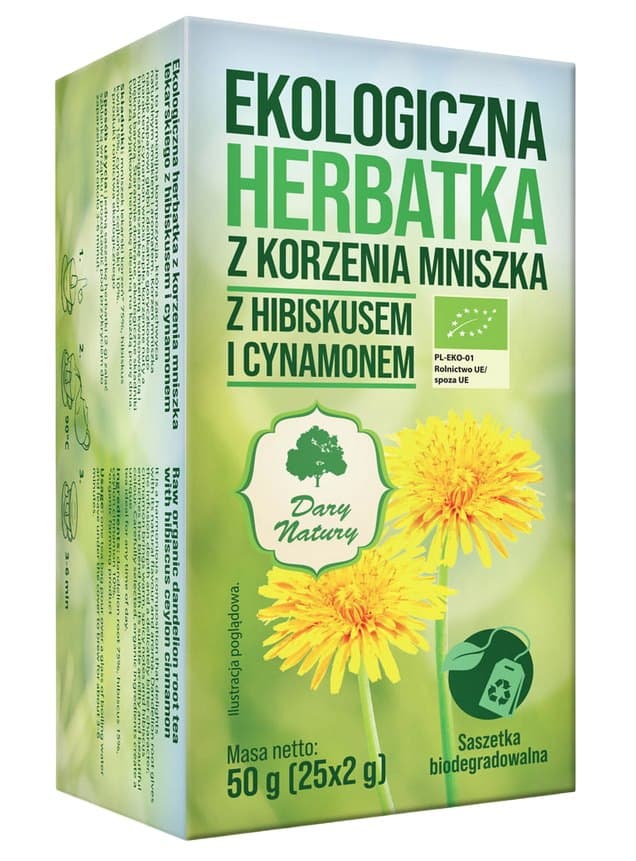
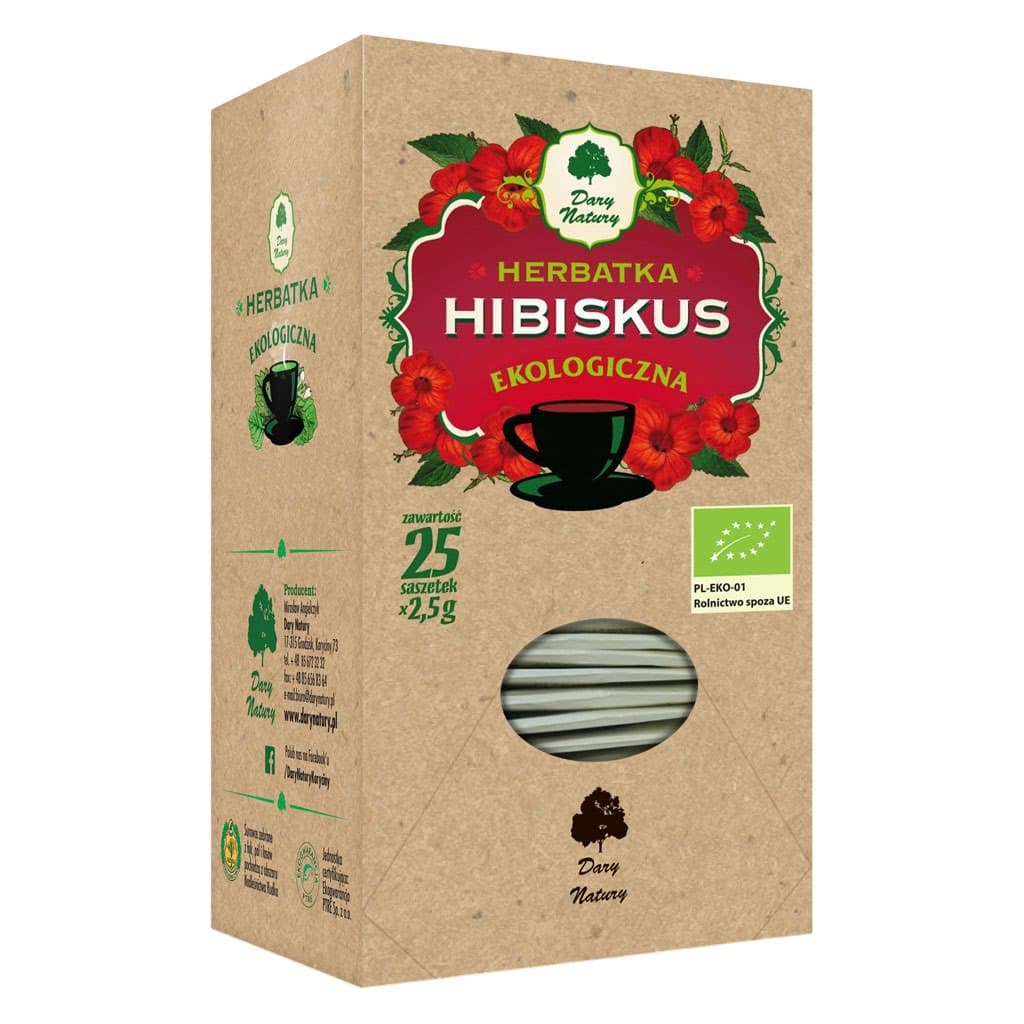
Tea bags are a clearly represented format in the selection. Examples include hibiscus tea in 25 bags of 2.5 grams, dandelion root tea with hibiscus and cinnamon in 25 bags of 2 grams, and apple and mint tea in 25 bags of 2.5 grams. Tea bag packaging states the amount per bag and the total number, making products easy to compare by pack. Always follow the preparation instructions for the product you choose, as these cannot be determined from the name alone.
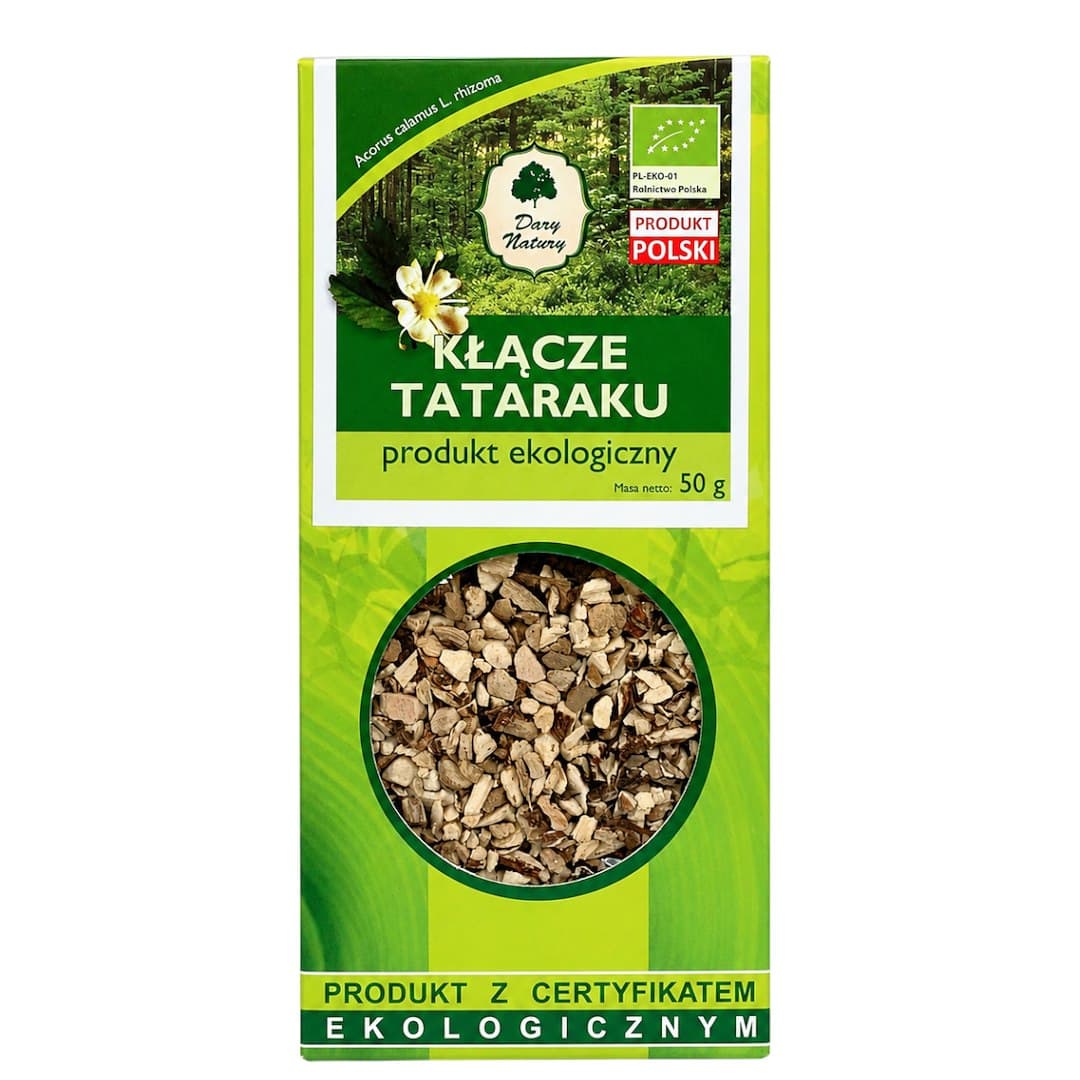
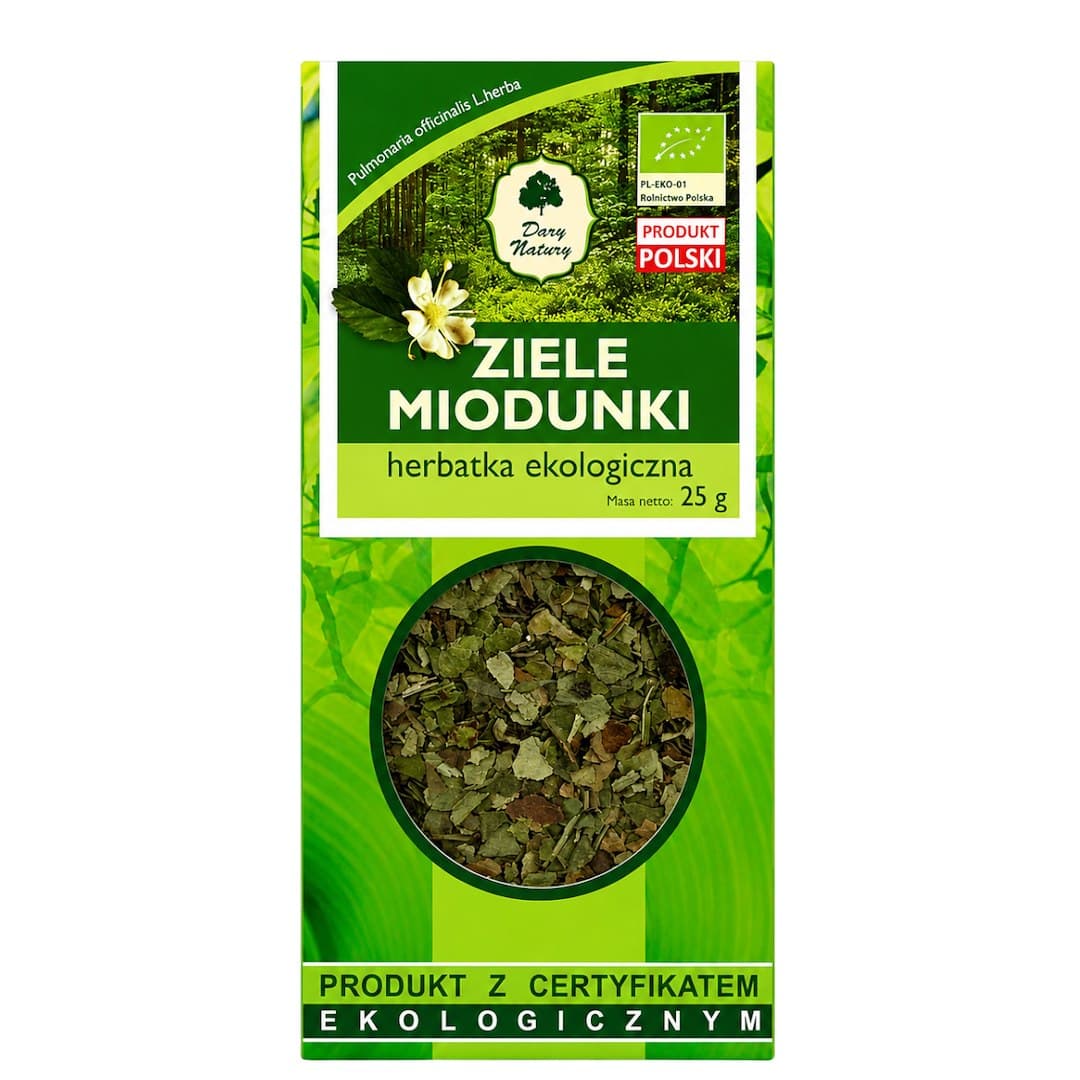
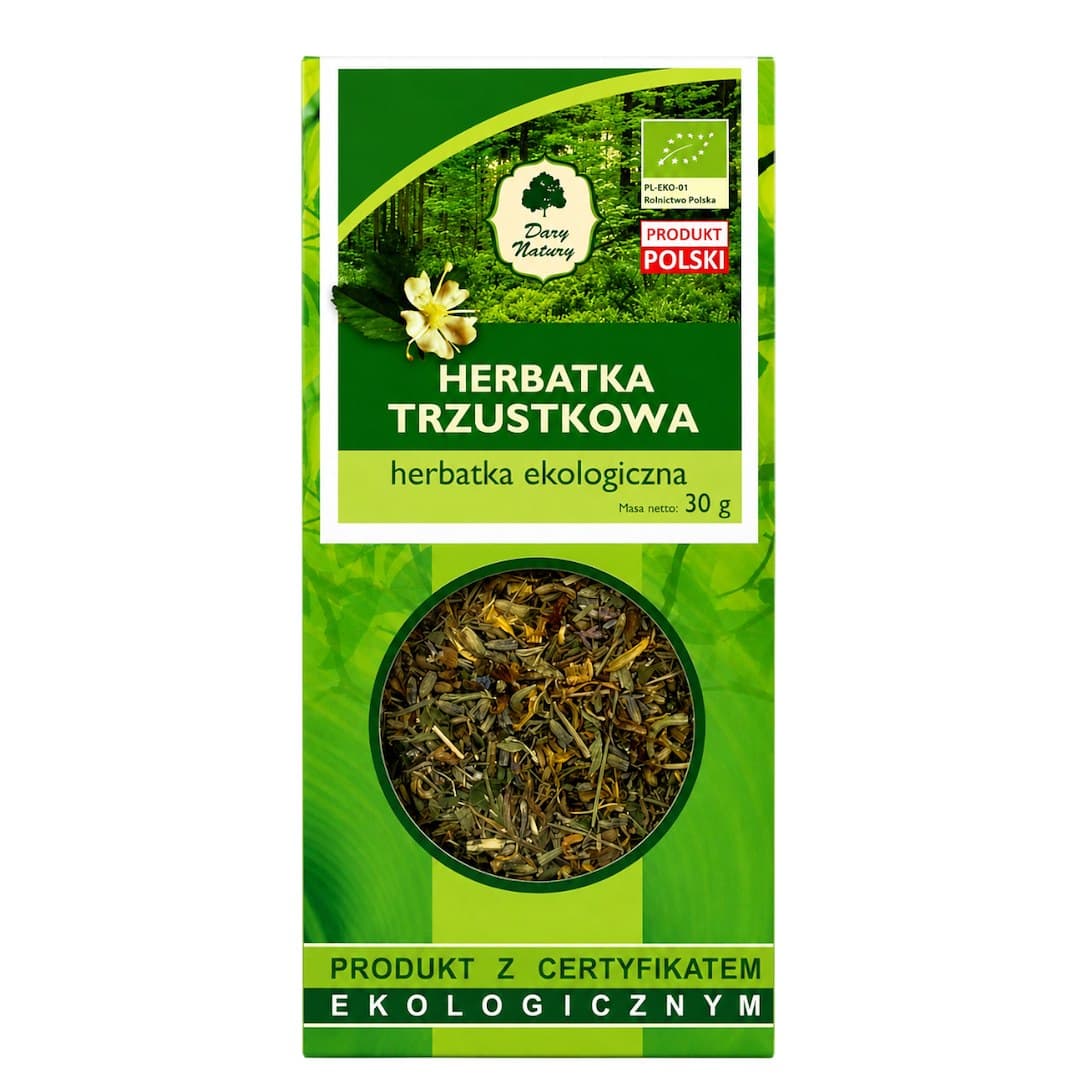
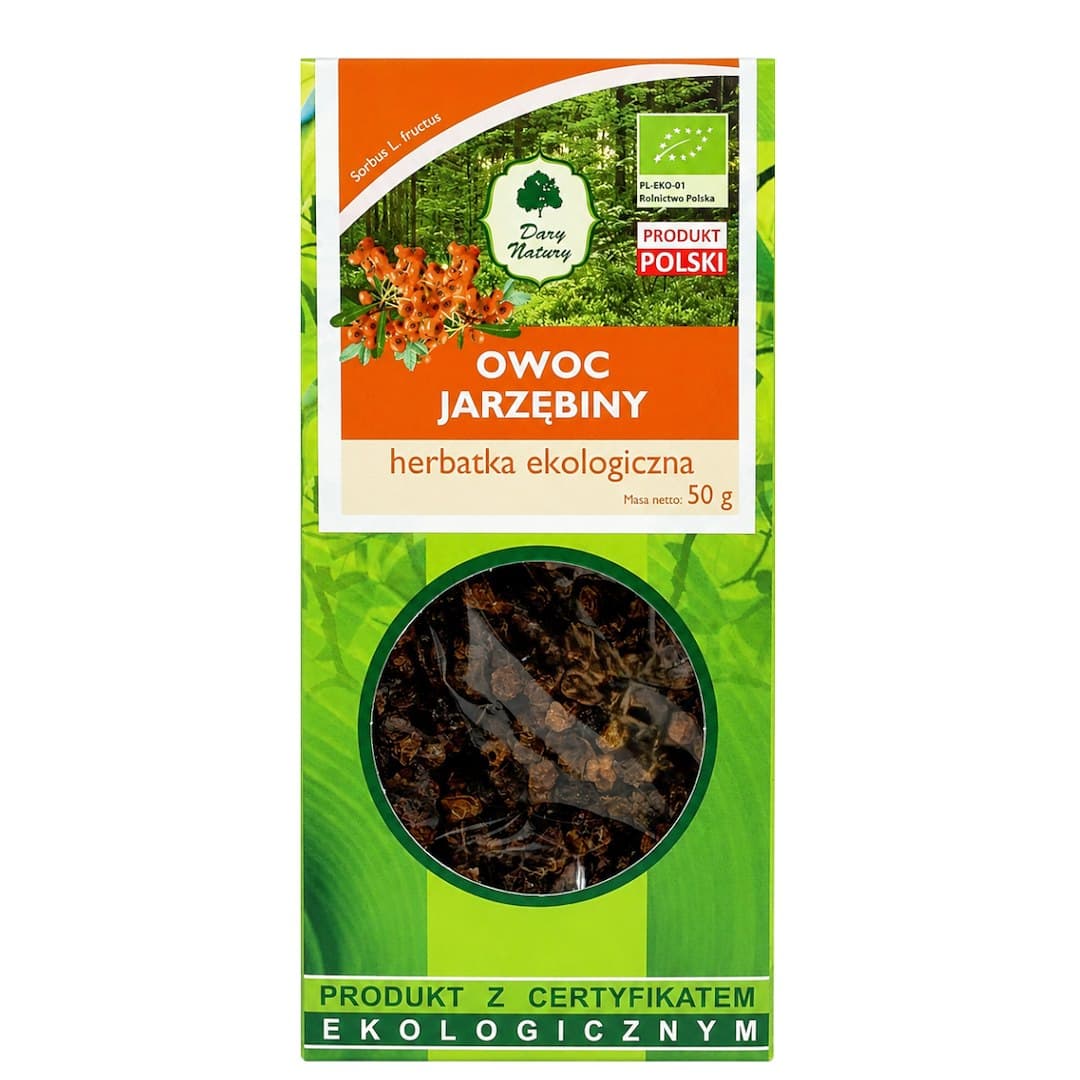
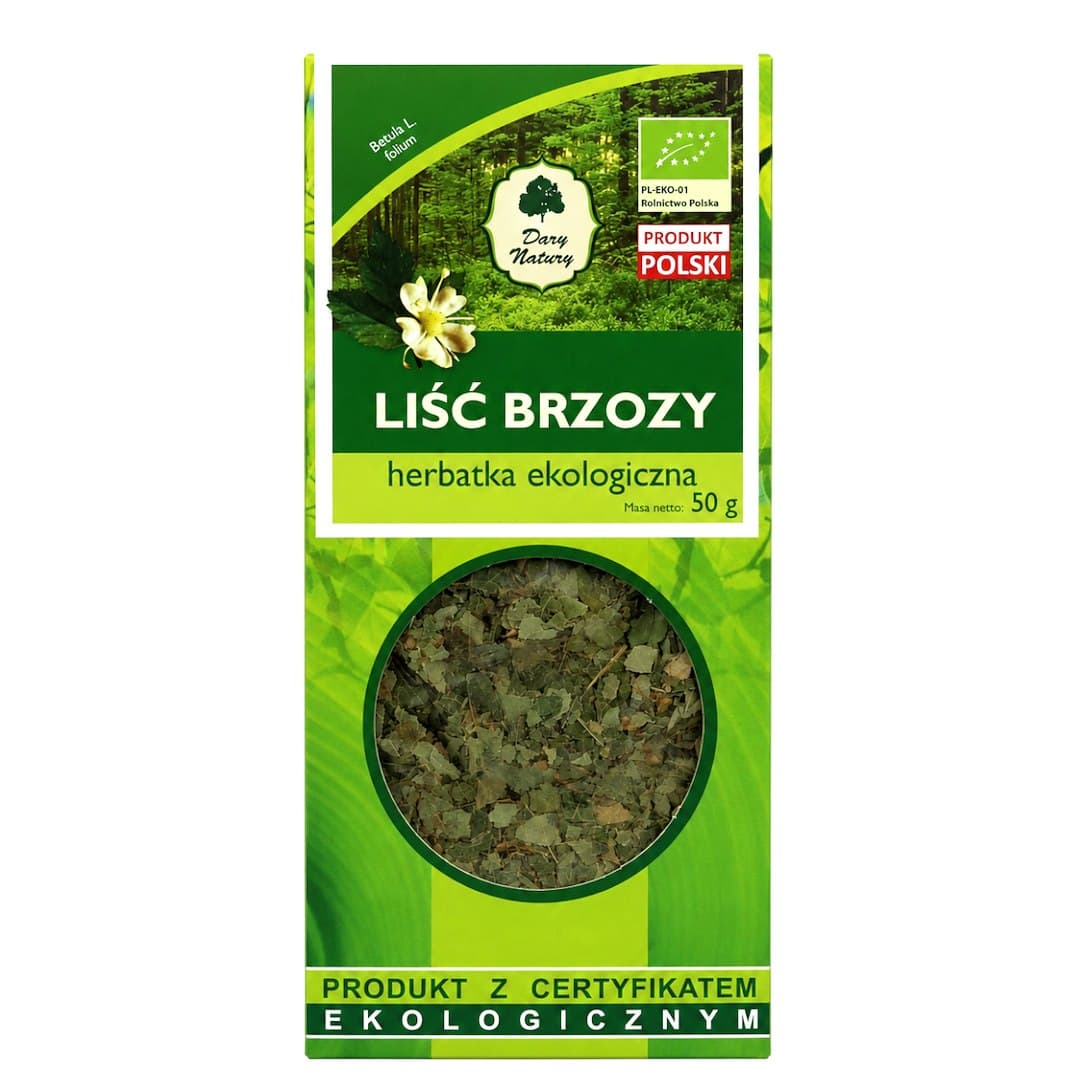
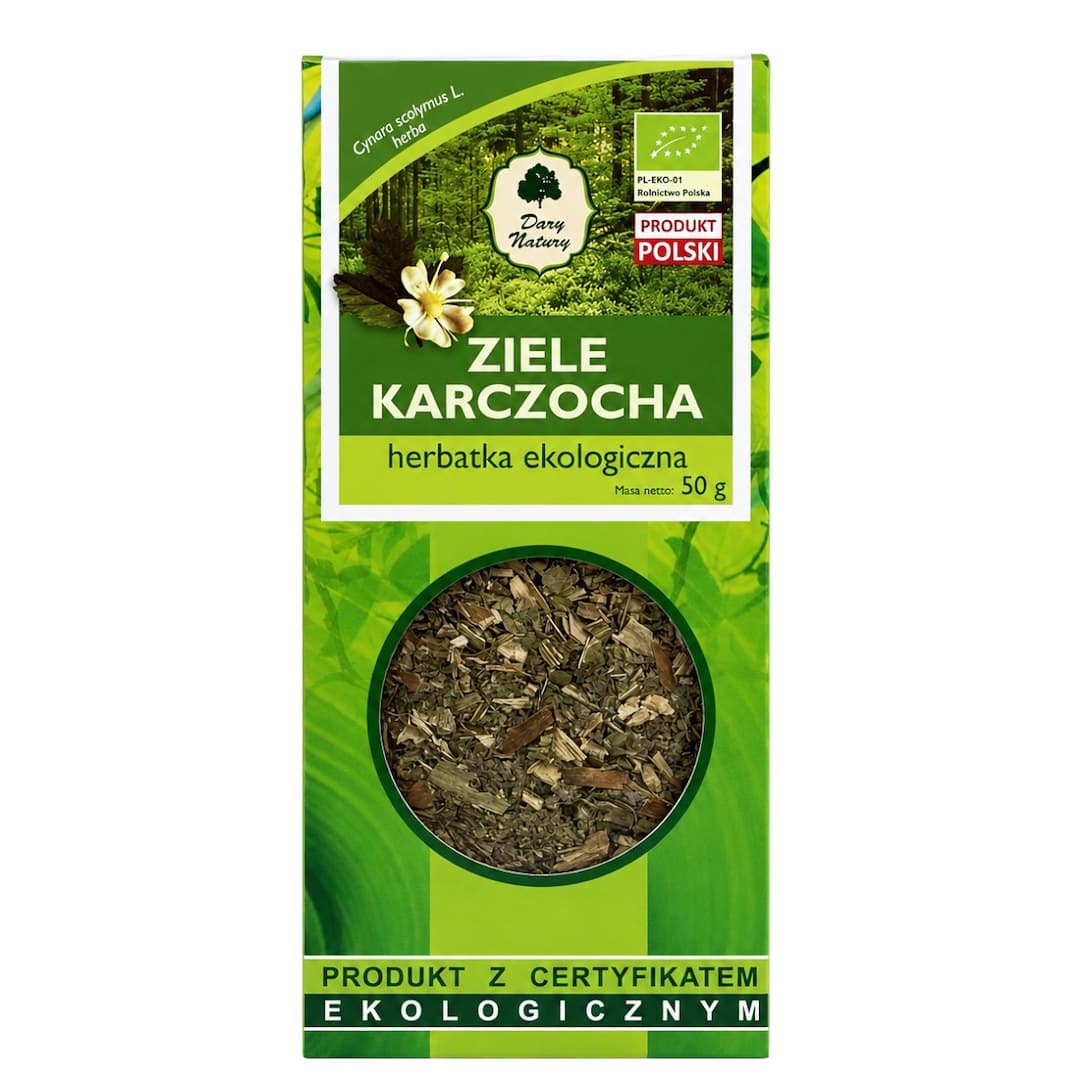
Other products are sold as loose plant parts or blends in packs measured in grams. The list includes, for example, 50 grams of calamus root, 25 grams of lungwort, 50 grams of rowanberries and 50 grams of birch leaves as herbal tea. Artichoke herbal tea is also listed as 50 grams, while pancreatic support tea is listed as 30 grams. The names and weights help distinguish the products, but do not tell you everything about their contents or use. Read the ingredients list and instructions on the label.
Read the ingredients and labelling
Start with the ingredients list and check which plants or other ingredients are actually included. Product names may mention a main component or several parts of a blend, such as dandelion root, hibiscus and cinnamon. The label provides more detail than the name, for example whether additional ingredients are present. If you want to avoid a particular ingredient, it is especially important to check the full list rather than draw conclusions from the product's front label or category.
Also check the net weight, number of tea bags and any information about origin, storage and preparation. These details may vary between products and should be taken from the relevant packaging. The word “organic” appears in some product names in the selection, including mushroom powder, birch leaves, wild garlic and hibiscus tea. Assess labelling and certification details based on what is explicitly stated on the product in question; a name in a list is no substitute for the full information on the label.
Choose according to format and everyday needs
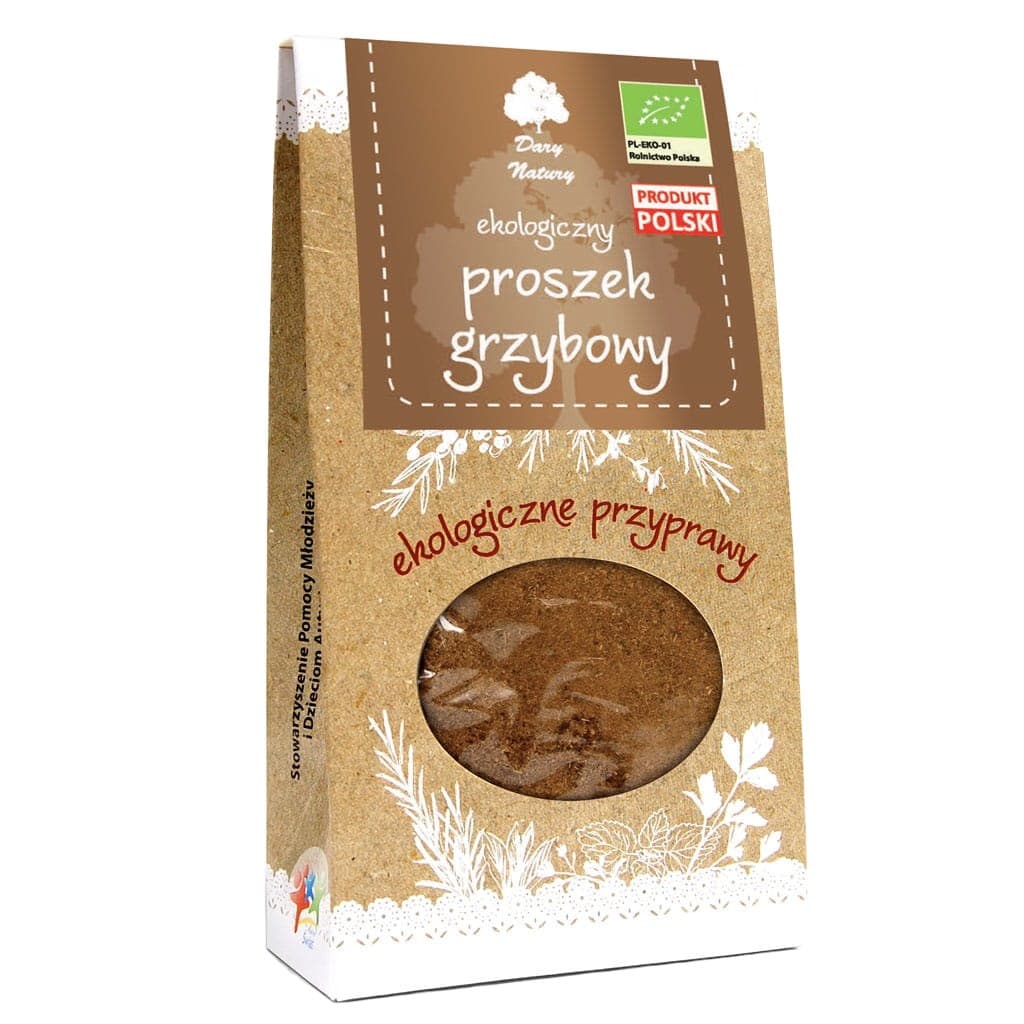
First consider how you want to use the product. Tea bags can be a practical format if you want individual bags, while loose herbs and plant parts require you to follow the product's preparation and storage instructions. Powder is another option: Dary Natury Organic Mushroom Powder is listed as 50 grams. The product name tells you that it is a powder, but you should check the packaging for information on how to use it.
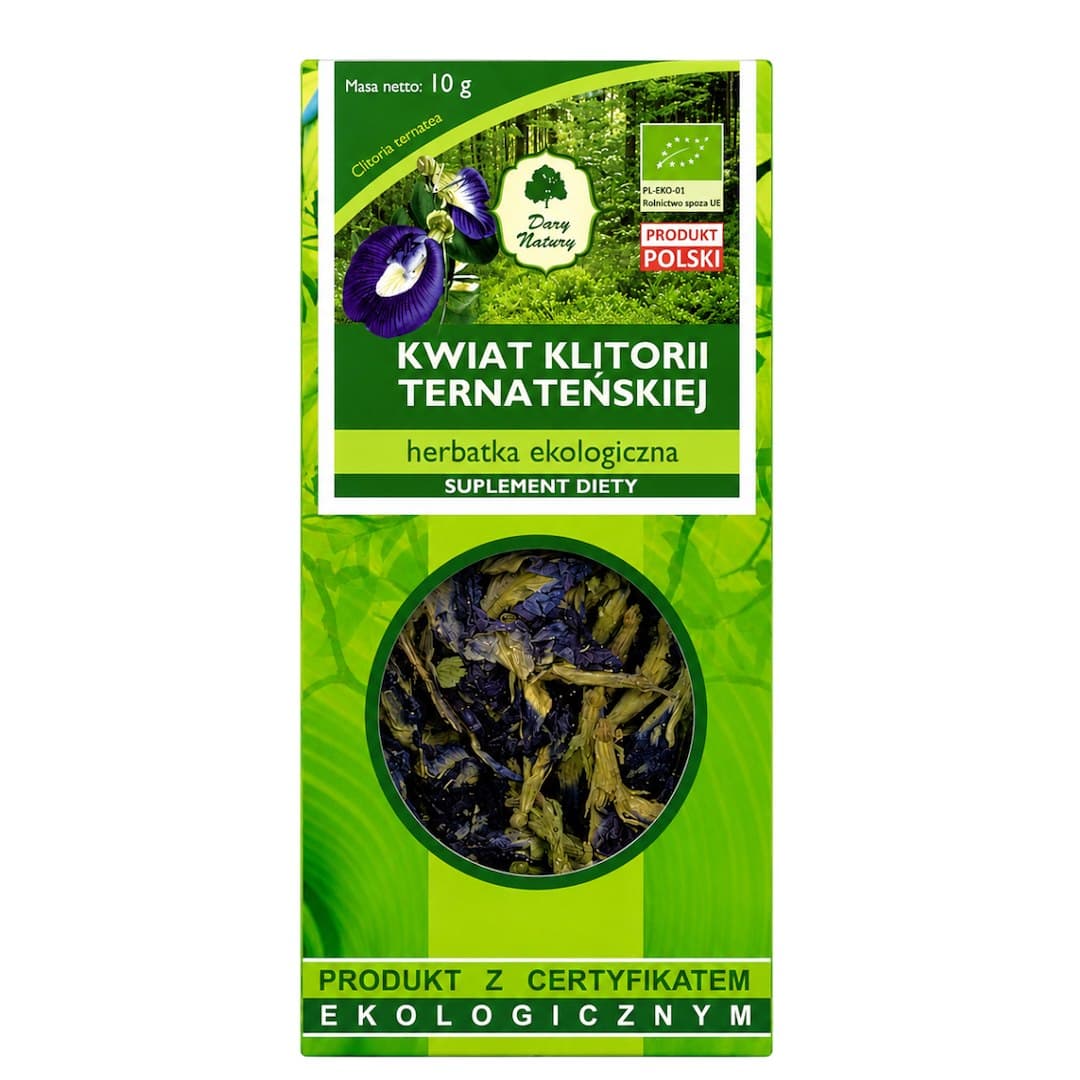
Pack size may also influence your choice. Compare the total amount with the number of servings when both details are available, but do not assume a particular serving size if it is not stated. In this selection, weights range from 10 grams for butterfly pea flowers to 100 grams for wild garlic in a large pack. This makes it possible to compare different quantities, but not to conclude how long a product will last. Use the label instructions as the basis for practical decisions.
Ingredients in the range
The product names show a mix of individual plant parts and named tea products. Individual products include calamus root, lungwort, rowanberries, butterfly pea flowers, birch leaves and wild garlic. Other names describe teas or blends, such as hibiscus tea, artichoke tea, and apple and mint tea. The dandelion root tea is listed with hibiscus and cinnamon. This information helps you navigate the options, but does not necessarily provide a complete ingredients list.
The mushroom powder differs from the teas in its stated form, while the other products are mainly presented as tea or dried herbs and plant parts. To understand exactly what a product contains, read the label, particularly when the name describes a blend or a specific use. Also check whether the packaging includes information about allergens or other precautions. If you have questions about an ingredient or whether the product suits your needs, consult an appropriate healthcare professional.
A neutral starting point for sleep-related choices
Sleep is the theme of this campaign, but the product selection should not be interpreted as a list of products with proven effects on sleep. If you are looking for information related to sleep, it is therefore sensible to distinguish between a general interest in evening routines and what is actually stated on the product label.
Do not choose a product solely on the basis of a health theme or a plant name. Read the contents, directions for use and any warnings, and take individual needs into account. Herbal products may have specific restrictions, and a label may contain important information about who should exercise caution. If you are pregnant, taking medication, have a medical condition or are unsure about use, it is advisable to ask a healthcare professional before trying a new product. This article is not a substitute for individual advice.
Practical tips before buying
First compare products in the same format: tea bags with tea bags, loose products with loose products, and powders with powders. Then note the ingredients, net weight and number of bags where stated. If two products seem similar, differences in the blend, quantity or instructions may be decisive. Read the full label rather than relying on a single phrase in the product name, and check that the information applies to the specific pack you intend to buy.
Store the product according to the packaging instructions and do not use it in a way that differs from the labelling. Also check the best-before information and the condition of the packaging when your item arrives. If comparing prices, you can take both the total quantity and format into account, but avoid assuming how many uses a pack provides when serving information is not available. Reviewing the contents and instructions provides a more objective basis for your choice than general expectations about a particular herb.
How we selected the products for the campaign
The selection brings together the twelve Dary Natury products shown after the article: mushroom powder, calamus root, dandelion root tea with hibiscus and cinnamon, lungwort, pancreatic support tea, rowanberries, butterfly pea flowers, birch leaves, wild garlic, hibiscus tea, artichoke tea, and apple and mint tea. The connection with sleep is the theme of the page, not a claim about the products' properties. The products were included based on their stated names and formats, without attributing an effect to them.
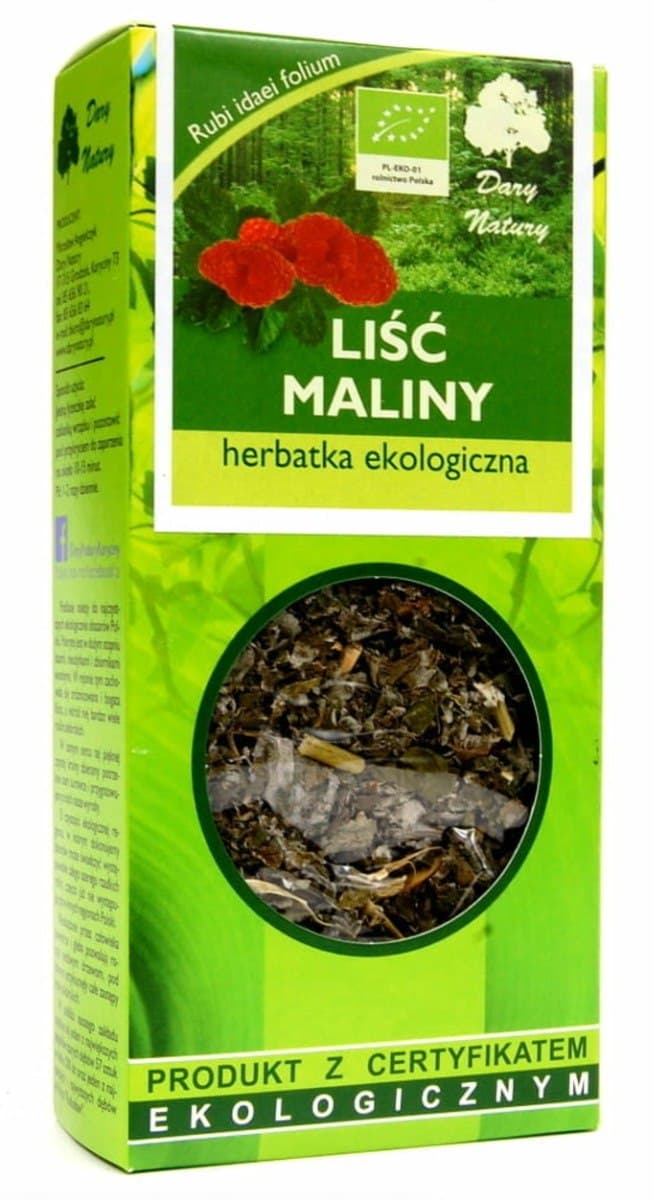
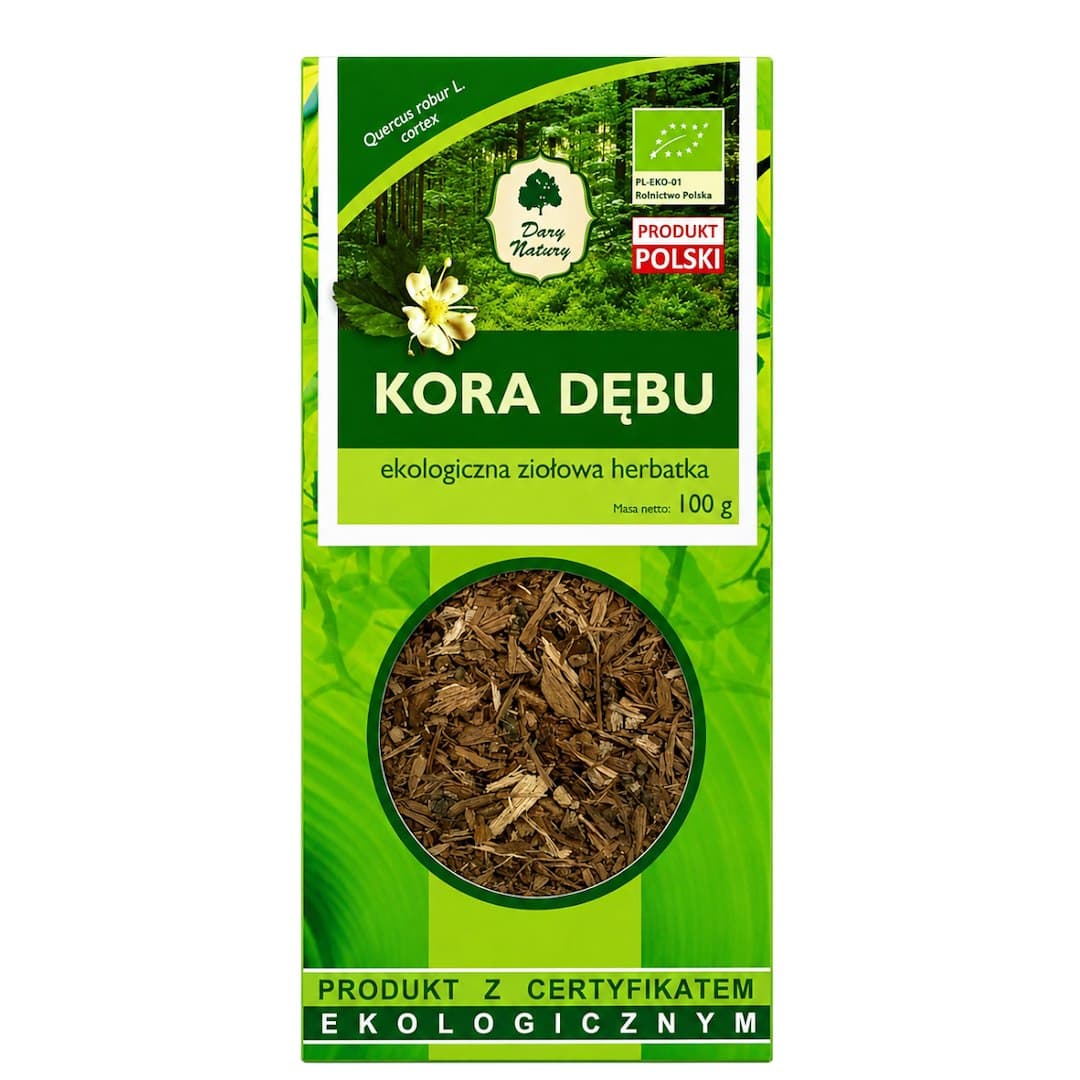
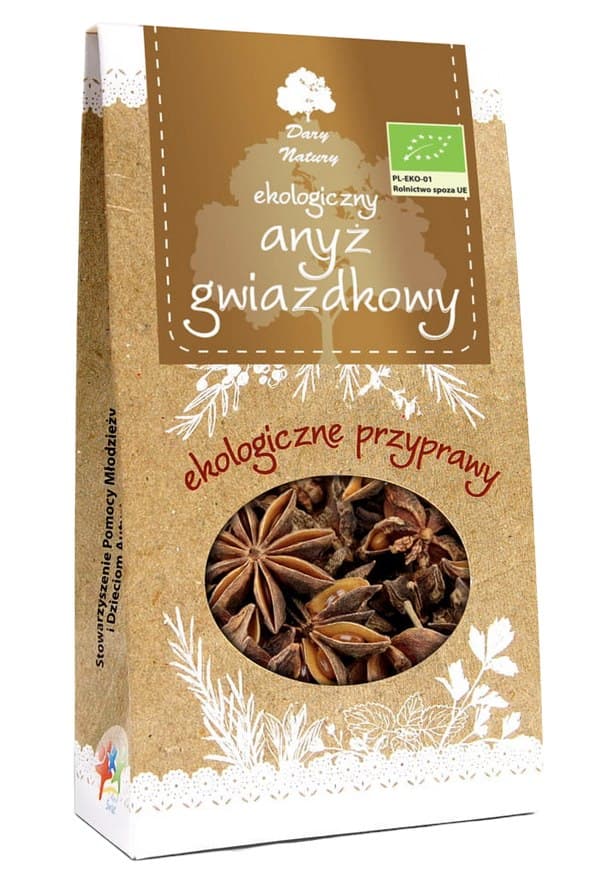
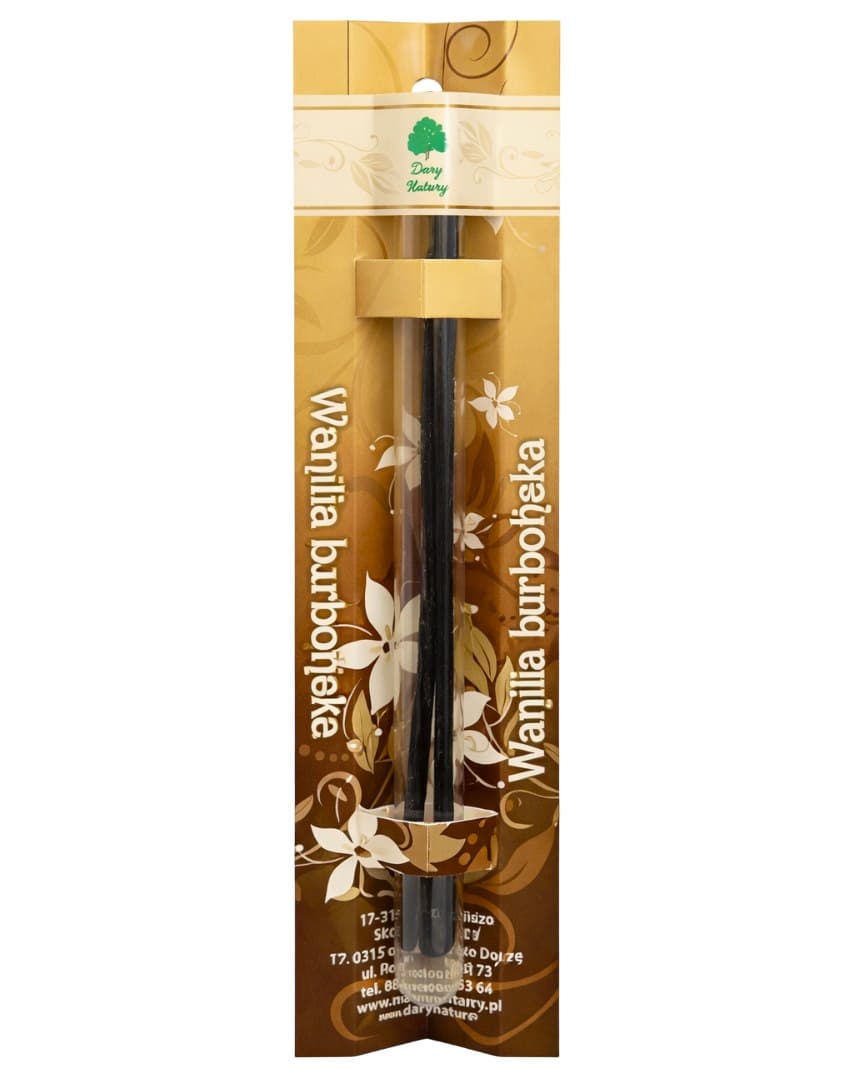
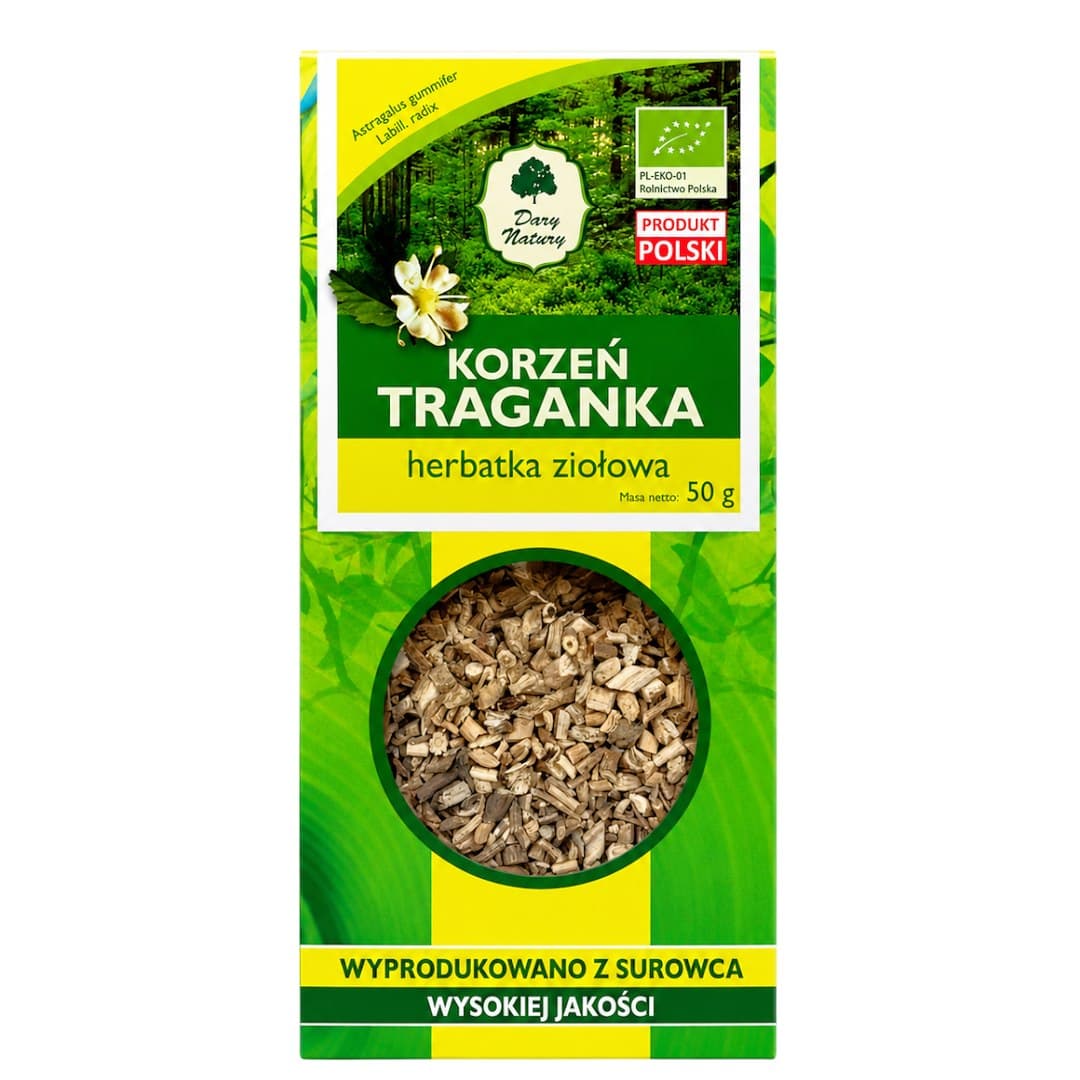
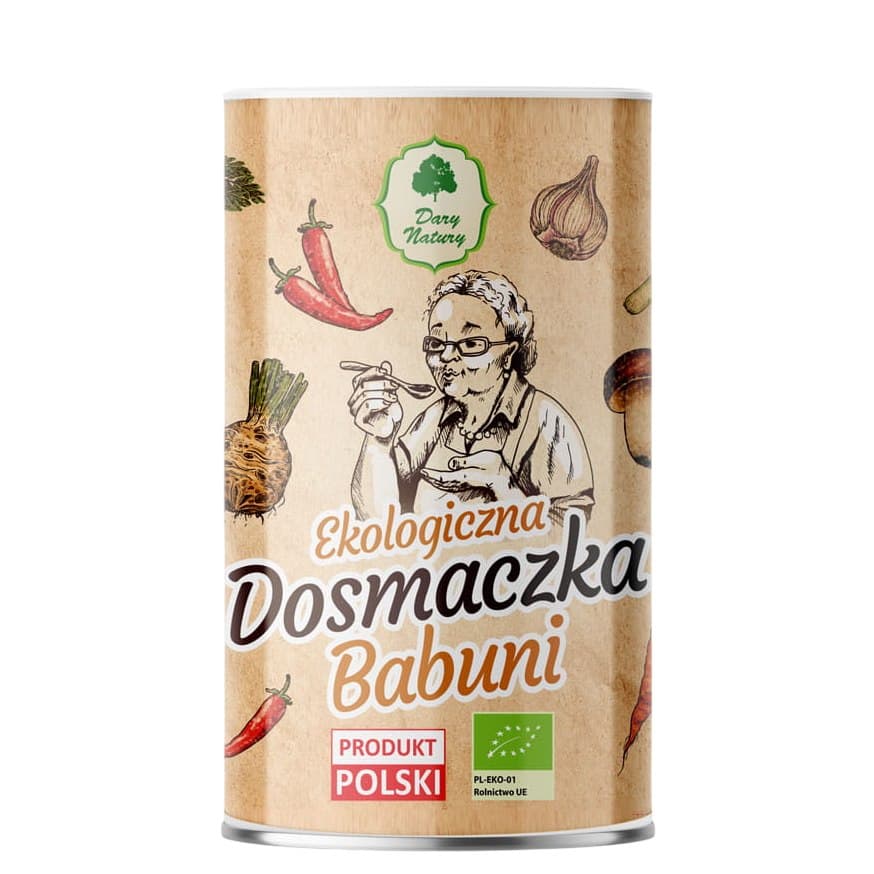
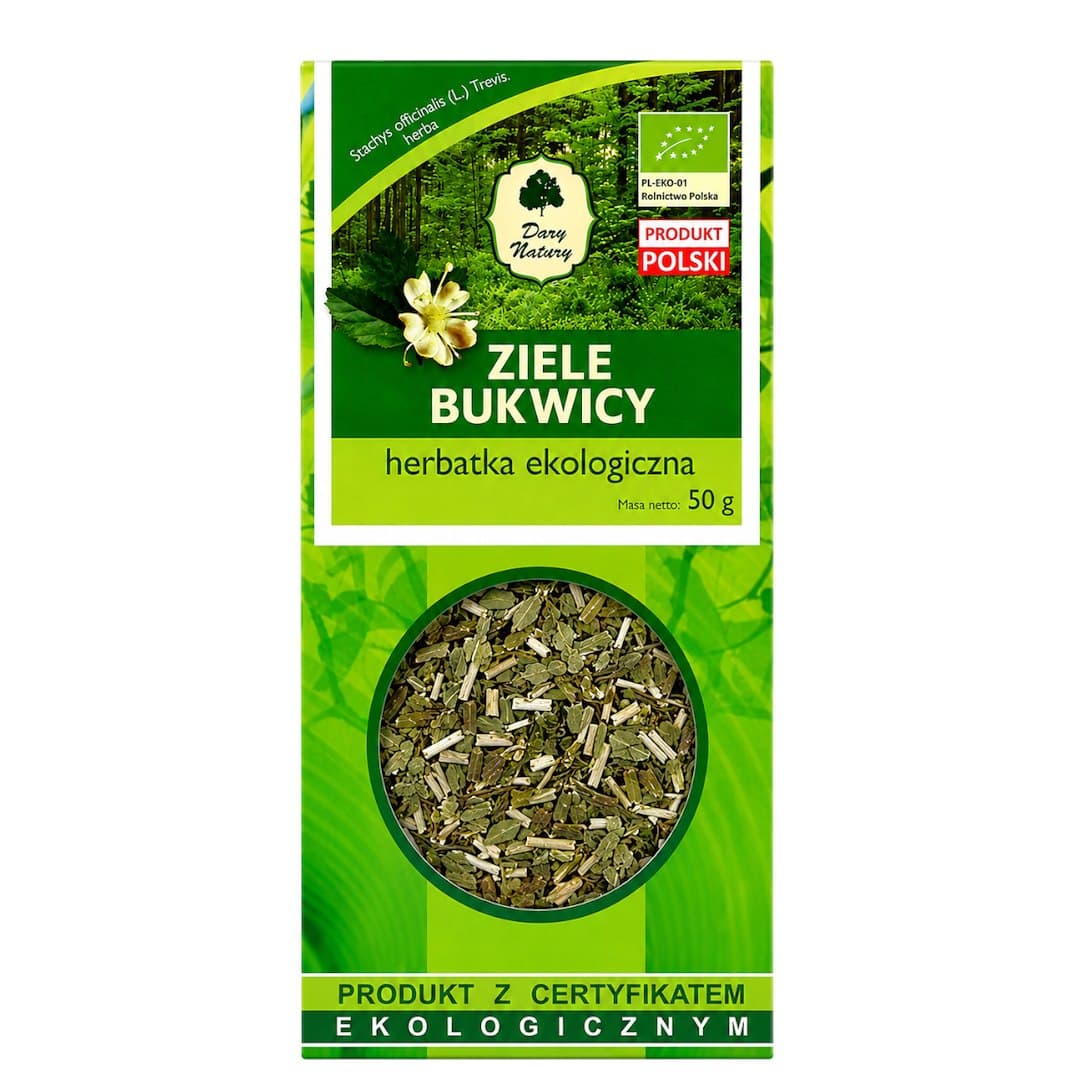
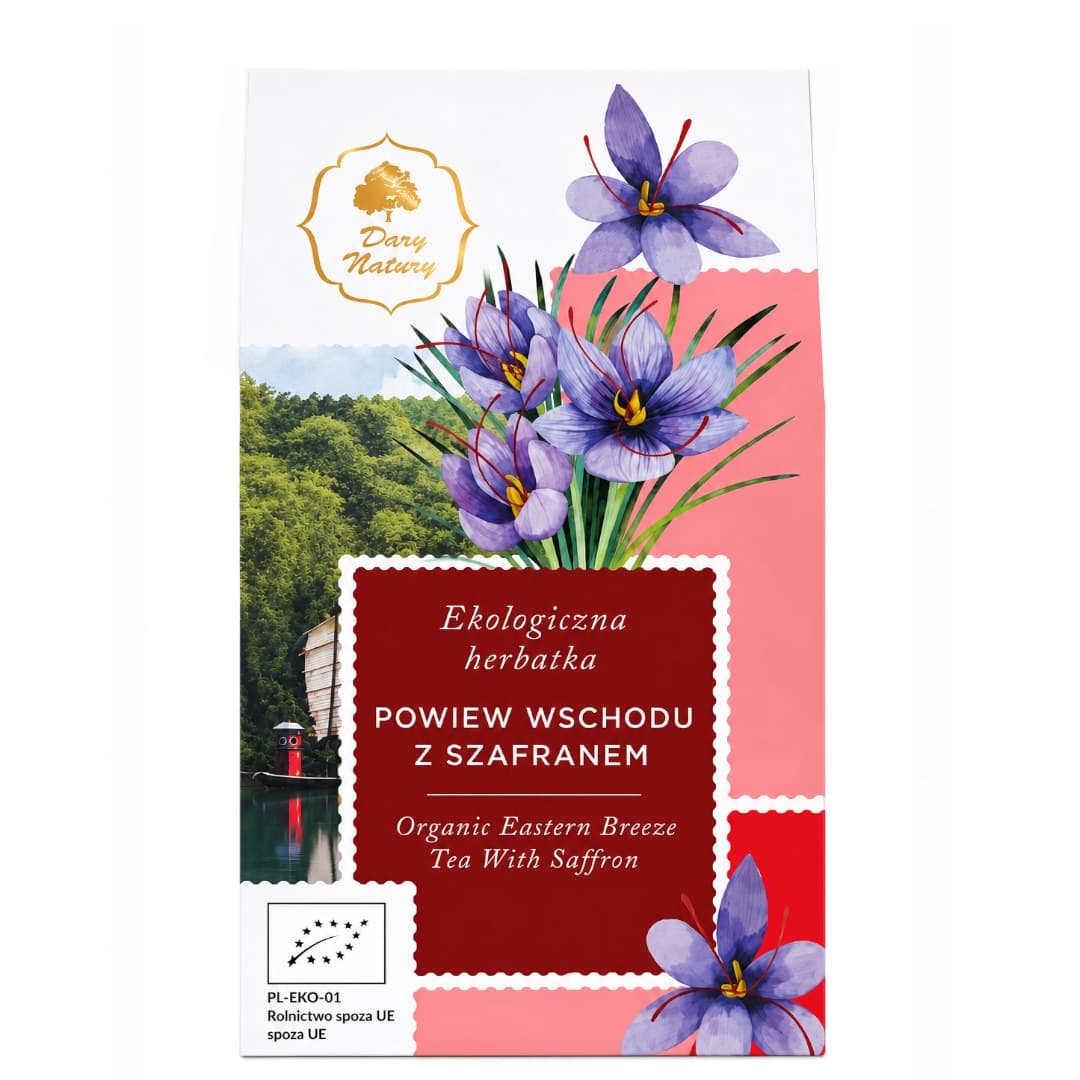
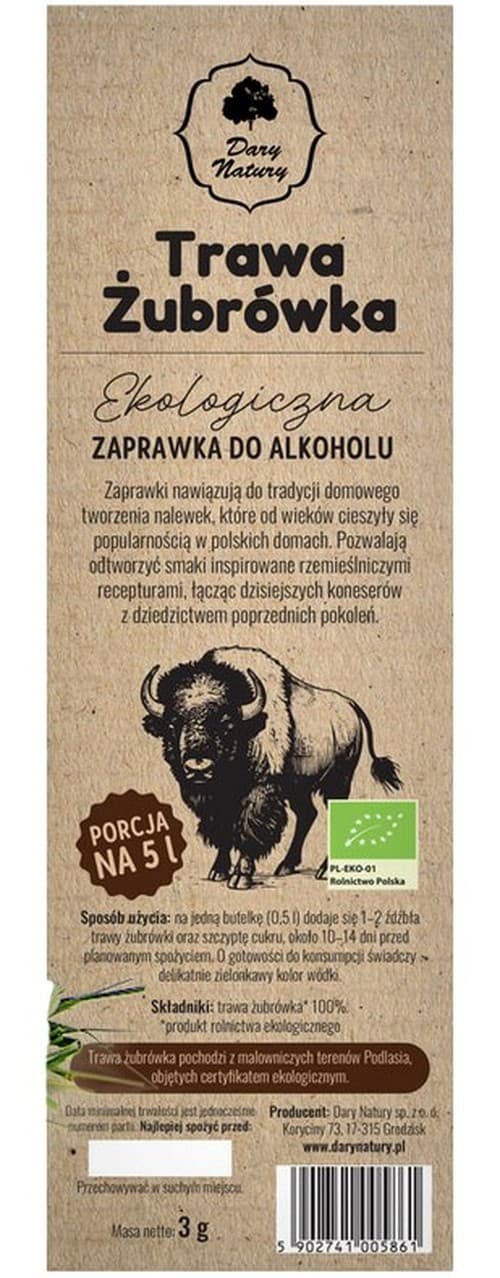
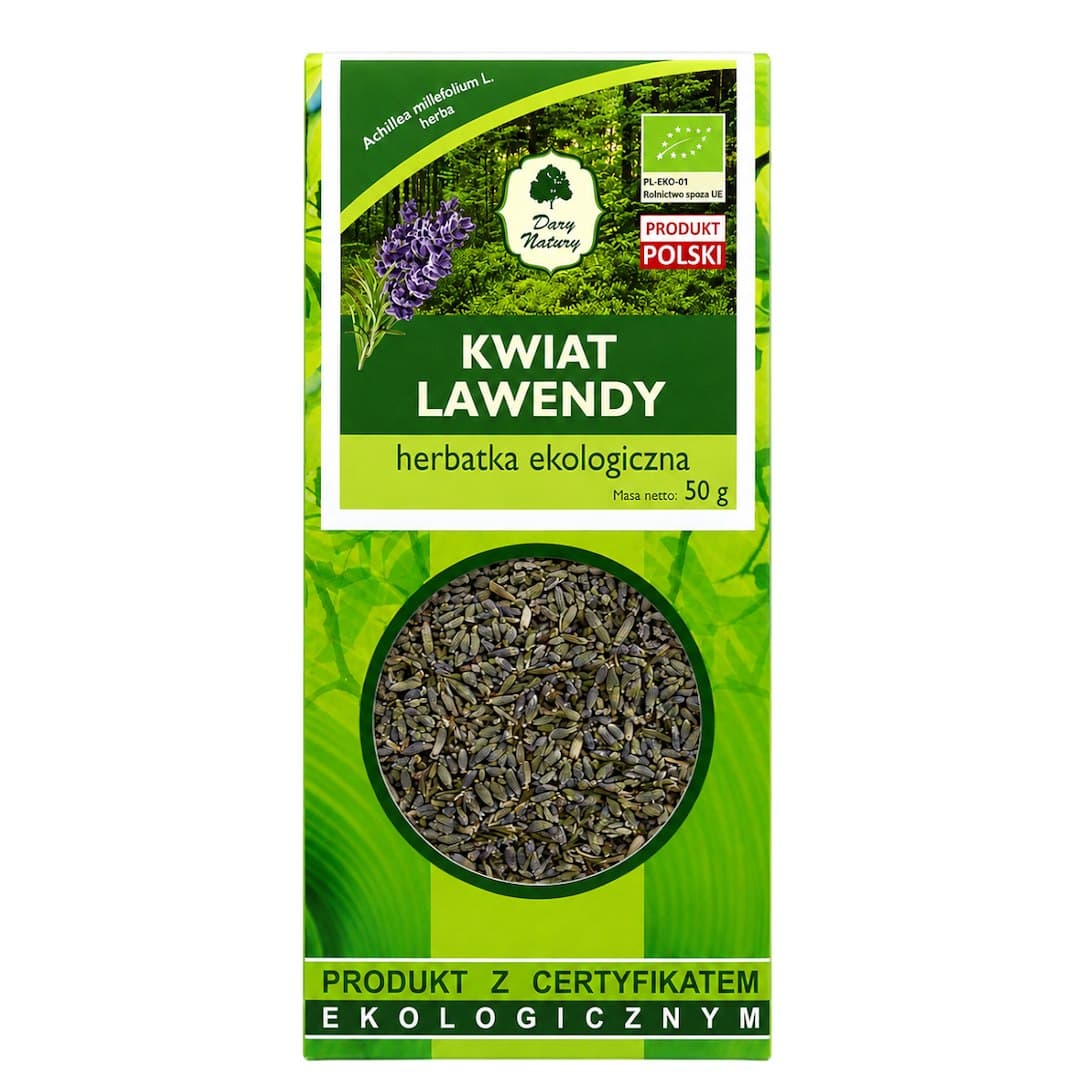
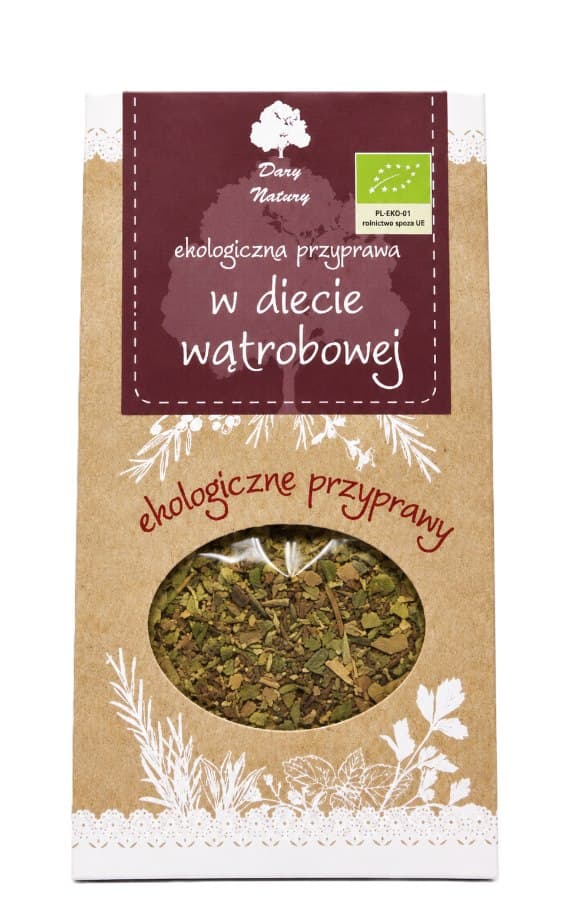
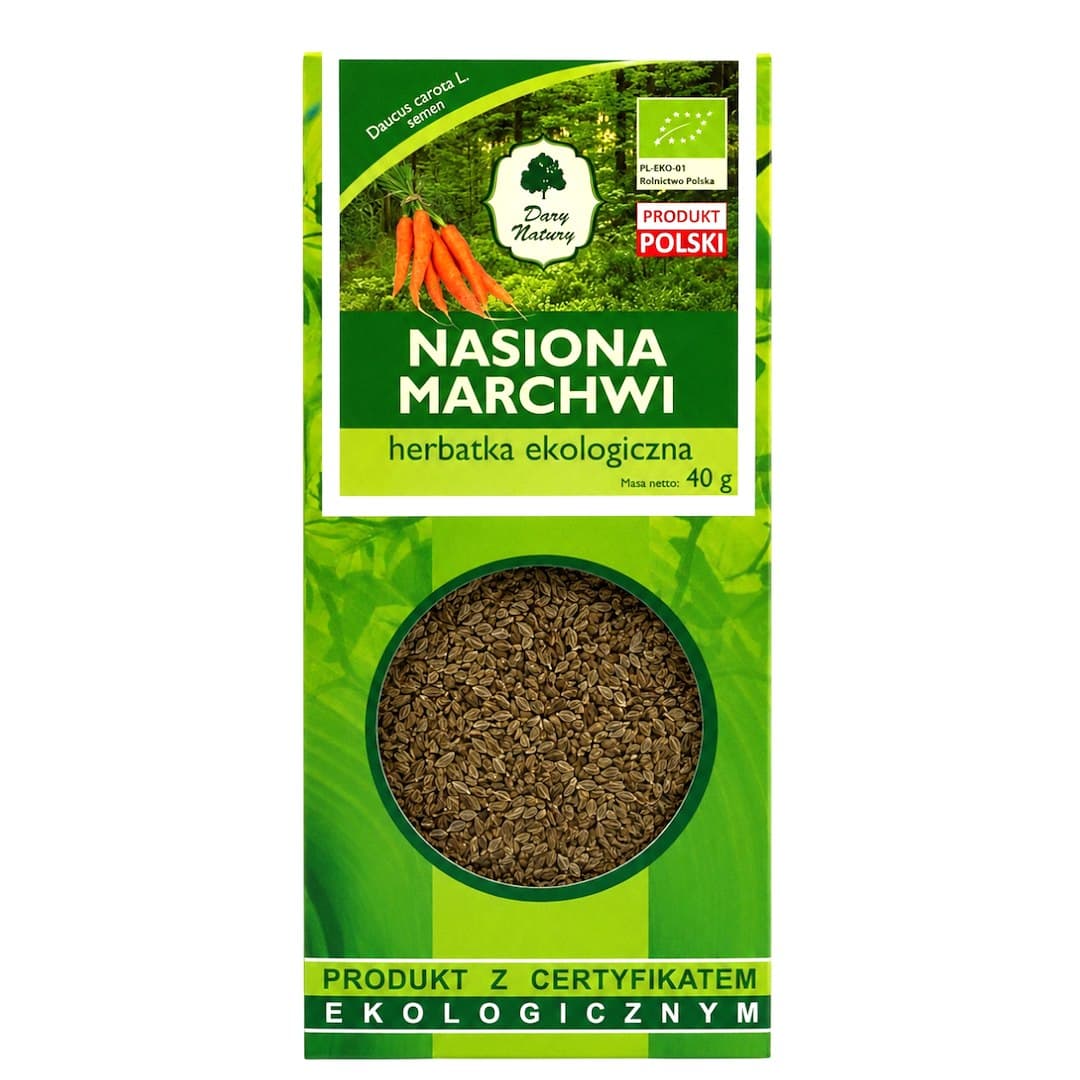
The product images that follow therefore show a mixed range of teas, herbs, plant parts and powders, with varying ingredients and pack sizes. Use the images to find the product you want to review, then check its full contents and labelling. This is where you can verify details not apparent from the short product name, including the ingredients list, preparation, storage and any precautions. In this way, the selection serves as a starting point for an objective comparison, not a recommendation about health effects.