Dary Natury and nature's pantry
Compare teas, herbs, spices and fruit-based products from Dary Natury.
30 selected products
Our selection
Campaign products
30 products


Find the option that fits your needs
An overview of the selection
This selection from Dary Natury brings together products in several forms: teas, dried herbs, spices, fruit-based products and an herbal blend for drinks. Here, you can compare them by what they contain, how they are presented and which form suits the way you use ingredients in the kitchen. Energy is the campaign theme, but the products are described factually, without promises of effects. Read product names and packaging details carefully, as the range includes different ingredients and quantities.
Some products are clearly intended as tea or herbal infusions, while others are spices or ingredients that can be used in cooking. This means they do not necessarily serve the same purpose in everyday life. It may help to start by considering whether you are looking for something to brew, to flavour food with or to use as a fruit-based ingredient. It will then be easier to compare pack sizes, ingredient names and any preparation information on each product label.
Teas and herbal infusions
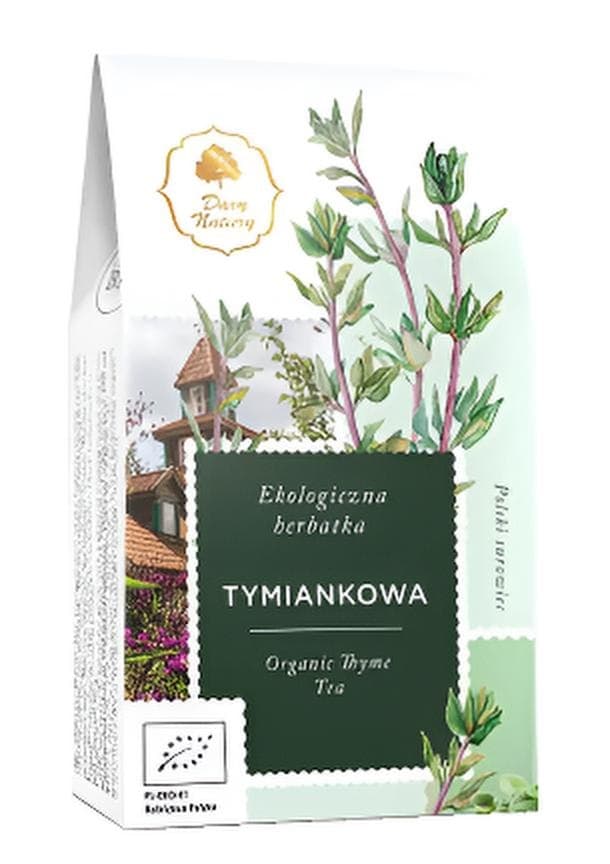
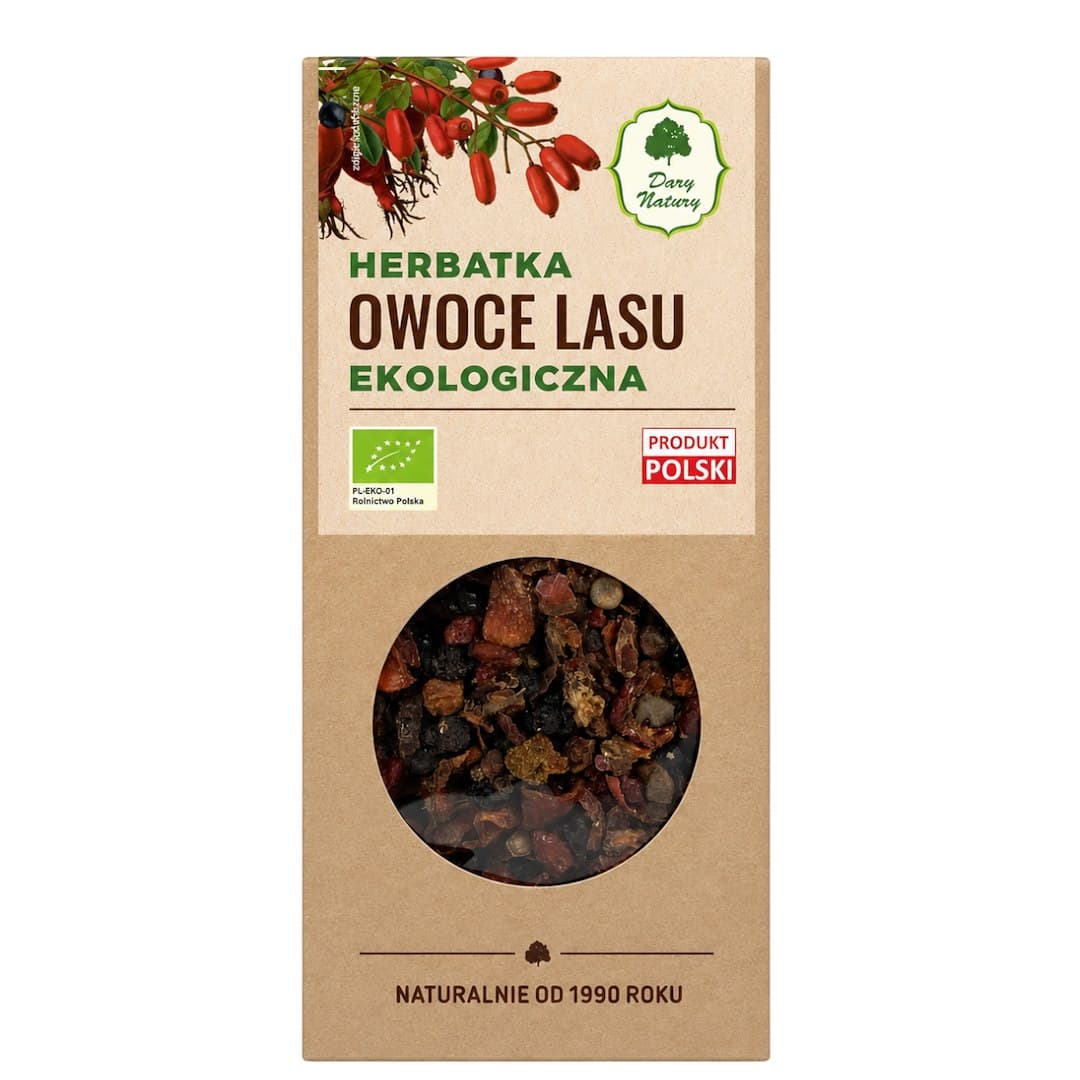
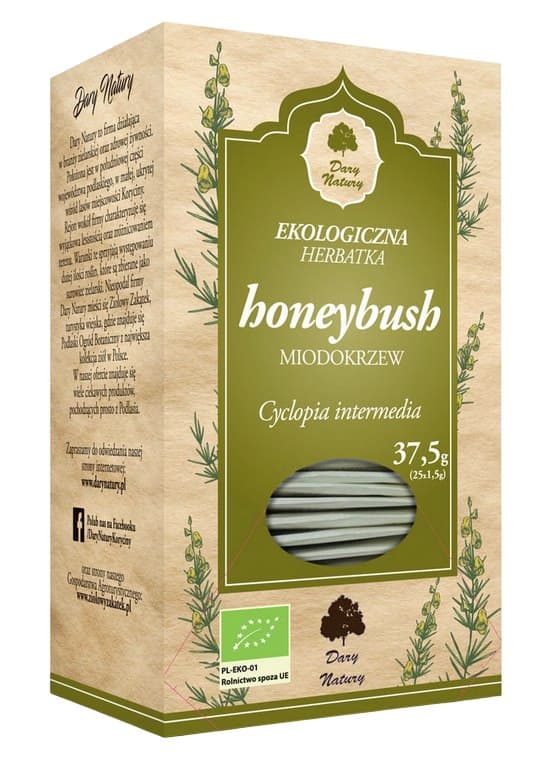
The selection includes organic thyme tea, forest fruit tea and honeybush tea in tea bags. The names indicate different ingredients and formats: thyme is listed as tea in an 80 g pack, forest fruit tea in a 100 g pack, and honeybush as 25 tea bags of 1.5 g each. When comparing teas, it can be useful to look at both the ingredient or blend listed and whether the product is sold loose or in tea bags. The packaging format affects how the product is handled and stored, not what conclusions can be drawn about its effects.
Check the ingredients list to see whether a tea consists of a single named ingredient or several ingredients. The name forest fruit tea suggests a fruit-focused profile, but the full composition is shown on the label. Also read any brewing instructions provided and follow the product's own information. If you want to compare quantities, the weight of a loose product cannot be directly compared with the number of tea bags without also taking portion size into account. Choose the format that suits your routine and intended use.
Herbs and plant parts
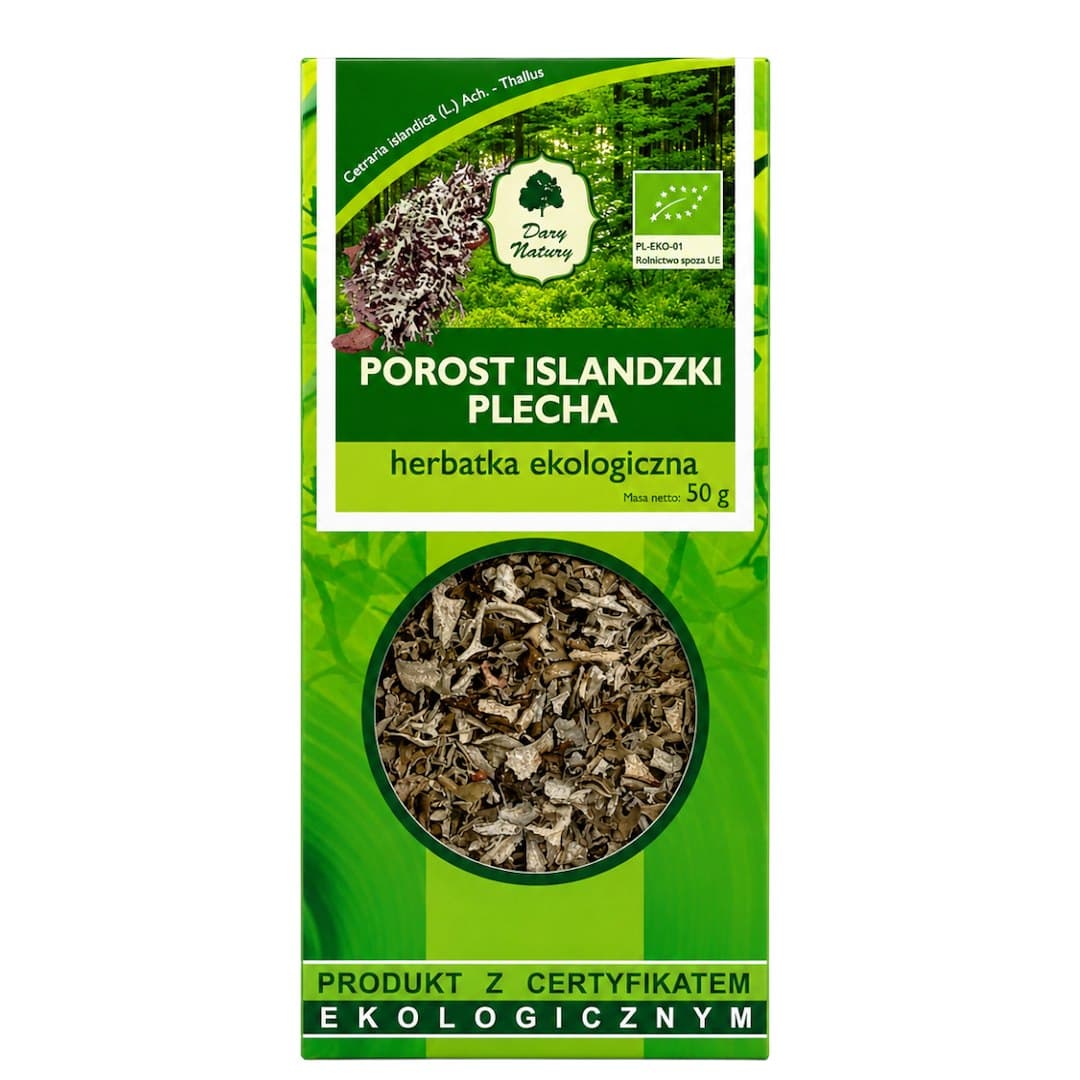
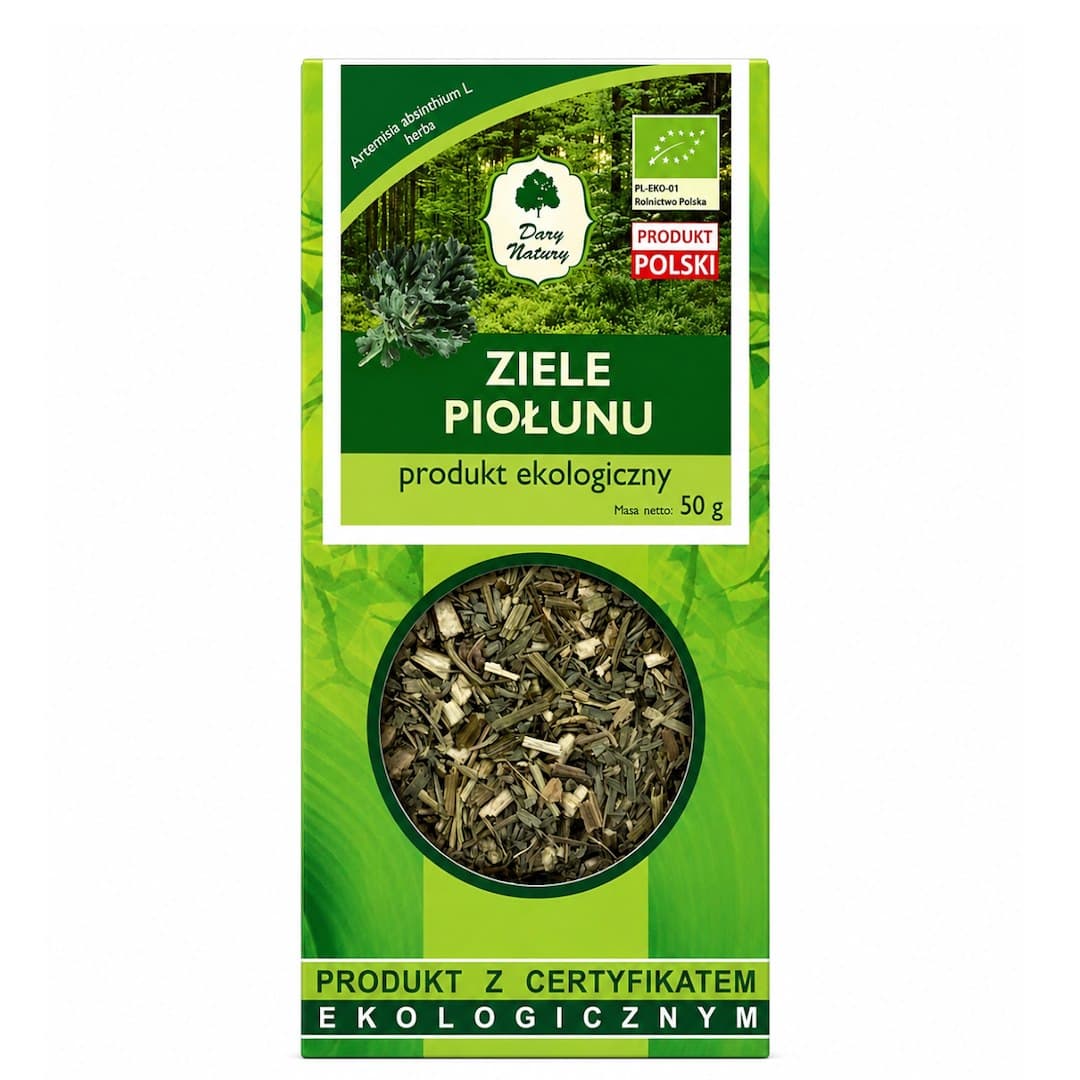
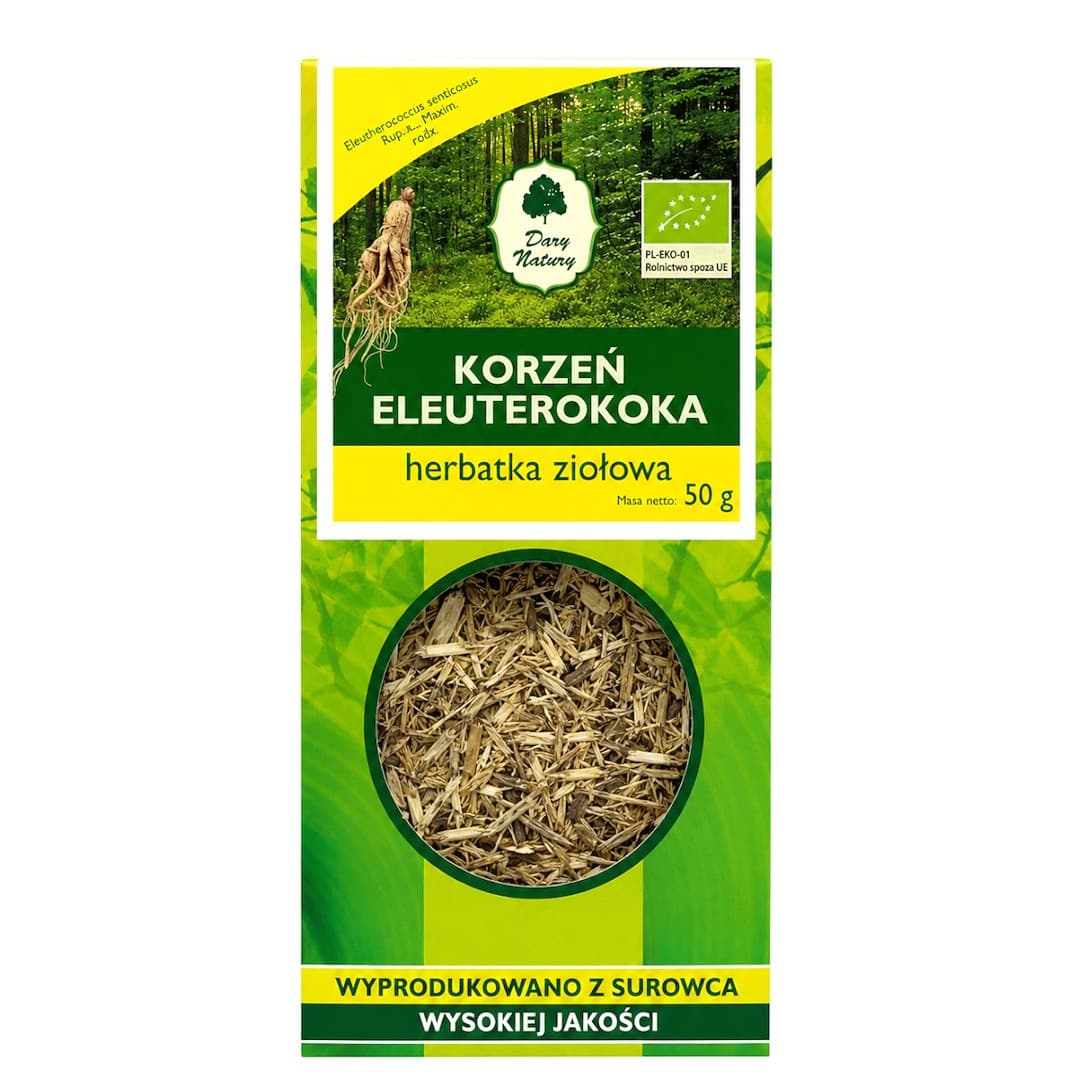
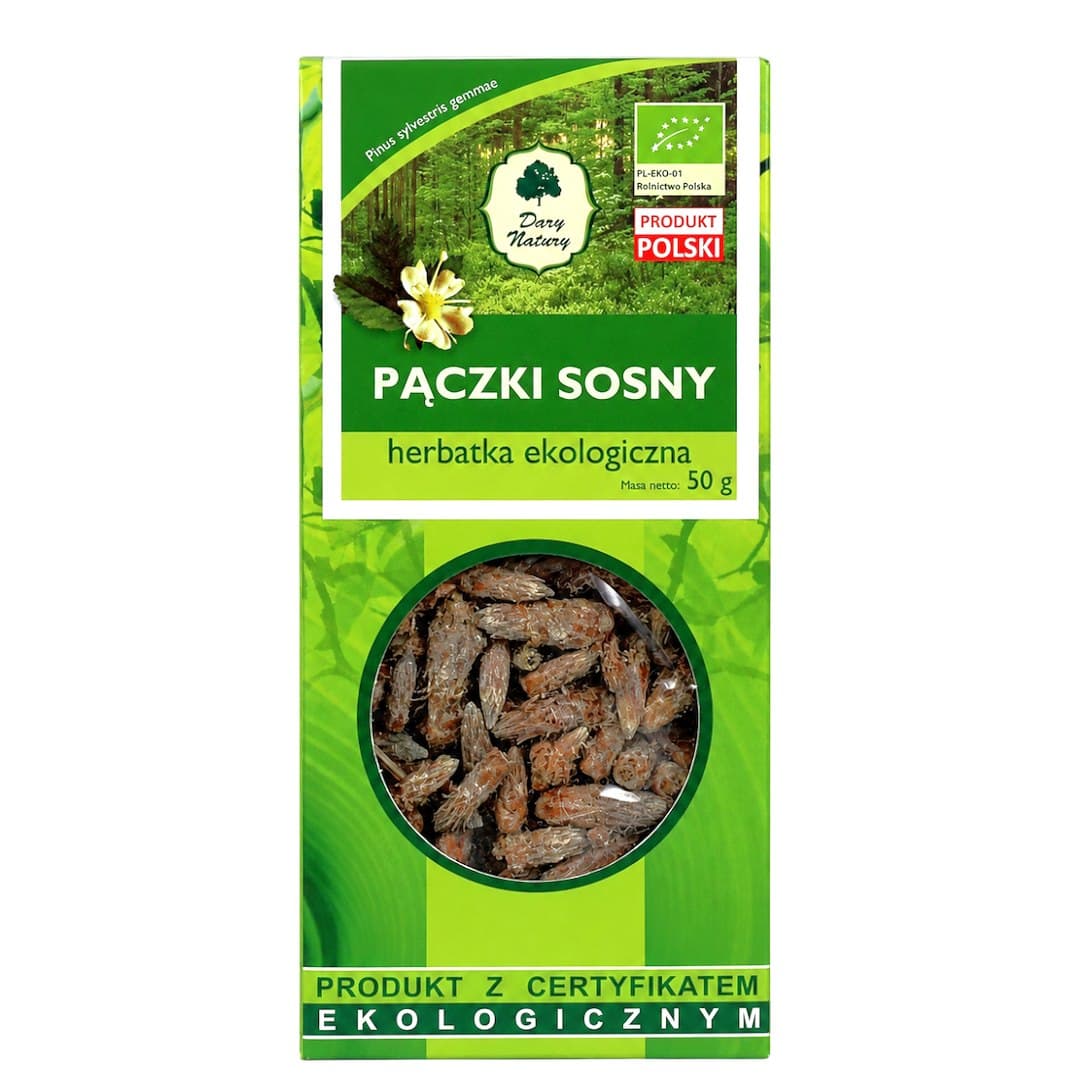
Several products in the selection are listed as individual plants or plant parts: Iceland moss, wormwood, eleuthero root and pine buds. They are sold in 50 g packs, while the organic thyme tea is listed as 80 g. Product names provide an initial indication of the ingredient, but the label is the best source of information about contents and intended use. In particular, check how the product should be prepared and whether the pack contains additional ingredients. A dried plant is not automatically equivalent to another, even if both are sold as herbs.
If you are choosing between several dried plants, you can compare the ingredient name, plant part, net weight and instructions on the packaging. It may also be relevant to read storage advice and any information about origin, if provided. These details help you understand what you are buying without relying on general assumptions about a plant's properties. For products intended as drinks or infusions, follow the labelling. If the intended use is not clear from the product information, it is sensible to check before choosing.
Spices and flavouring
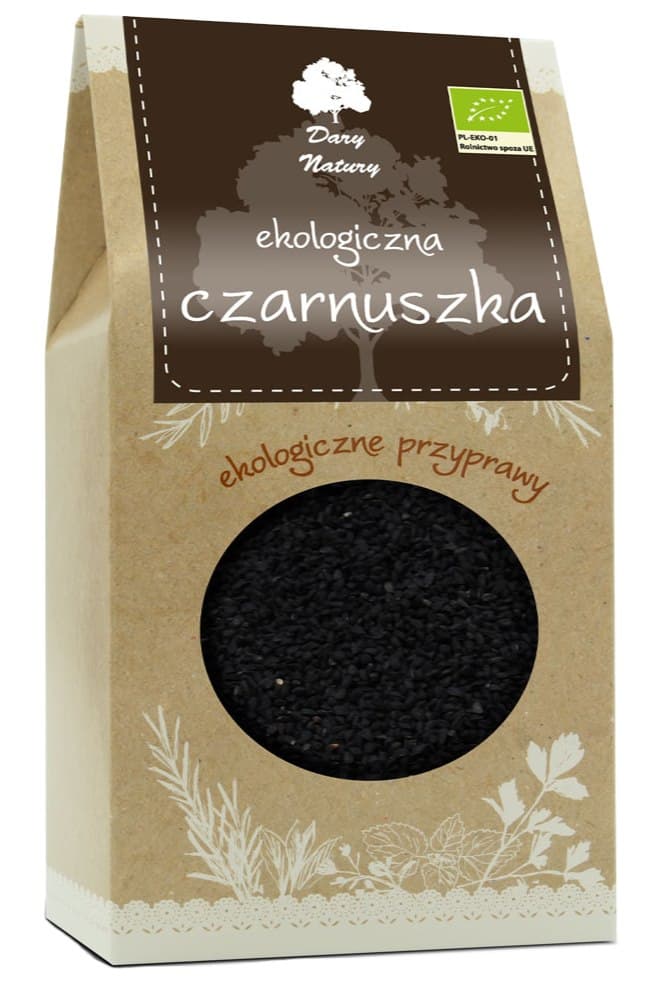
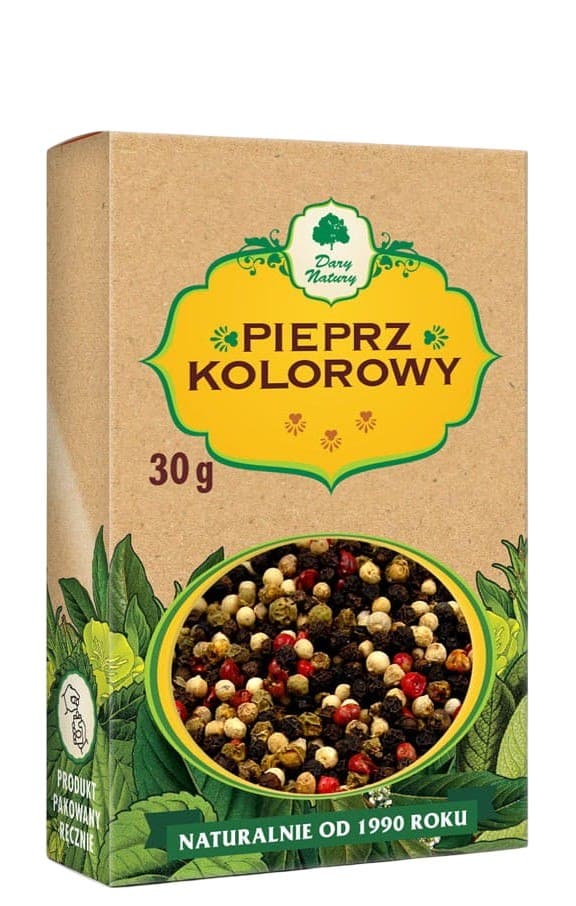
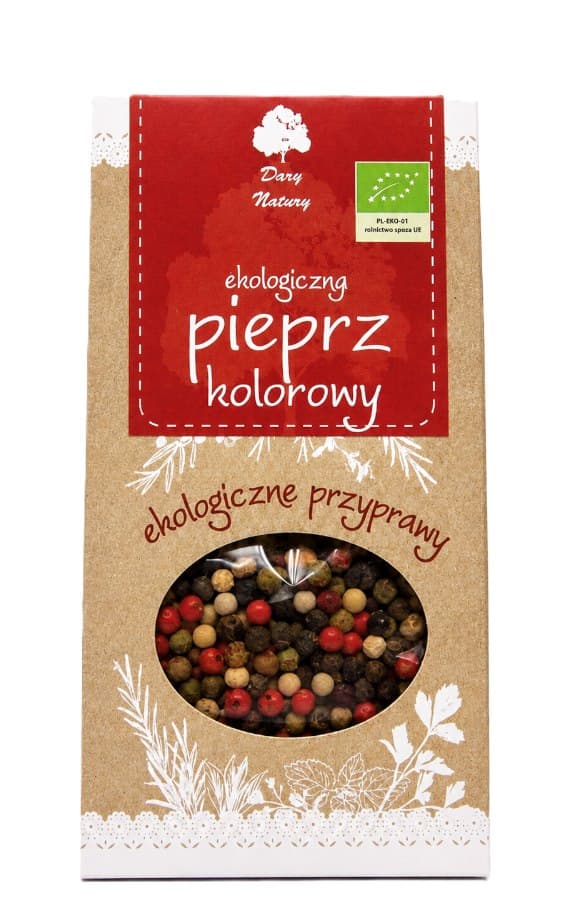
Black cumin seeds and mixed peppercorns represent the spice selection. The black cumin seeds are listed as organic and sold in a 200 g pack, while the mixed peppercorns are listed as 30 g. These are two products with different ingredients, pack sizes and possible roles in cooking. The names describe the contents at a general level; for details about ingredients and labelling, read each product's label. Do not compare only by price or weight; also consider how often and in what contexts you usually use the spice in question.
Spices can be chosen according to taste, recipe and how they are to be handled in the kitchen. Check whether the product consists of whole seeds or whole peppercorns, and whether the label specifies any particular use or storage instructions. The product name for the mixed peppercorns indicates a blend, but the exact composition should be checked on the packaging. The black cumin seeds are described as organic in the product name; check the information shown on the product itself if you want to know more about the certification. This way, your comparison is based on information that actually relates to the product.
Fruit-based products and honeybush
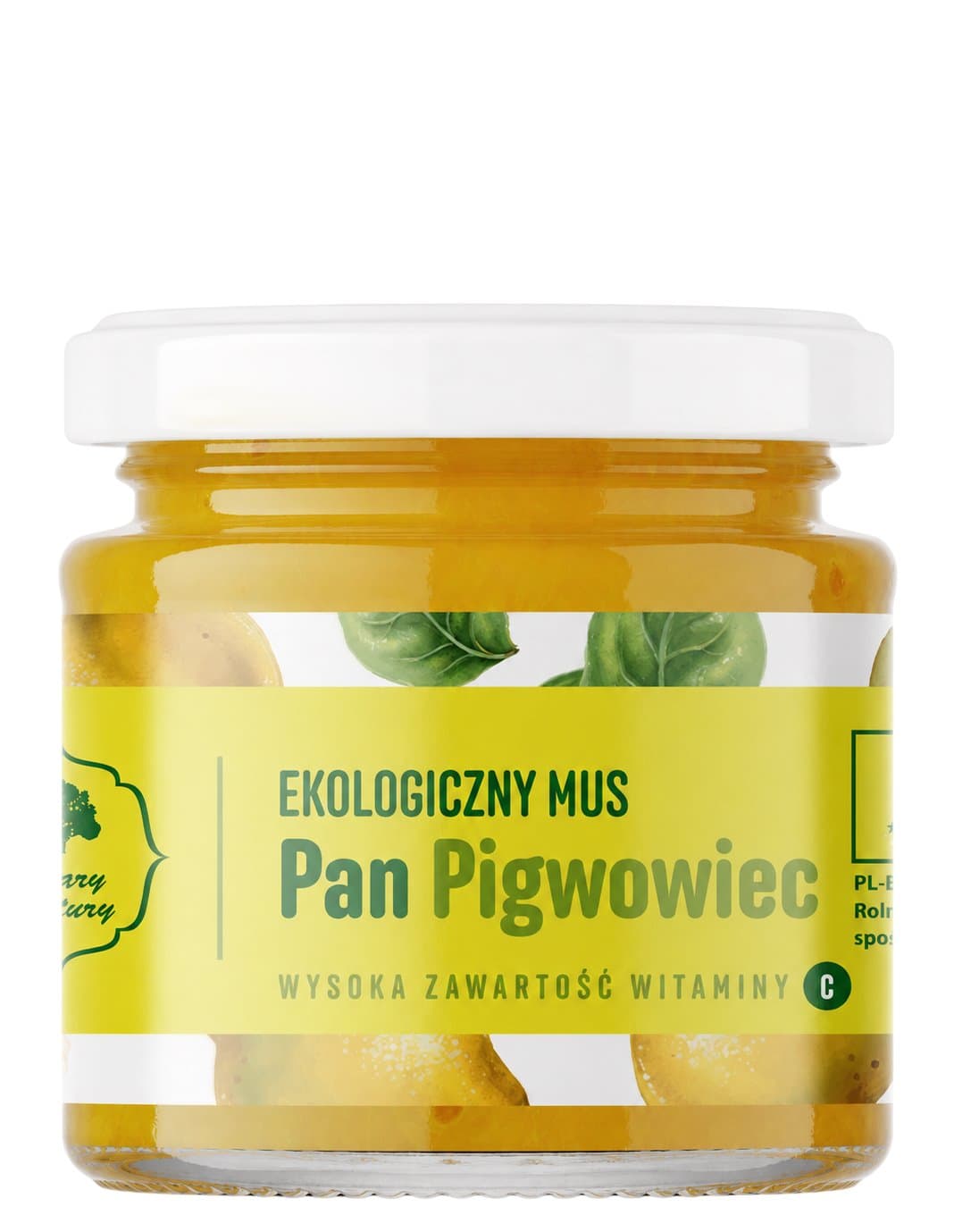
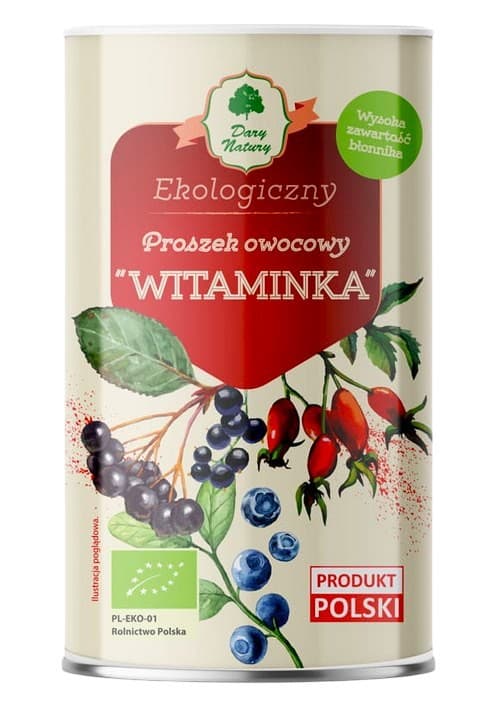
The fruit selection includes organic quince paste, fruit powder and forest fruit tea. The quince paste is listed in a 200 g pack and the fruit powder in a 200 g pack, but the product names alone are not enough to establish the exact composition or how they should be used. Read the ingredients list and other product information to see what the products contain and how they are recommended for use. Honeybush tea is another type of product in the range and is sold in tea bags, making it easy to distinguish from the fruit powder and paste when comparing formats.
When choosing between fruit paste and powder, the form, ingredients and intended use may be more helpful than the fact that they have the same stated net weight. Check whether the product is intended to be eaten as it is or used as an ingredient, and follow the information on the packaging. For teas, it is more relevant to compare the ingredient name, number of bags or weight in grams, and any brewing instructions. If you avoid a particular ingredient, always check the full ingredients list, even when the product name mainly highlights a fruit or plant.
What to compare on the label
A careful comparison starts with the product's full name and ingredients list. Check whether the item consists of a single ingredient or a blend, what form it takes and what net quantity is stated. In this selection, quantities range from 12 g for organic willowherb with bison grass to 200 g for products including quince paste, black cumin seeds and fruit powder. For honeybush tea, the quantity is instead given as the number of tea bags and the weight per bag. Different ways of stating quantities make it important to read all the packaging details, not just the largest number.
Also look for instructions on preparation, use and storage. These details may differ between tea, dried herbs, spices and fruit-based products. If organic certification is relevant to your choice, check how it is indicated on the product in question and read any explanation on the packaging. Avoid drawing conclusions about properties based solely on a plant name or product category. The label provides more specific information about what is included and how the product is presented, while questions such as allergens should be assessed using the product's full labelling.
Practical choices for everyday use
Start with how you want to use the product. For a drink, loose tea or tea bags may be important to how you prefer to measure and handle the contents, but always follow the product's own instructions. For spices, pack size and how often the ingredient is used can be practical considerations. For fruit paste and fruit powder, the texture and instructions for use can help you decide which form suits a recipe or another intended use. If the intended use is not clear, read more product information rather than assuming a particular use.
Store products according to the instructions on the packaging, and check the net quantity and any best-before information when comparing options. If you buy several different plants, clear labels and suitable storage can make it easier to keep the ingredients separate. Also bear in mind that the campaign's energy theme is an editorial category, not a claim that any product has a particular effect. Choose based on the contents, format and stated use rather than expecting a specific health effect. This provides a more factual basis for your decision.
How we selected the products for the campaign
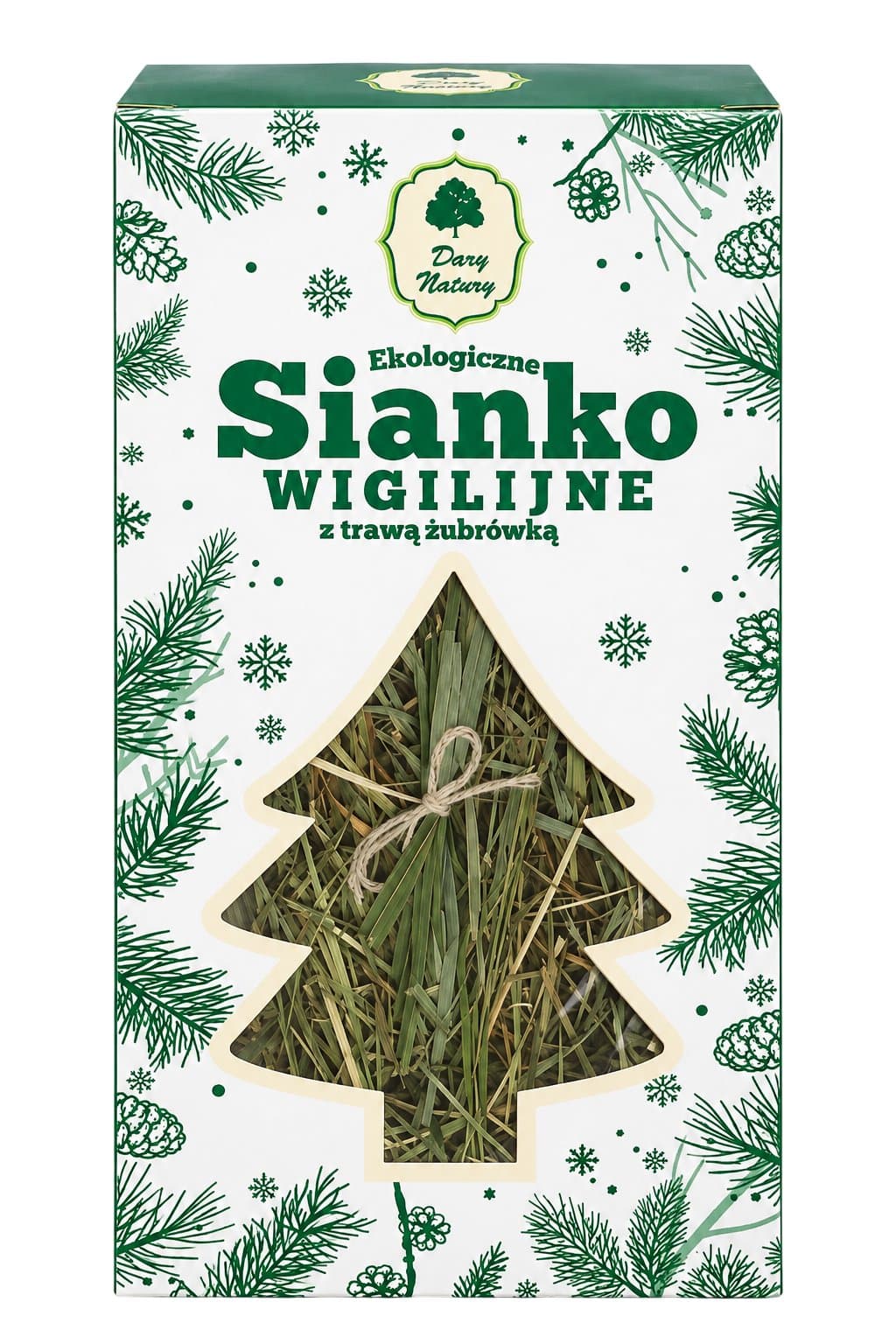
The product selection brings together twelve items from Dary Natury, showcasing the range of teas, dried herbs, spices and fruit-based products. It includes organic quince paste, organic black cumin seeds, organic willowherb with bison grass, Iceland moss, organic thyme tea, forest fruit tea, mixed peppercorns, honeybush tea, wormwood, fruit powder, eleuthero root and pine buds. The connection to the campaign's energy theme lies in the editorial framing and the plant-based contents of the range, not in a promise of effects or a shared intended use.
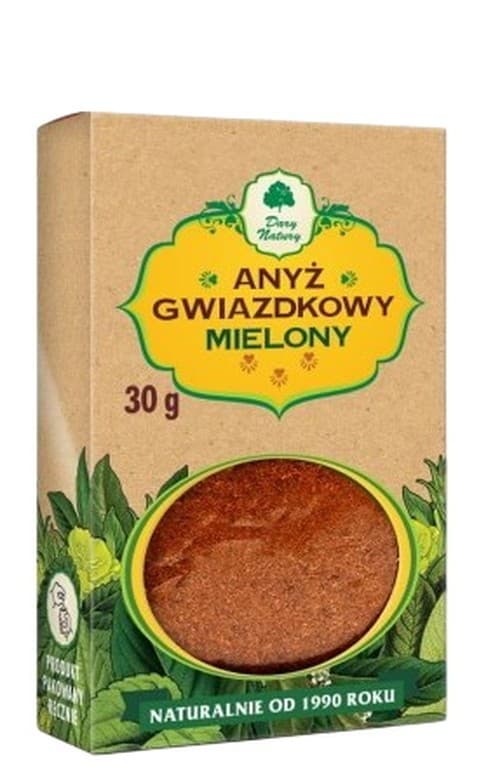
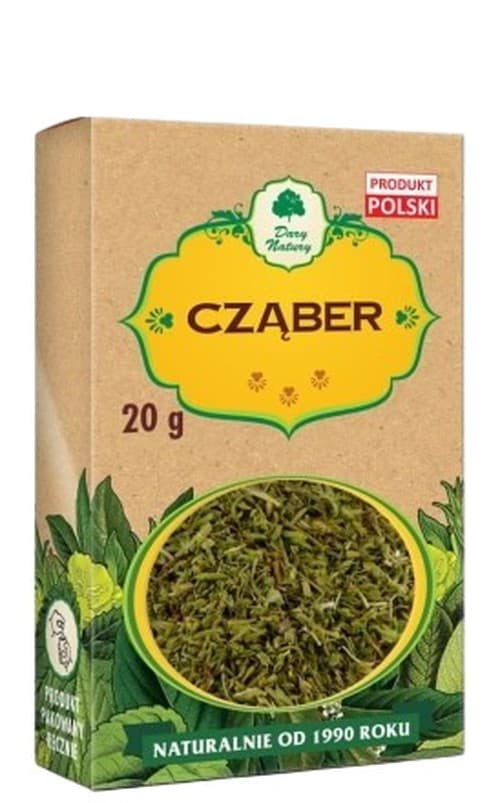
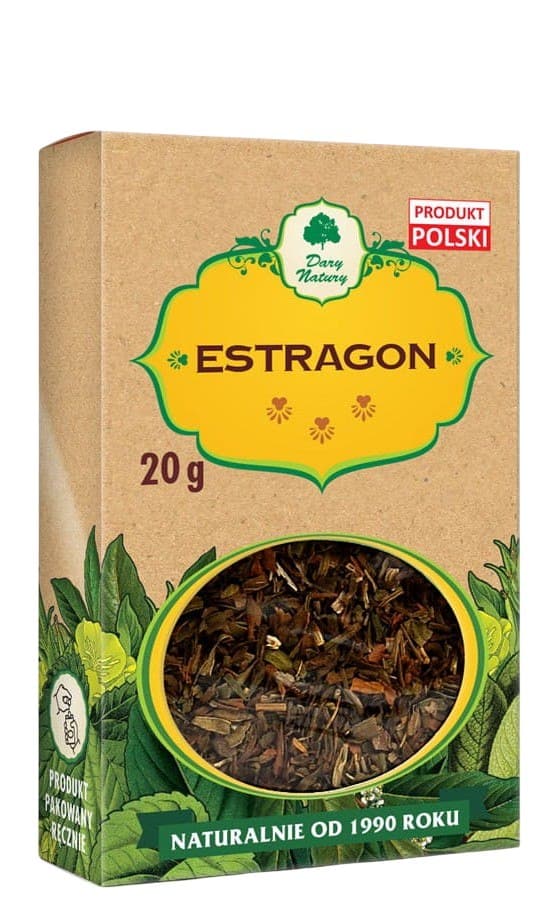
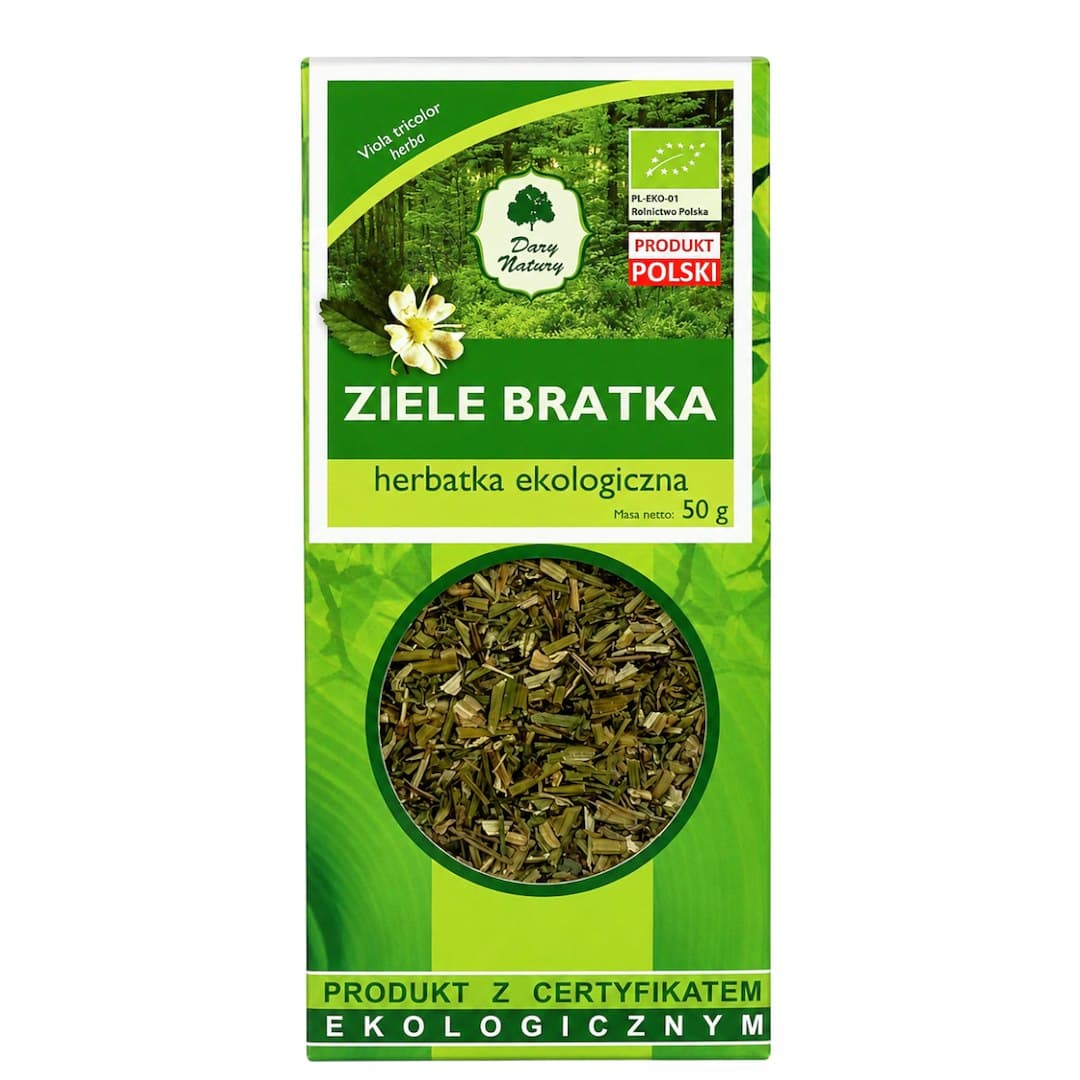
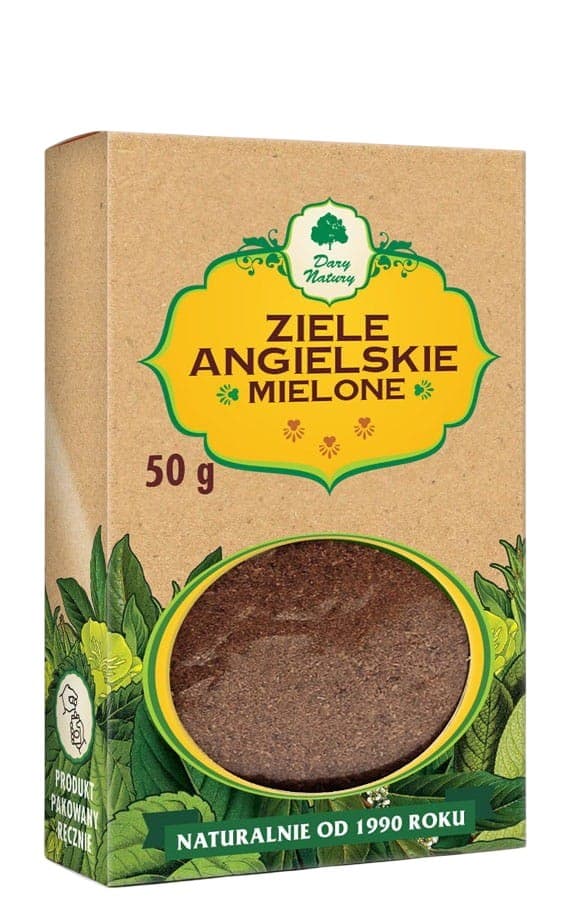
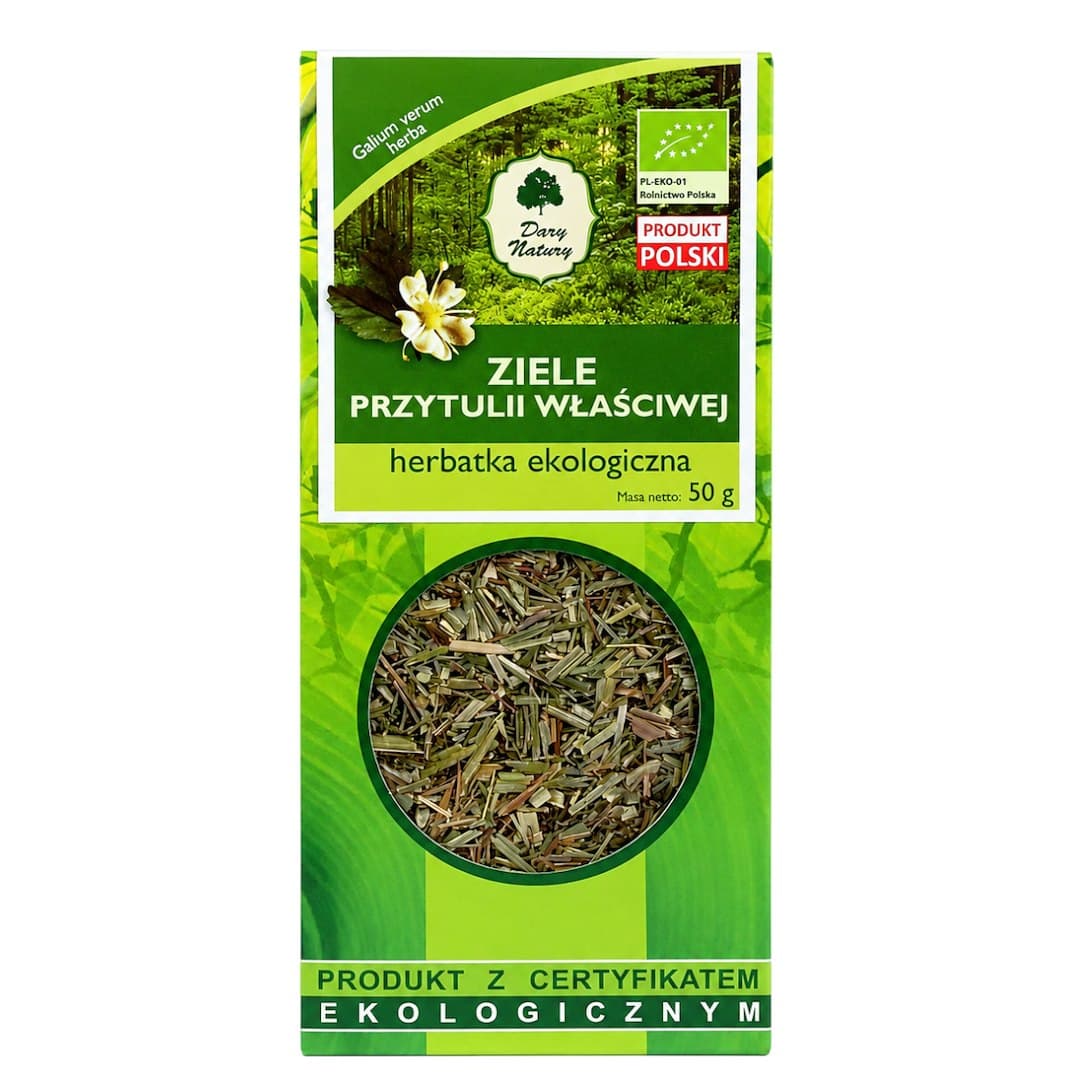
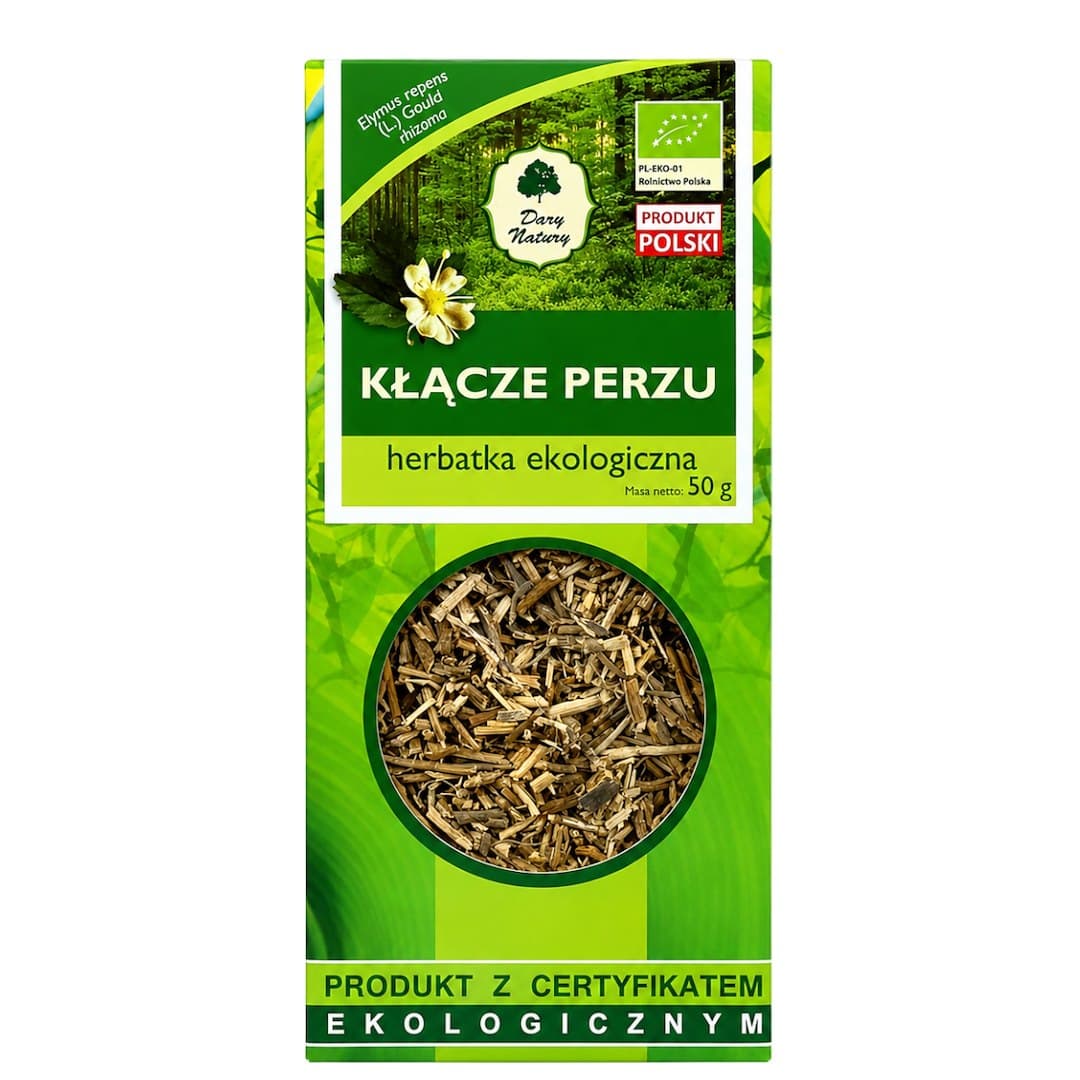
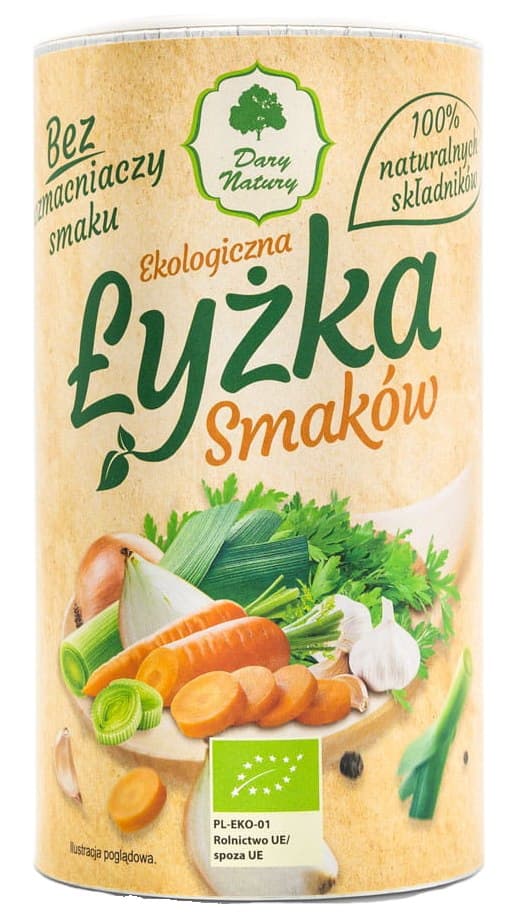
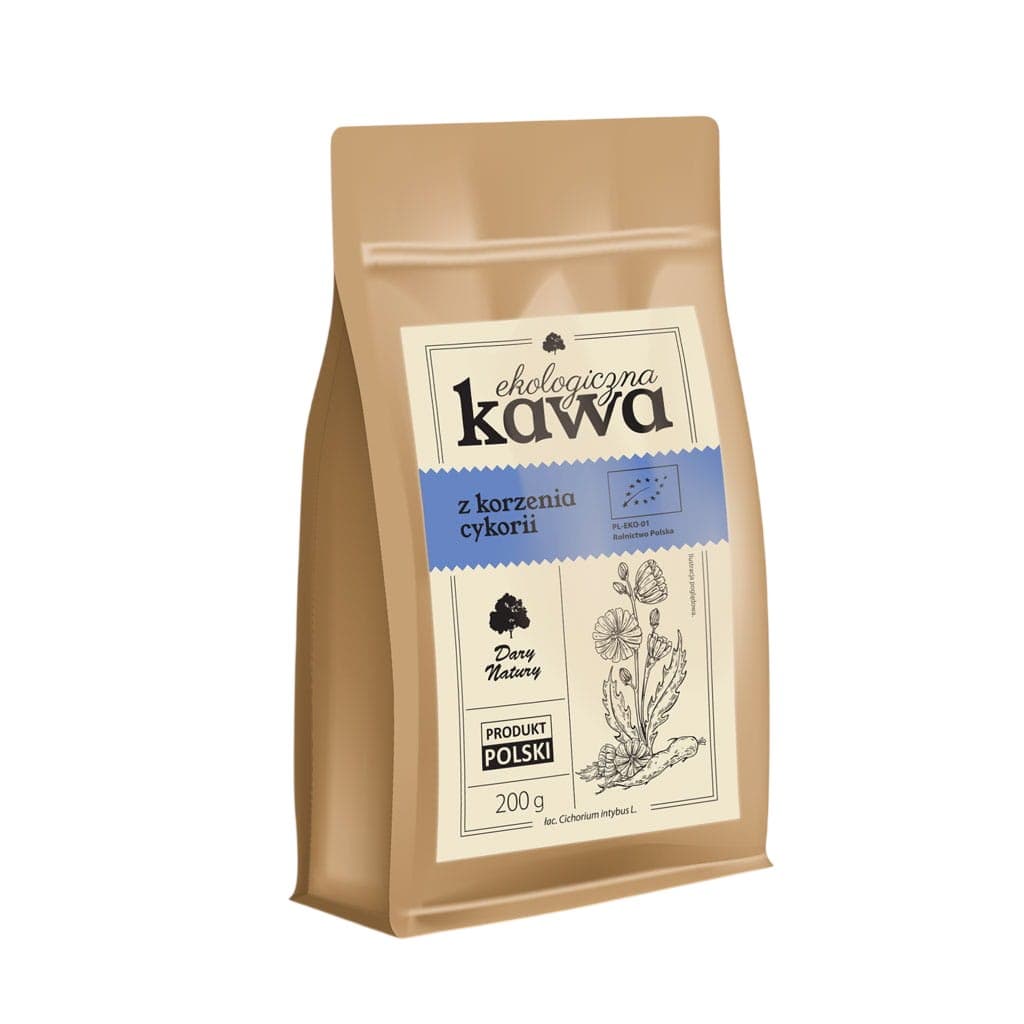
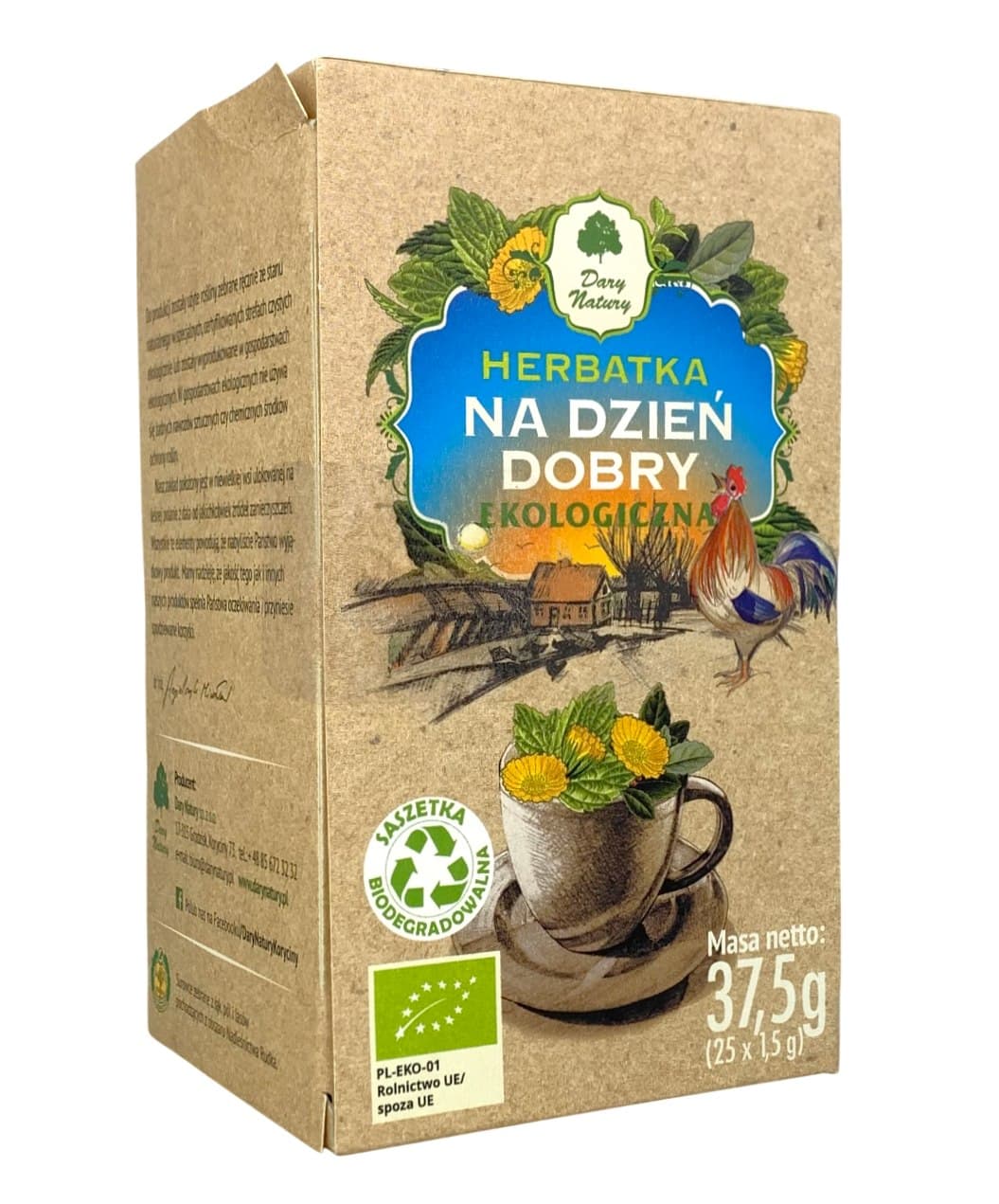
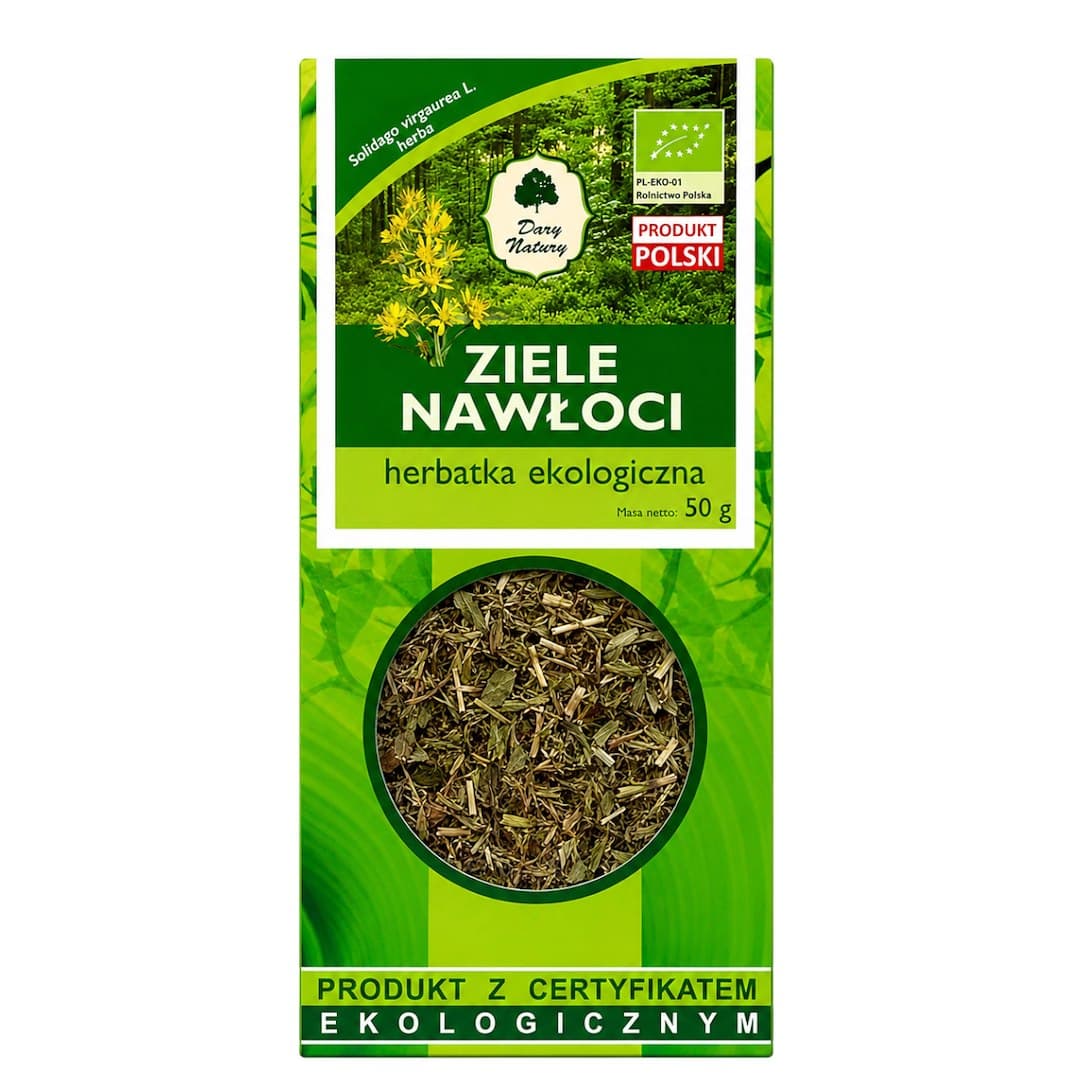
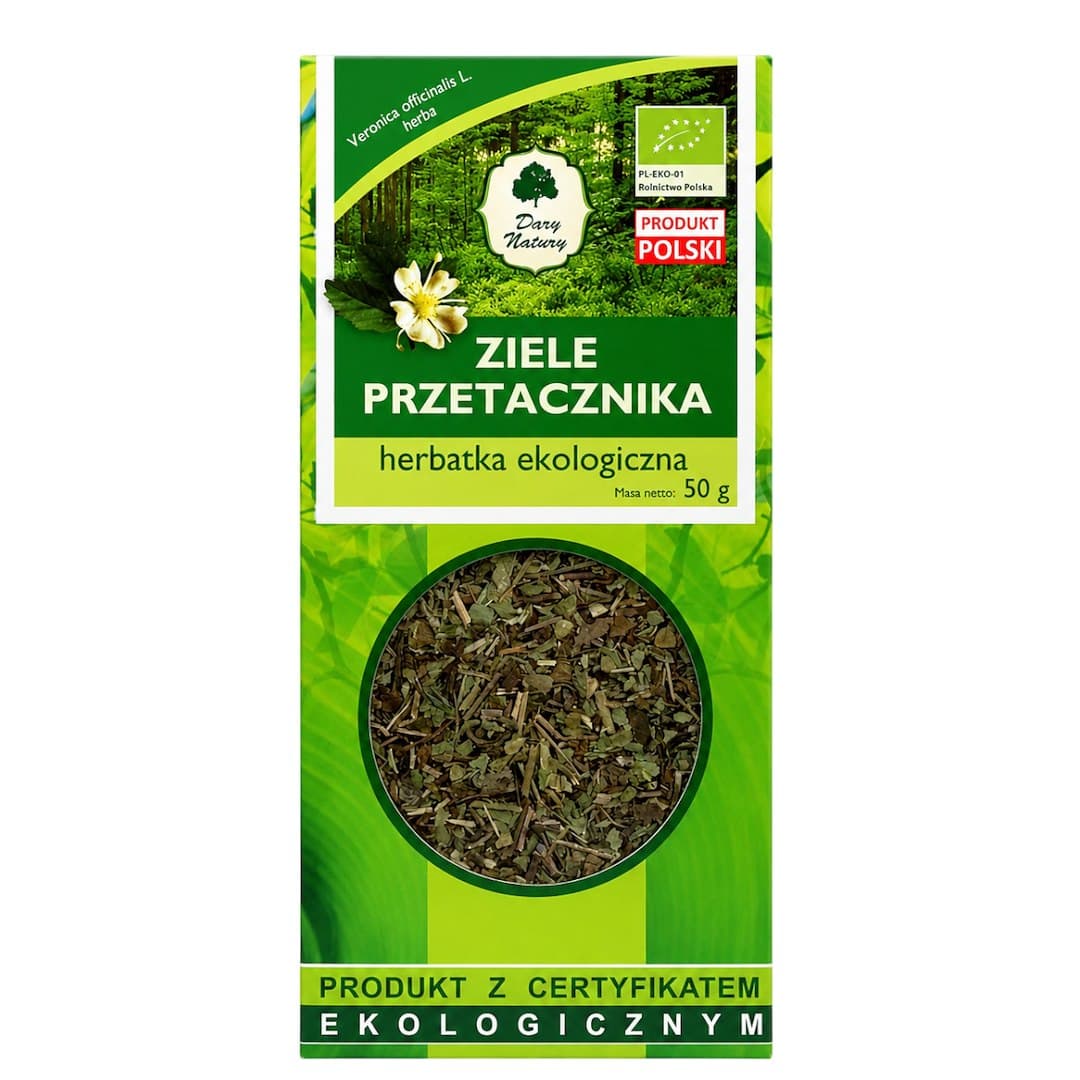
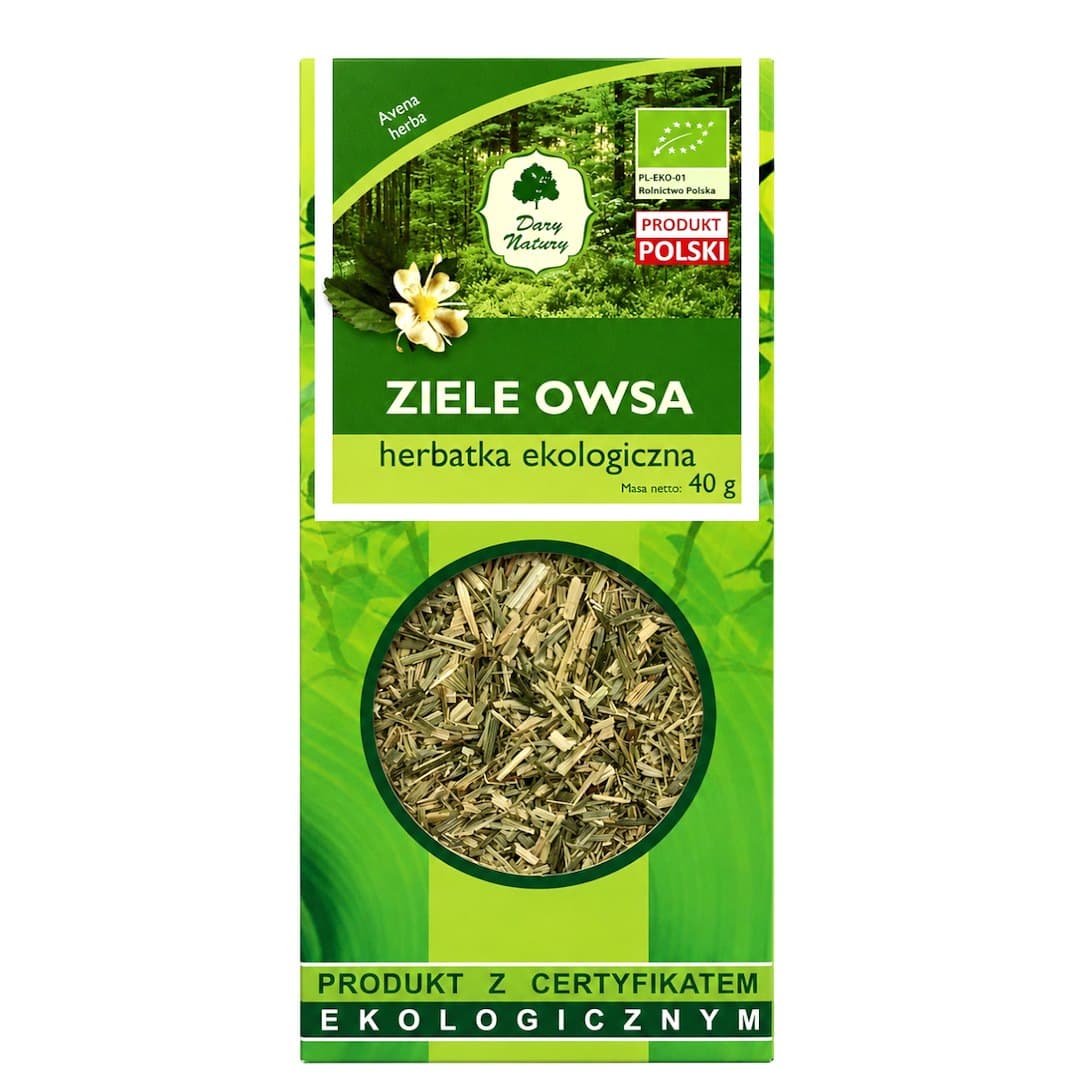
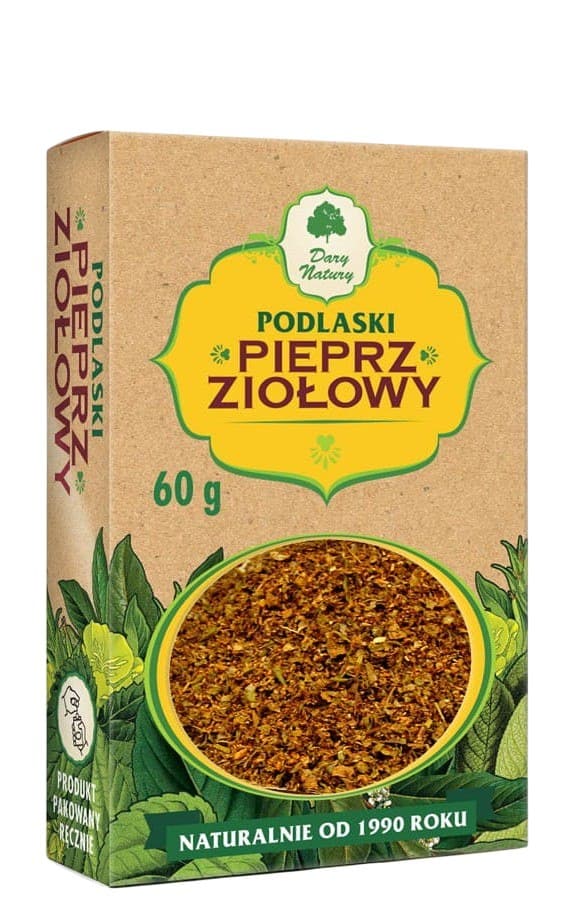
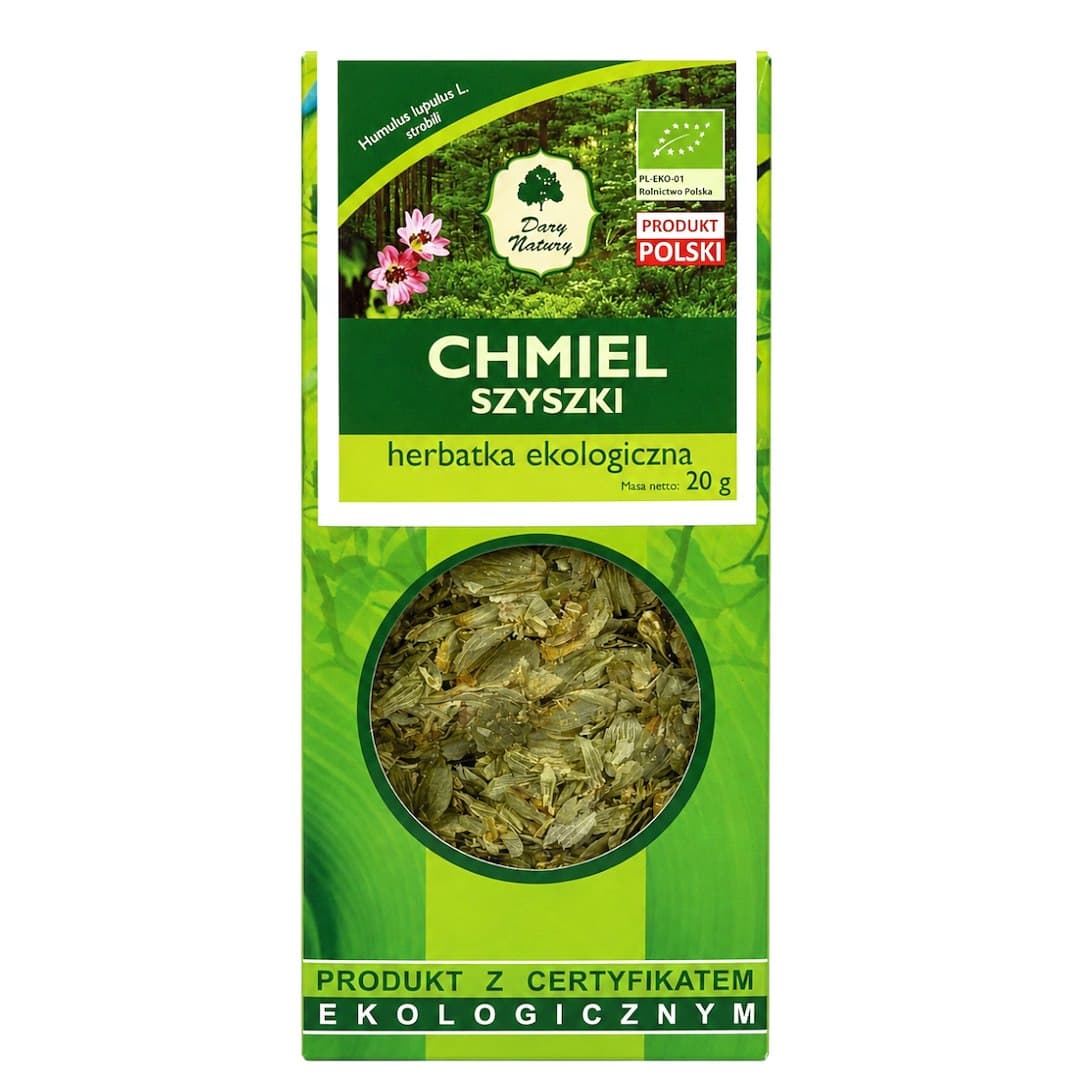
The accompanying product images therefore show different types of items rather than variations of the same product. Use the product name, packaging details and label to identify whether you are looking at a tea, herb, spice or fruit-based product. Compare contents and quantities according to what you are looking for, and read preparation or usage information where available. The product names provide an overview, but details about composition and labelling should always be taken from the relevant product packaging and full product information.