Dary Natury – tea and herbs for everyday life
Explore teas, herbs and other plant-based products with clear product information.


Our selection
Campaign products
30 products



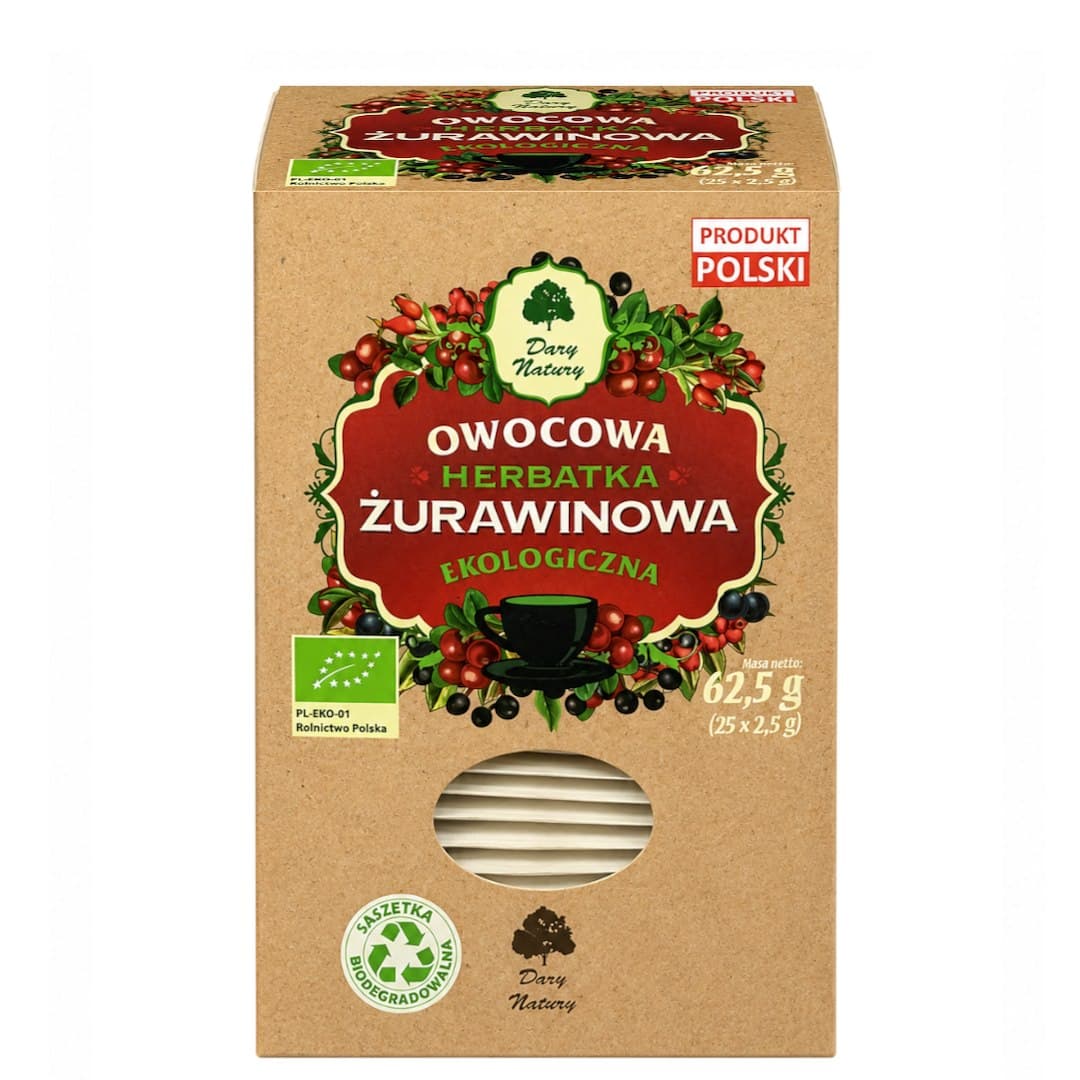
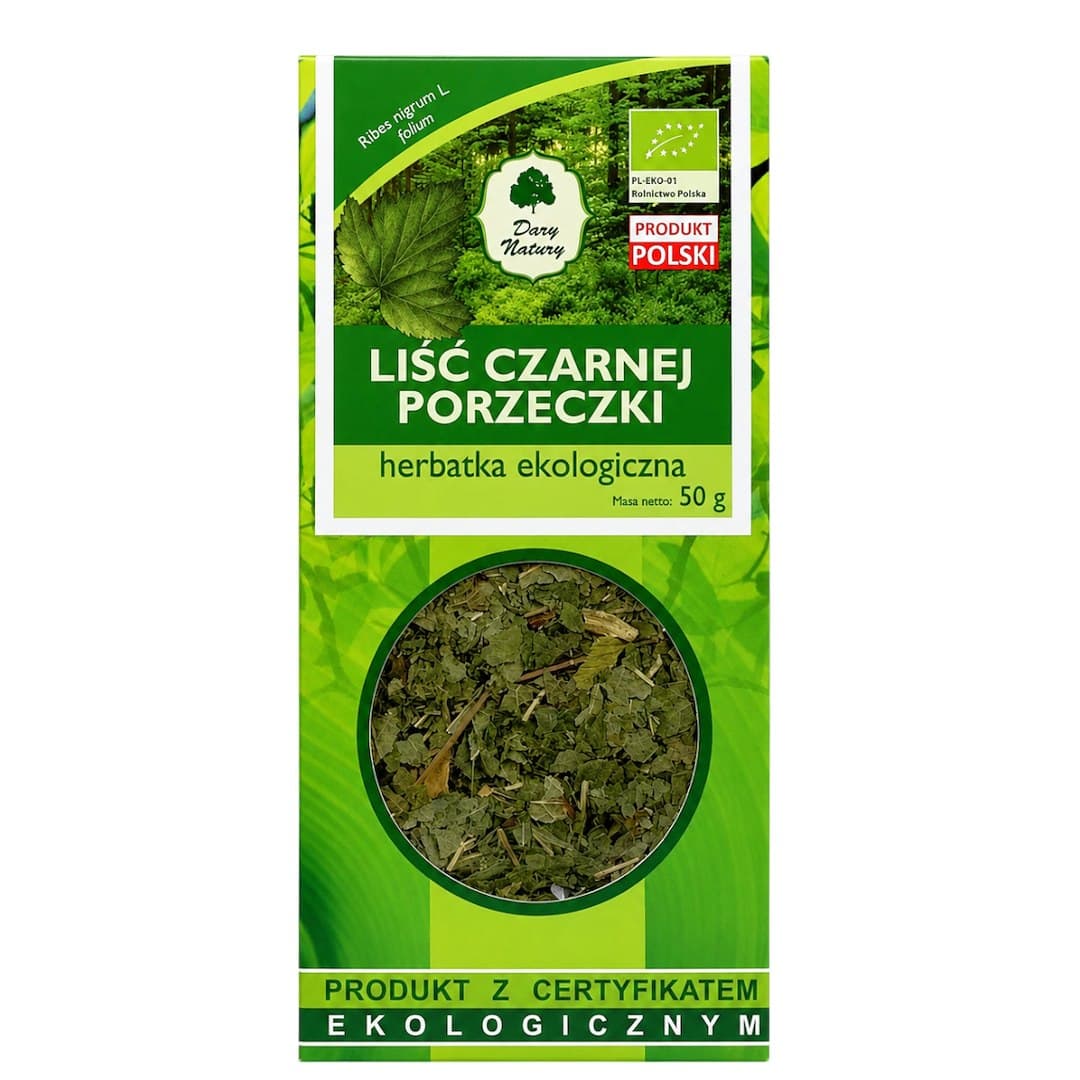
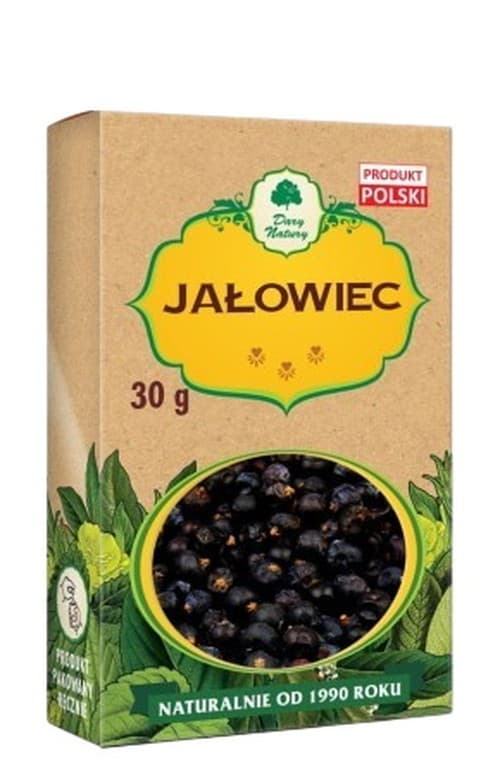
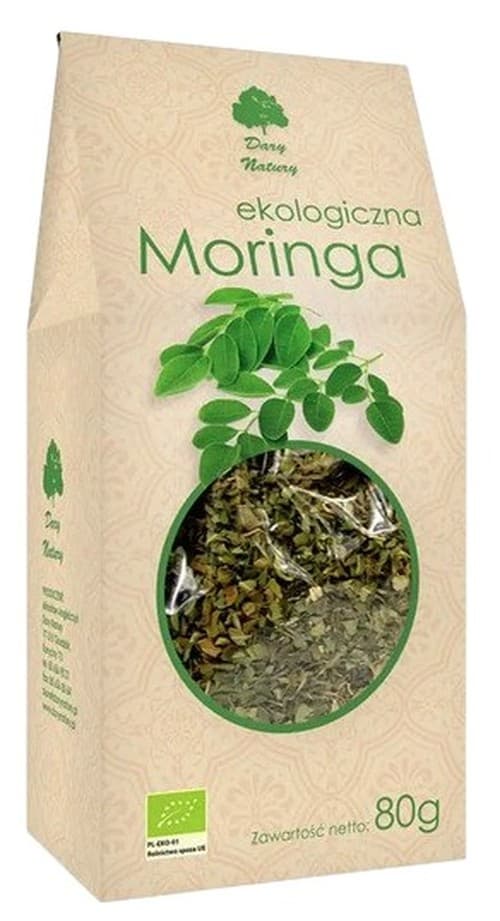
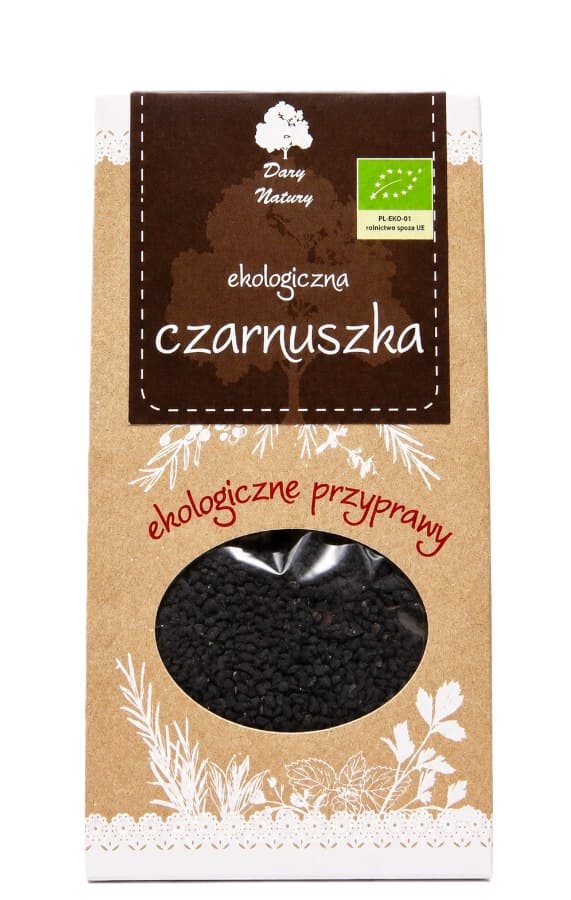
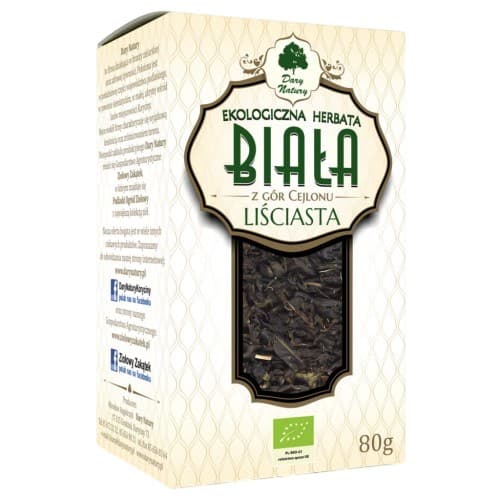
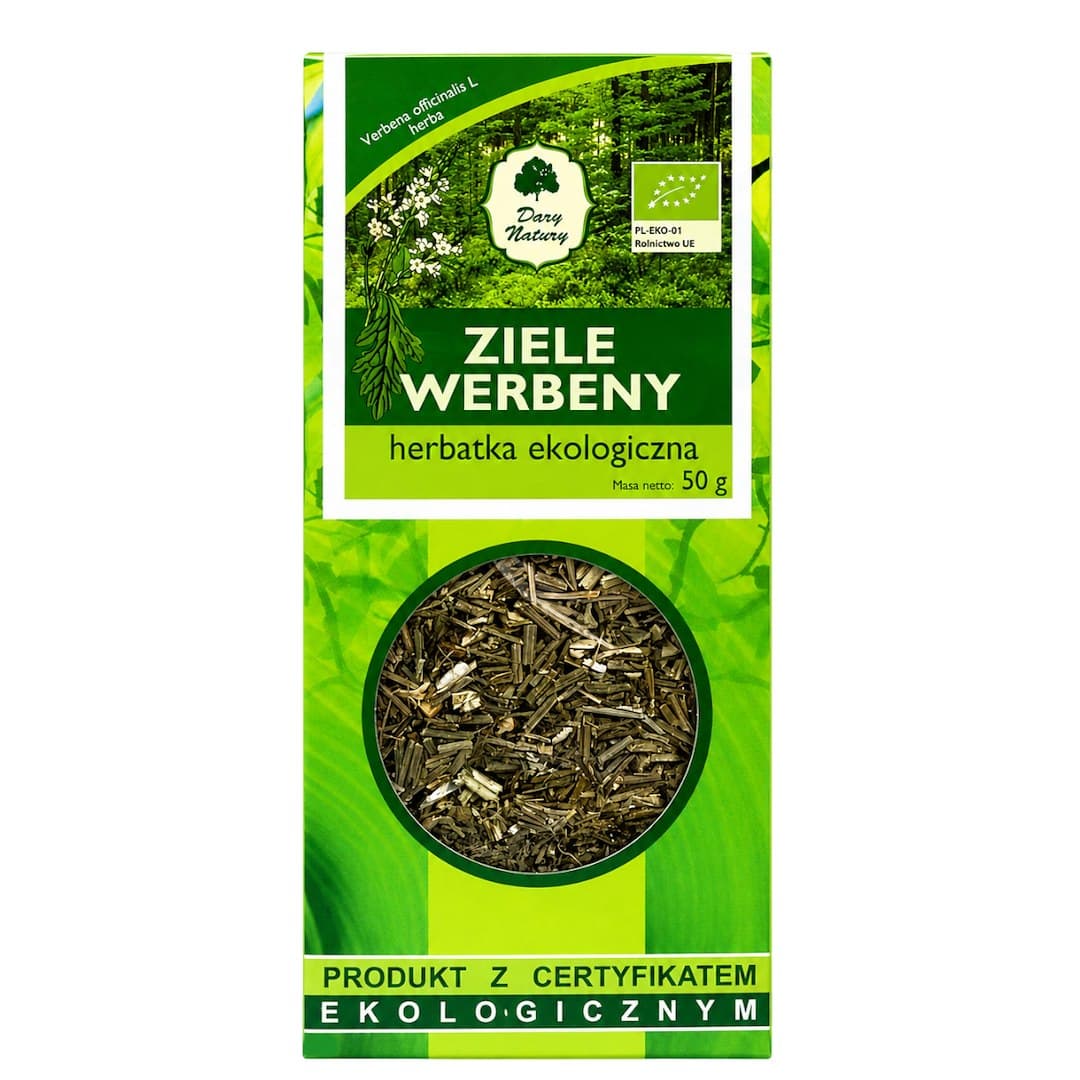
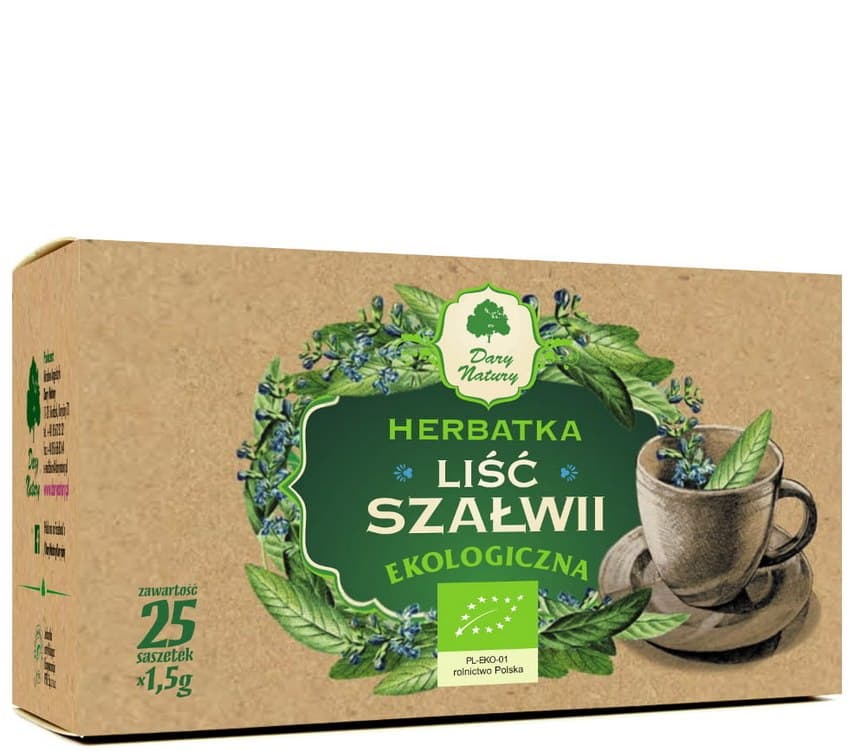
Find the option that fits your needs
Teas and herbs to choose from
Here you can get an overview of teas, herbs and other plant-based products from Dary Natury. The range includes both tea bags and loose-leaf tea, individual herbs, seeds, coffee alternatives and salt. If you are looking for something to enjoy on a quiet evening, you can start by comparing the teas’ ingredient lists and formats, without assuming that any particular product has a specific effect on sleep. Read product names and labels carefully, and choose based on the contents, quantity and how you would like to prepare or use the product.
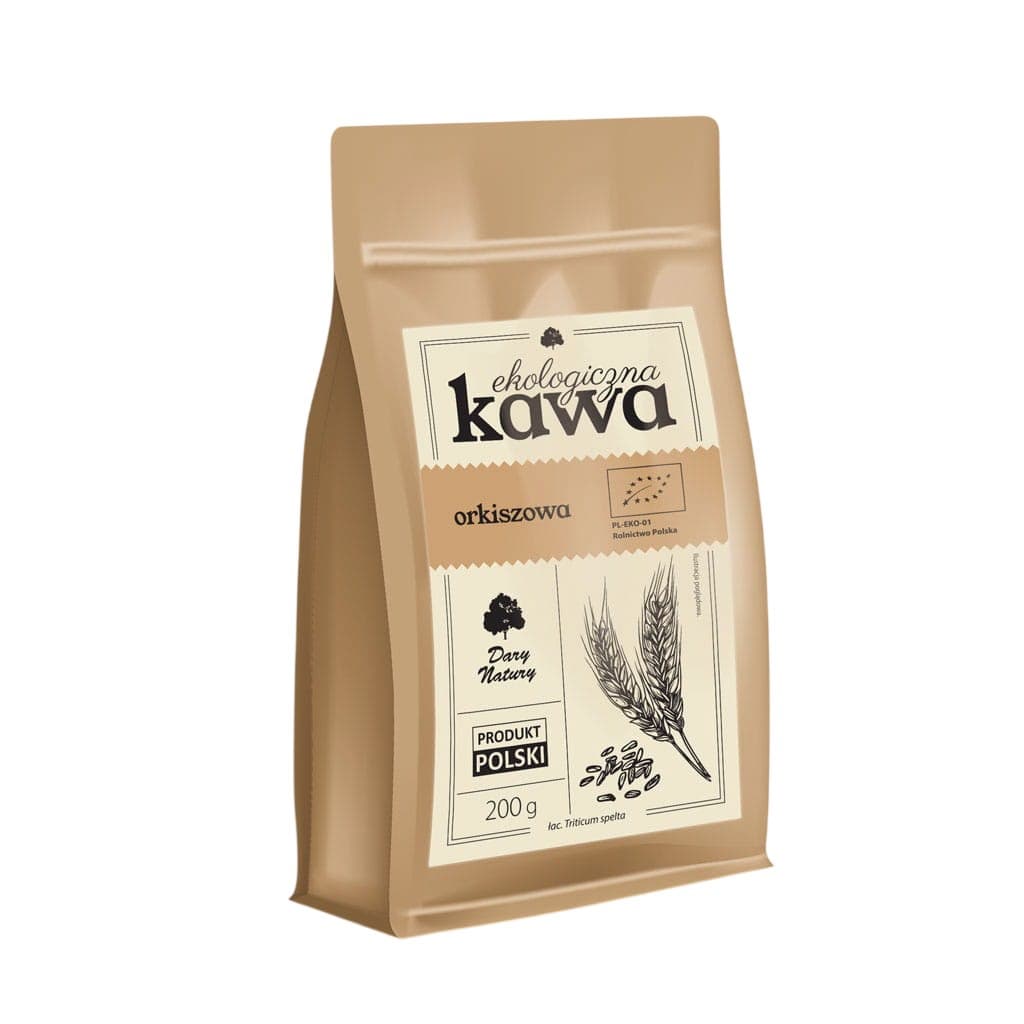
Finding the right product is often about practical preferences rather than grand promises. A tea bag can be easy to take with you and prepare, while loose tea lets you choose the amount yourself. An herb sold separately may be used differently from a ready-made tea blend, so always check the product instructions. The range also includes spelt coffee, acorn coffee, flax seeds and Himalayan salt. These products have different uses and can be compared based on their contents and pack size.
Different forms and varieties
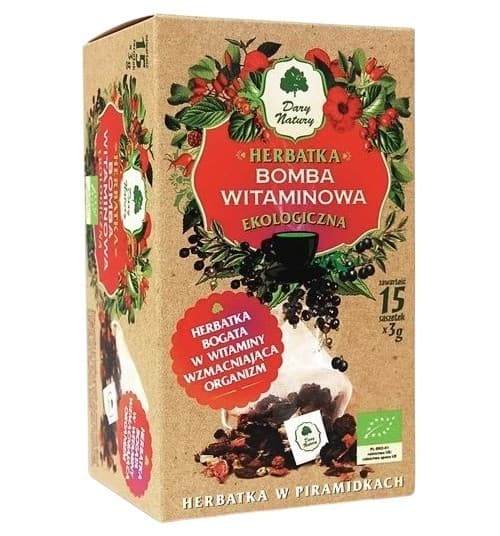
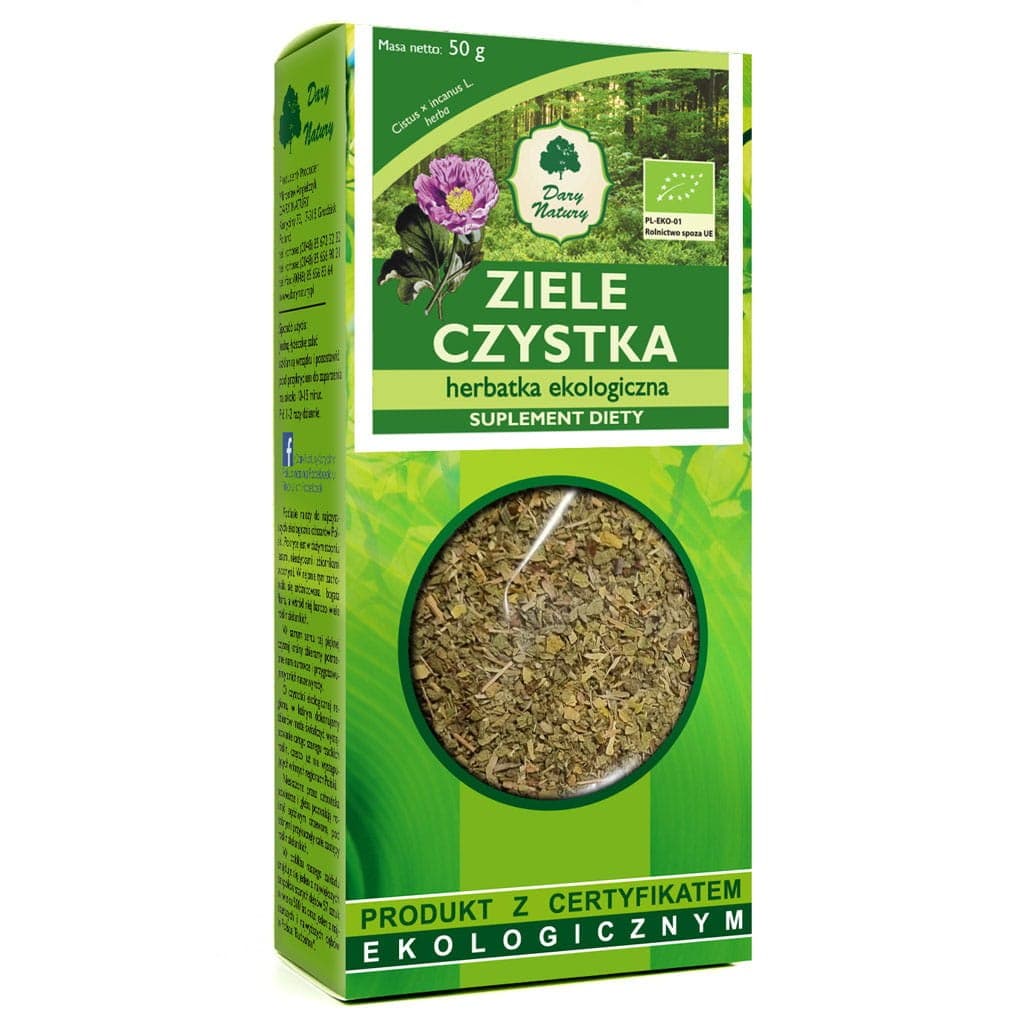
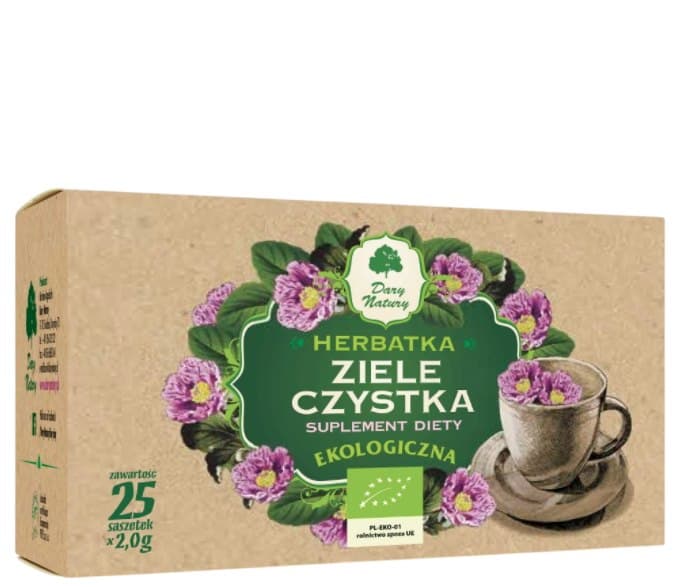
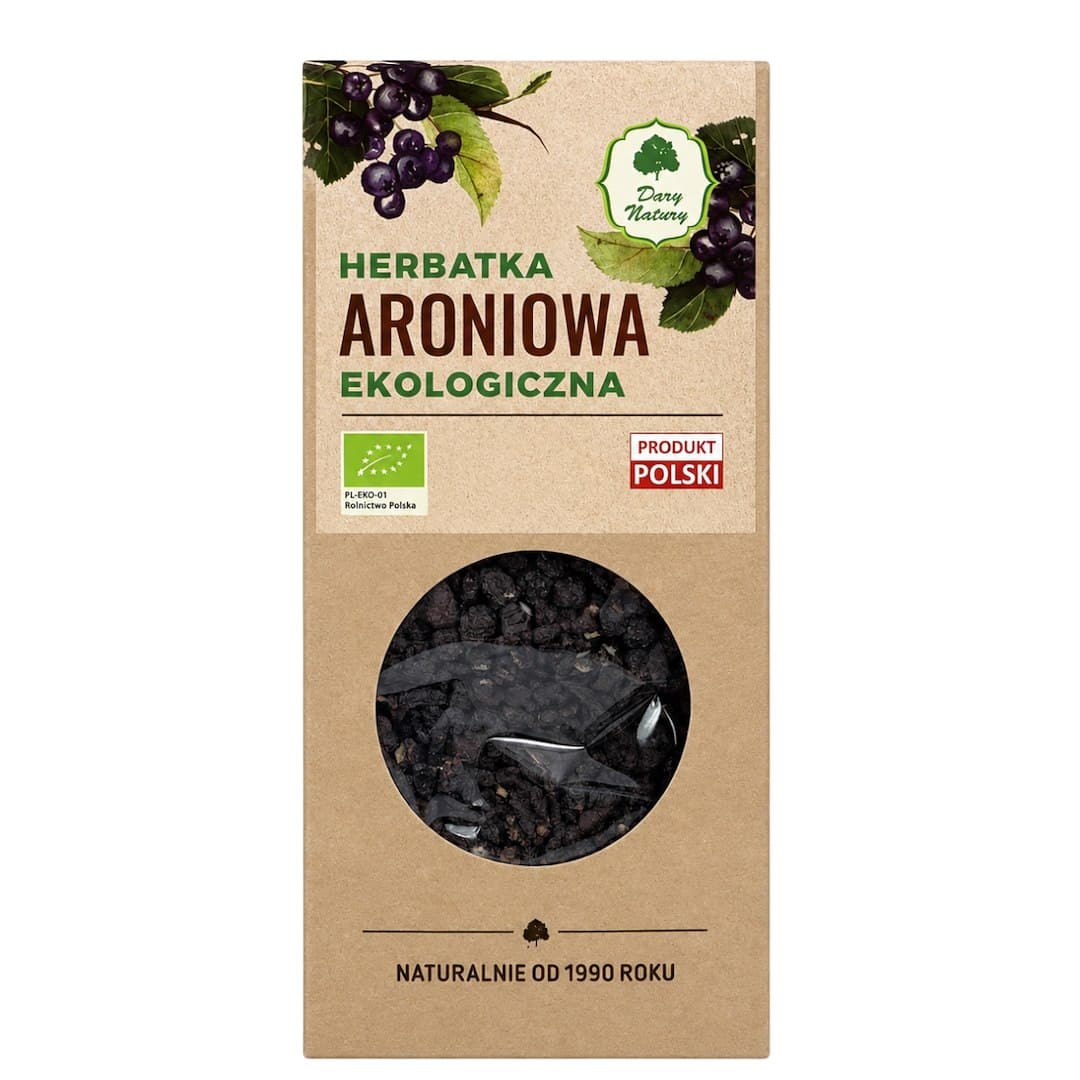
The range includes several tea products with different names and packaging formats. Organic Vitamin Bomb Tea Pyramids is listed as pyramids, and Healthy Lungs Tea Fix Organic as 25 bags of 2 grams each. Organic Cleavers Herb Tea is listed as 25 tea bags, while Organic Cistus Incanus Herb Tea and Organic Aronia Tea are listed by weight in grams. This information describes the form and quantity, but does not in itself indicate how the products taste or whether they are suitable for a particular person. For that, read the full product information and label.
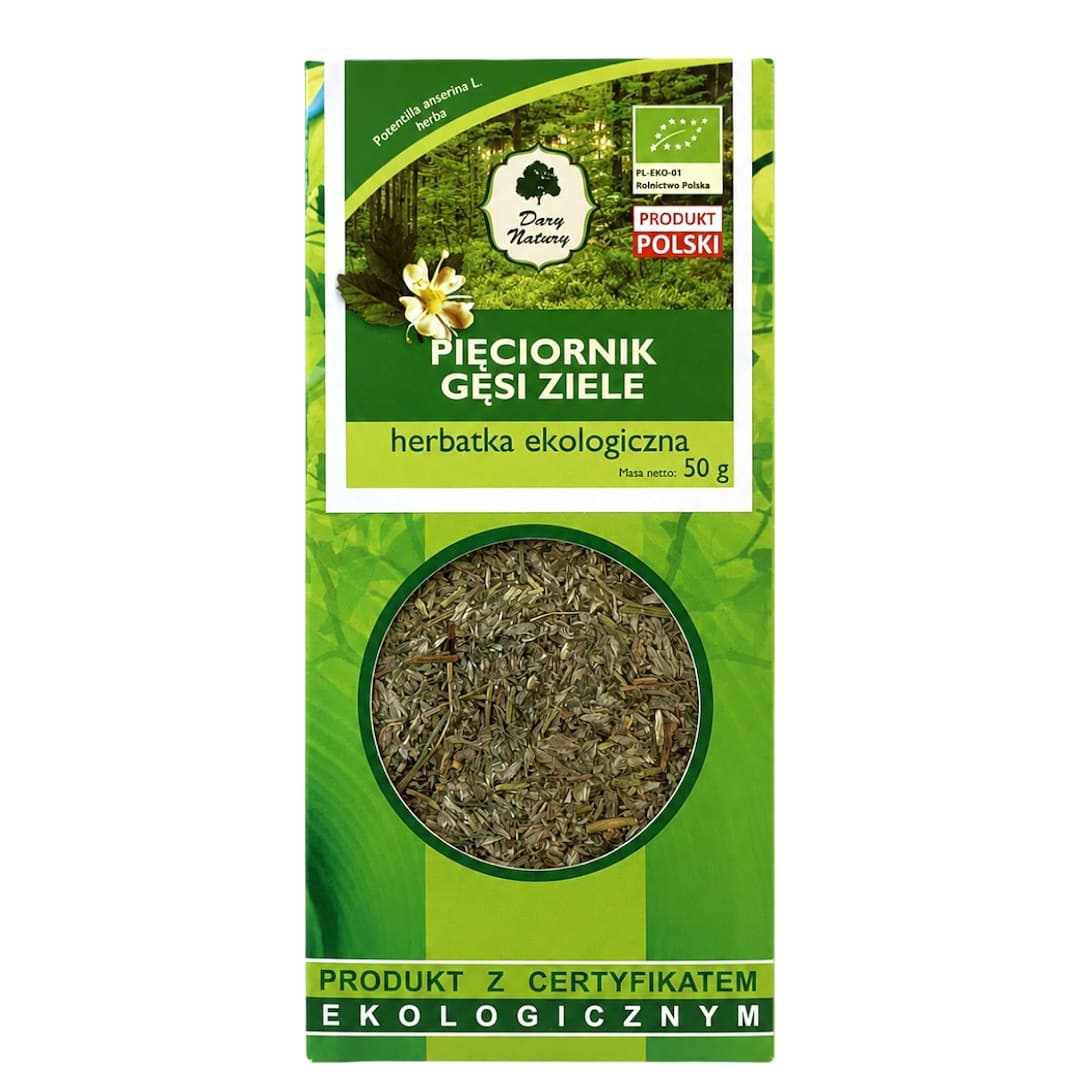
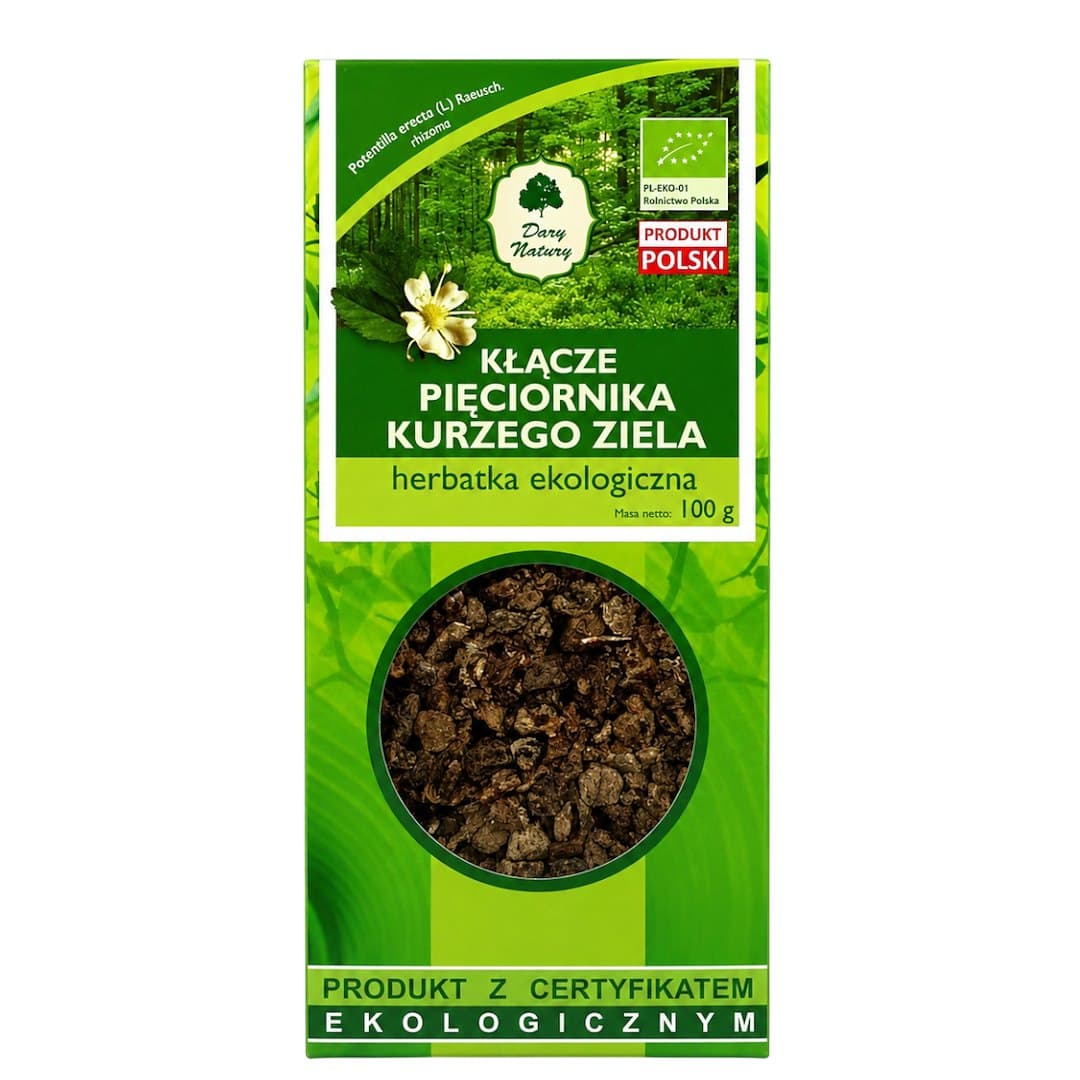
In addition to tea, there are individual herbs such as Soapwort Root, Goose Cinquefoil and Bird's Knotweed Herb. The range also includes flax seeds, two coffee alternatives and Himalayan salt. These products are not interchangeable with tea blends, even though several are plant-based. So start by identifying the type of product you are looking for: a ready-portioned tea, a loose herb, a seed, a coffee alternative or an ingredient for cooking.
What to compare on the label
The ingredients list is a good starting point when comparing teas. Check which plants are listed and whether the product contains a single herb or several ingredients. Names such as Organic Aronia Tea or Organic Cistus Incanus Herb Tea give you a clue about the product’s name, but do not replace the full ingredient information. Also check whether the contents are loose, in tea bags or in pyramids, and how much the pack contains. This makes the comparison concrete and helps you choose a format that suits your habits.
Also check the preparation and storage instructions on the packaging. These details may differ between products and should not be assumed just because two items are teas or herbs. If you are comparing a product labelled organic with another product, read the labelling on the specific pack you are considering. Do not assume that a label applies to the entire range or that the word in the product name gives you all the information you need. If you have questions about ingredients or use, the label and product-specific information are the right places to start.
Choose according to the occasion and preparation
For an evening routine, you can choose tea based on factors such as taste preferences, ingredients and ease of preparation. The campaign theme is sleep, but the products should not be regarded as sleep treatments or as guarantees of a particular effect. If you want a simple, pre-portioned option, you can compare the teas sold in bags. If you prefer to handle the quantity yourself, a loose product may be more suitable. Always follow the instructions on the relevant packaging, and do not adapt your use based on assumptions about other products.
Also consider when and how the product will be used in your daily life. A pack containing several tea bags may suit you if you want ready-portioned servings, while an herb in a gram-weight pack may be an option if you are looking for a different form. You cannot draw conclusions about taste, strength or preparation from the product name alone. So compare the information that is actually available, and rule out products whose ingredients or instructions do not suit your needs. If you have specific questions about herbs, diet or medicines, you can consult a healthcare professional.
Tea, herbs and other plant products
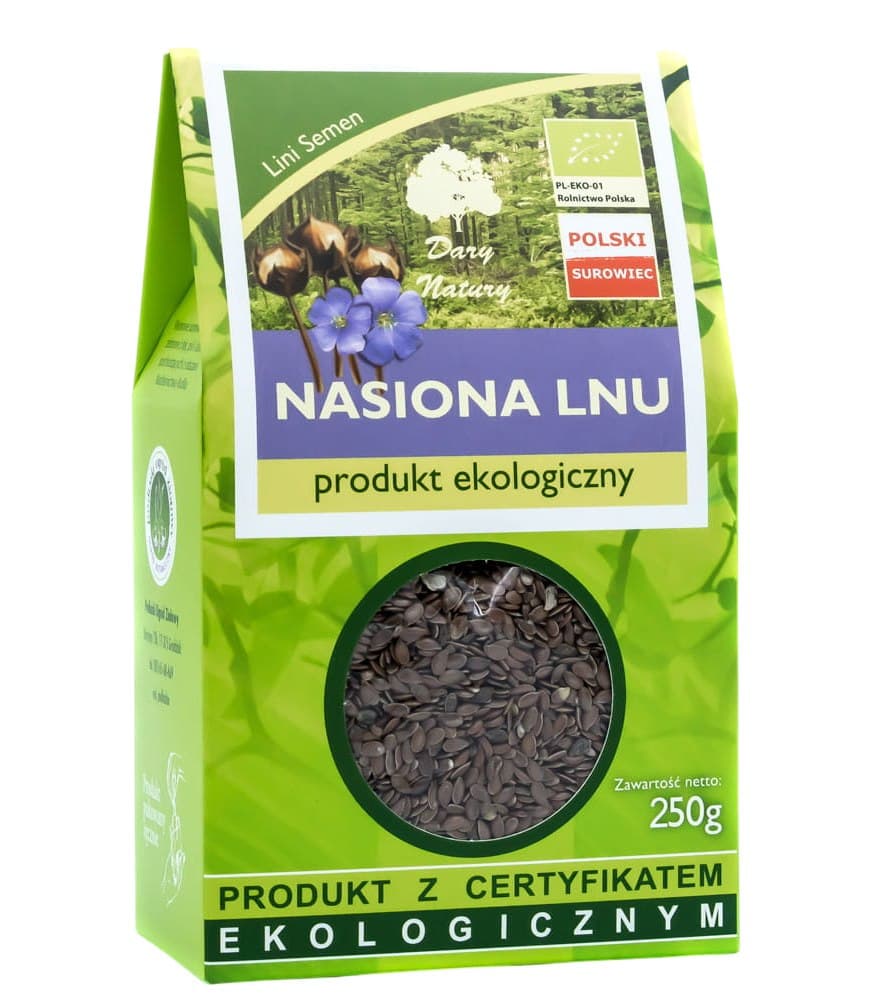
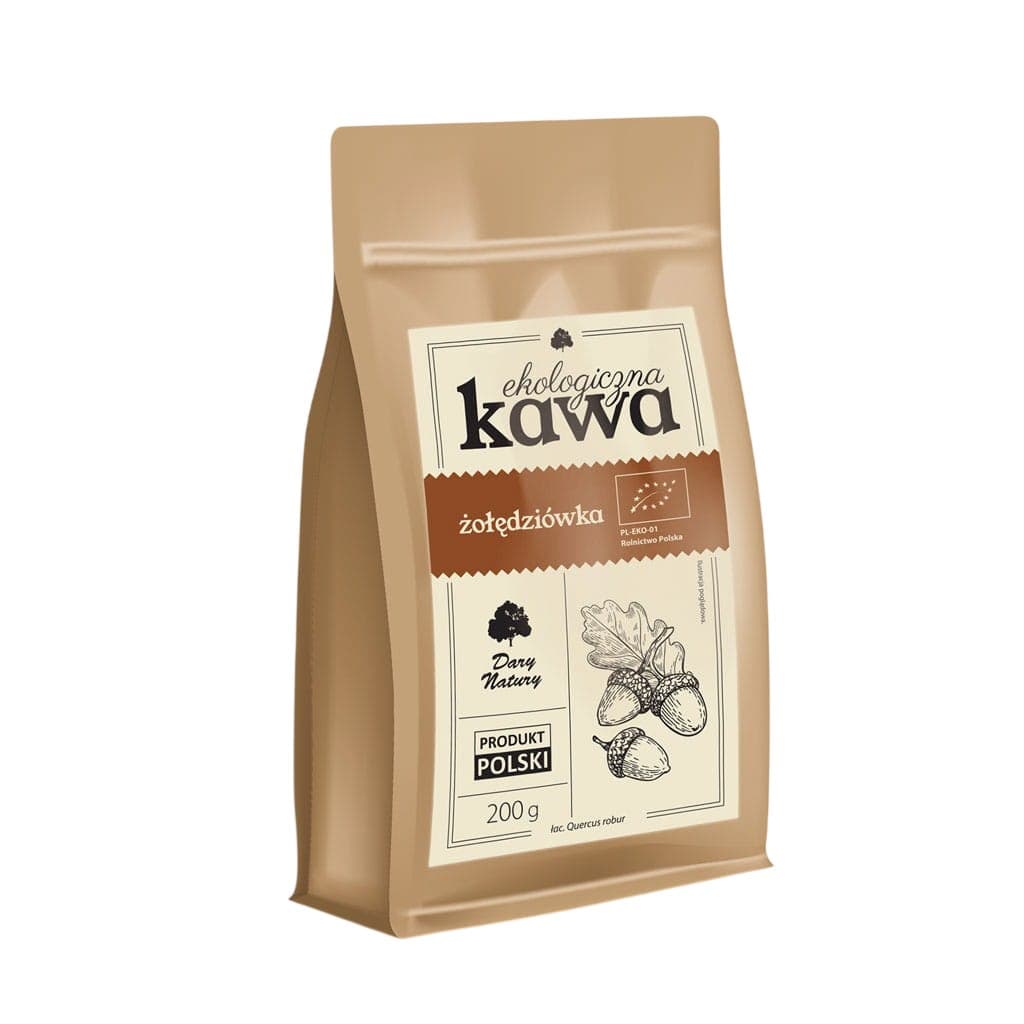
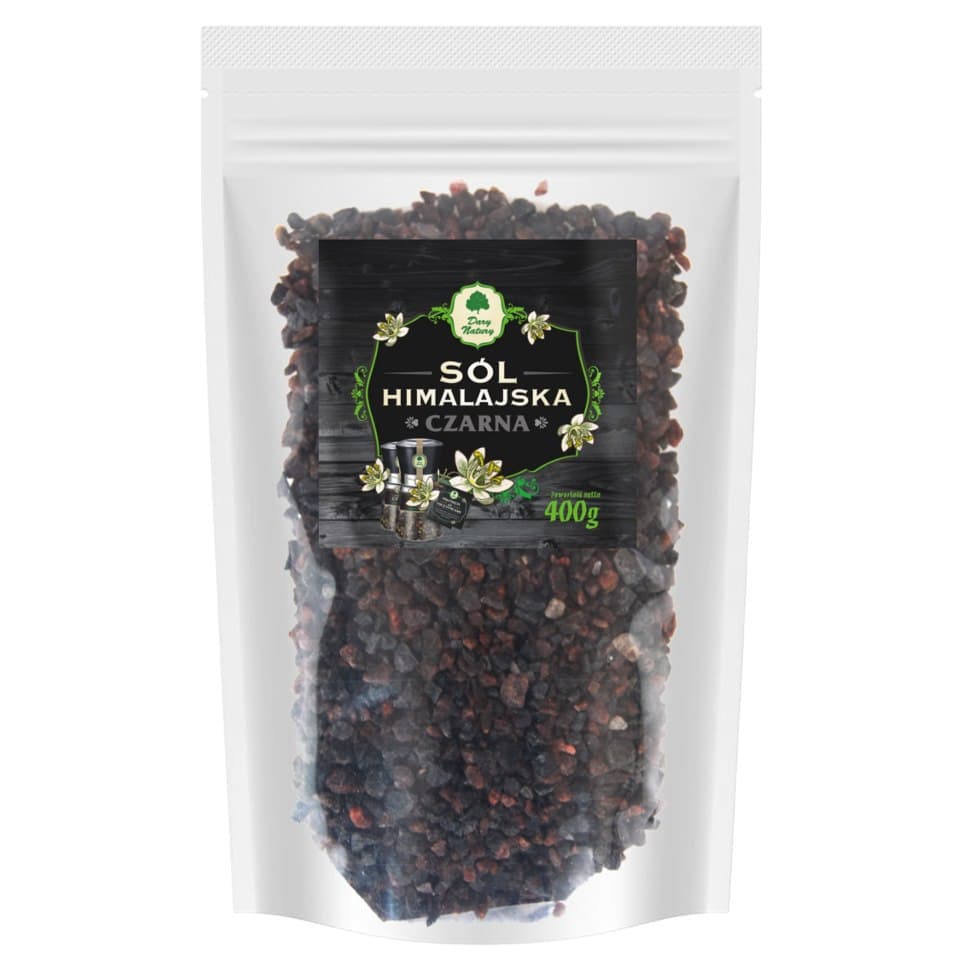
Several of the products are teas or herbs, but the range includes more than drinks. Flax Seeds are flax seeds, while Organic Spelt Coffee and Organic Acorn Coffee are coffee products with spelt and acorn, respectively, in their names. Himalayan Black Salt is salt. It is useful to distinguish between these categories when reading the product list, as they have different forms and uses. A product category does not in itself indicate a health effect. Instead, read the contents, quantity and instructions for the individual item.
There are also differences in naming and presentation among the teas. Some names highlight a particular herb, while others describe a blend or type of tea. The product names Healthy Lungs Tea Fix and Vitamin Bomb Tea Pyramids are product names and should not be interpreted as promises of medical effects or nutritional content. For an objective comparison, it is better to check the ingredients list, serving format and information on the packaging. If you are looking for a particular ingredient, check that it is actually listed on the label and note whether other ingredients are included.
Practical selection criteria
Pack size is a simple way to compare products, especially when two options have similar formats. This range includes, among other quantities, 25 tea bags, 25 × 2 grams, 45 grams, 50 grams, 100 grams, 200 grams, 250 grams and 400 grams. These quantities apply to different types of products and are therefore not always directly comparable. Consider the quantity alongside the product’s form and instructions for use. If you want to compare the price per quantity, you also need to take into account differences in contents and use.
Another practical factor is how the product should be stored and how soon it should be used after opening. Follow the packaging instructions on storage and shelf life, as this information cannot be determined from the product name alone. Also check whether you recognise and want to use the listed ingredients. For a product containing several plants, it may be particularly important to read the full ingredients list. Do not choose a product solely because its name suggests a particular use; let the actual labelling and your own preferences guide you.
A balanced evening routine
An evening routine can consist of several everyday choices, and a cup of tea can be part of it if you enjoy tea. If sleep problems recur or affect your daily life, it may be wise to seek advice from a healthcare professional. If you want to choose a drink for the evening, taste, caffeine information where provided, ingredients and preparation method are more useful points of comparison than unsubstantiated expectations about effects.
Keep your routine simple and choose things that feel practical and suit your habits. Read the label before use, especially if you have allergies, are pregnant, are breastfeeding, take medicines or have questions about a particular herb. Product information can help you understand what the pack contains, but it does not replace individual advice. If you are choosing between several teas, you can compare them side by side: ingredients, quantity, serving format and instructions. This makes the choice clear without attributing properties to the products that are not supported by the available information.
How we selected the products in the campaign
The selection brings together products from Dary Natury, allowing you to compare teas, herbs and related plant-based goods. It includes tea in bags, pyramids and packs labelled by weight in grams, as well as individual herbs such as Soapwort Root, Goose Cinquefoil and Bird's Knotweed Herb. Organic Spelt Coffee, Organic Acorn Coffee, Flax Seeds and Himalayan Black Salt are also included. The connection to the sleep theme is that the products can be explored as part of everyday choices and routines, not that any of them are claimed to affect sleep.
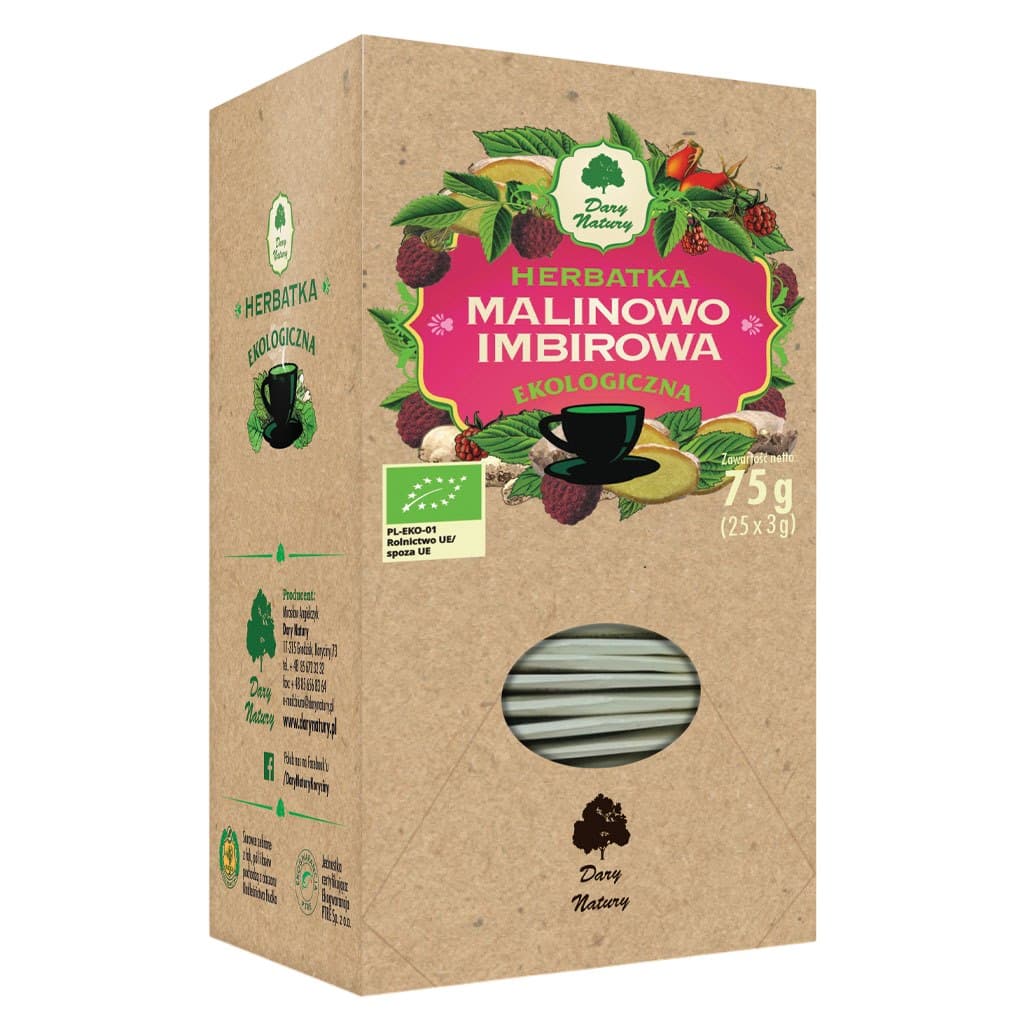
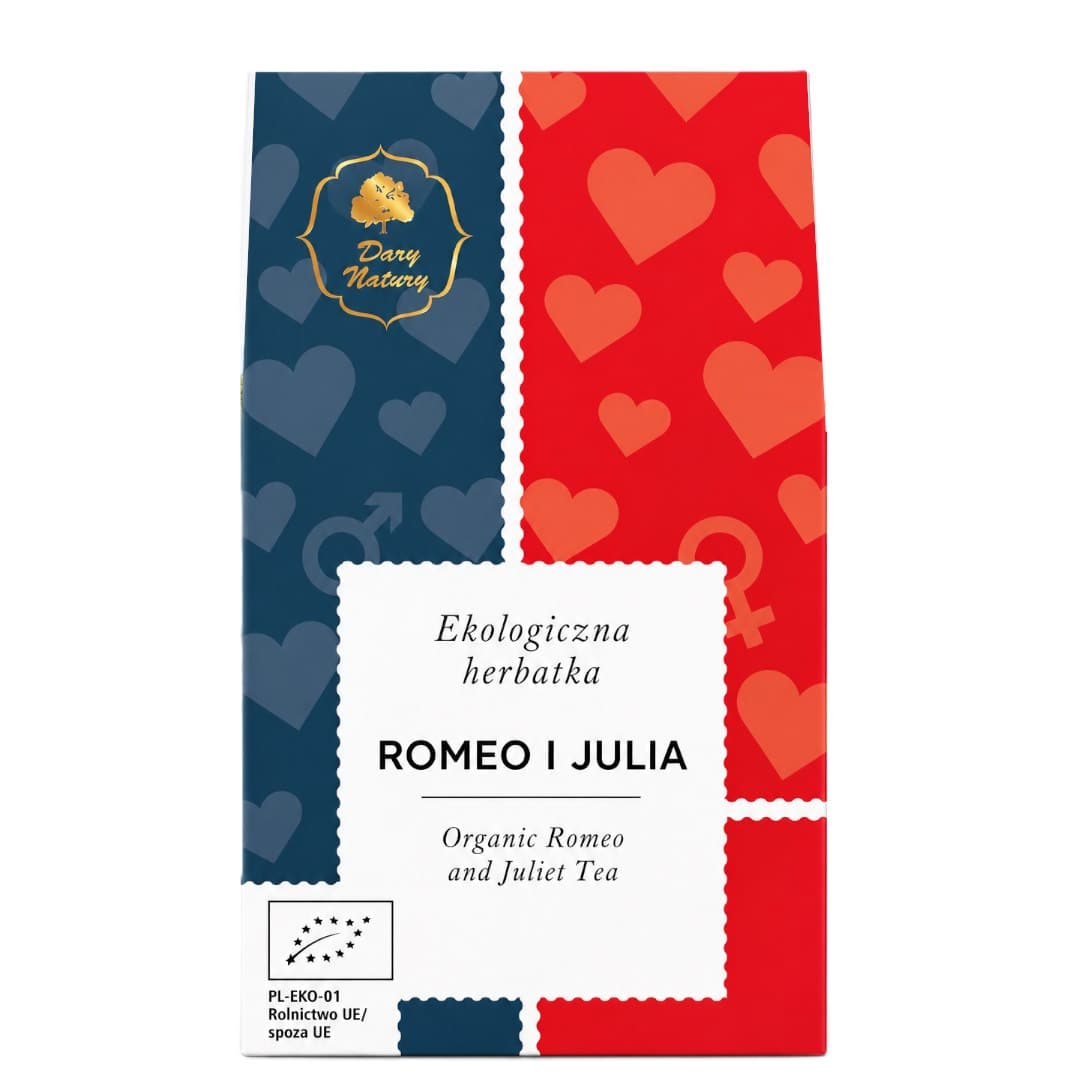
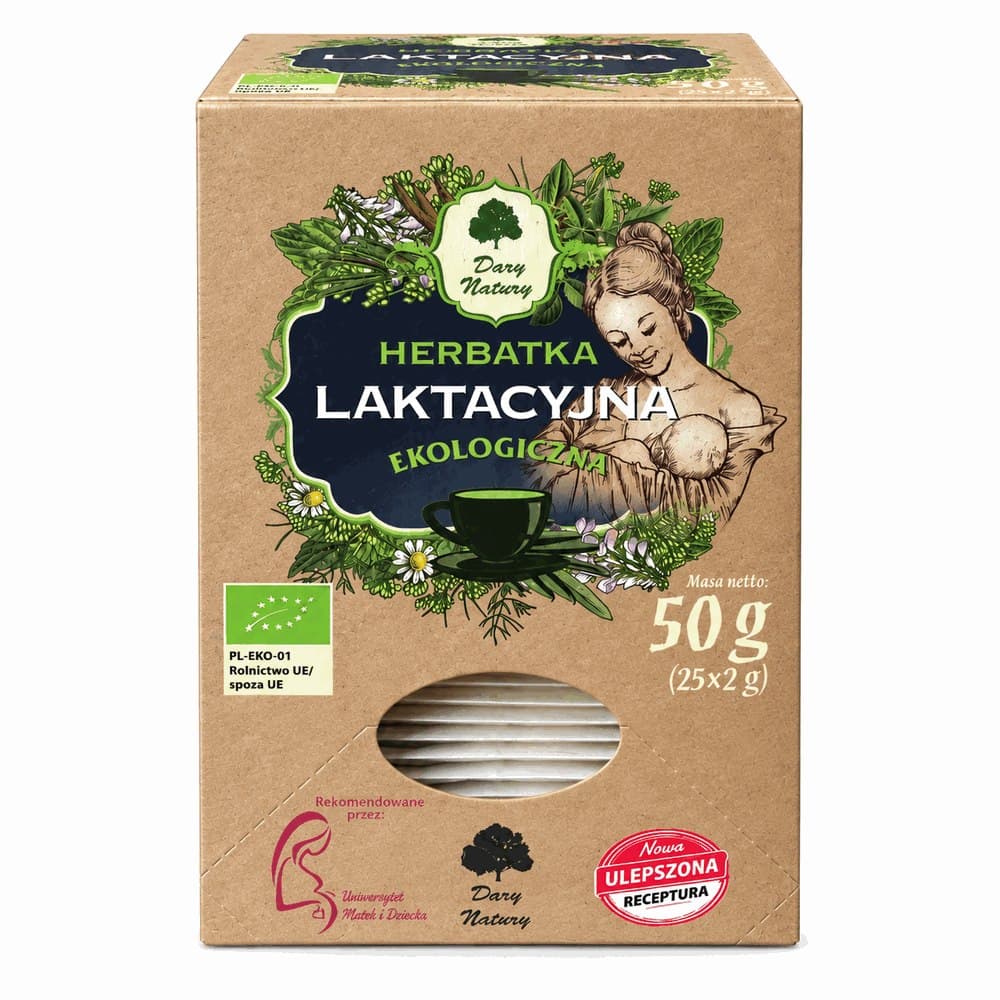
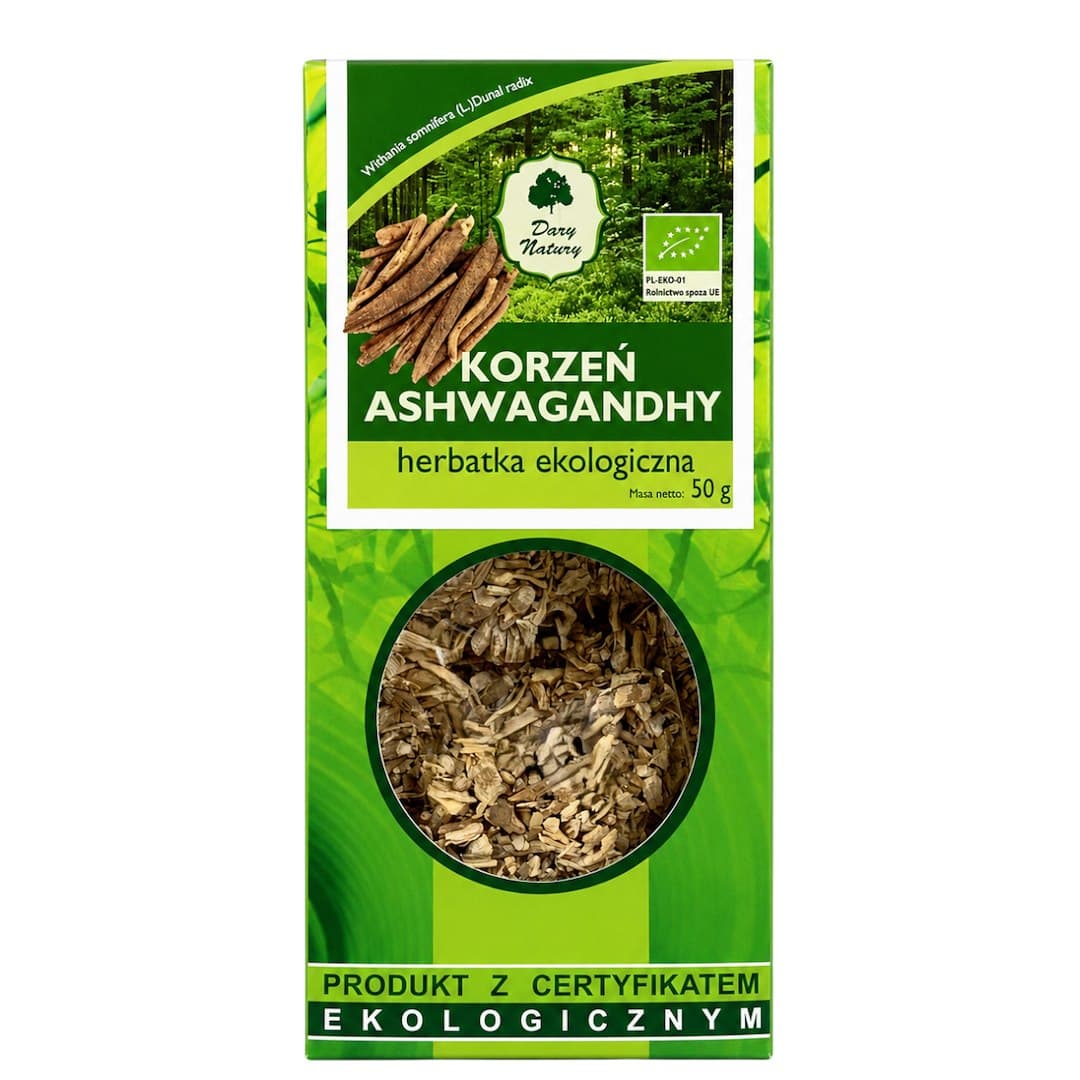
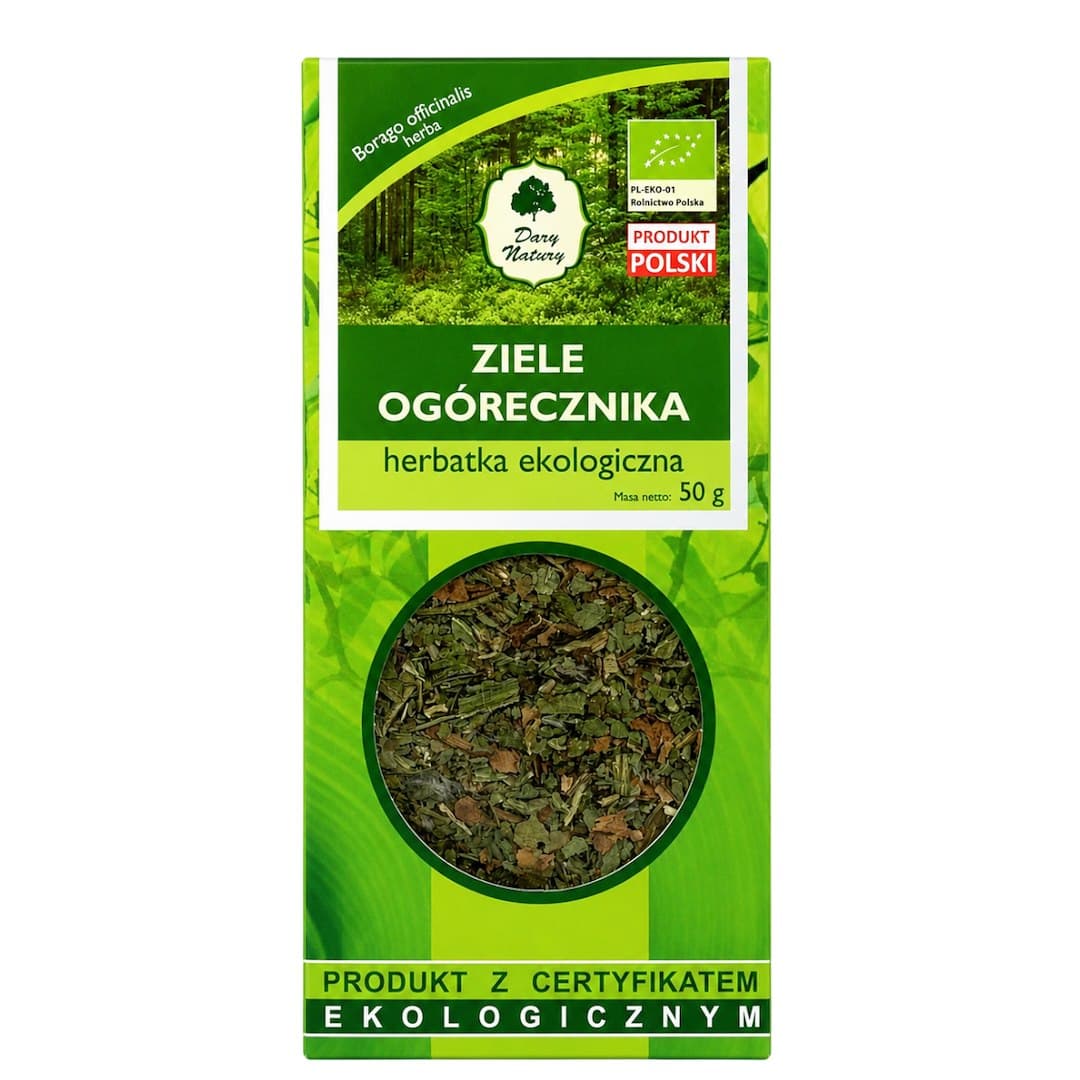
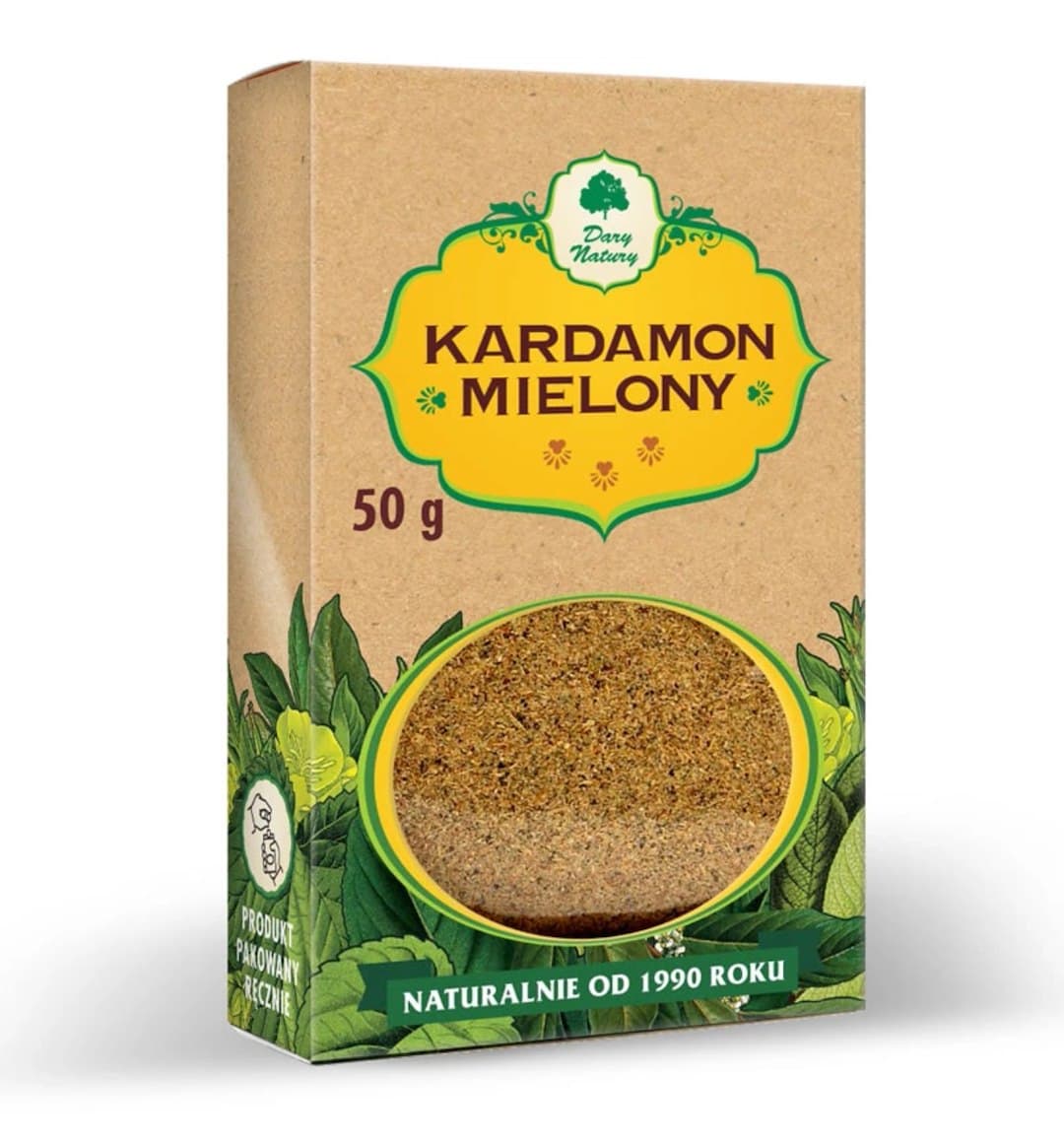
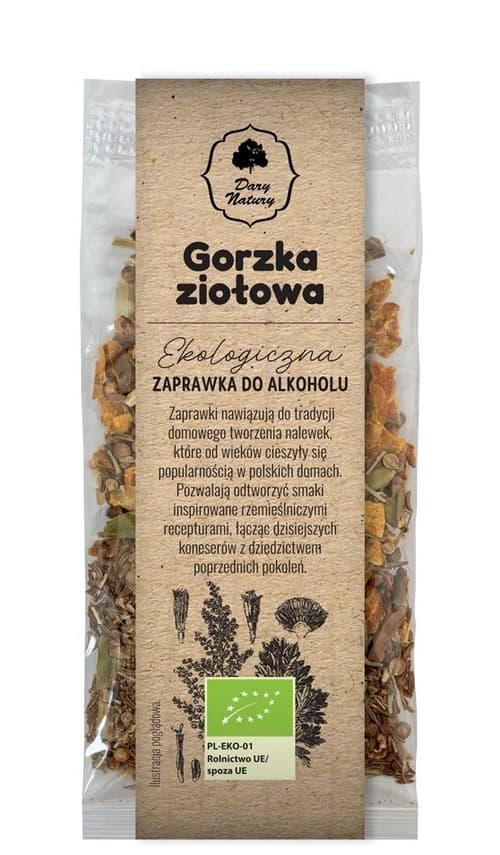
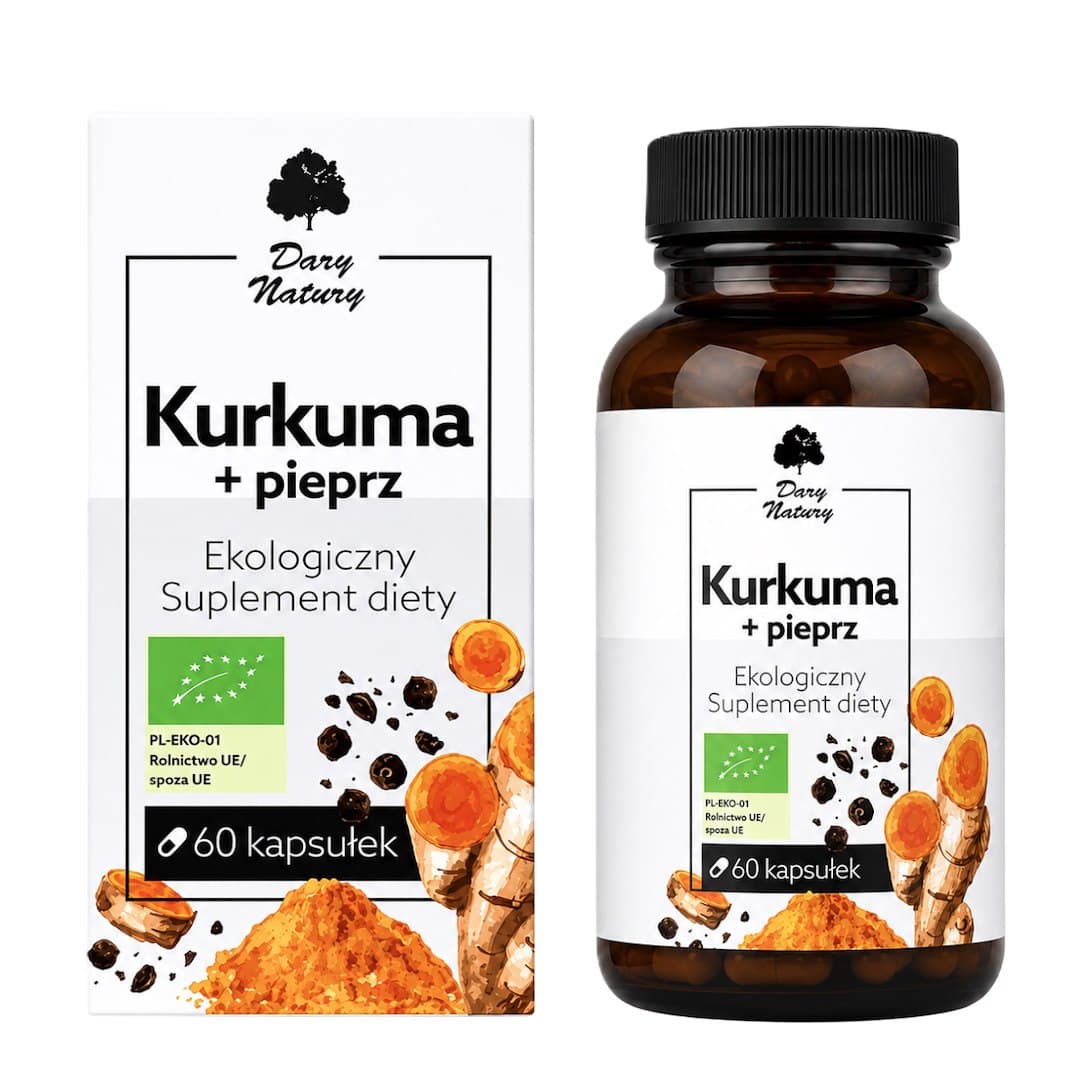
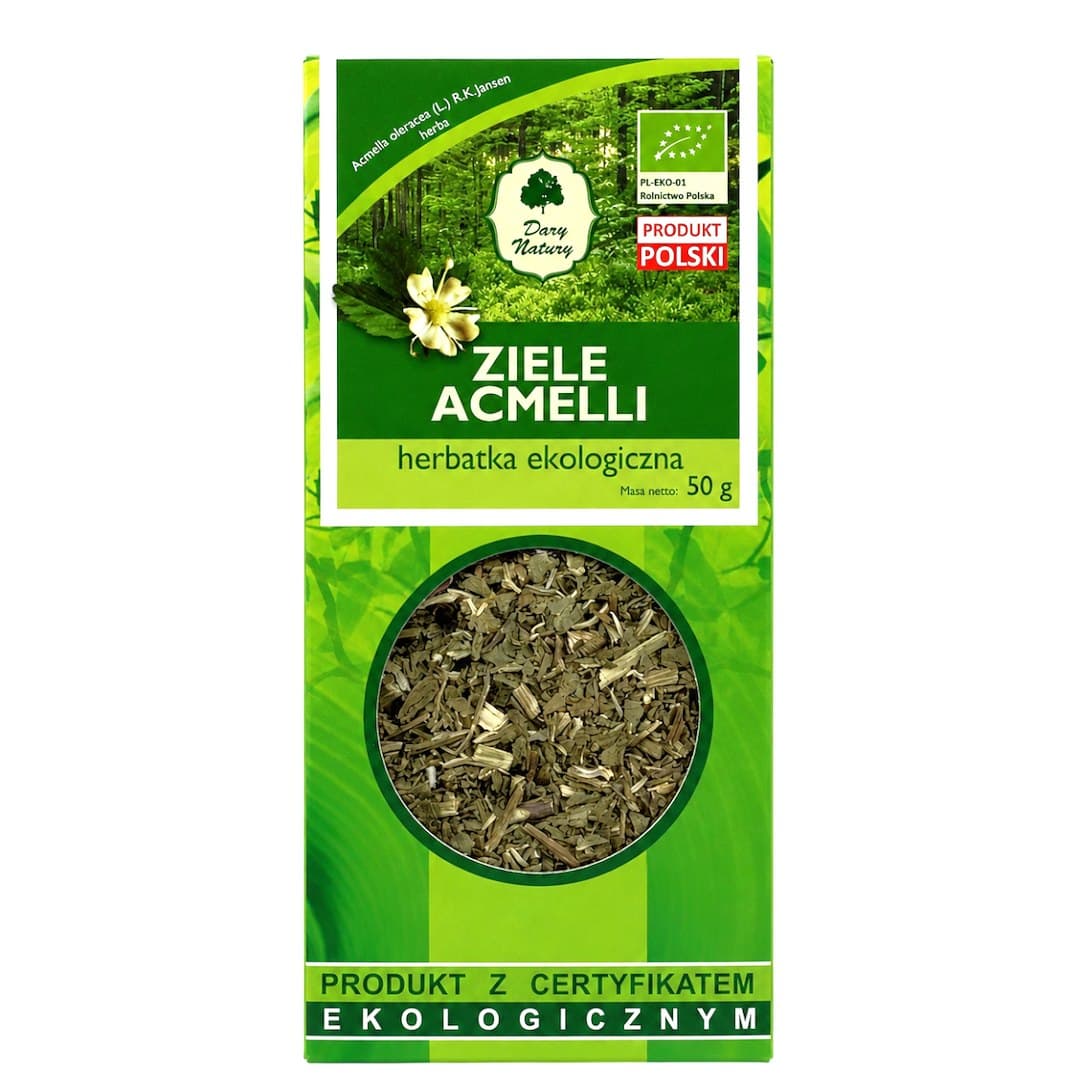
The product images shown therefore represent a mixed range rather than a collection of products with the same function. Use the product name, ingredients list, stated quantity and label to understand what each item is and how it differs from the others. If you are looking for tea, compare the teas’ formats and contents. If you are instead interested in an herb, seed, coffee or salt, refer to the product’s own category and instructions. This makes the campaign selection easier to browse and compare on an objective basis.