Life Extension and folate
An objective guide to folate, product labels and choices in the beauty category.
1 selected products
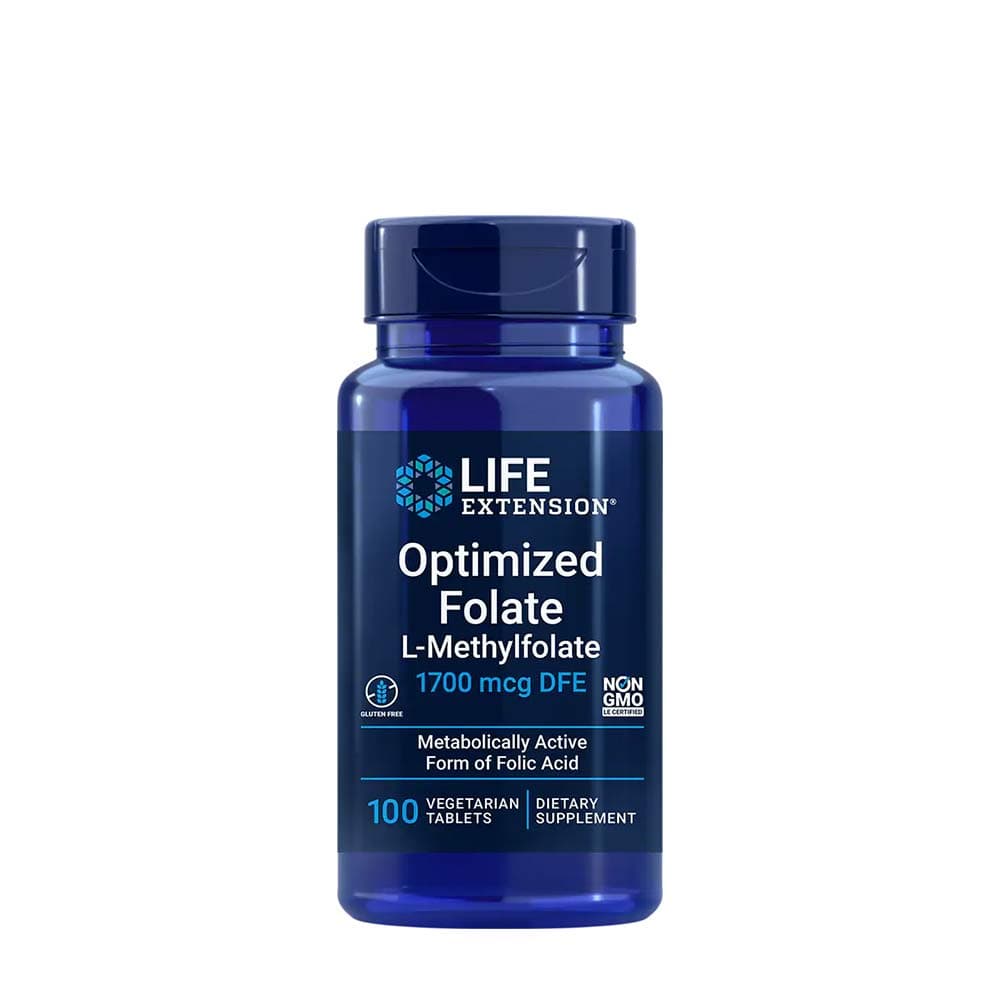
Our selection
Campaign products
Find the option that fits your needs
Folate in the beauty category
Here you’ll find an objective introduction to folate and guidance on reading product information when choosing a product in the beauty category. Folate is the name for a form of vitamin B9, while folic acid is another form often found in food supplements. The terms may therefore appear differently on labels. The current selection includes one product: Life Extension – Optimized Folate, 1700 mcg, 100 Vtabs. The product name and stated details provide a starting point for comparison, but do not in themselves indicate a personal need or a particular effect.
Beauty is used here as a category label, not as a promise of results for skin, hair or nails. EU rules restrict the health claims that may be used for foods and food supplements, so this guide makes no such claims. Instead, it focuses on terms and quantities that can be checked on the product label, pack size and practical considerations that suit your preferences. Always read the information on the current packaging before use, as product details may change.
What is meant by folate?
Folate is a collective term for different forms of vitamin B9. Folic acid is often used to refer to a particular form, including in supplements and fortified foods. A label may state folate, folic acid or a more specific name for a form of folate. It is therefore sensible to read the full ingredients list rather than relying on the product name alone. If two products use different terms, the label can help you see what they actually contain and how the quantity is stated.
The available information does not specify which form of folate is used or how the stated amount relates to any reference amount. Do not draw conclusions about this from the name. Check the ingredients list, nutrition declaration and other mandatory information on the packaging. If you have questions about how a product fits into your diet or need advice about nutrient intake, consult a healthcare professional.
Forms and product variants
Folate supplements may come in different forms, such as tablets, capsules or liquids. The form describes how the product is presented, but does not on its own determine whether it is suitable for a particular person. Size, texture, number of units and label instructions may be more relevant in everyday use. The product name in this campaign includes the designation Vtabs and a pack size of 100. The campaign information does not provide a more detailed definition of Vtabs, so the designation should not be interpreted as referring to a particular tablet type or feature unless supported by the packaging text.
Always check the physical product information if you want to know exactly what a designation means. Look for whether the product is labelled as a tablet, capsule or another form, and read the storage and use instructions. If you are comparing several variants, you can also note the number of units in the pack and the amount per unit, where this information is provided. Only one product is shown in the current selection, so the comparison is mainly about understanding its labelling and deciding whether the format suits your practical preferences.
How to read the stated amount
The abbreviation mcg means micrograms and is used to indicate a small amount. The product name states 1700 mcg, but the campaign information does not make clear whether this figure refers to one tablet, a recommended daily serving or something else. Check the serving size and amount per serving on the current label. It is also important to distinguish between the amount of an ingredient and the total weight of a tablet or capsule, as these figures describe different things.
When comparing amounts between products, use the same basis, such as the amount per tablet or the amount per stated serving. Also check whether the serving consists of one or more units and whether the label states a percentage of a reference value. This information can make comparisons easier to understand, but should not be used to draw conclusions about individual needs. If the amount stated online differs from the packaging, the information on the current packaging is the most important to check before use.
What you can compare on the label
Start with the ingredients list and look for the form of folate stated. Then read the nutrition declaration or equivalent information to see how the amount is presented and which serving it applies to. Also check excipients and other ingredients if you need to avoid anything in particular. The product name can be useful for finding an item, but it does not replace the full labelling. When comparing products from different manufacturers, it is especially important to review the information in the same way rather than comparing only the prominent figures.
The label may also include information about the number of units, storage, best-before date and directions for use. Read these details before purchase and again before using the product. For the product shown, the name states 100 Vtabs, but the campaign information provides no further details about ingredients, excipients or storage requirements. These details should therefore be checked on the current packaging. If the labelling is difficult to interpret or you have specific dietary needs, a pharmacist or another qualified healthcare professional can help clarify your questions.
Practical selection criteria
A practical choice can start with the format: do you prefer a particular type of preparation, and is the pack size manageable for you? Next, consider whether the label instructions and information are clear and whether the ingredients list suits your needs. The number of units in a pack can make it easier to compare products, but does not by itself indicate how long a pack will last. That depends on the serving size and use stated on the label, which are not specified in the campaign information for this product.
Also consider what information you need to feel confident about your choice. This might include clarity about the form of folate, amount per serving, other ingredients or how the product should be stored. Avoid choosing based on assumptions about beauty results or a promised effect; such conclusions cannot be drawn from a product name or category placement. If you are pregnant, take medicines, have a medical condition or have questions about supplements in your circumstances, consult a healthcare professional before starting to use a product.
Beauty as a category – without promises of effects
Beauty is often used as a broad category label for products grouped alongside topics such as skin, hair and personal care. This kind of placement describes how products are organised, not what an ingredient does in the body. For folate products, it is therefore better to distinguish between the category and the verifiable information on the label. Check what the product contains, how the amount is stated and what instructions the manufacturer provides. This article does not attribute any effect on appearance or wellbeing to folate.
If you are looking for information about a specific nutrient, you can use the label as a source of facts about the product’s contents while distinguishing it from general claims. A category page or product name does not replace this information. For questions about nutritional needs, diet or health, individual guidance from a healthcare professional is a better basis than drawing conclusions from a beauty label.
How we selected the products in the campaign
The campaign selection includes one product: Life Extension – Optimized Folate, 1700 mcg, 100 Vtabs. Its connection to the theme is folate, as indicated by the product name, while its placement in the beauty category provides the context for its presentation. The selection should not be read as an assessment of the product’s effects or as a recommendation for a particular need. The information here is limited to what is stated in the product name and campaign materials; further details about contents and use should be checked on the current packaging.
The accompanying product image makes it possible to identify the item in question, while the product label provides the information needed for closer examination. Look particularly for the exact form of folate, amount per serving, ingredients list and directions for use. As the selection includes only one product, it does not compare several folate variants. Anyone wishing to compare alternatives can use the same checkpoints on other products’ labels and assess the format and pack details according to their own practical preferences.