NOW Foods for different needs
Compare contents, form and labelling to make an informed choice.


Our selection
Campaign products
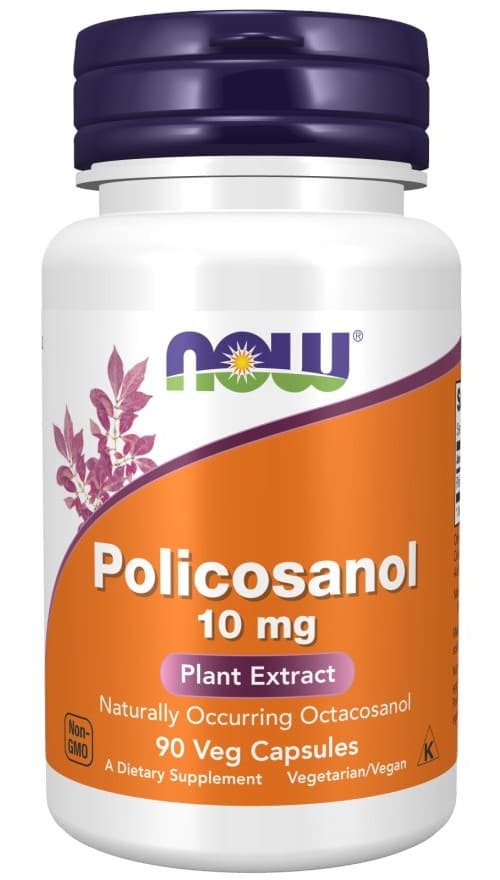
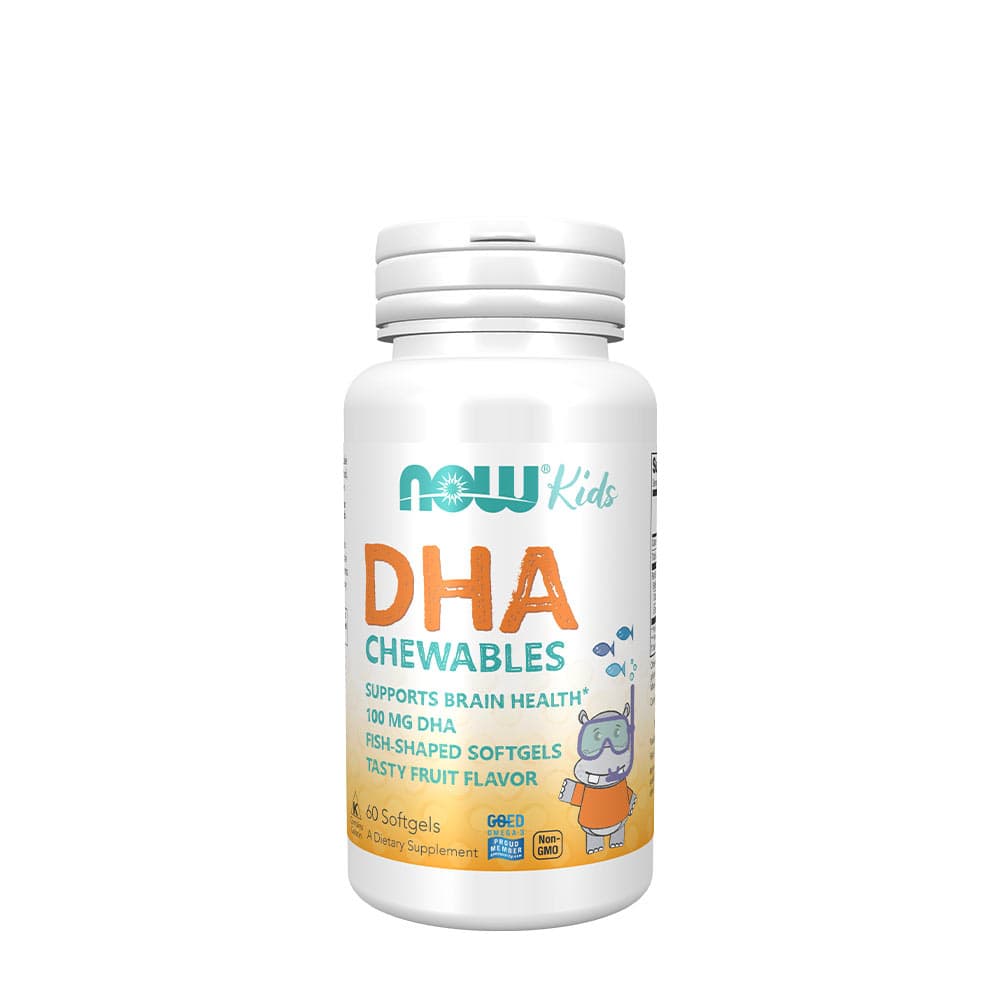
Find the option that fits your needs
A guide to NOW Foods and product selection
Choosing between food supplements is easier when you start with the practical details: which product form you prefer, which ingredients are listed and how the packaging describes the contents. This guide helps you compare two products in the current selection: one product labelled 10 mg and 90 Vcaps, and DHA Kids Fish Oil Gummies labelled 100 mg and 60 softgels. The product names provide some information, but not the whole picture. Always read the full label to understand the contents, quantity statements and intended use.
The immune theme often appears in connection with diet and food supplements, but it does not in itself describe what an individual product contains or does. Here, the theme is used as a starting point for reading product information carefully, not as a health promise. You will find guidance on how capsules and gummies differ as formats, which details are worth checking, and how to take age, preferences and pack size into account. The aim is to make an informed choice based on the labelling and your practical needs.
Forms and variants in the selection
The current selection features two different product forms. The name of one product states 90 Vcaps, an abbreviation used for vegetarian capsules. The name also states 10 mg, but without the full ingredients list it is not possible to determine which ingredient this quantity refers to or how the information should be interpreted. Check the label for the ingredient name, amount per serving and information on how a serving is defined. A number in a product name should not be the sole basis for comparing products.
The other product is listed as DHA Kids Fish Oil Gummies, with 100 mg and 60 softgels in the product name. The name describes a product aimed at children and indicates a gummy- or softgel-based form, but the exact format and contents declaration need to be checked on the packaging. Check what the 100 mg refers to and whether the amount is stated per capsule, serving or otherwise. The product name also does not provide sufficient information about other ingredients, flavourings or allergens. These details should be taken from the current label.
How to read the ingredients list
Start by finding the ingredients list and nutrition declaration or equivalent contents table. Check which substance is listed, how much is present and what quantity the statement applies to. A product may state the contents per capsule, per several capsules or per recommended daily serving. These measures are not automatically comparable. Also check whether the serving is defined separately and whether the number in the product name is explained in the same way on the label. If the information differs between the front of the pack and the contents table, the full product information needs to be reviewed.
Next, check the entire ingredients list, not just the ingredient highlighted in the name. Capsule materials, sweeteners, flavourings and other components may be relevant to personal preferences or dietary choices. For products containing fish oil, it is particularly important to read the allergen information and check whether fish is listed. Storage information, best-before dates and any precautionary statements may also affect whether a product fits into everyday life. If any information is unclear, do not draw conclusions from the product name; seek the full labelling instead.
Compare quantities fairly
Numbers such as 10 mg and 100 mg may seem easy to compare, but on their own they do not tell you which product contains more of a particular ingredient. First, you need to know what each number refers to. Compare the same substance and the same unit of measurement, and check whether the amount applies to one capsule, several capsules or a serving. If the products refer to different ingredients, you cannot compare them directly by placing the numbers side by side. The product form and target group may also differ, so the contents information needs to be read in context.
The pack count is separate from the amount of active ingredient. 90 Vcaps describes the number of capsules according to the product name, while 60 softgels gives a count for the other product. The count can help you plan purchases, but without information about serving size and directions for use, it is not possible to work out how long a pack will last. Therefore, avoid comparing value based solely on the number of capsules or the figure in the name. Read the product's serving information and then compare price and contents on the same basis, if this information is available.
Practical criteria for everyday choices
Product form can be a practical starting point. A capsule may suit someone who prefers a compact format, while a gummy or softgel may feel different to use. The most convenient form is a personal choice, and the product name is not enough to assess factors such as taste, texture or size. Check the product description and label before choosing. If you are comparing products for different people in your household, it is also important to read the target group and directions for use carefully, rather than assuming the same product suits everyone.
Also consider contents that may matter to you, such as allergens, capsule materials or ingredients you wish to avoid. For products labelled for children, check the age information and all directions on the packaging. Always follow the labelled use and do not exceed the stated instructions. Food supplements are not a substitute for a varied diet and a healthy lifestyle. Anyone who is pregnant, breastfeeding, taking medicines or has questions about a child's use may need to consult a healthcare professional. These considerations are personal and cannot be determined from the product name alone.
What the immune theme means here
Immune is a theme often used to organise information about diet and food supplements. In this guide, the theme is instead about making product selection easier to understand: review the contents, read the labelling and choose based on relevant, verifiable information. A product shown under a theme does not necessarily contain the same ingredients as other products within that theme, so each label must be assessed individually.
If you want to understand the relationship between diet and health, it is sensible to distinguish between general information and what the labelling actually says about a product. This text makes no conclusions about effects and does not refer to research without a stated source. Instead, it focuses on details you can check directly: product form, ingredient names, quantity statements, pack count, allergen information and directions.
Questions to ask before buying
Before choosing, you can use a short checklist. Which ingredient is listed, and how much is there per serving? What counts as a serving? What form is the product, and does it suit your preferences? Are there allergens or other ingredients you need to know about? Is the product intended for the person who will use it, and what directions are given on the label? Answering the questions in this order makes it easier to distinguish facts on the packaging from assumptions that may arise when you only read the product name.
If you are comparing the two products in the selection, start by noting that one is listed as 10 mg and 90 Vcaps, while the other is DHA Kids Fish Oil Gummies, 100 mg and 60 softgels. Then find out what the quantity statements refer to and read each full ingredients list. Do not compare the mg figures until you know that they refer to the same type of content and the same basis. Also check the target group, allergen information and directions for use. If important details are missing from the information available to you, wait to draw a conclusion until you can read the label or have the information confirmed.
How we selected the products for the campaign
The selection consists of two products that make it possible to compare different formats and types of product information within the theme. The first is listed as NOW Foods - Products - 10mg - 90 Vcaps. The details that can be read from the name are 10 mg and 90 Vcaps; the name does not state which ingredient the milligram figure refers to. The second is NOW Foods - DHA Kids Fish Oil Gummies 100mg - 60 Softgels. Here, DHA, a child-focused description, fish oil, and the details 100 mg and 60 softgels are stated. Exact serving information and other ingredients need to be checked on each product's label.
The products are shown together to make the comparison between capsule-based formats and gummies or softgels concrete, not to suggest that they are equivalent or have the same use. The product names provide an initial guide, while the labelling determines what is actually included and how the product is intended to be used. Therefore, view the product images as an introduction to two different options and consult each product's contents declaration before making a decision. The immune theme is an editorial starting point for factual product reading, not a claim that either product provides a particular health effect.