OstroVit for an active everyday life
Compare formats, contents and labelling across a broad range from OstroVit.


Our selection
Campaign products
30 products
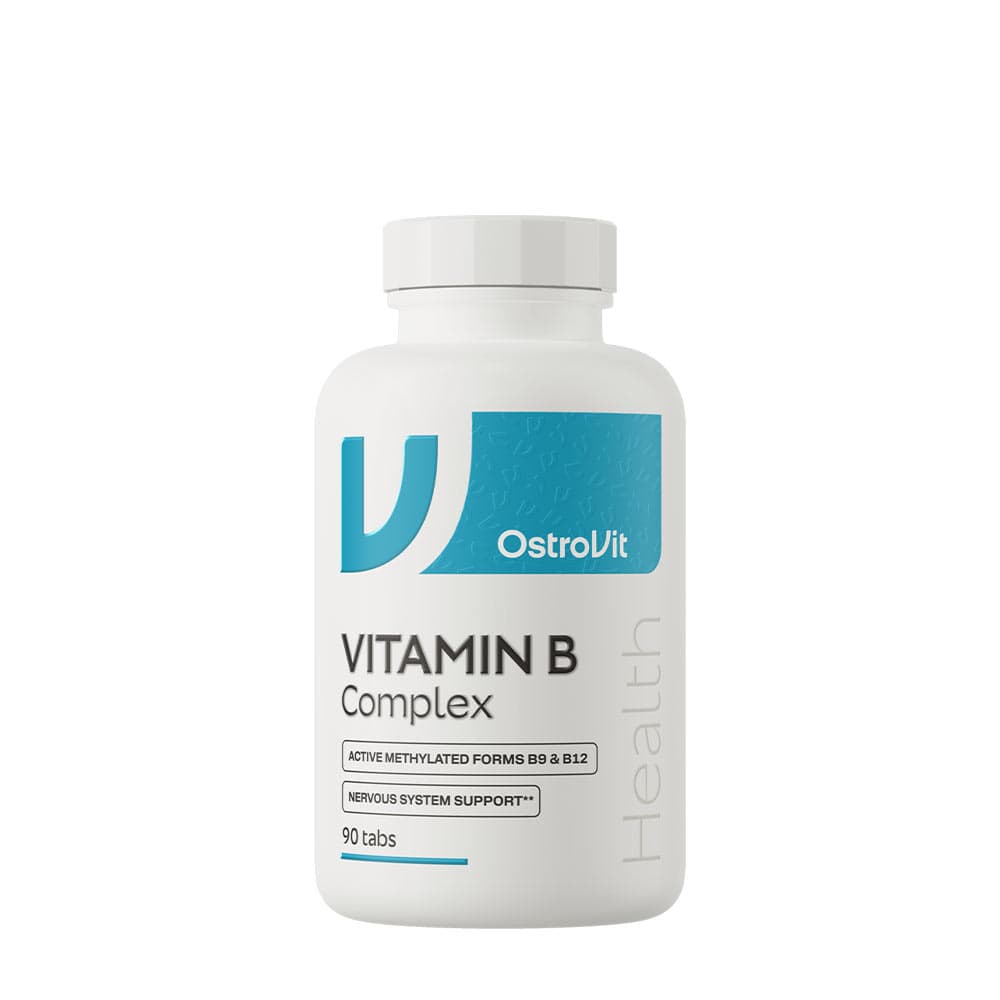
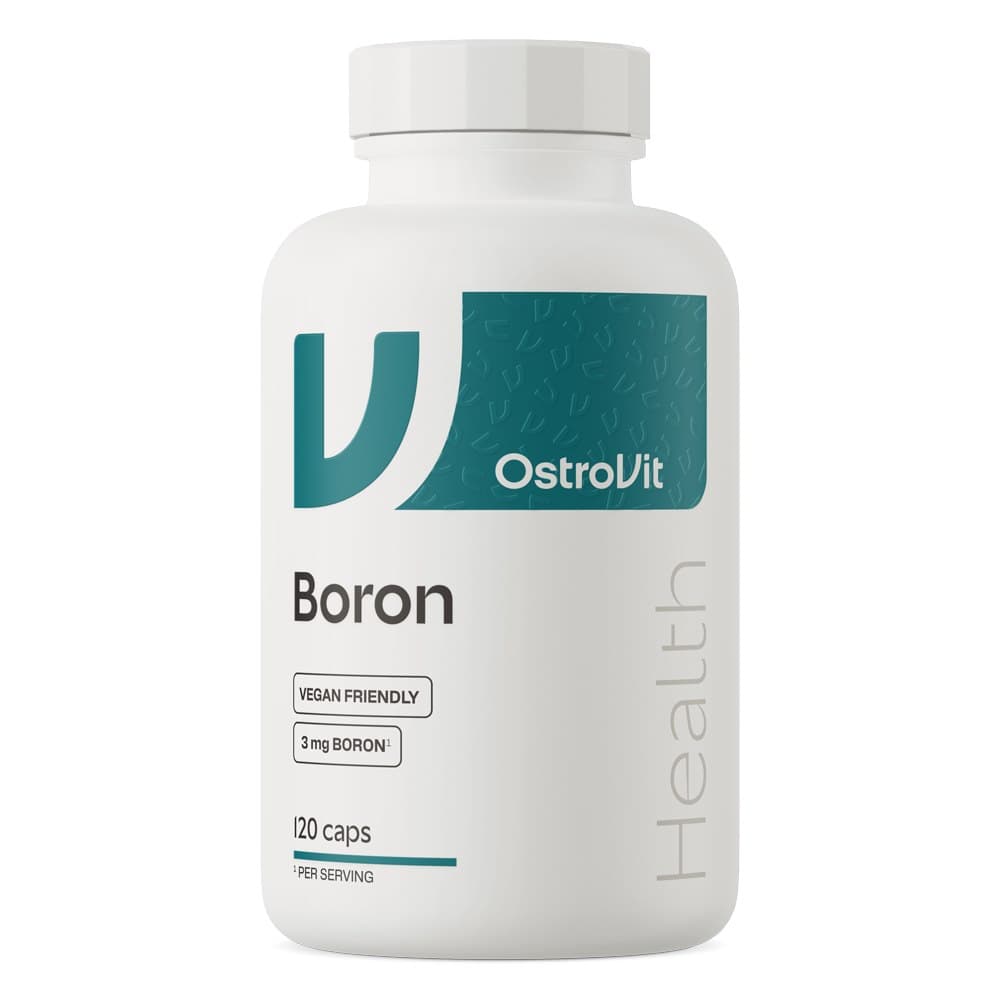

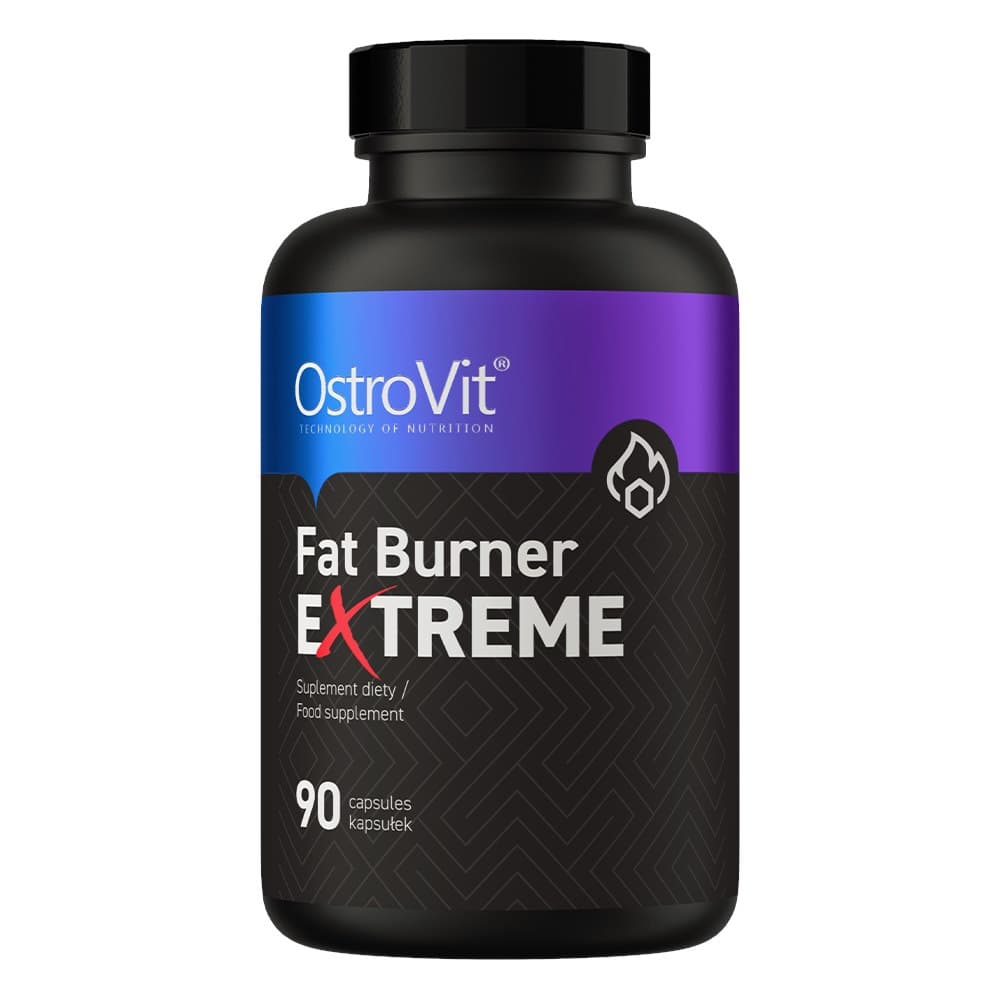
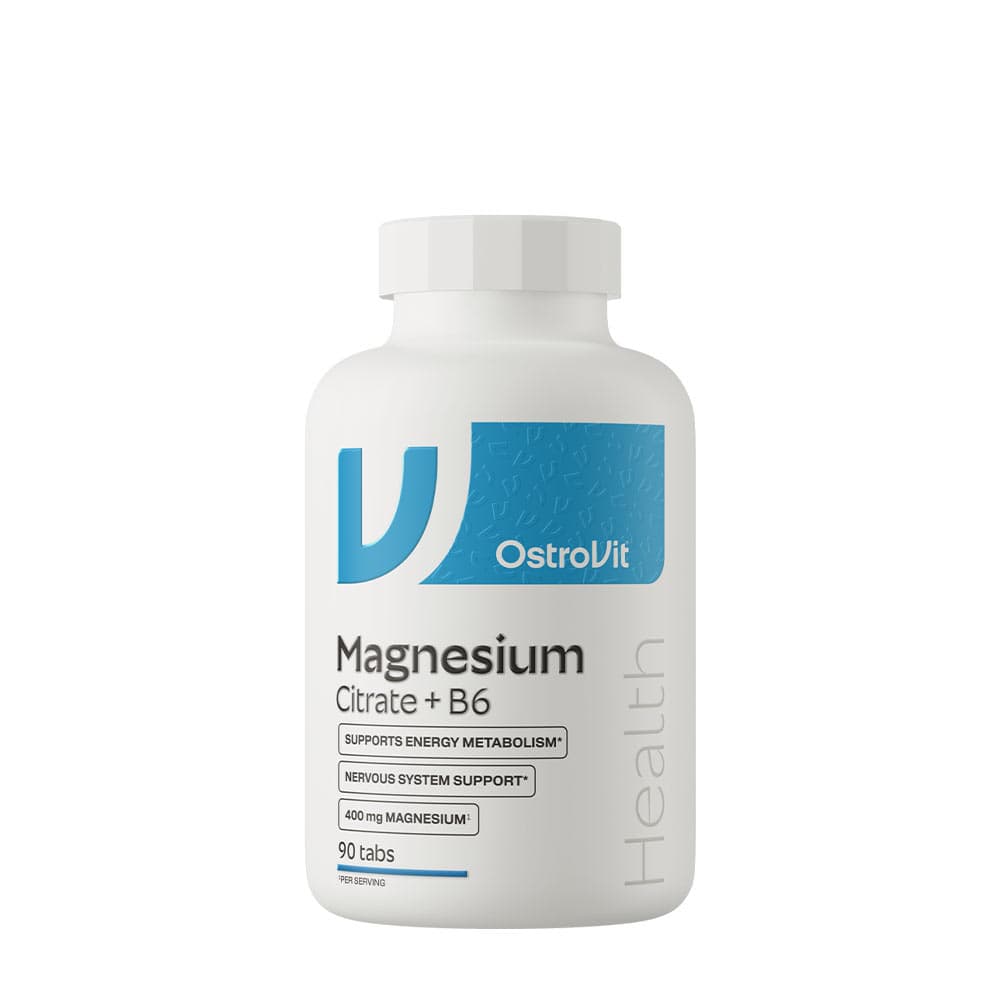


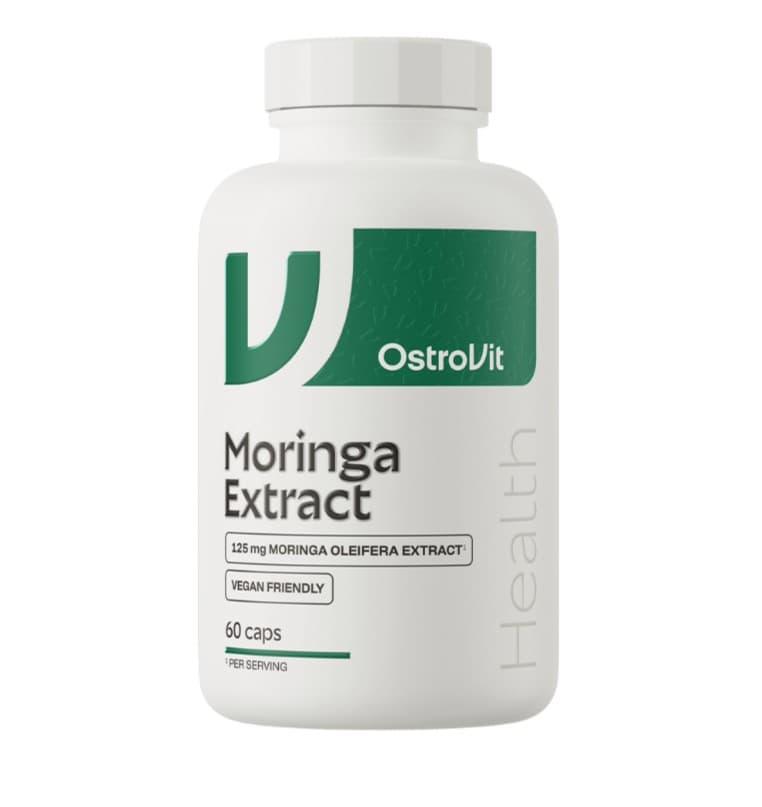

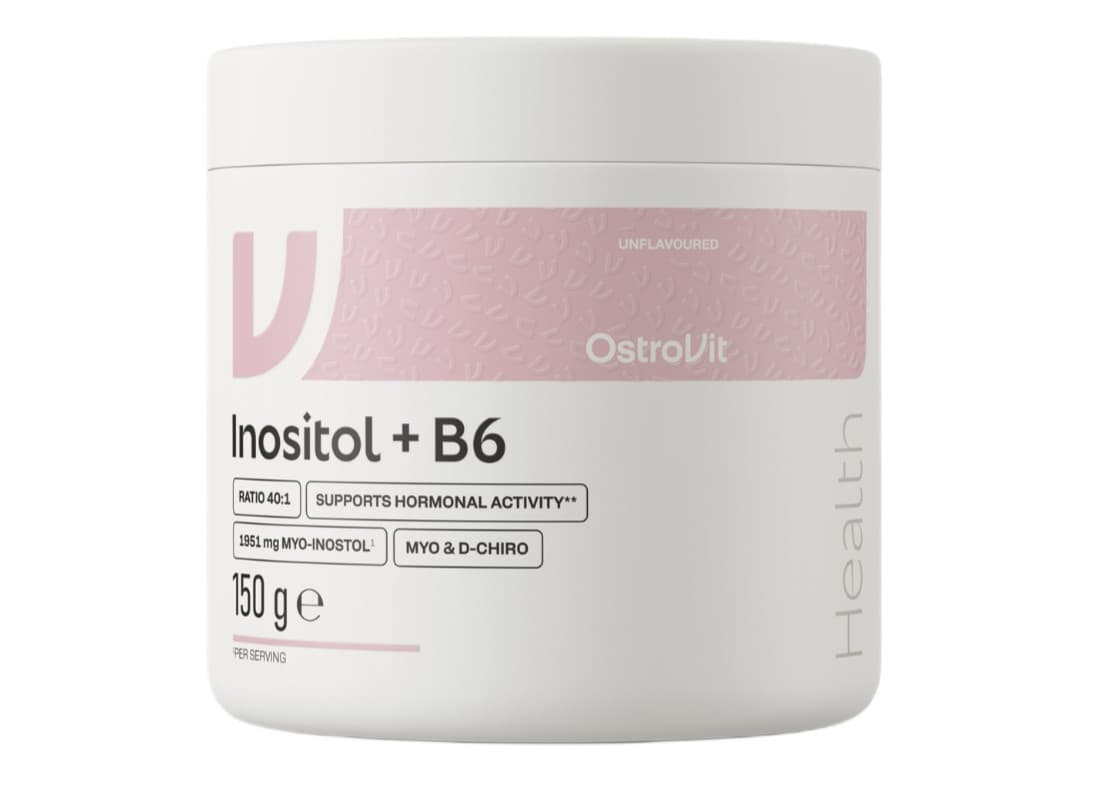
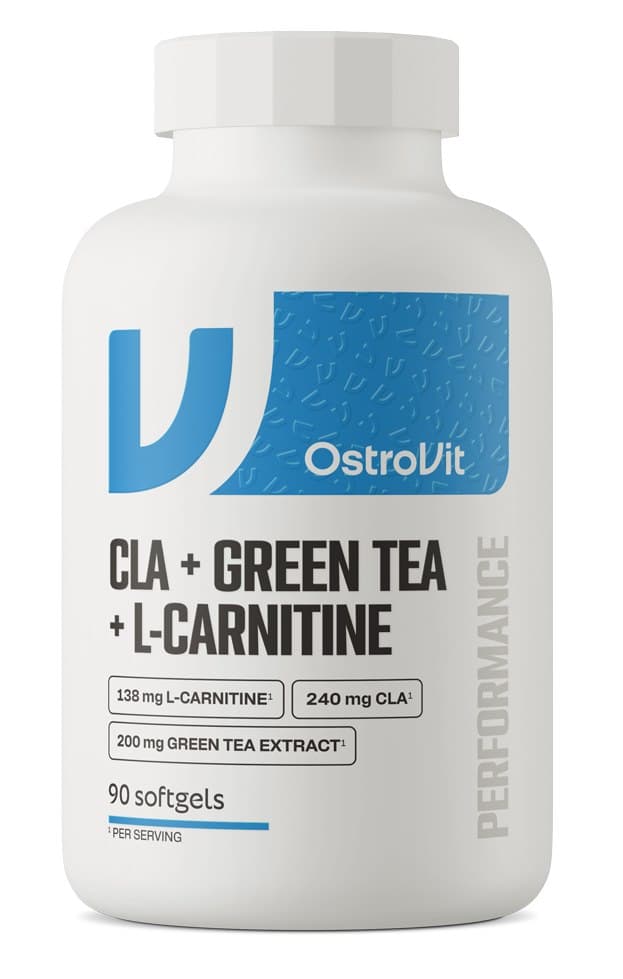

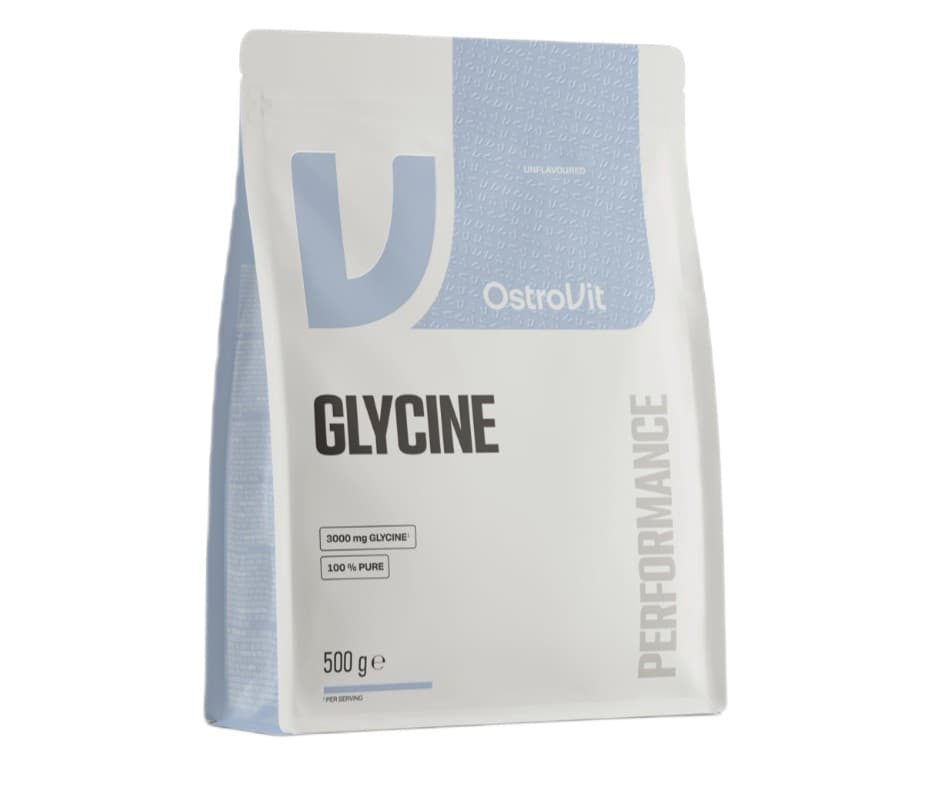
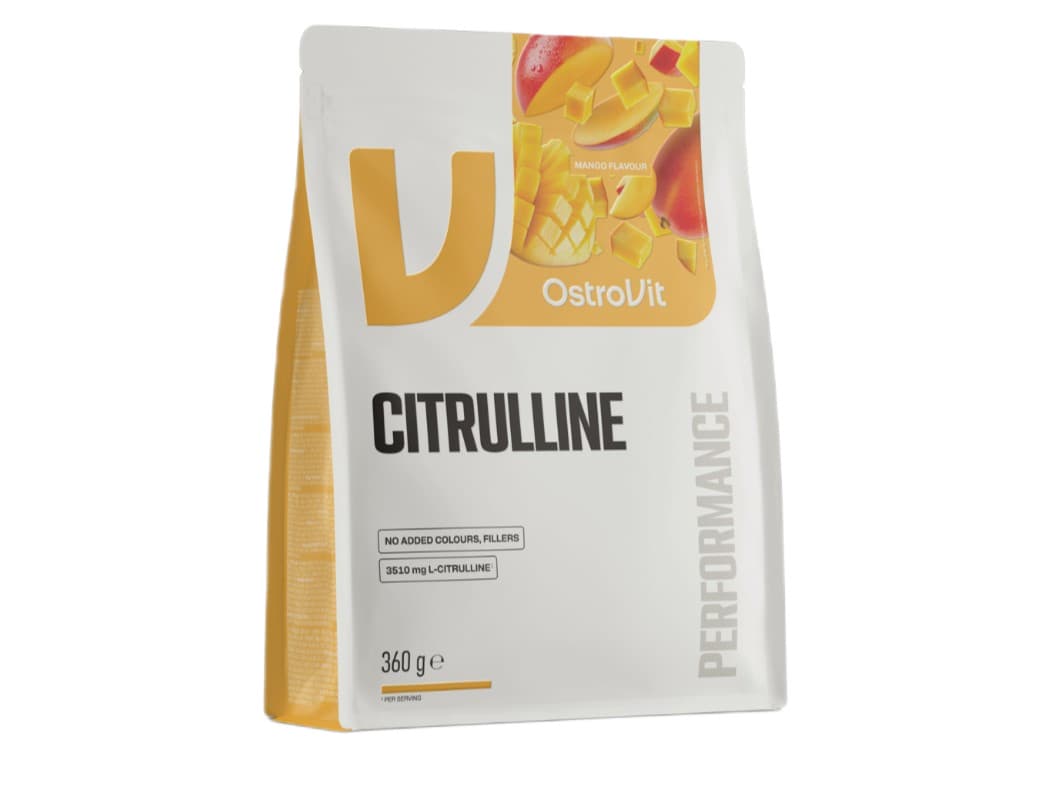

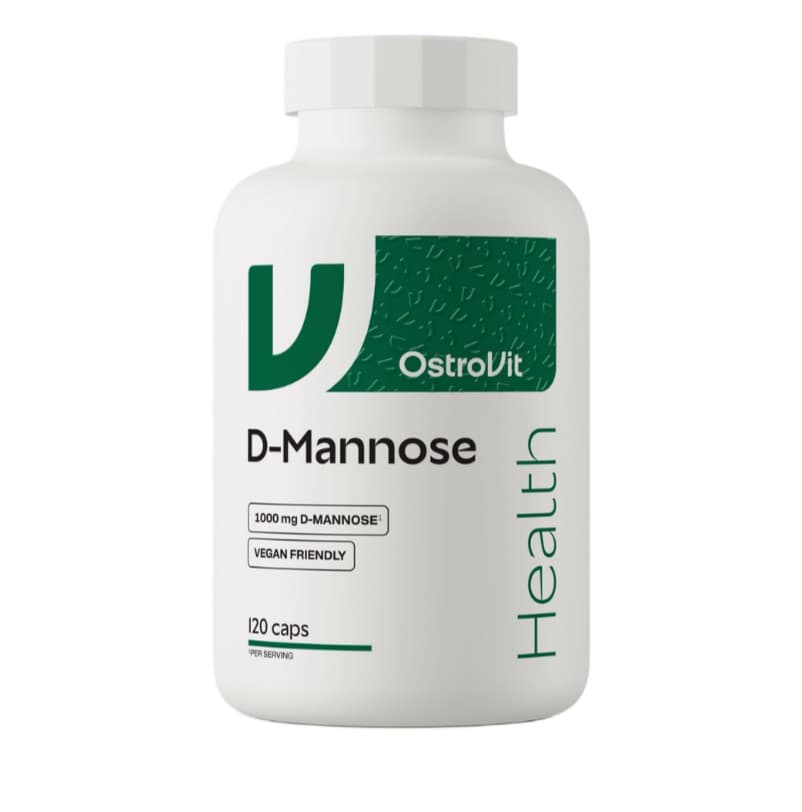
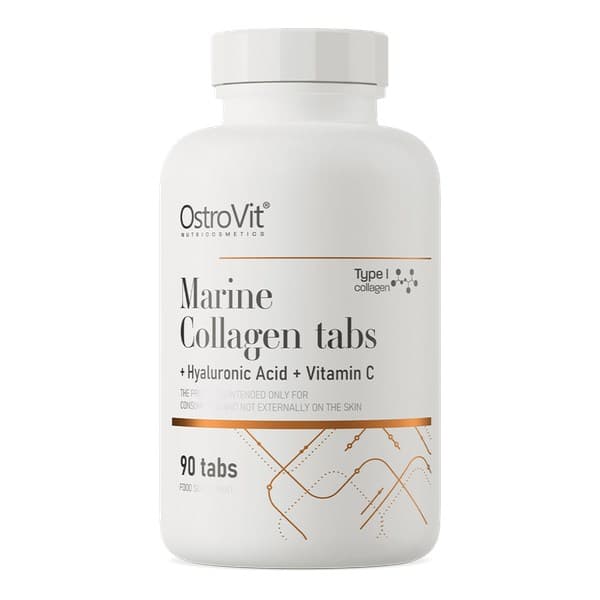
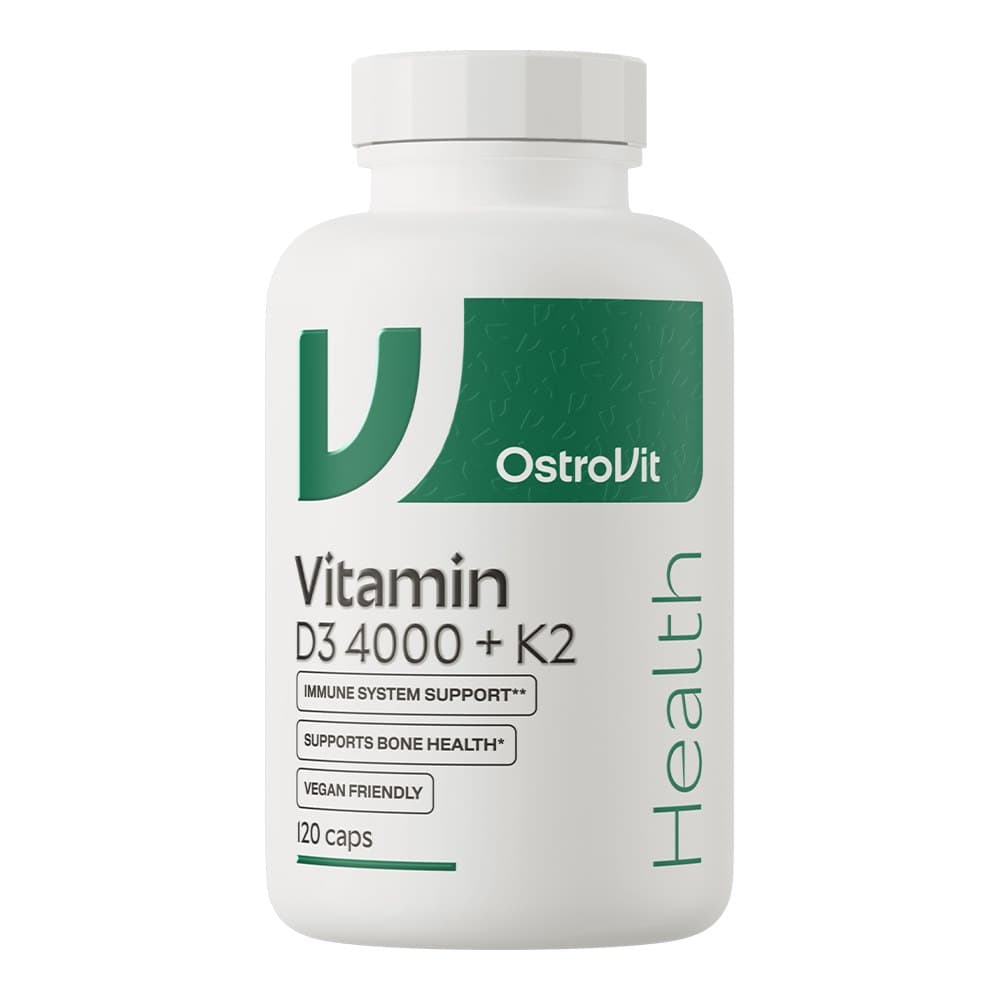
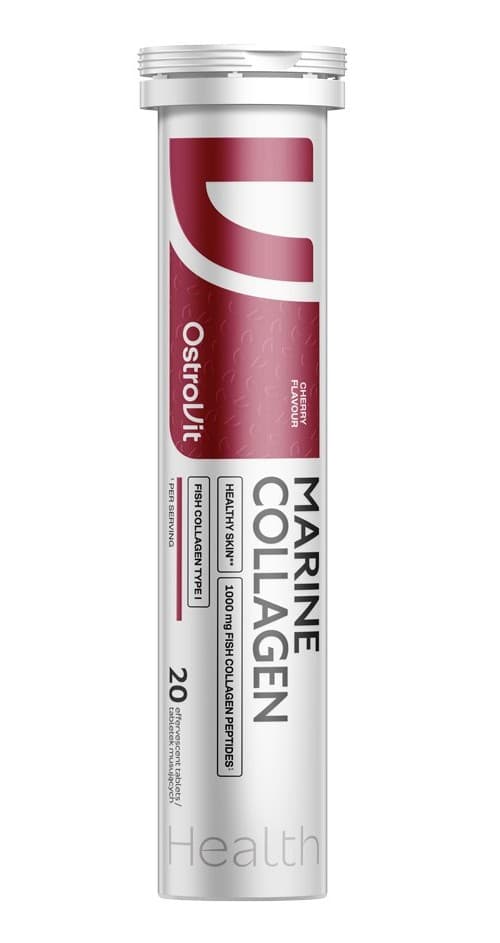
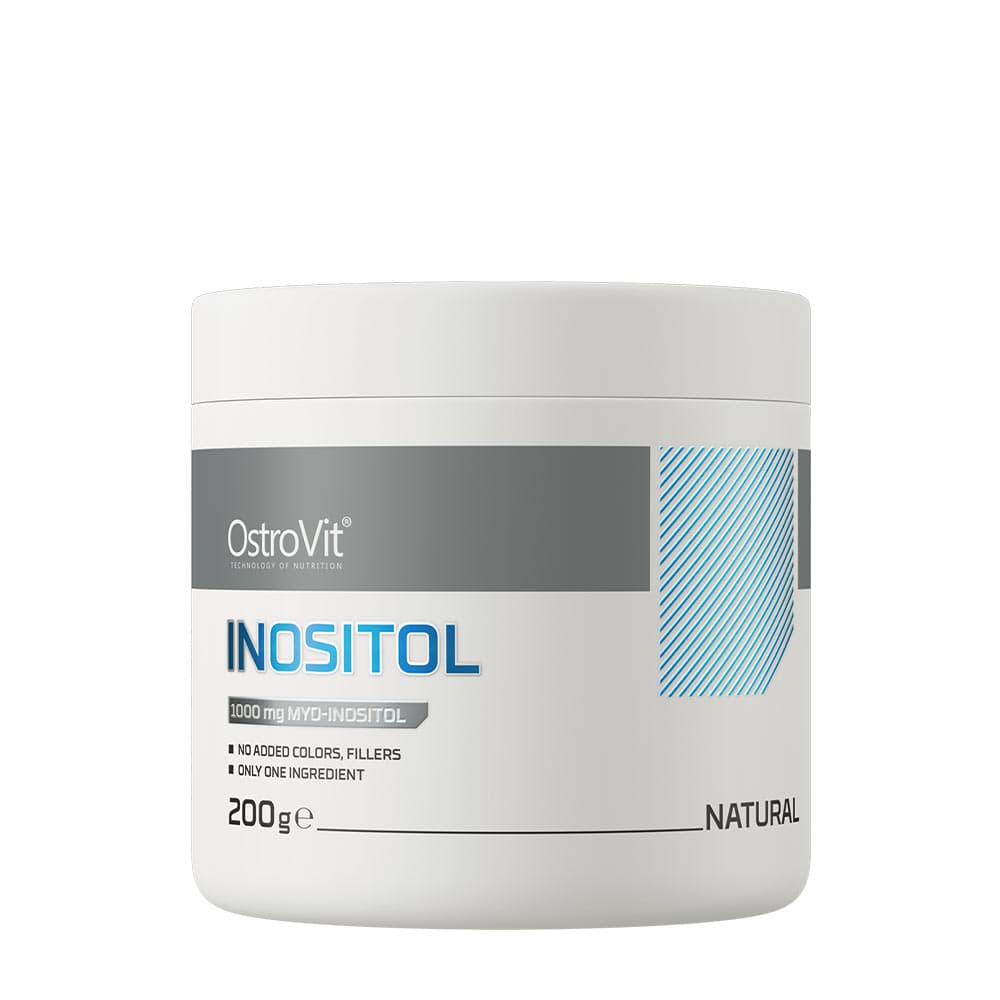
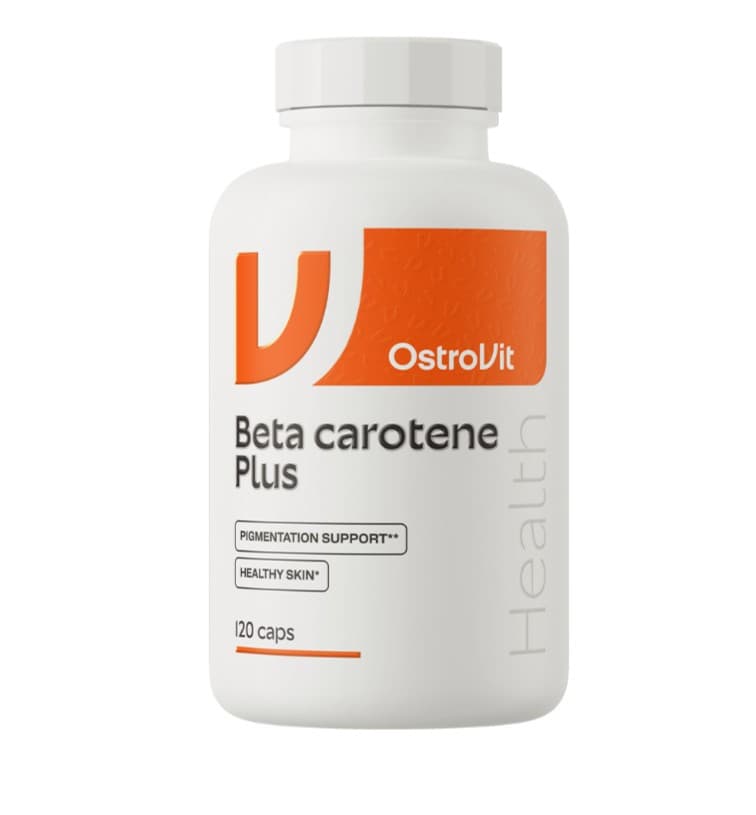
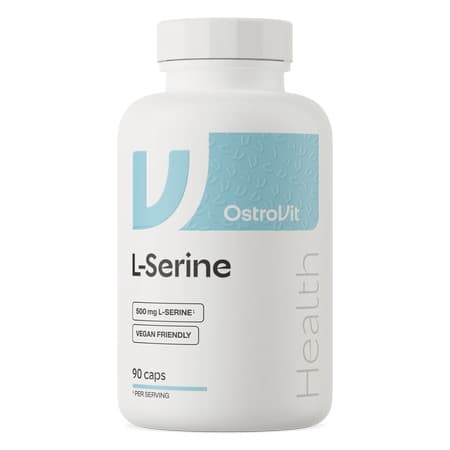

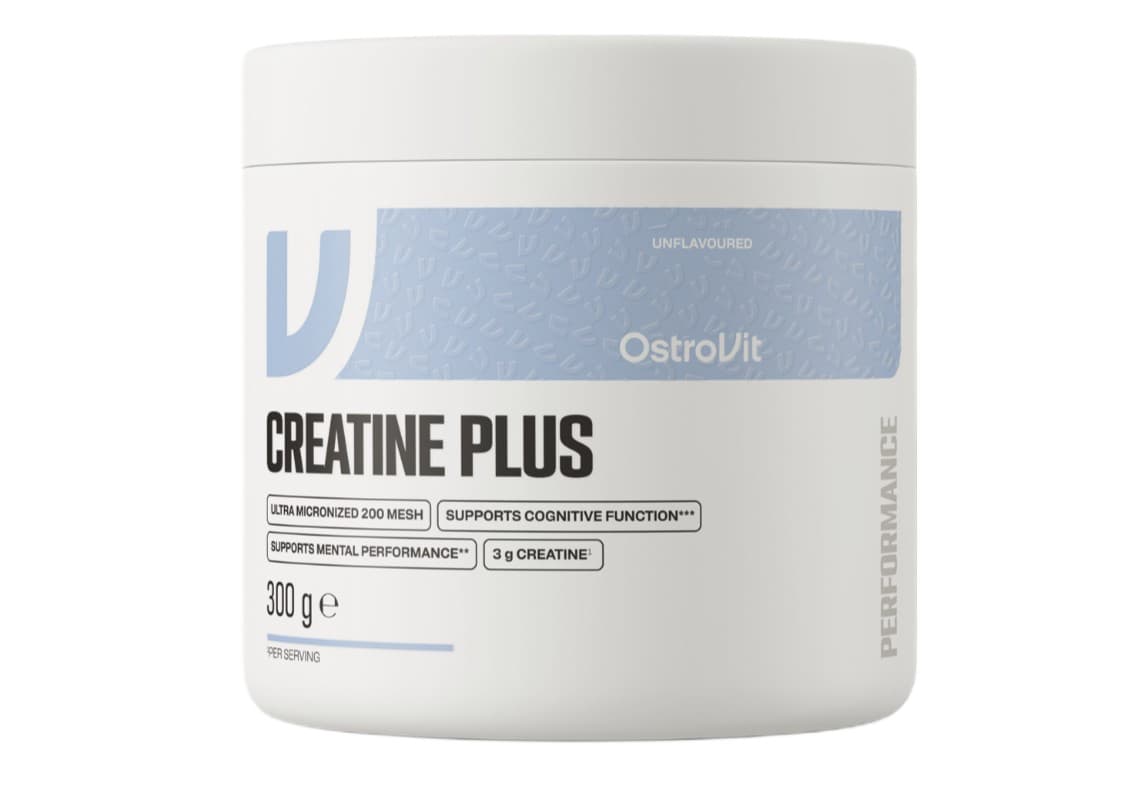
Find the option that fits your needs
Choose products with a clear overview
OstroVit's range in this campaign includes several types of products: tablets, capsules, a single-serve powder and konjac noodles. Here, you can compare what is actually stated on the packaging, how the products are presented and which practical questions may be worth resolving before making a purchase. The theme is energy, but the products should not be considered equivalent or interchangeable solutions. Start by reading the product name, ingredients list and quantity information, and consider your own needs and habits.
The names describe different product categories and formulations, but do not in themselves indicate what a product does. For an objective comparison, it is therefore better to check the label than to draw conclusions from the product name or campaign theme. Also read the instructions on each package and check that the product's format and contents suit what you are looking for.
Formats and varieties in the range
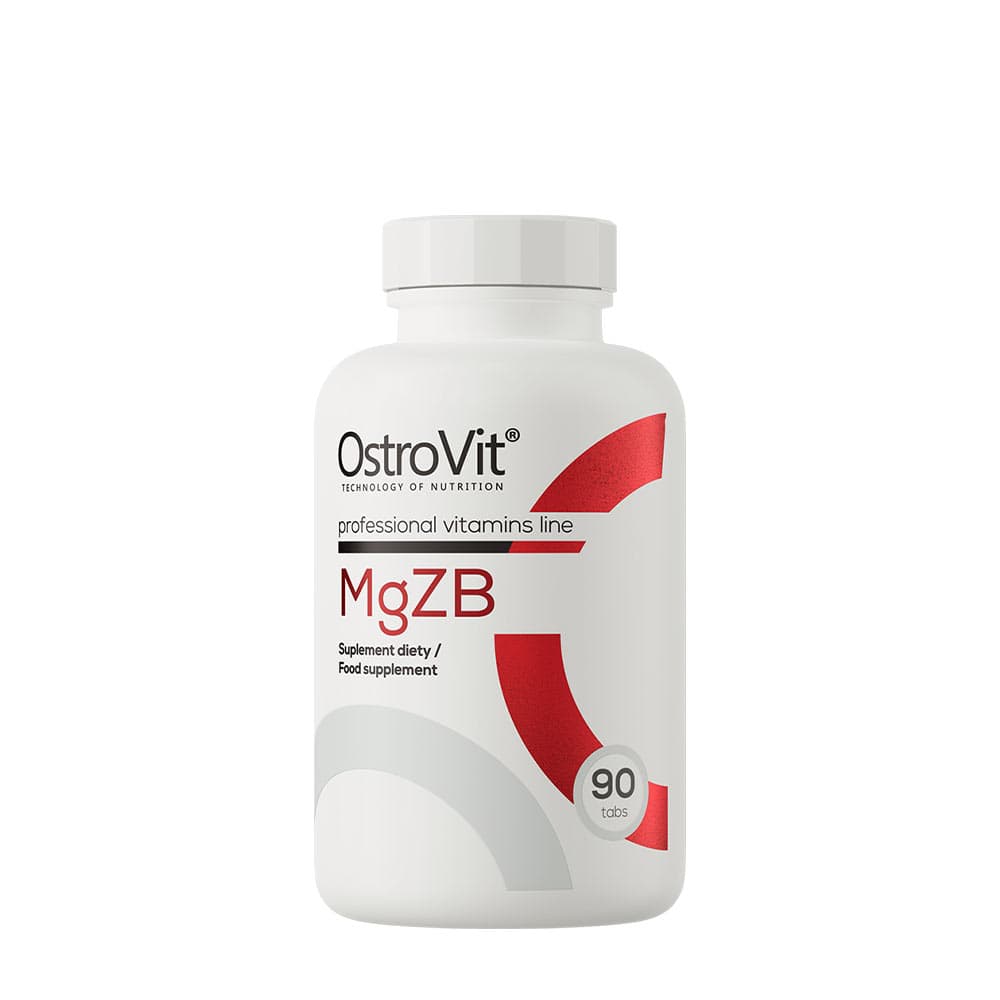
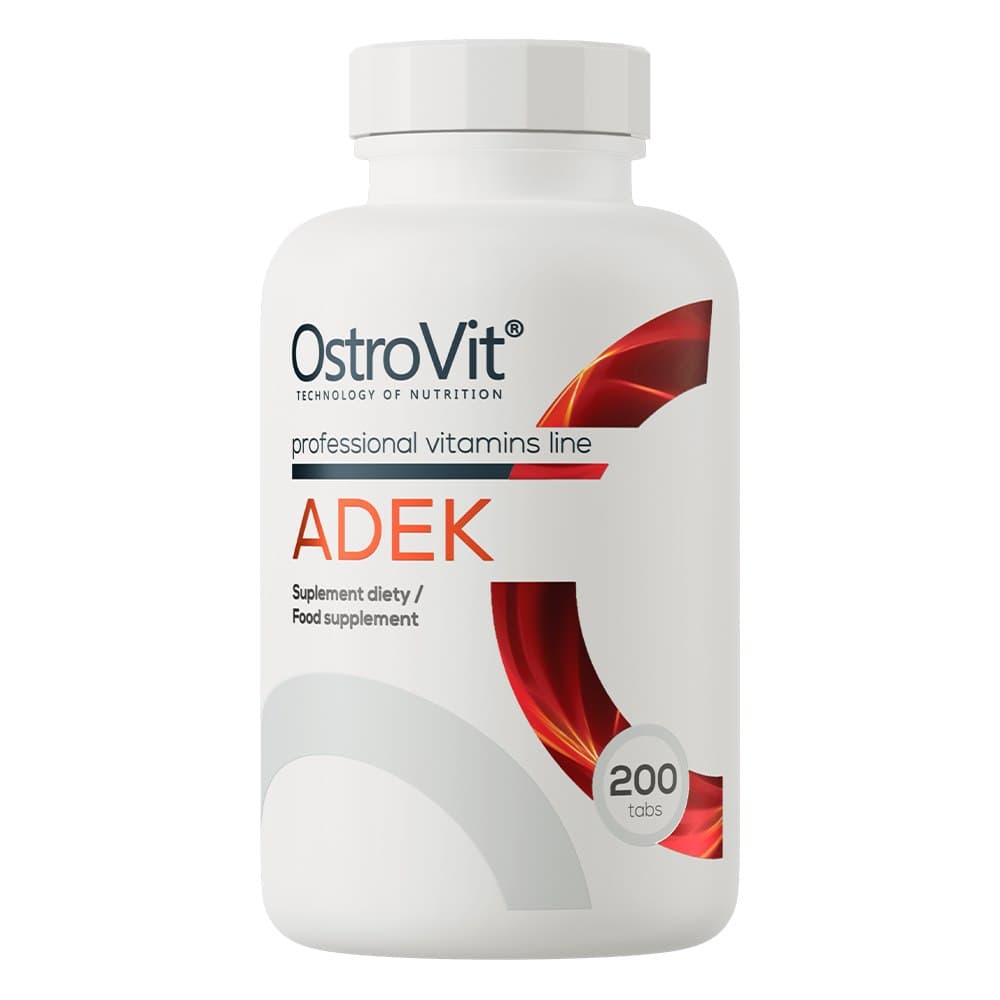
Tablets and capsules are two different formats featured in the range. Examples of tablets include Vitamin B Complex, Chromium 200, Adek and Magnesium + B6. The format may affect how a product fits into a daily routine, but its intended use cannot be determined from the format alone. Always check the instructions on the packaging, including information about intake and any restrictions.
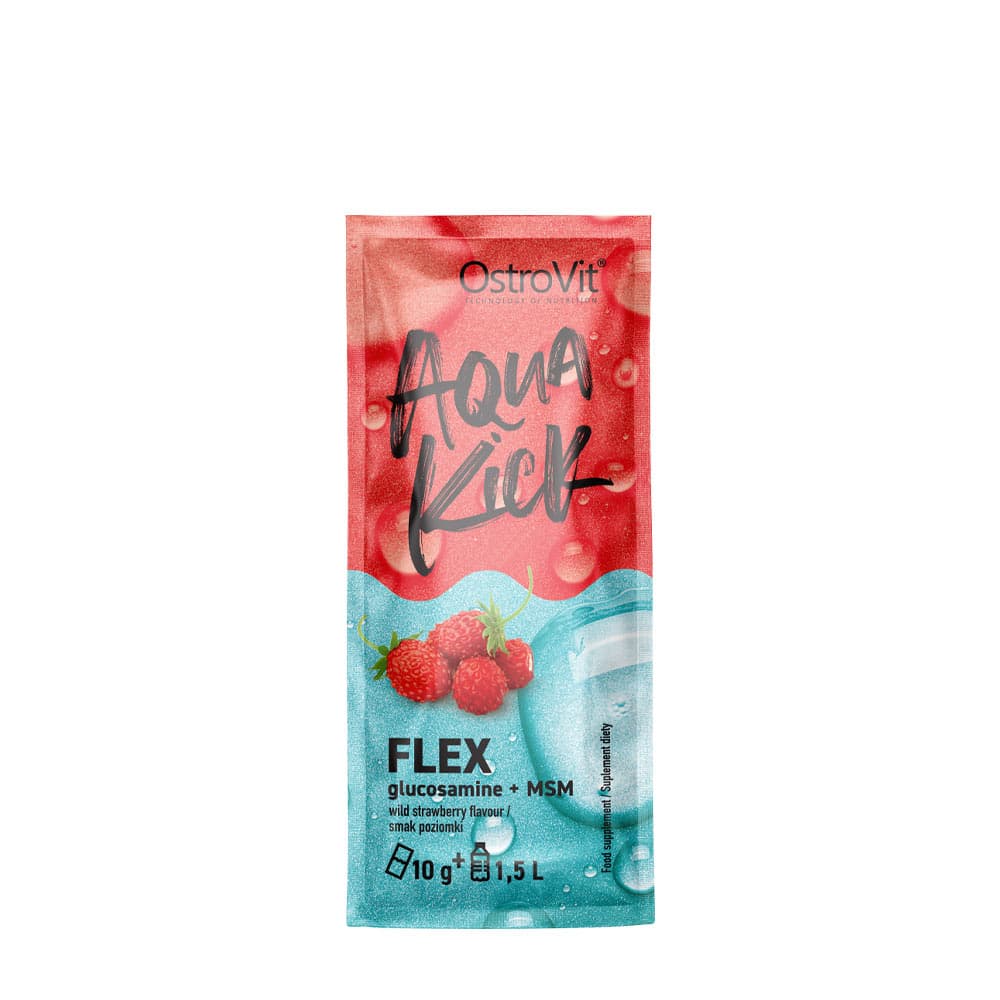
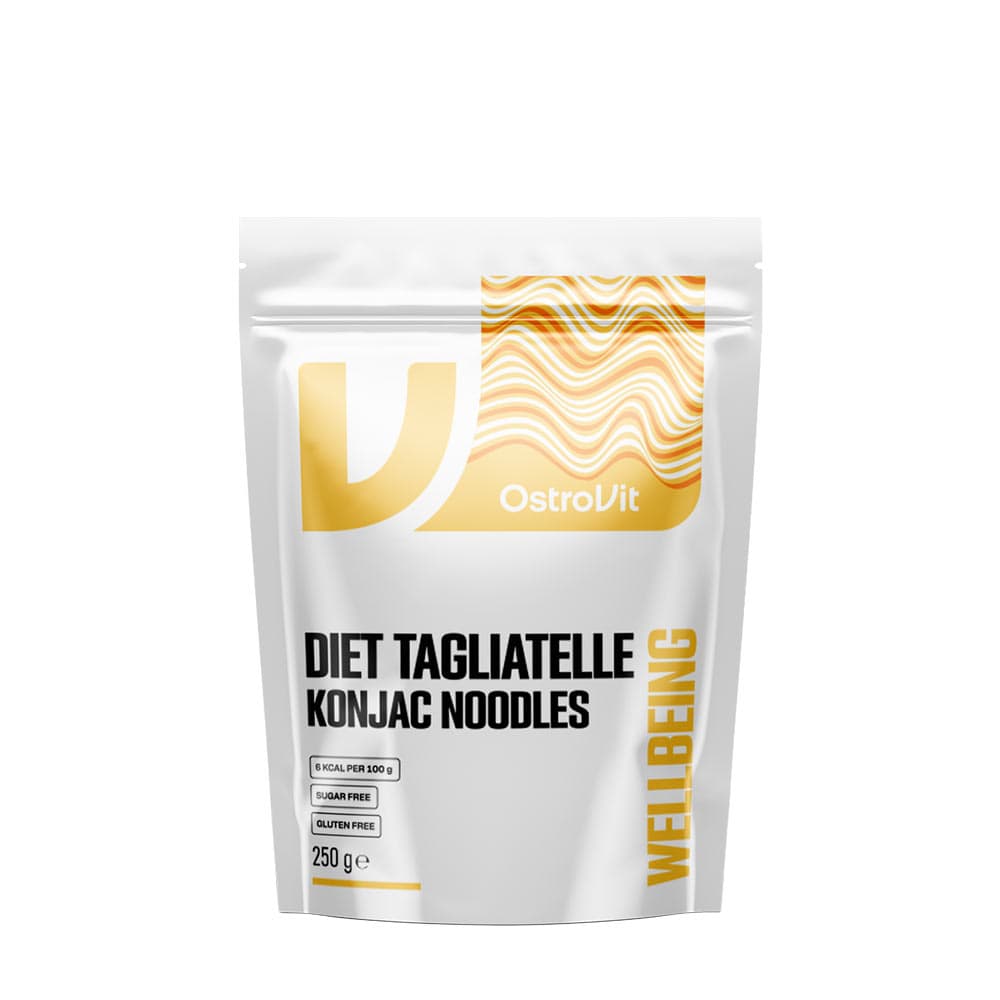
The range also includes OstroVit Aqua Kick Flex in Wild Strawberry flavour, listed as 10 g, as well as Diet Tagliatelle Konjac Noodles in a 400 g pack. These are different formats from tablets and capsules, so they can be compared in terms of how they are packaged and intended to be used according to the labelling. For powders, it is sensible to check how the contents should be mixed and what serving information is provided. For noodles, the ingredients list, net weight and cooking instructions may be relevant. Refer to the current label rather than making assumptions about the product's properties.
Ingredients and contents on the label
When comparing products with similar names, look at the full ingredients list, not just the ingredient highlighted in the product name. Vitamin B Complex, Magnesium Citrate 400 mg + B6 and Magnesium + B6 are examples of products whose names point to different combinations or forms. However, the names alone are not enough to establish all quantities or other ingredients. Check the nutrition or contents declaration on the specific product and compare the stated quantities per serving or according to another reference used on the label.
Product names such as Boron, Chromium 200 and Ginkgo Biloba Vegan should also be read alongside the full labelling. Check which ingredients are listed, how they are named and whether the packaging provides information about allergens or other special considerations. The product name can be a useful first clue when sorting a range, but it does not replace the label. If you are comparing two products, make sure you are comparing the same type of quantity information and the same basis, such as contents per tablet, capsule or serving, where this information is available.
Practical criteria to consider before buying
Start by deciding which format best suits your daily routine. Some people prefer tablets or capsules, while others want to compare a powder or a food product. Also consider pack size and the number of units stated: the range includes, for example, 90 tablets, 120 capsules, 60 capsules, 200 tablets and 400 grams. These figures describe the packaging, but do not by themselves indicate how long it will last. To assess that, follow the product's own directions for use and quantity information.
Next, check that the product labelling matches what you want to buy. Read the ingredients, quantities, storage advice and any warnings. If you take medicines, have a medical condition, are pregnant or breastfeeding, it may be appropriate to ask a healthcare professional or pharmacist before using food supplements. Do not compare products solely by price or capsule count; also take the contents and packaging information into account. If in doubt, it is better to wait until you have answers to your questions than to assume that two products with similar names are equivalent.
Products with different indications in their names
Such names should not be interpreted as evidence of a particular effect. Instead, read the ingredients list, product category and directions for use to understand what is actually being offered. For konjac noodles, it is particularly relevant to check the product's food information and cooking instructions. For capsules containing plant-based ingredients, review the full contents and any precautionary statements on the label.
Similarly, Aqua Kick Flex is a product name, and Wild Strawberry is a stated flavour variety in the range. The 10 g figure describes the pack size shown, but further information about contents and use should be obtained from the product labelling. If flavour, serving format or ease of storage matters to you, these practical details can be included in your comparison. At the same time, distinguish these selection criteria from claims about health effects.
How to compare quantities and packaging
Pack sizes in the range vary, and the same type of figure does not always mean the same thing across different formats. The number of tablets or capsules indicates how many units the pack contains, whereas grams indicate a weight. Therefore, do not compare, for example, 90 tablets directly with 10 g of powder without first understanding the product format and labelling. If the label states a quantity per unit or serving, you can use that information for a more relevant comparison, but always follow the definition given on that particular package.
It may also be helpful to note the product name, format, pack size and the ingredients you want to compare. This range includes several magnesium products with different names, as well as both a B-complex product and products that mention B6 alongside other ingredients. So read all the product information before choosing between them. Check that the information applies to the specific variety and size, as product details may differ between products. If information is missing or unclear, do not fill in the gaps yourself; seek an answer from the manufacturer or retailer.
A considered routine starts with the label
If you are considering a food supplement, it is sensible to first think about why you want to use it and whether there is anything specific you need to take into account. Read the label carefully and follow the product instructions. Do not take more than the amount stated on the label, and do not combine several products with overlapping ingredients without first checking the total contents. This is particularly relevant when several products in a range mention related ingredients or combinations. For questions about suitability, interactions or individual needs, consult a healthcare professional.
Store products according to the instructions on the packaging and check the best-before date, as well as ensuring that the seal and labelling are intact. Food supplements are not a substitute for a varied diet or a healthy lifestyle. It is also useful to distinguish personal preferences from information actually stated on the label: flavour, format and pack size can be practical selection criteria, whereas effects should not be assumed from a name or theme. This kind of review makes it easier to choose a product that matches your preferences for format and contents, without attributing properties to it that are not stated.
How we selected the products in the campaign
The products shown after this article have been selected to represent a broad OstroVit range connected with the campaign's energy theme. These include Vitamin B Complex, several products that mention magnesium or B6, as well as Boron, Chromium 200, Ginkgo Biloba Vegan and Adek. The fact that a product is shown here does not mean that all the products have the same contents, use or properties.
The product images allow you to explore different formats and product names, while the full product information provides a basis for careful comparison. Use the images as an overview, then check the label, ingredients, quantity information and instructions for the variety you are interested in. Choose based on objective information, your practical preferences and any advice from a healthcare professional.