Yango: products and content
A factual guide to forms, ingredients and what you can compare on the label.
30 selected products

Our selection
Campaign products
30 products




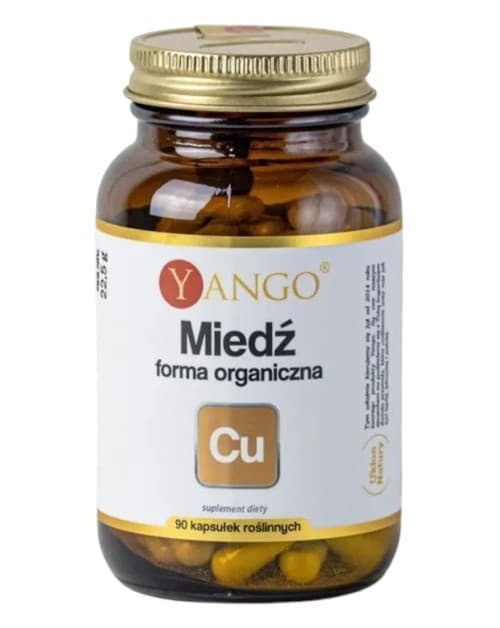
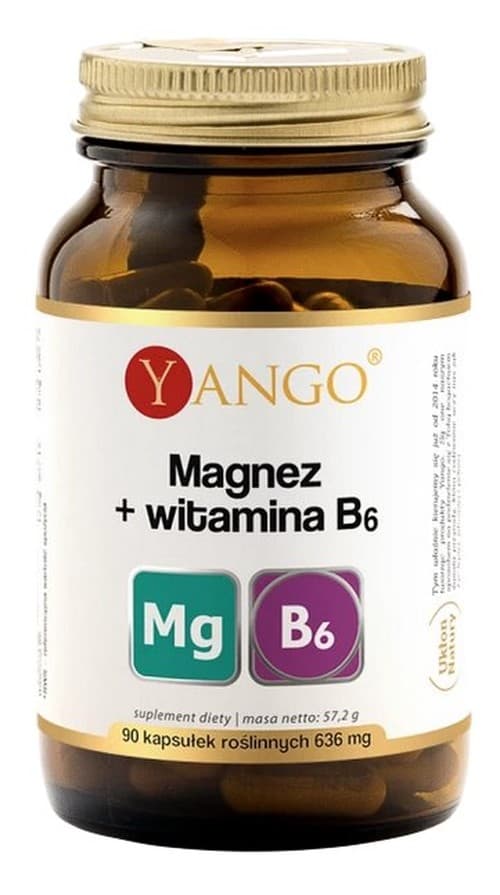
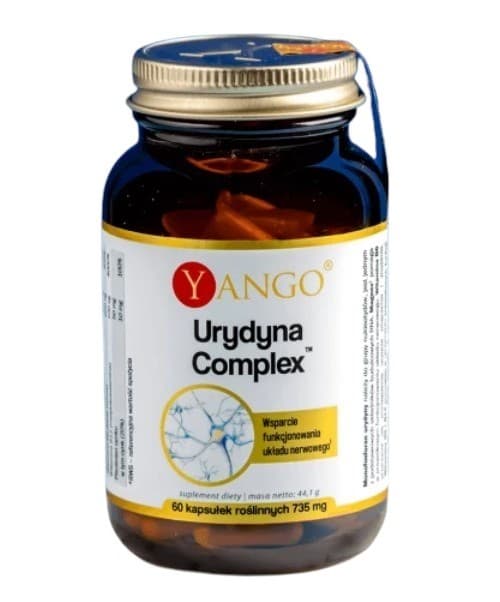
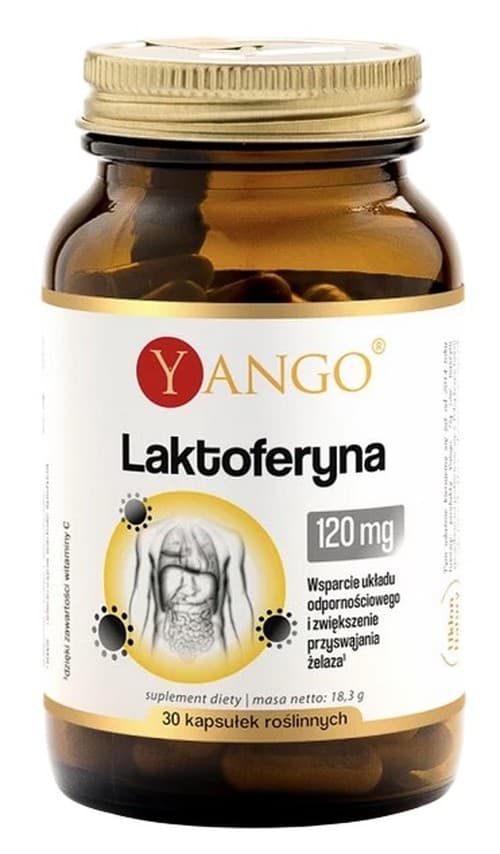
Find the option that fits your needs
A guide to the Yango range
Here you will find help to navigate among a selection of Yango products with various ingredients and formats. The range includes capsules and a liquid extract, with names indicating, for example, plant, mineral or other raw material. The guide describes what can be inferred from the product names and how you can compare labels without drawing conclusions about efficacy. This makes it easier to find products that suit your preferences regarding content and format, while allowing you to check the details on each packaging.
Therefore, the focus here is on identification, content and practical choices. Always read the current label for complete information on ingredients, recommended use, warnings and storage. If you have questions about a substance or are using medication, qualified healthcare or pharmacy staff can help you assess what is appropriate.
Different forms and product names
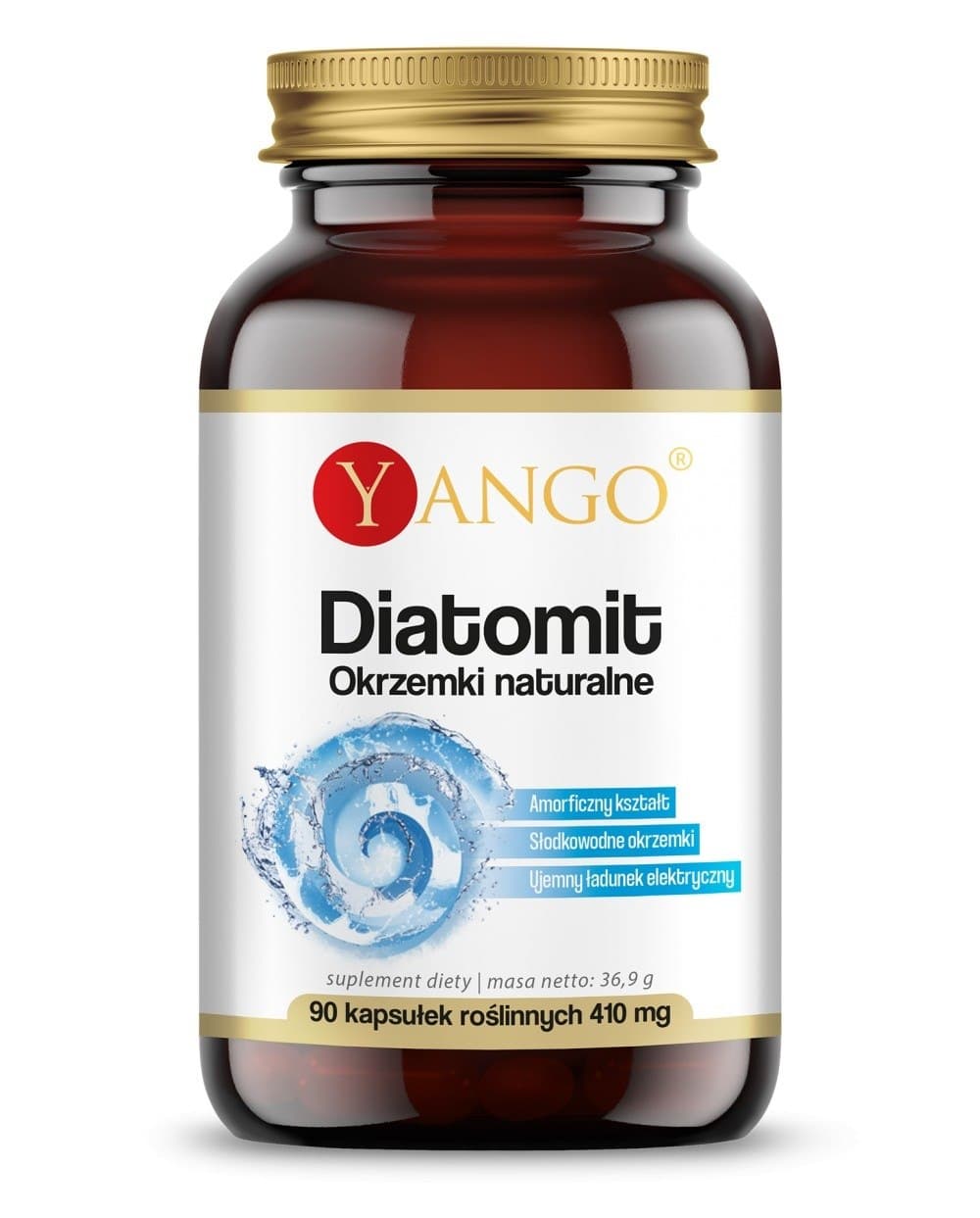
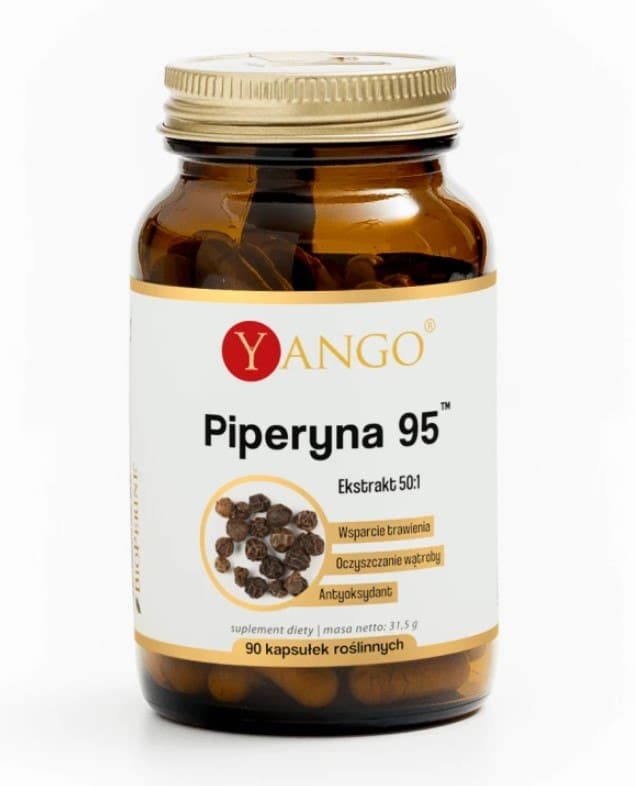
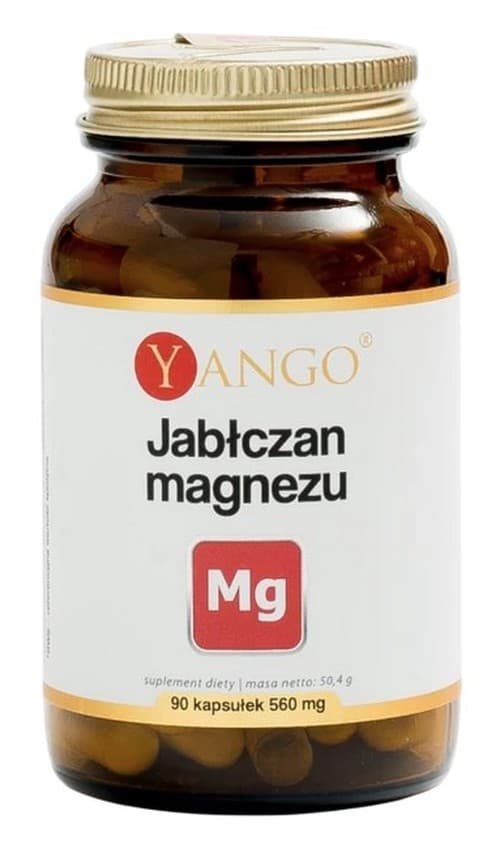
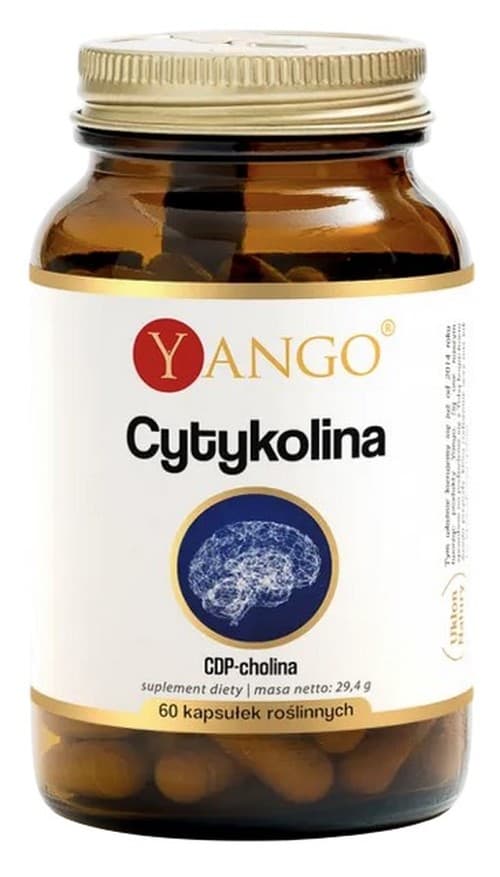
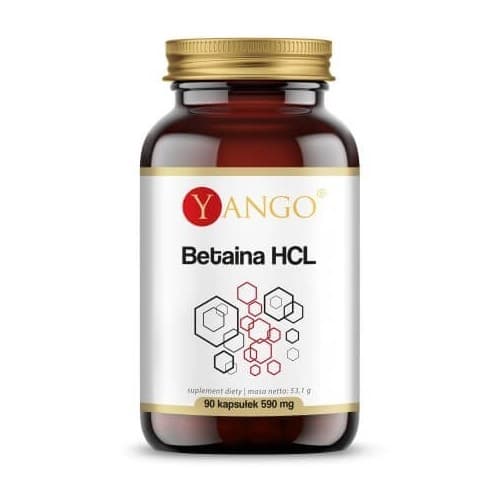
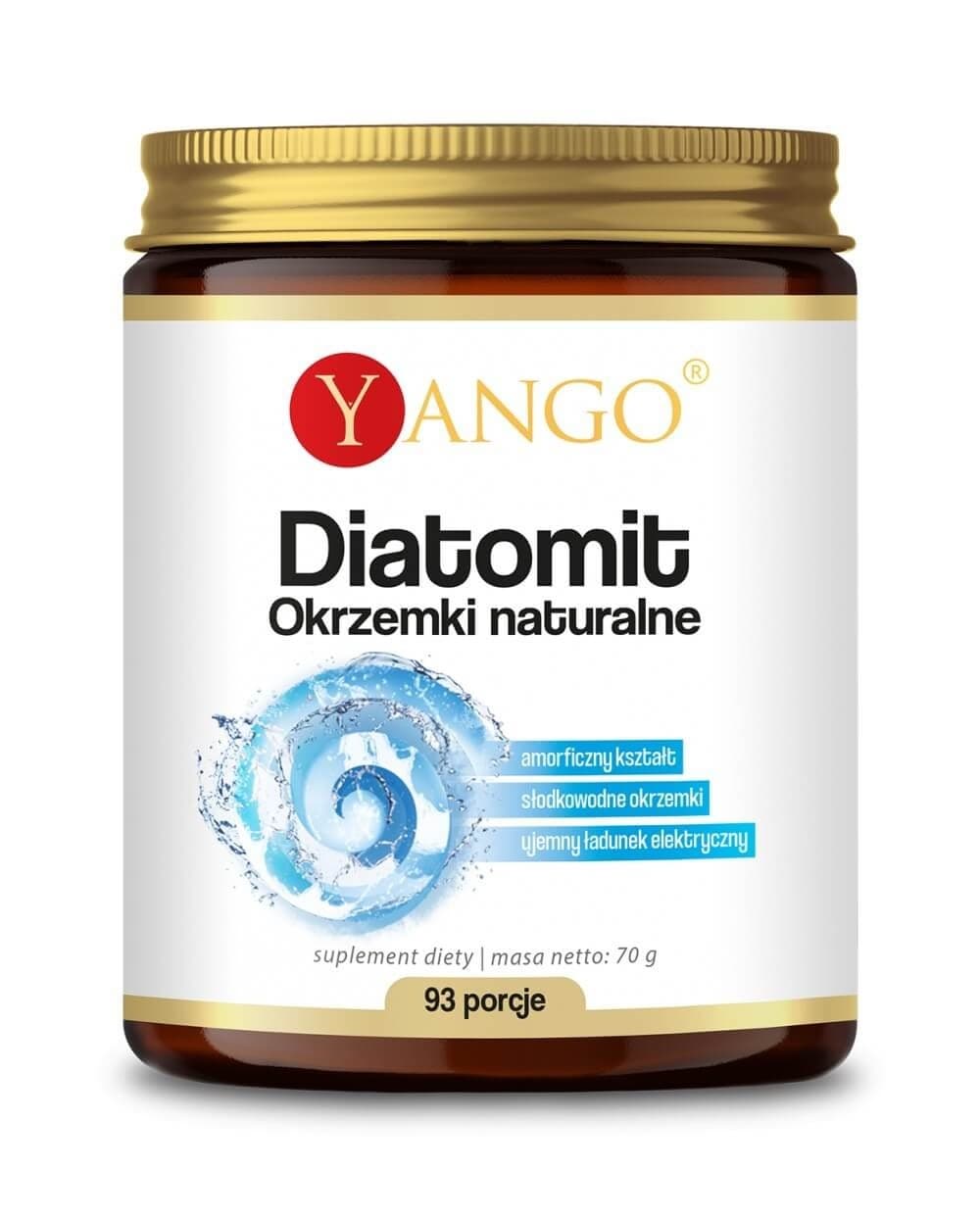
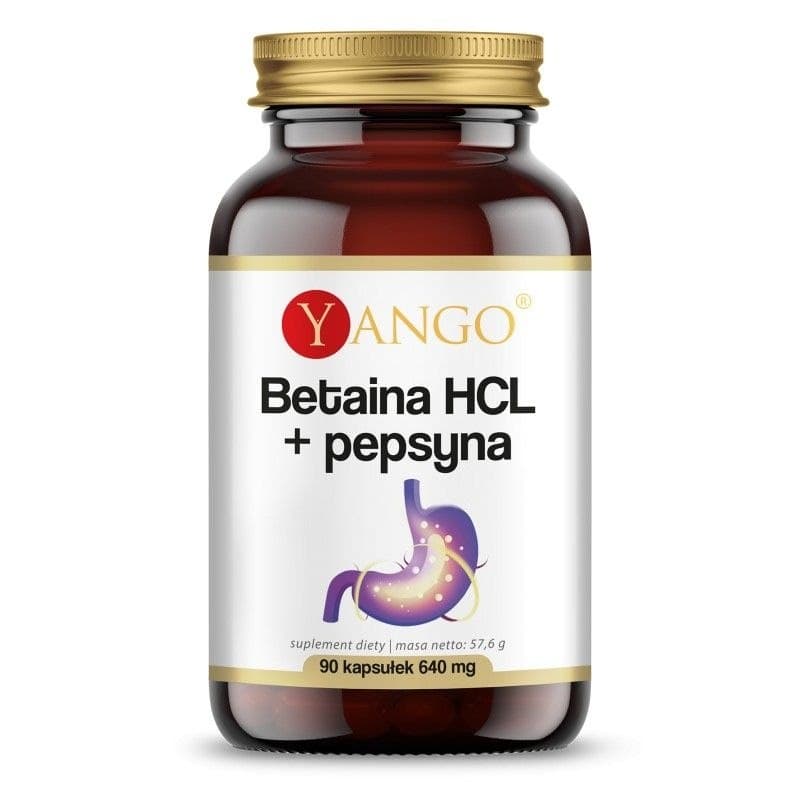
The majority of the selection consists of capsule products. The names indicate, among other things, Saw Palmetto with the specification 45% fatty acids, Piperine 95, Magnesium Malate, CDP-choline and several plant-based extracts. Other names describe a raw material or product form, such as Diatomite Natural Diatoms and Betaine HCL. Therefore, check the ingredient list and other labelling on the individual product page or packaging before comparing.
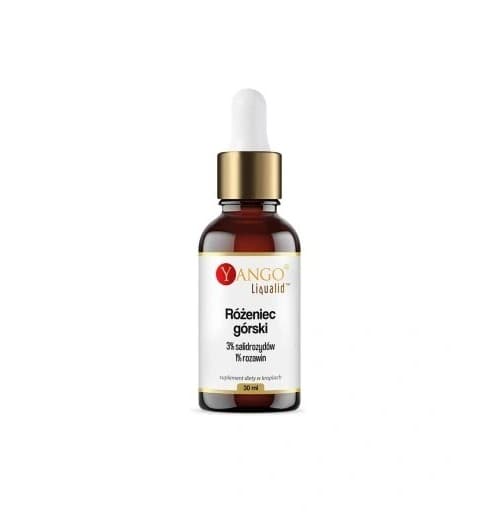
Rhodiola Rosea is indicated as 30 ml, while other products in the selection are indicated in capsules with varying quantities. Volume and quantity are practical details, not measures of equivalence between different products. A capsule product and a liquid extract may differ in composition, serving size and instructions. Therefore, compare products within the same category when assessing package size, and read the label to understand how the manufacturer describes the content. Avoid assuming that two products with similar names have the same concentration or usage.
Plant-based ingredients in the selection
Several product names refer to plants or plant parts: Saw Palmetto, Rhodiola Rosea, Artichoke Extract, Oregano Extract and Cissus Quadrangularis. The names can provide an initial clue about which raw material the product is associated with. Artichoke Extract is also indicated with the designation 10:1, while the Saw Palmetto name includes the information 45% fatty acids. Such figures and expressions should be read together with the full labelling. They do not automatically describe how a product should be used or its significance for an individual.
When comparing plant-based products, you can check whether the label specifies the plant's full name, which part is used and whether the content is described as extract or powder. Also look for any quantity indications and other ingredients. If two products use different designations, they may not be directly comparable. For example, the selection includes both products with the word Extract in the name and products where the name indicates the plant without specifying the form. Let the current ingredient list, rather than just the product name, guide your comparison.
Minerals and other named substances
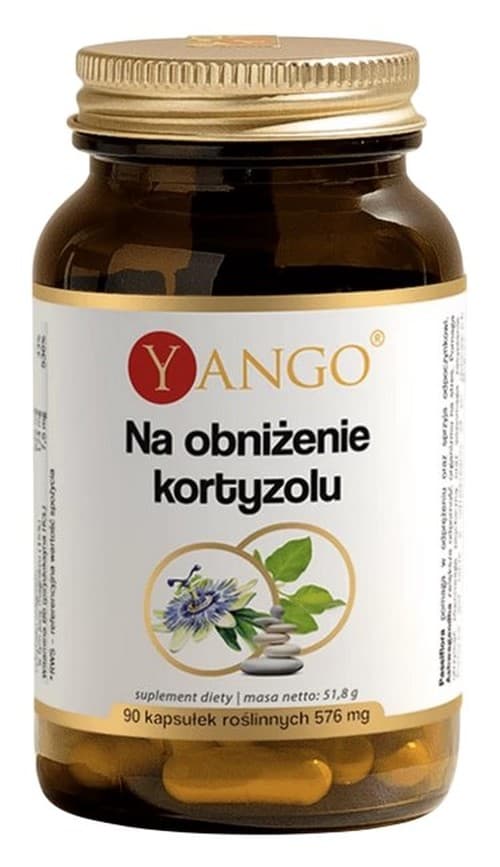
Magnesium Malate is one of the products in the selection and the name indicates magnesium combined with malate. CDP-choline, Piperine 95, Betaine HCL and Squalene Anti-Age are other names pointing to specific substances or product designations. Here it is especially important to distinguish between a name on the front and the complete information about content. The label may provide details on amount per capsule or serving, other ingredients and any instructions. No such details should be assumed from the name alone.
Compare products based on the information actually stated on the packaging. Check the specified form of the substance, amount and serving size, and note whether the information applies to one capsule or a recommended serving. If you compare products with different forms or units, the figures may be difficult to directly relate to each other. Also consider your own dietary preferences and any need to avoid certain ingredients. If uncertain about combinations, medications or specific health conditions, it is wise to consult healthcare professionals before choosing.
How to compare the labelling
Start by reading the entire ingredient list, not just the product name or prominent numerical information. Look for quantity indications, number of capsules or volume, serving information and usage instructions. Also check if the labelling informs about allergens, other substances or restrictions. For products with designations such as 10:1 or a percentage, you can note exactly what the information refers to according to the label. If the meaning is not clearly explained, do not attribute a particular effect or comparability to the figure yourself.
Then compare similar formats and ingredients with each other. A capsule product with 90 capsules cannot automatically be equated with a product with 60 capsules, as serving sizes and content may differ. Similarly, millilitres for a liquid extract is a different type of packaging information than number of capsules. Feel free to write down which criteria are most important to you, for example a certain ingredient, a clear quantity indication or a preferred format.
Practical choices based on format
The format can be a simple first sorting. If you prefer capsules, there are several options in the selection, including Oregano Extract, Artichoke Extract 10:1, Cissus Quadrangularis and Magnesium Malate. For those who want to compare a liquid product, there is Rhodiola Rosea in 30 ml. The format itself does not indicate how a product fits into a person's daily life. Read the instructions for use and storage, and check that you understand the serving information before making a decision.
Package size can also affect which option feels practical, but the number of capsules or volume should be assessed together with the rest of the labelling. Look for whether the manufacturer specifies how the product should be stored and if the packaging contains special instructions. If you already use other dietary supplements, it may be helpful to compare their ingredients with the new product's label. Avoid combining products solely because their names seem to complement each other. For questions about intake or possible interactions, consult a relevant expert.
Immune-related theme and factual information
An ingredient appears in a product for a certain reason according to the product's composition, but this is not sufficient to draw conclusions about what it does. Distinguish between general information about raw materials and the claims permitted for a specific food. Read product information with a critical and factual approach, and do not let thematic headings replace the information on the label.
A product description can help you understand what a package contains, but it does not replace assessment of symptoms or treatment. For recurring problems, questions about medication or special needs, contact healthcare. For the product comparison itself, the most useful information is usually ingredients, amounts, format and clear usage instructions. Check that the information applies to the current packaging, as labelling and product details may change.
How we selected the products in the campaign
The products in the campaign selection have been gathered around Yango and a broad spectrum of named ingredients and formats. Included are, among others, plant-based products such as Saw Palmetto, Rhodiola Rosea, Oregano Extract and Cissus Quadrangularis, together with Magnesium Malate, CDP-choline, Piperine 95 and Betaine HCL. The selection also includes Diatomite Natural Diatoms, Squalene Anti-Age and Artichoke Extract 10:1. The connection to the theme is that the products are shown in a common, immune-related campaign category, not that they have equivalent ingredients or the same usage area.
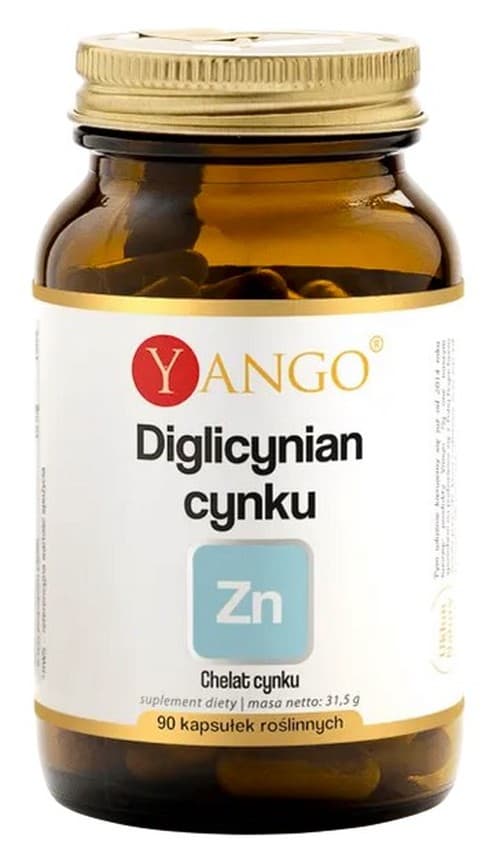
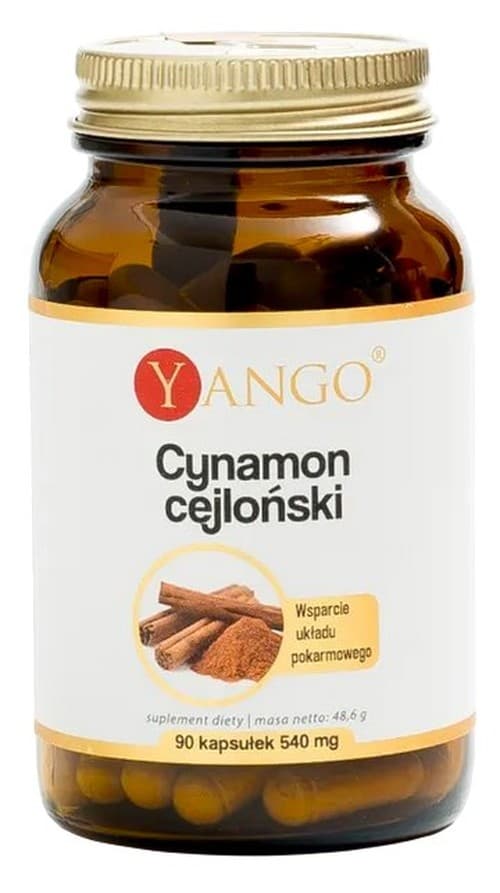
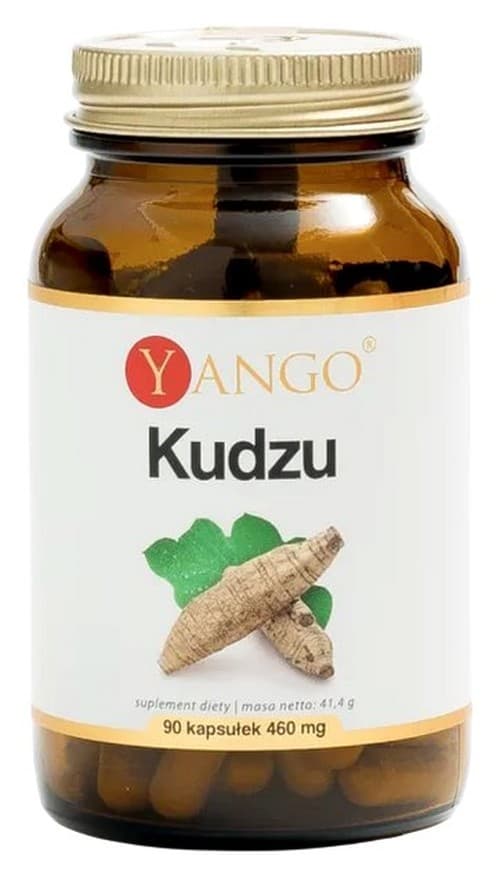
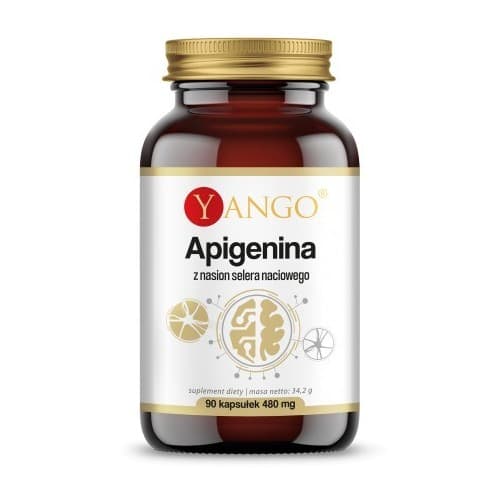
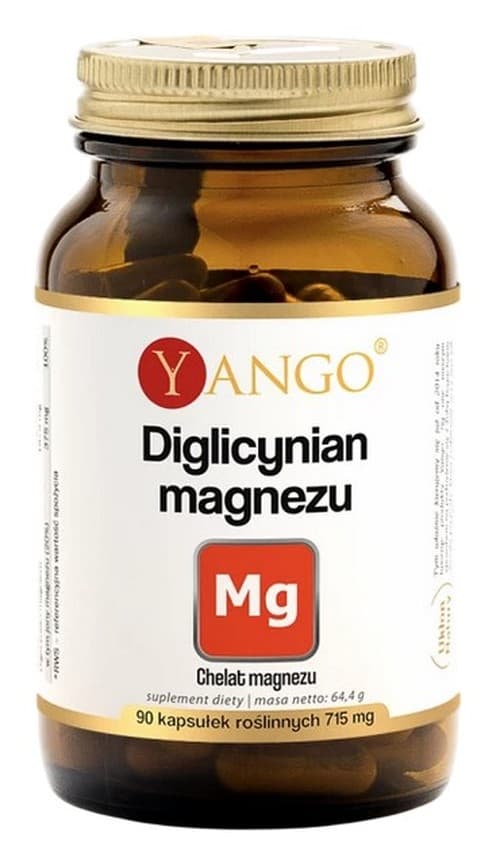
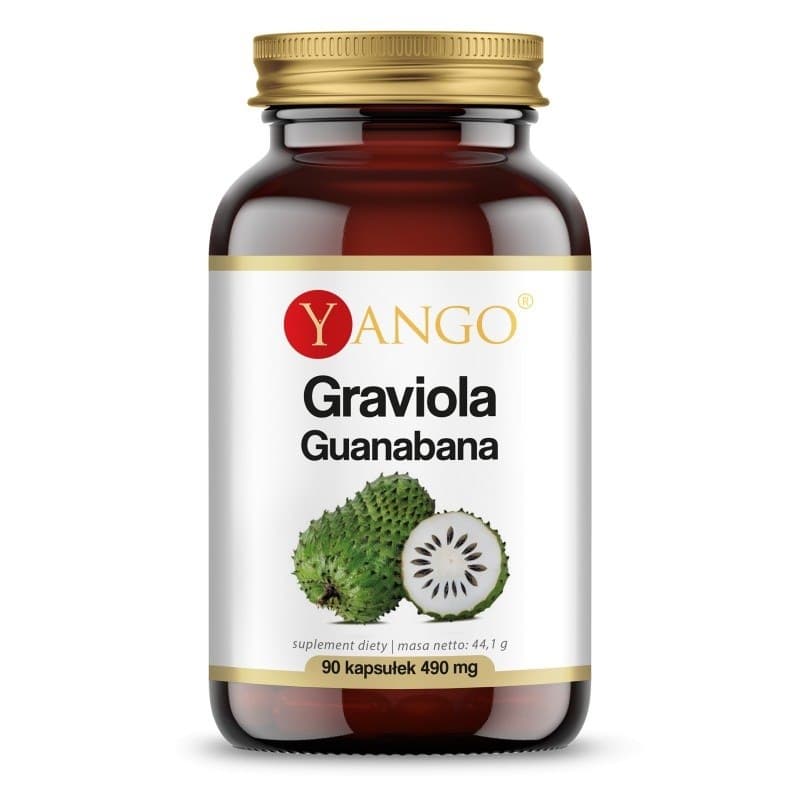
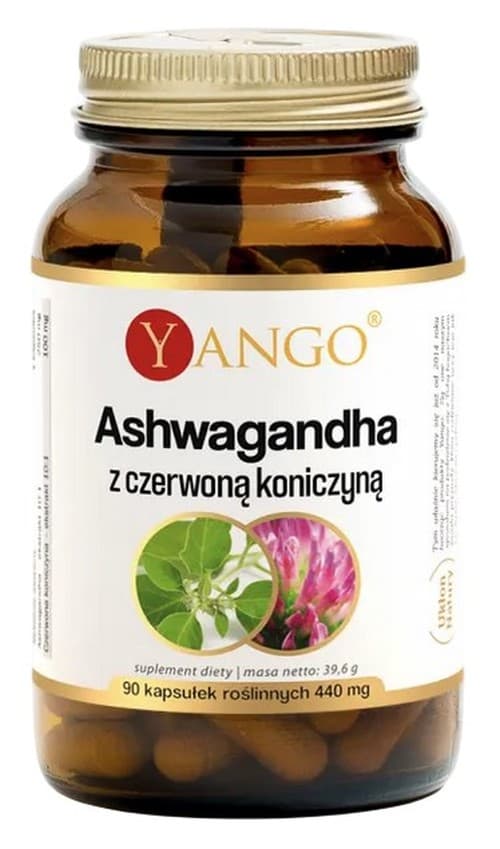
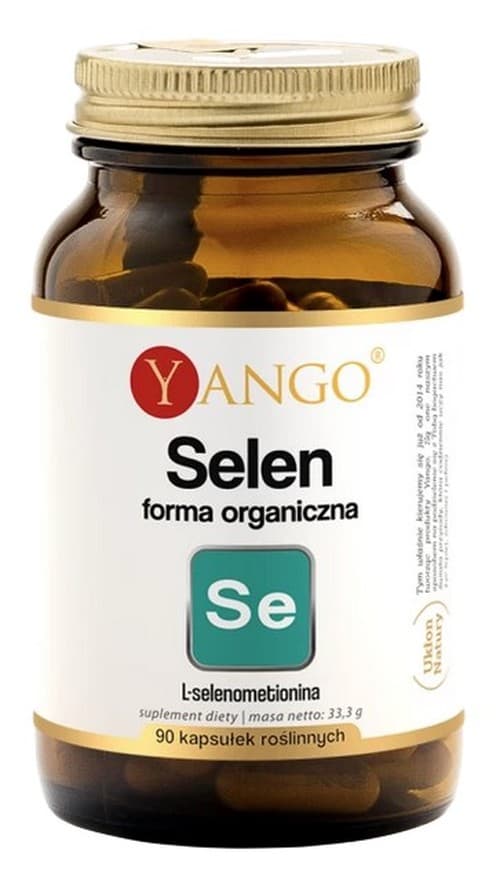
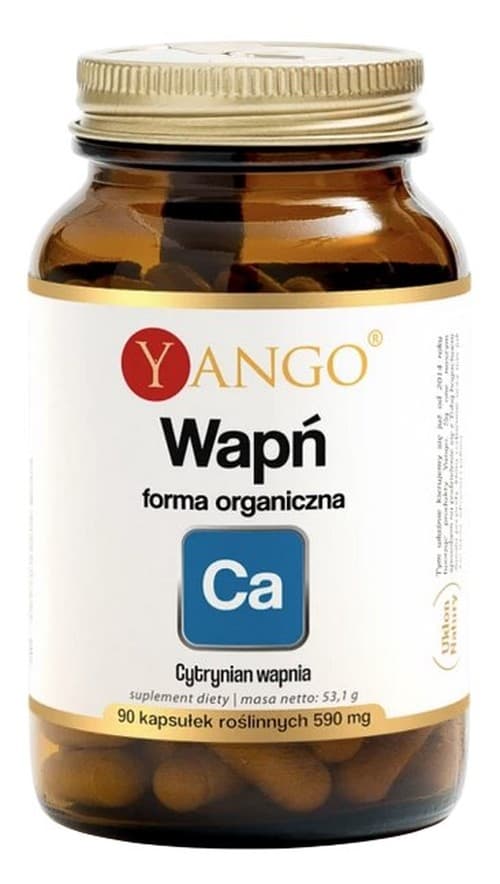
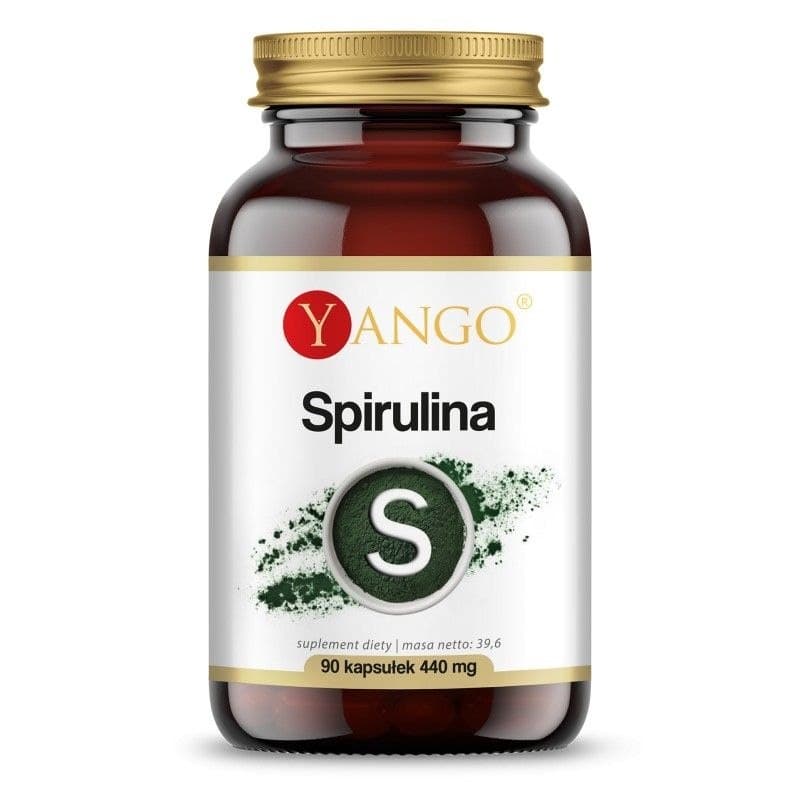
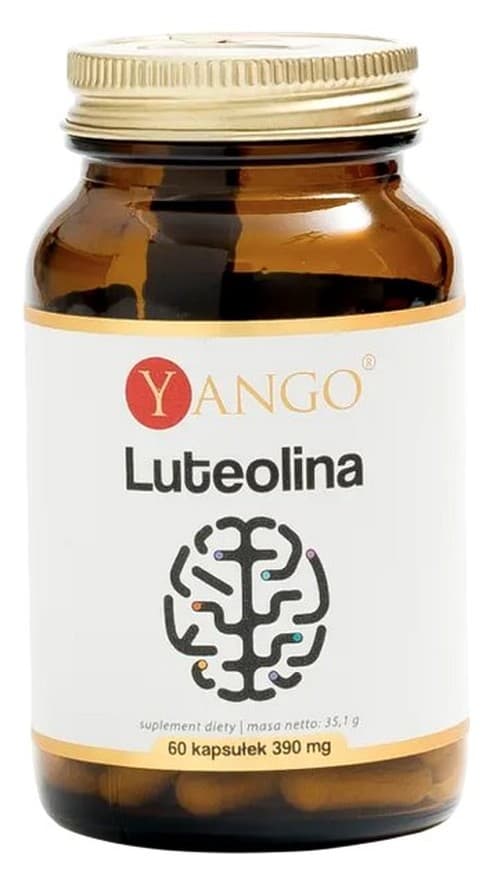
The product images that follow make it possible to see which individual products are included and how their packaging is presented. Use images and product names as orientation, and proceed to the respective labelling for details on content, format and instructions. No properties beyond the information stated for the products should be assumed. When comparing options, you can start from which ingredient and form you are looking for, check the package size and read the full product information. This way, the campaign list becomes an overview of different choices, rather than a recommendation of effect or use.