Yango and plant-based products
An objective guide to contents, labelling and practical choices.
1 selected products
Our selection
Campaign products
Find the option that fits your needs
Choose with the contents in focus
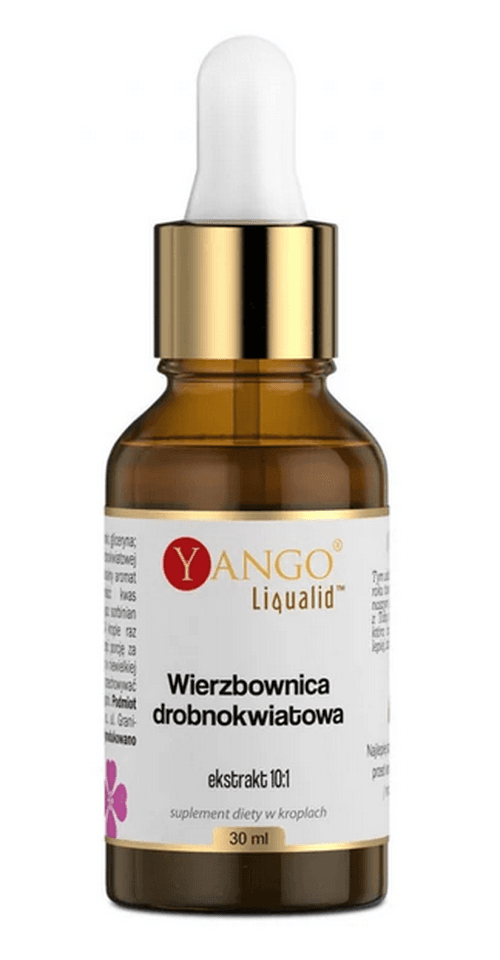
The current selection includes Yango - Small-Flowered Willow Extract - 30ml, a product whose name indicates a plant extract and a volume of 30 millilitres. However, the name alone is not enough to determine how the product should be used or what it contains beyond this. Therefore, read the product label and information carefully before comparing it with other options.
This guide helps you distinguish between information that actually appears on the packaging and details that cannot be inferred from the product name. We cover forms, ingredients, quantity statements and directions for use, as well as practical questions to ask before making a purchase. The text does not describe any health effects or recommend use. Instead, consider it a resource for reading product information methodically and making an informed choice based on your own needs.
1. Plant extracts and product forms
The product name Small-Flowered Willow Extract describes the product as an extract from a plant, and 30 ml indicates the stated volume. This does not in itself tell you which part of the plant is used, how the extract was produced or what its concentration is. Such details need to appear on the product packaging or in the accompanying product information. If you want to compare it with another plant-based product, make sure you are comparing the same type of information: an extract is not automatically comparable with, for example, a powder or a product made from dried plant material.
Liquid products may have different practical considerations from capsules, tablets or powders. The packaging volume tells you how much liquid the container holds, but not how many servings it represents. That depends on the directions for use and any quantity stated per use. Also check how the product should be stored and whether the packaging includes specific instructions for after opening. If these details are missing from the information available to you, do not draw your own conclusions based on the product form or name.
2. Read the ingredients carefully
Start by reading the full ingredients list, not just the ingredient highlighted in the product name. It may show whether the product contains additional ingredients or other components. Check the spelling and plant names carefully, especially when the product information uses an English name. If the label gives a botanical name, this may help you identify the plant in question, but it does not replace information about the plant part or how the extract was produced. Refer to the details on the specific packaging, as product information can vary between products.
Also note how quantities are stated. A quantity per millilitre, serving or recommended daily amount describes different things and should not be compared without conversion. If such information is unavailable, you cannot draw conclusions about concentration or safely compare the amount of active ingredient. Do not invent a conversion based solely on the bottle volume. If in doubt, ask the retailer or manufacturer for the missing information and wait for a clear answer before comparing the options.
3. Compare labelling and origin information
The label is the main place to check the product’s identity and practical information. Make sure the product name, quantity and contents are legible, and that directions are provided in a language you understand. These details are not, in themselves, proof of a particular quality or effect. Assess each statement for what it actually says, and avoid interpreting unclear wording as a guarantee.
Also check whether the online information matches the packaging. Product images may be difficult to read or may show a different label version from the one supplied. If details about ingredients, quantity or use differ, seek clarification before buying. For a fair comparison, write down what is confirmed and what is missing for each product. This makes it easier to spot when two products cannot be compared directly, for example because quantities are presented in different ways.
4. Directions for use and precautions
Always follow the directions for use provided with the specific product and read any warnings on the label. No dosage is given here, as this information is not available in the source material. The product name and volume do not provide enough information to calculate a suitable amount or frequency of use. If the directions are unclear, missing or illegible, contact a responsible party rather than estimating a dose. Store the product according to the label and keep it out of reach of children if the packaging says to do so.
If you take medicines, have a medical condition, are pregnant or breastfeeding, it may be sensible to consult a healthcare professional before using a product. This is general precautionary advice and does not mean that a specific risk has been established for the product mentioned here. Do not stop prescribed treatment to replace it with a food supplement. If you experience an unwanted reaction, follow relevant advice from healthcare professionals and the product labelling. Always check that the information applies to the specific packaging you have, not another variant.
5. Practical criteria when choosing
First consider which product form suits your practical needs. A bottle of liquid may differ from capsules or powders in terms of storage, handling and how the amount is measured. Check whether the packaging includes the type of measuring aid required by the directions; do not assume one is included unless this is stated. Also bear in mind that 30 ml is the stated bottle volume, not a promise of a particular duration of use. That depends on the instructions and how the product is intended to be used.
Next, compare details that can be checked: ingredients, quantity statements, pack size, instructions and price. The price per bottle may be difficult to compare with the price of a different form or size. If the relevant amount per serving is stated, you can use it for a fairer comparison, but only when the information is clear and comparable. Do not assess products based on vague expressions or assumptions about effects. If an important detail is missing, it is reasonable to take that unanswered question into account when making your decision.
6. Energy as a theme, without promises of effects
Energy is a broad theme that can refer to anything from everyday routines to how products are presented. A product featured under such a theme should not automatically be interpreted as providing energy or affecting tiredness. Such conclusions require support from permitted and relevant product information. Based on the information available, the only thing that can be said about the product in this selection is that its name indicates a plant extract and a volume of 30 ml.
If you compare products with a focus on energy, stick to concrete, verifiable information on the label. Read which ingredients are listed and in what quantities, if quantities are provided. Also check the directions for use and warnings rather than letting a category or marketing phrase guide your interpretation. A balanced assessment distinguishes between a product’s actual contents and expectations about what it will do. When the information is not enough to answer a question, it is better to acknowledge that than to fill in the gaps with assumptions.
7. Questions to resolve before buying
Before making a decision, check whether the full ingredients list is available, whether the plant part and extract details are stated, and how the quantity should be understood. Find out what directions apply to use and storage, and whether there are any specific warnings. If the information is presented in several languages, check that the details appear to refer to the same product and packaging. You may wish to save the link or photograph the label so you can later check exactly what it said when you made your comparison.
You can also ask the responsible seller or manufacturer about any missing information, such as how a stated quantity is defined. Ask a clear question and request a specific answer that can be checked against the product information. If the response is vague or does not answer your question, do not interpret it as confirmation. For questions about how a food supplement may interact with medicines or relate to an individual health situation, a healthcare professional is a more appropriate contact than the product’s marketing materials. This keeps the product comparison objective and your personal questions separate.
How we selected the products in the campaign
The product selection below consists of Yango - Small-Flowered Willow Extract - 30ml. Its connection to the theme is the stated name and form: a plant extract in a pack with a volume of 30 millilitres. The available source material contains no further product details that could be used to describe ingredients, concentration, dosage or intended use. The product is therefore presented here as a specific example to assess, not as evidence of any particular health effect or as a recommendation for a particular need.
When you look at the product information after the article, you can use the advice above: check the label, read the full ingredients list, and compare quantity statements and directions where available. If you need to know more than is shown in the available information, seek a clear answer from a responsible source before drawing conclusions. The selection is limited to the stated product and does not mean that other forms or ingredients have been assessed. This makes the product images that follow understandable as a presentation of the specific product referred to by the theme.