Vitamin D during the darker months of the year
Learn about vitamin D, calcium and what to compare when choosing supplements.
30 selected products

Our selection
Campaign products
30 products

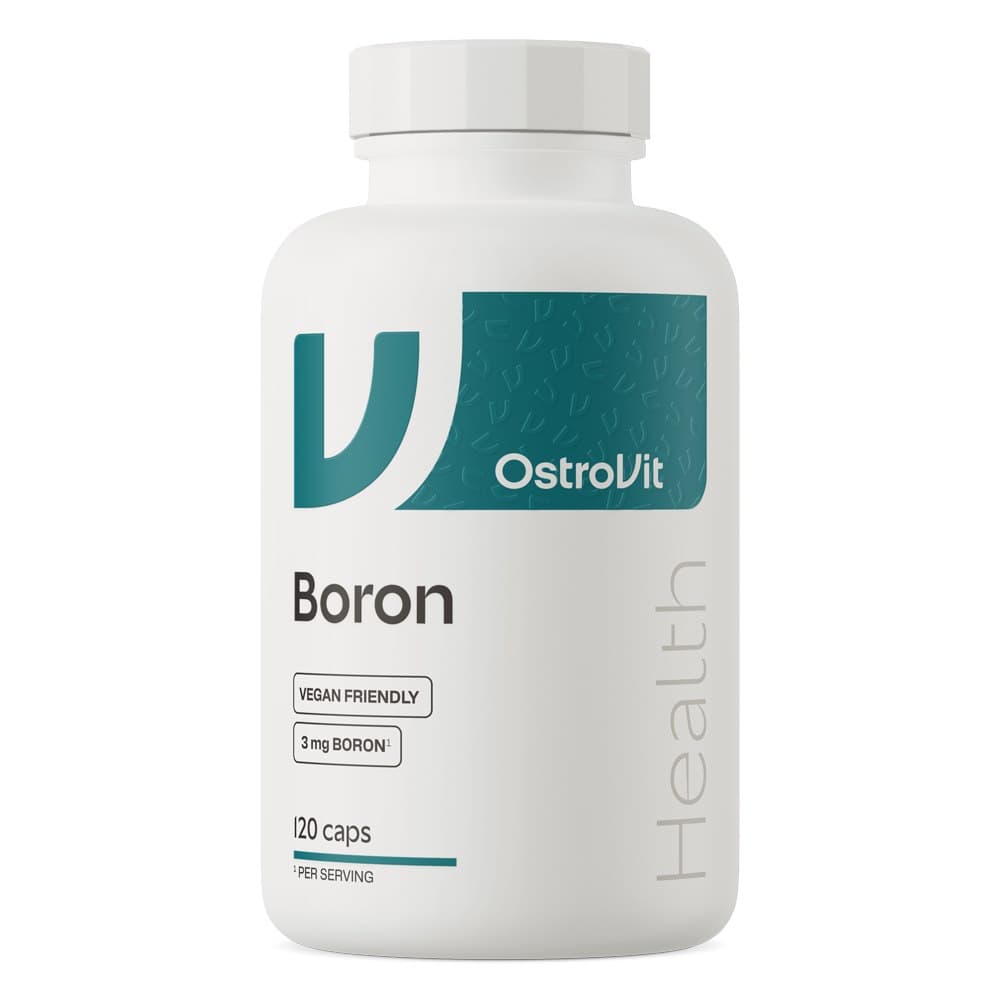

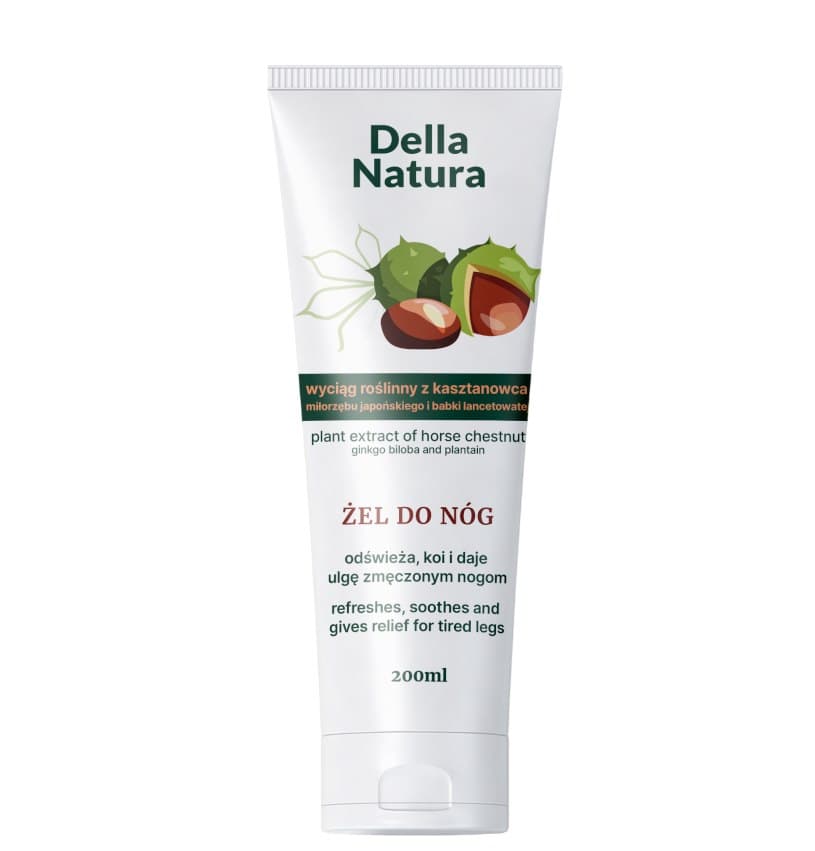
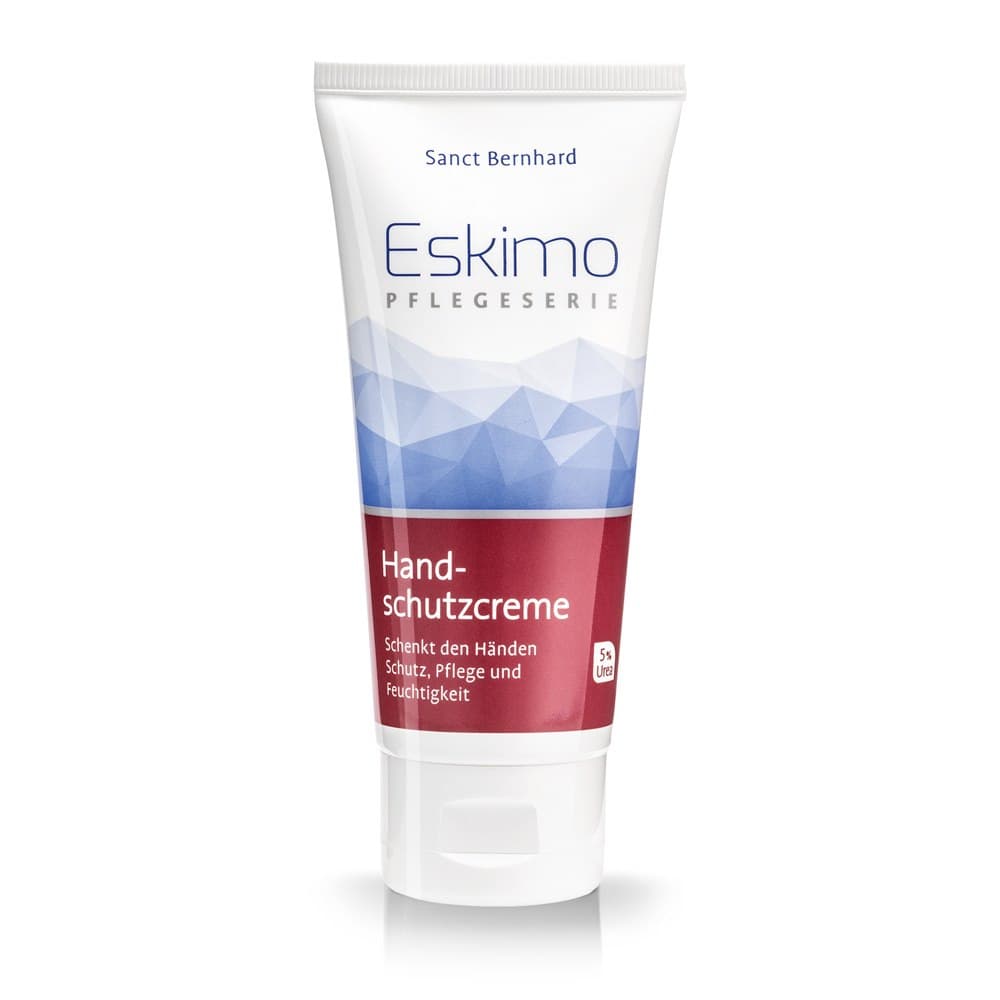
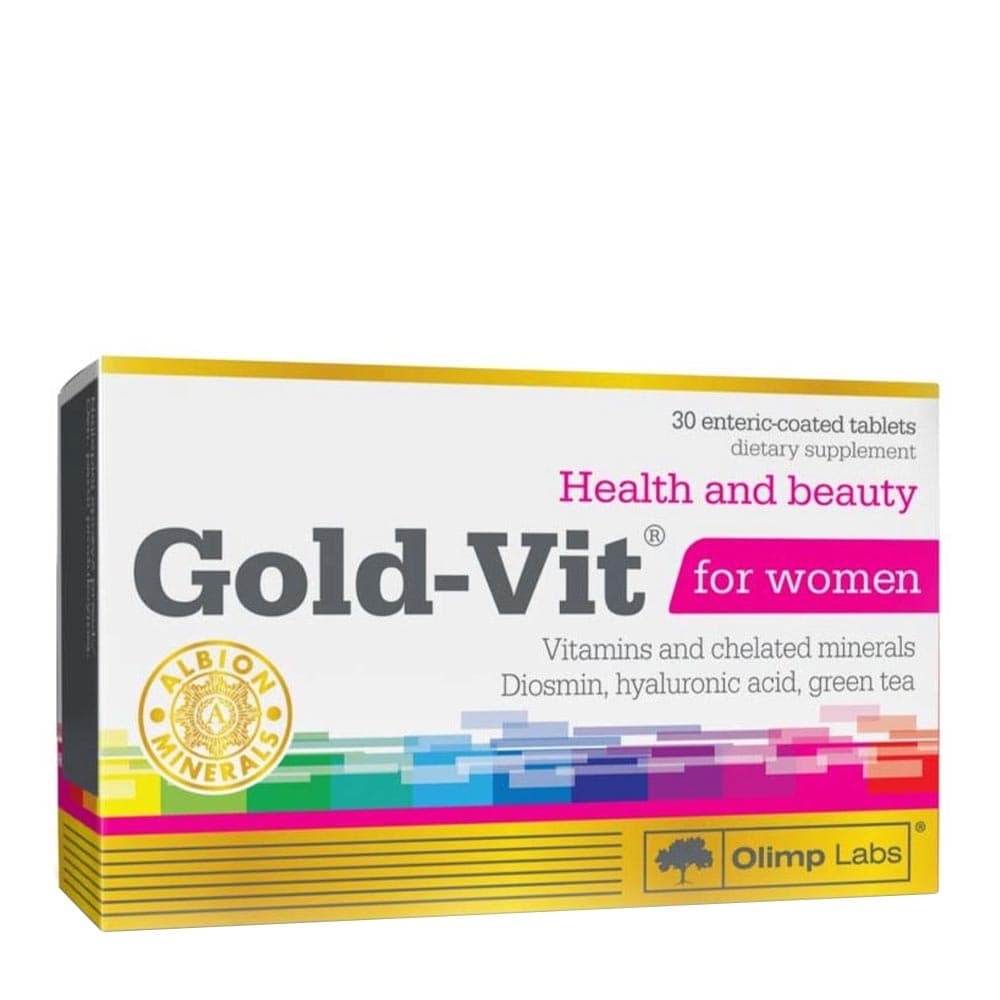



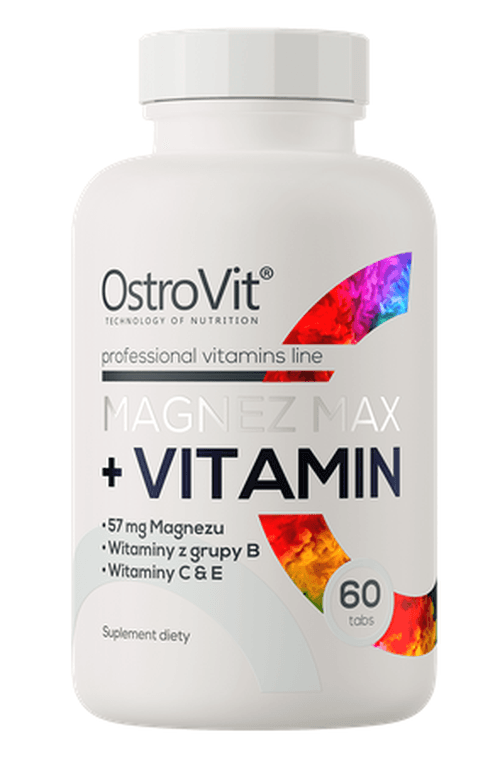

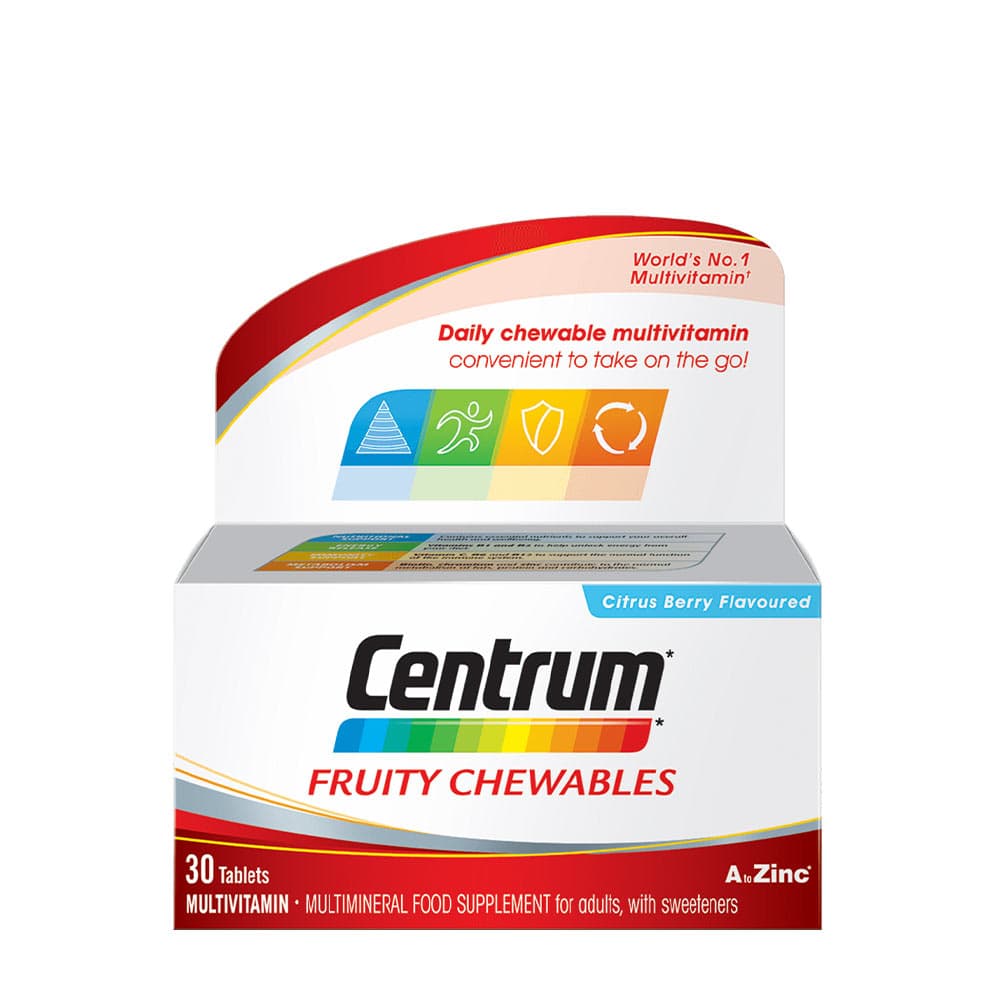
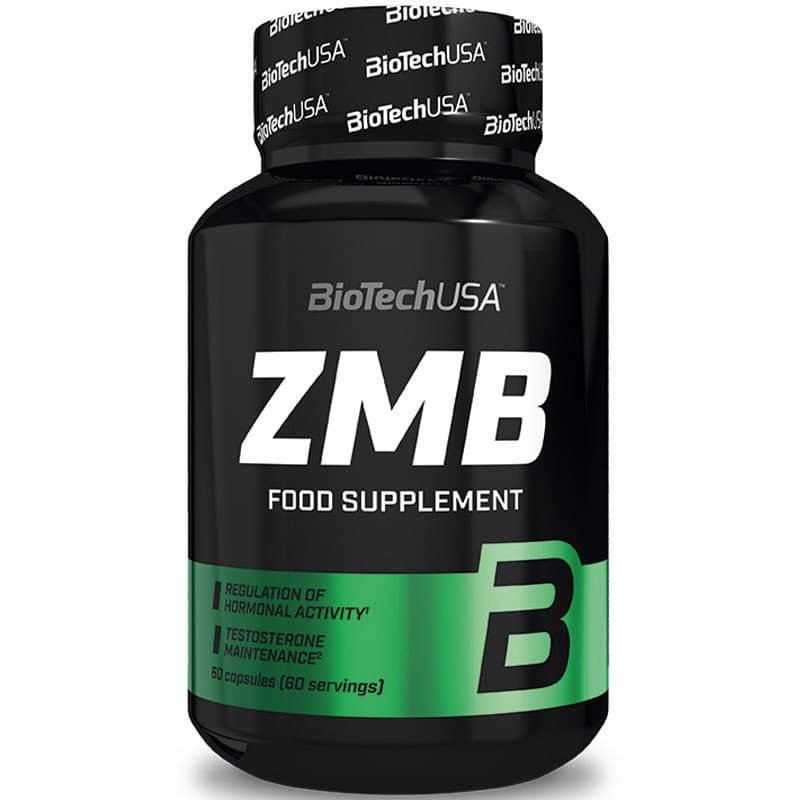
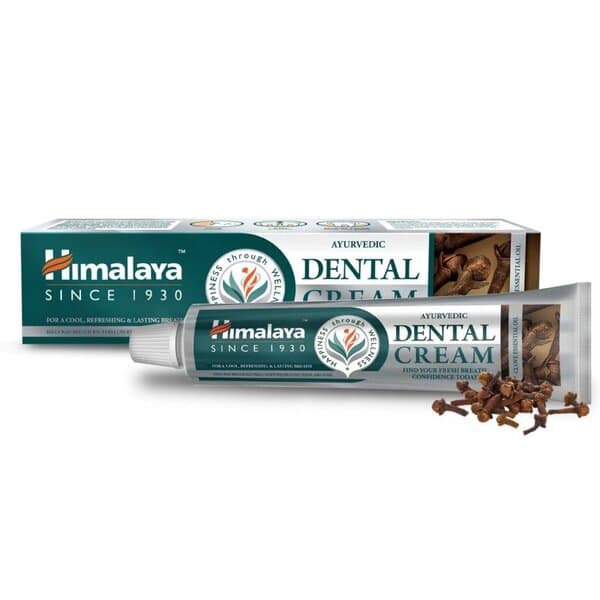
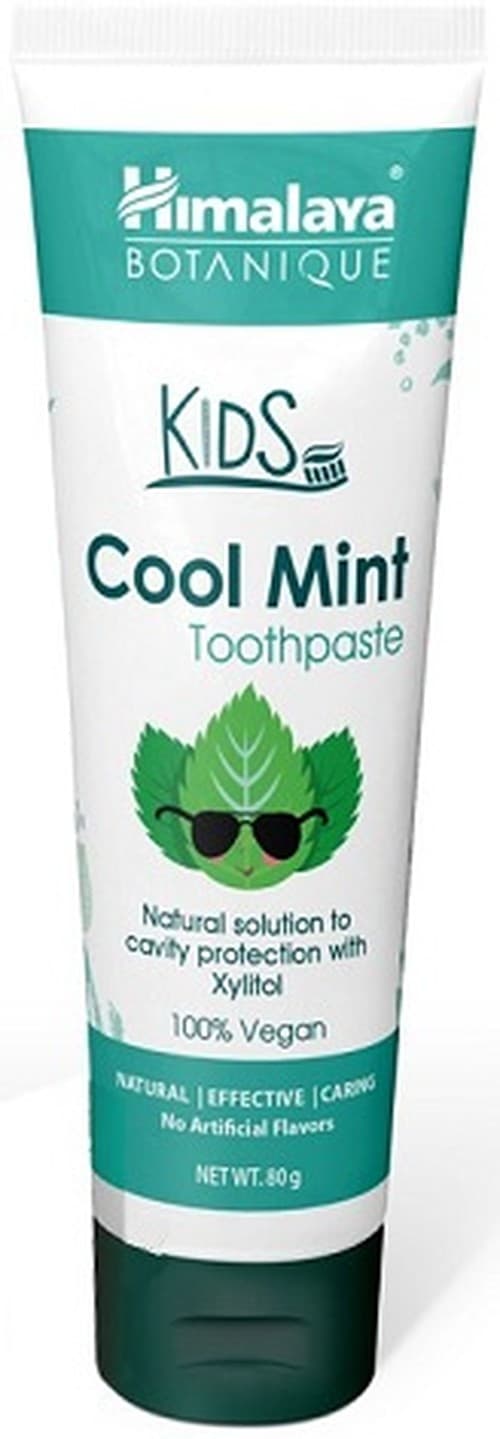
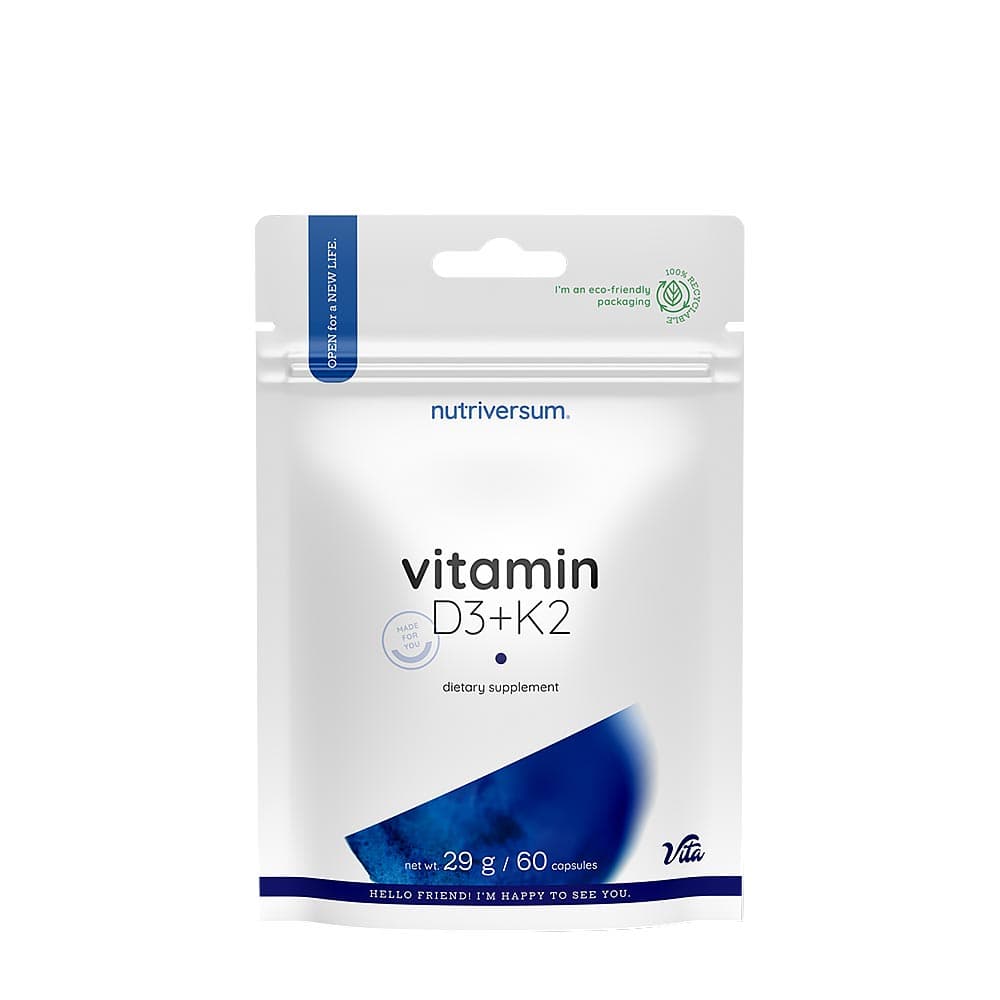
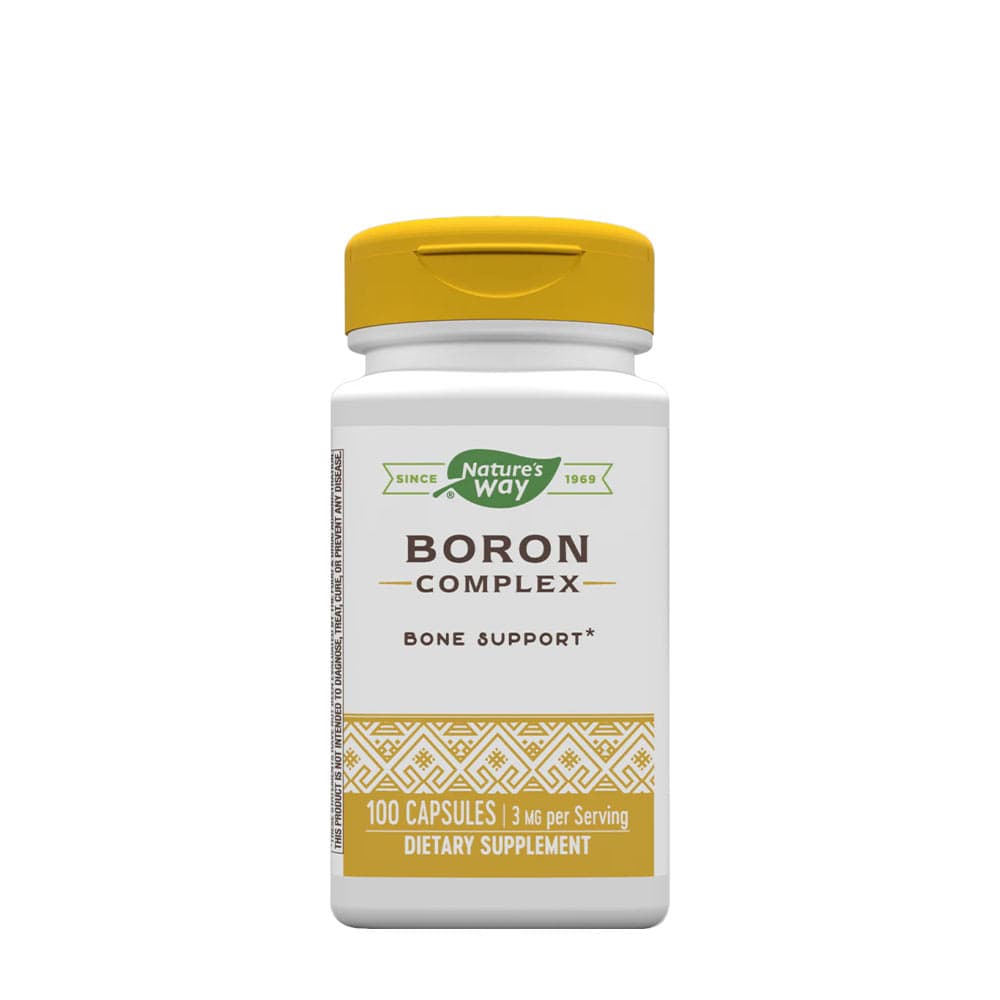
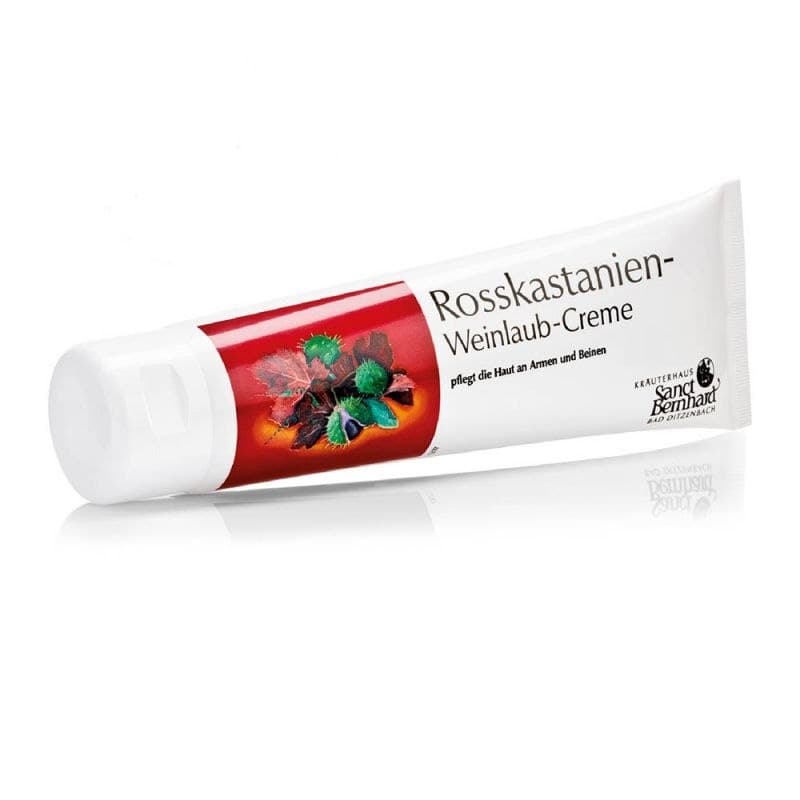


Find the option that fits your needs
Vitamin D as the days grow shorter
As autumn turns to winter, both daylight and our daily routines change. This guide helps you navigate supplements containing vitamin D and calcium, understand what the label says and compare different product forms. Vitamin D is a nutrient that the body can produce in the skin when exposed to sunlight, and it is also found in some foods and food supplements. Needs and choices vary from person to person, so take your diet, habits and any advice from healthcare professionals into account.
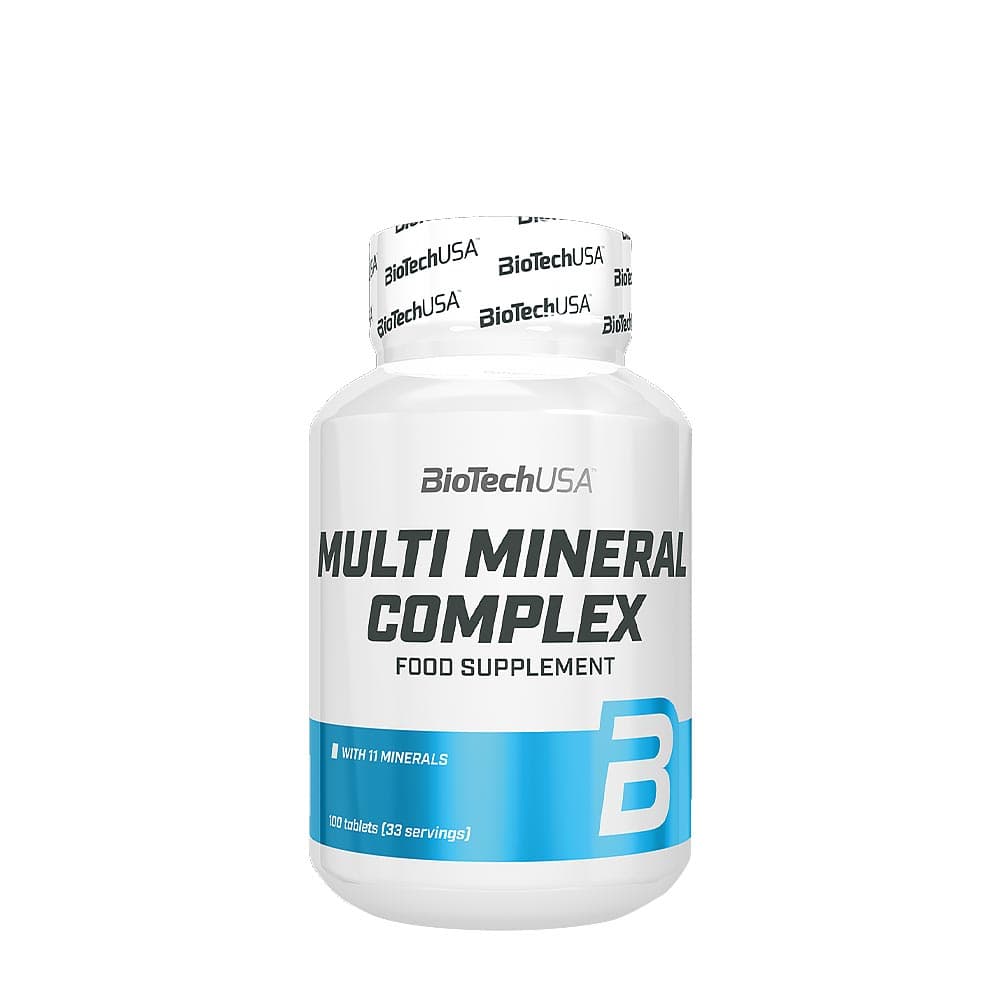
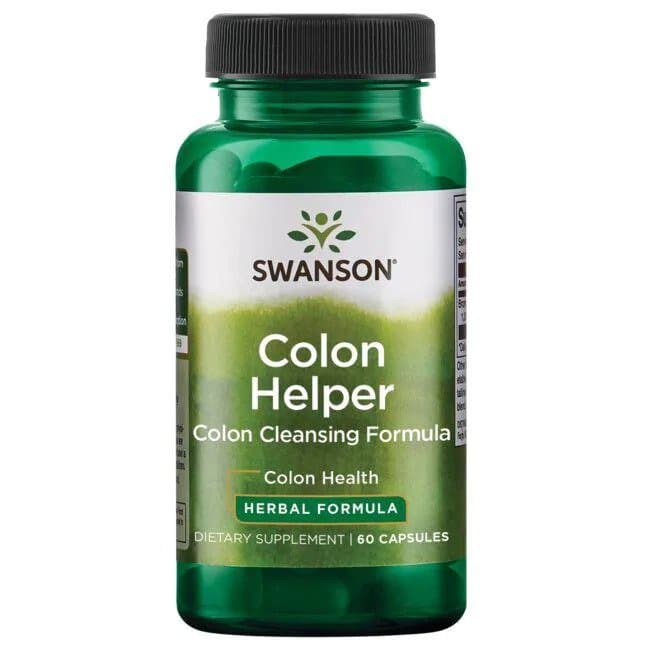
The theme also includes products that are not vitamin D supplements. The selection includes, among other things, mineral products, multivitamins, herbal tea and products for skin or oral care. Their being shown together does not mean that they have the same purpose or contents. Read the product name and ingredients list for each item, and distinguish between general food supplements and products that explicitly contain vitamin D or calcium. This makes it easier to choose based on a specific need rather than the season’s theme alone.
Vitamin D, calcium and nutrients
Vitamin D and calcium often come up in discussions about the skeleton and bones, but they are different nutrients and should not be confused. Calcium is needed for the maintenance of normal bones. Calcium is needed for the maintenance of normal teeth. These are the authorised health claims used in this guide.
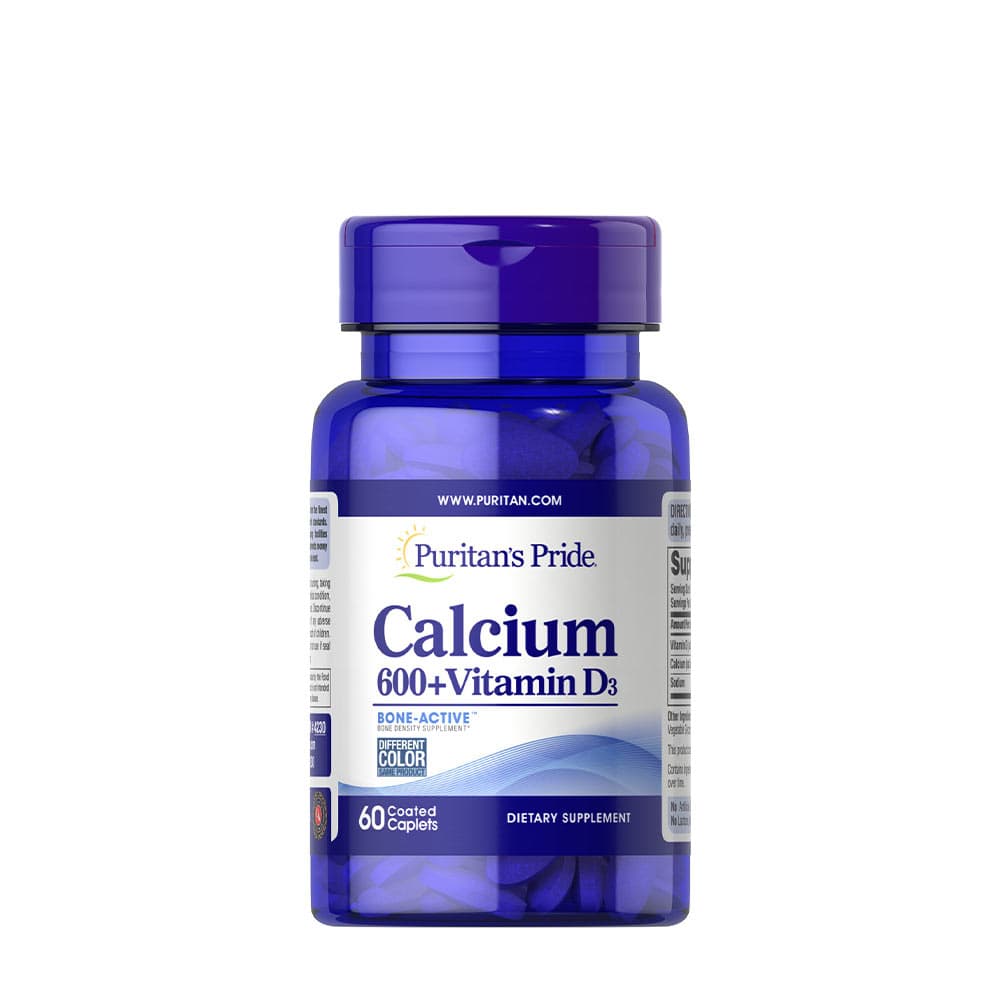
If you compare products with several ingredients, check which vitamins and minerals they actually contain. Names such as “multi”, “mineral” or “calcium” can provide an initial clue, but do not replace the label. The current selection includes, for example, a product whose name specifies calcium and vitamin D3, as well as mineral and multivitamin products. Check the contents, amounts and recommended use on each product’s packaging. Do not assume that two products with similar names have the same composition.
Forms and varieties in the selection
Food supplements are available in several forms, such as tablets, capsules and chewable products. The product selection includes, among other things, tablets containing calcium and D3, calcium products in wafer form, multivitamin tablets and capsules containing a mineral. The form may affect how well a product fits into your daily routine, but does not in itself indicate whether it is suitable for a particular person. Always check the product’s own description and label to see what it contains and how it is intended to be used.
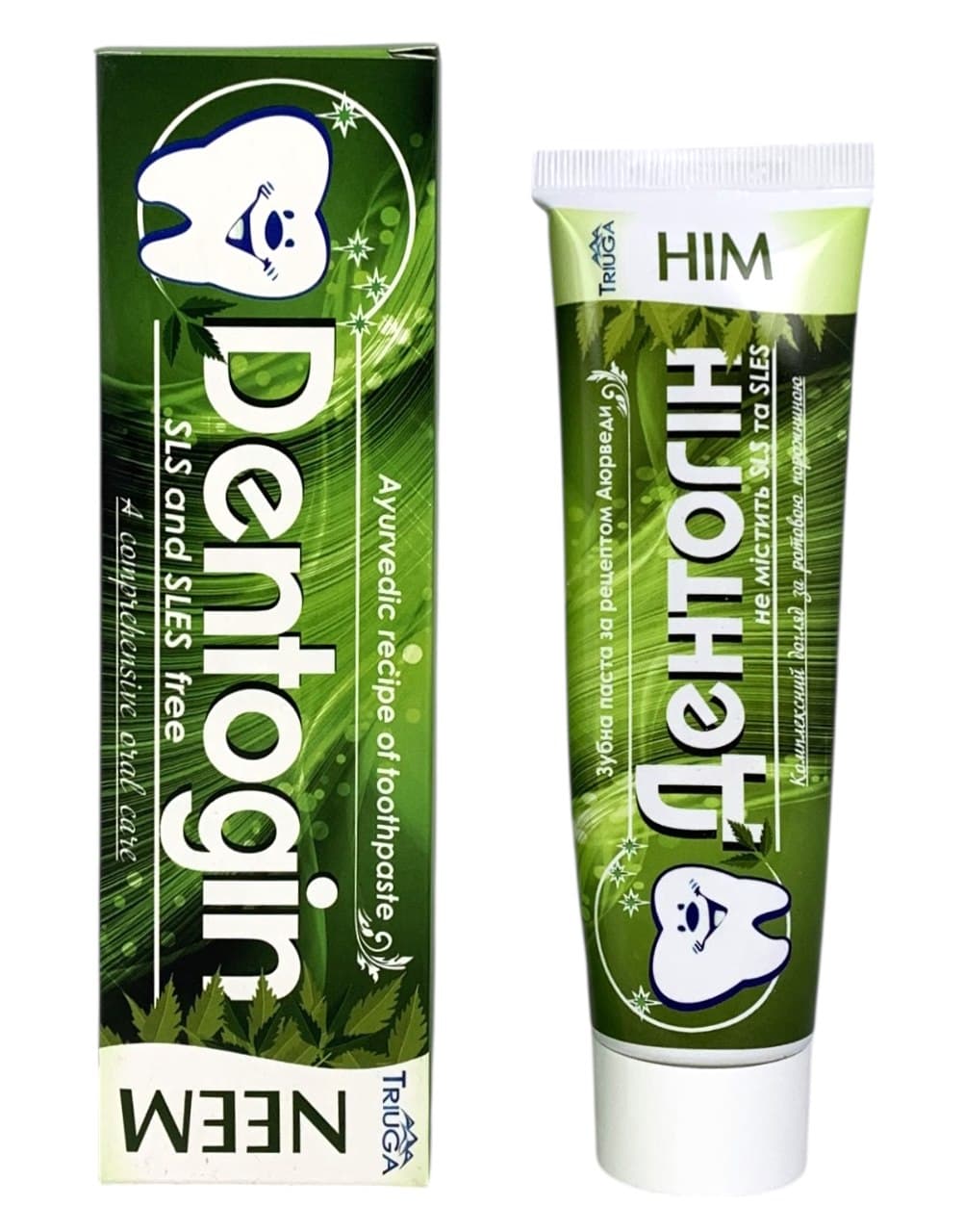
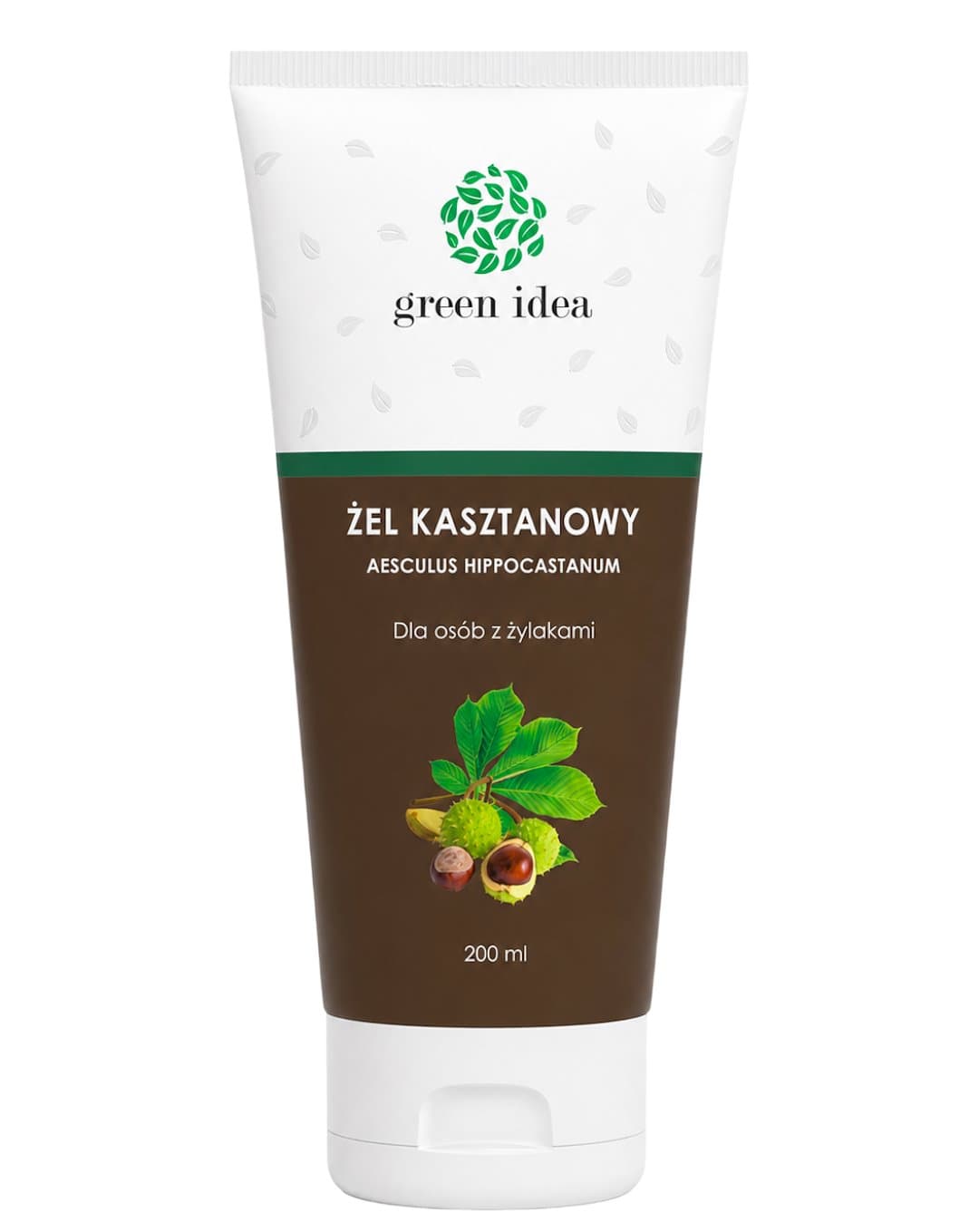
The selection also includes products outside the food supplement category, such as herbal tea, toothpaste, hand cream and gel. They should be assessed according to their respective product information, not as sources of vitamin D or calcium. A clear comparison therefore starts by sorting products by purpose: nutrients to eat or swallow, tea as a drink, and products for external use or oral care. Also read the packaging information about contents and use, as the product name does not always describe every detail.
How to compare labels
Start by reading the full ingredients list and nutritional information. Look for the name of the nutrient you are interested in and check the amount per serving as stated on the label. Also check how a serving is defined, as comparisons can be misleading if products specify different numbers of tablets or capsules. If a product contains several vitamins and minerals, it may be useful to read the full list, not just the ingredient highlighted in the name.
Next, check other product information, such as allergen information, storage and directions for use. Do not compare only the price or number of units; the amount per serving and the product’s intended use also matter. If you already use other supplements, it may be helpful to list their contents and ask a pharmacist or healthcare professional if you are unsure about combining them. Specific advice may be relevant if you take medicines, are pregnant or breastfeeding, or have a health condition that affects your diet and nutritional needs.
Choose according to your routine and needs
Practical selection criteria can make it easier to navigate the range. Consider what type of product you are looking for, which form works with your routine, and whether you want a single nutrient or a combination product. Then read the label to make sure the contents match what you are looking for. A product with several ingredients is not automatically a better choice than one containing a single nutrient; it depends on what you need and what you already get from food and other supplements.
It can also be helpful to distinguish between the season and individual needs. The darker months are a reason for many people to review their habits, but the choice of supplements should not be based on the assumption that everyone needs the same thing. Diet, time spent outdoors, life circumstances and advice from healthcare professionals can all affect what is relevant to consider. If you have questions about your personal needs or whether a supplement is suitable alongside medicines, ask a qualified healthcare professional or pharmacist for guidance.
Read the product’s authorised labelling and do not use general statements about the season as evidence of a particular effect. In this text, health claims are limited to the explicitly stated claims about calcium.
To assess a product, focus on verifiable information: ingredients, amounts, form and directions on the label. If the product description mentions a nutrient, check that it is also listed in the ingredients. Be aware that products in the same campaign may have entirely different purposes. Herbal tea, hand cream and a multivitamin are not interchangeable, and their inclusion in the same selection does not mean they share properties.
Storage and use in your routine
Always follow the instructions on the specific product’s packaging. These explain how the product should be used and stored, as well as any precautions. Keep food supplements out of the reach of children and do not use them in any way other than as directed on the label. If you have questions about the contents or use, contact a pharmacist or healthcare professional rather than trying to draw conclusions from the product name or the instructions for other products.
A simple routine can start with gathering the supplements you already use and reading their labels. Note which nutrients they contain and compare them with the product you are considering. Products that are not food supplements have their own purposes and instructions. Tea, toothpaste and skincare products should therefore not be assessed using the same criteria as tablets or capsules containing vitamins and minerals.
How we selected the products in the campaign
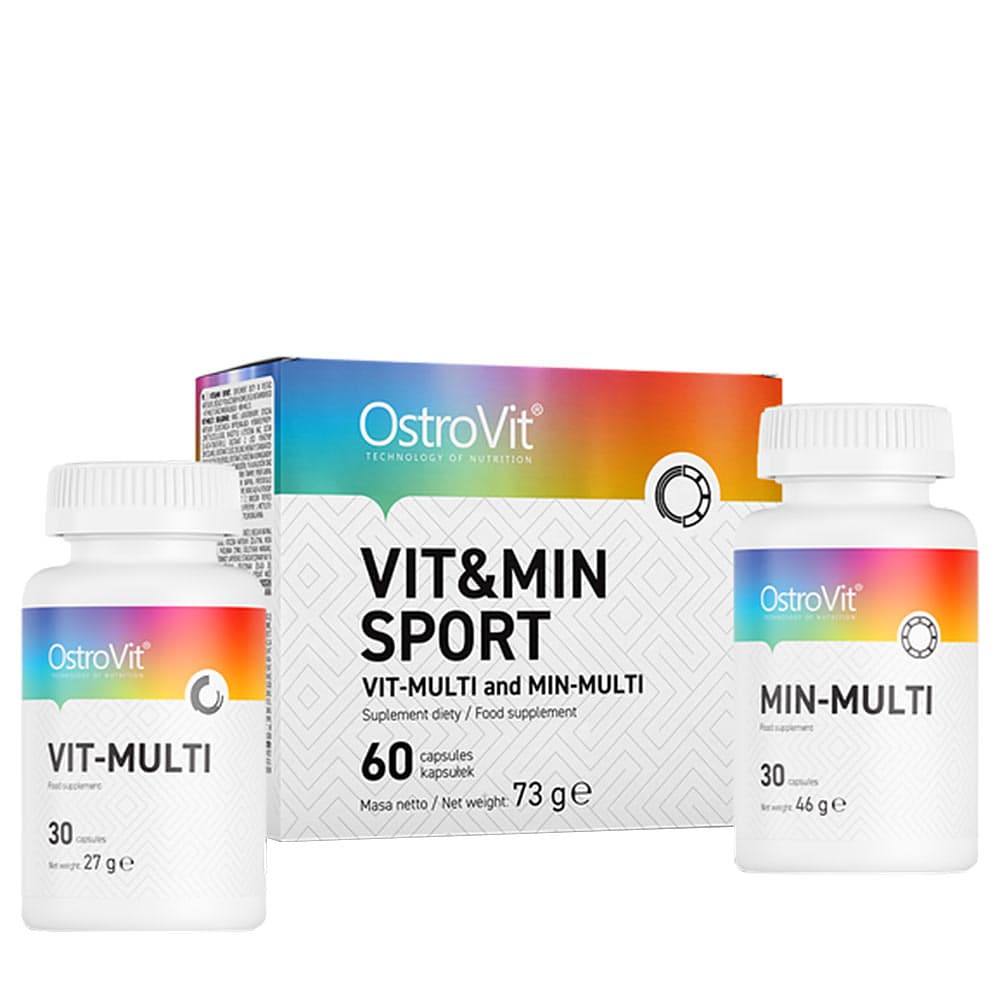
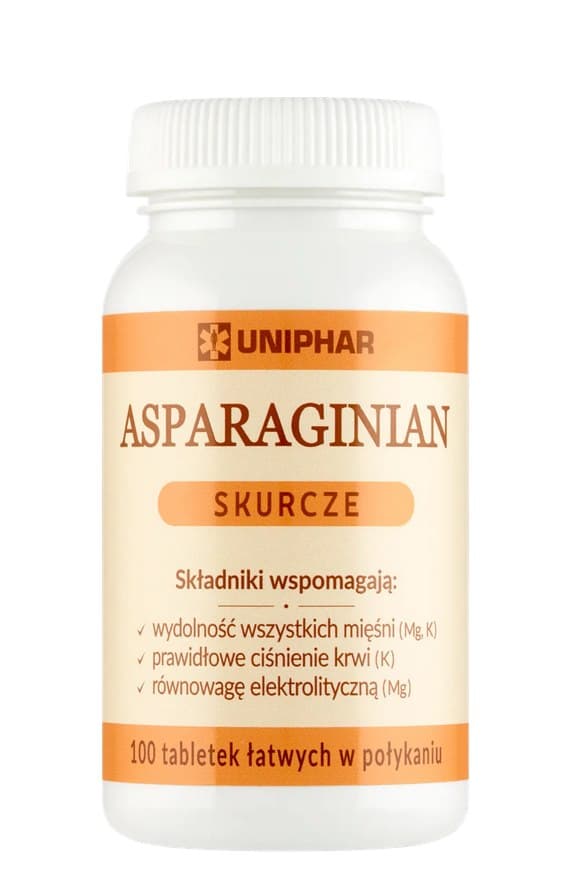
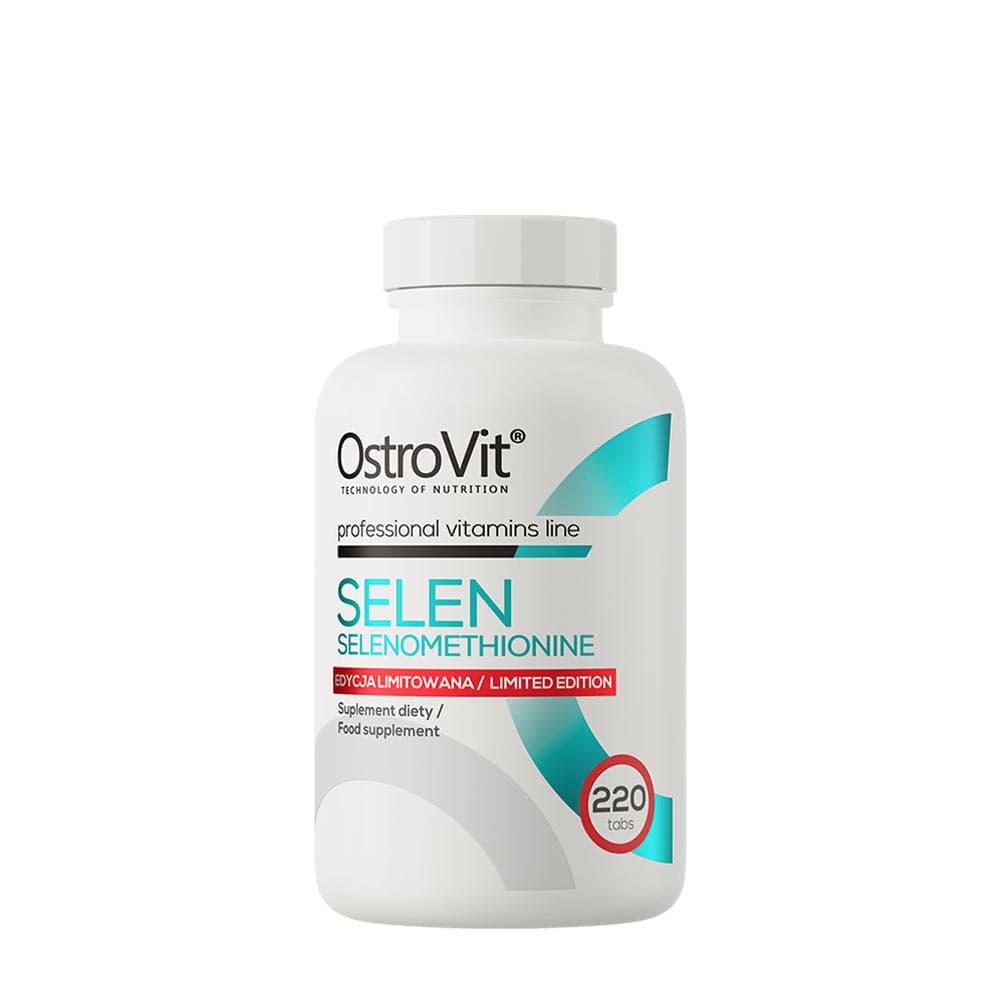
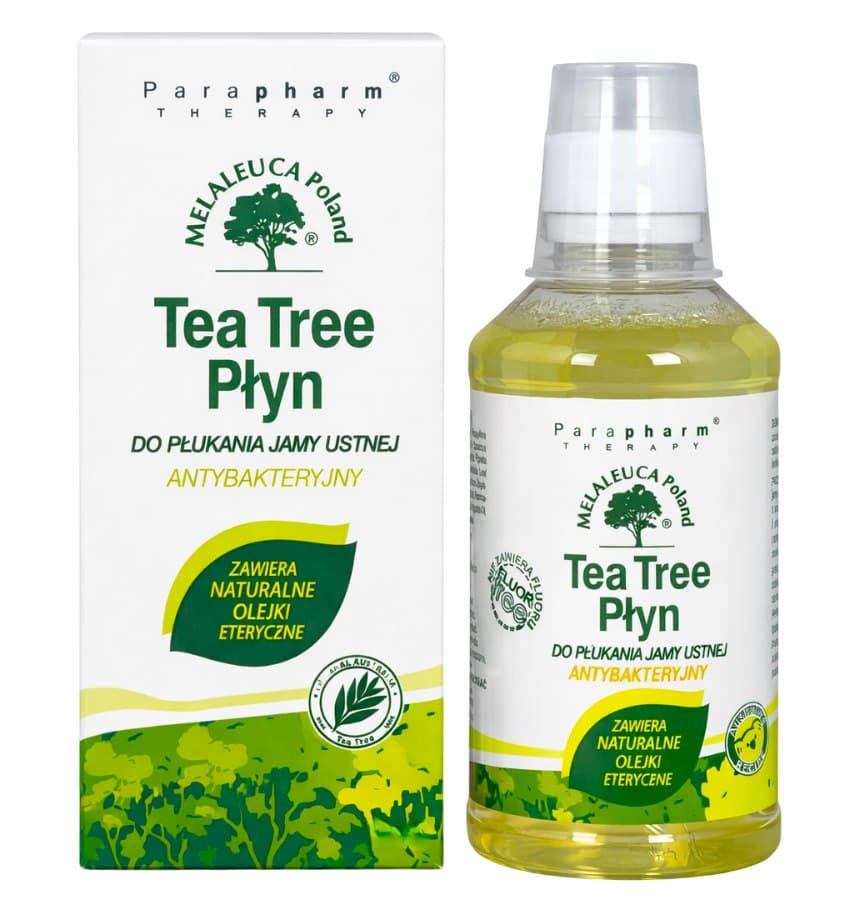
The product images below show a varied selection related to the theme of vitamin D and the darker months of the year. These include Puritan's Pride Calcium + Vitamin D3, whose product name specifies calcium and D3, as well as products containing minerals, multivitamins and calcium. The selection also includes other types of goods, including herbal tea, toothpaste, hand cream and gel. These different categories have distinct purposes and should not be interpreted as equivalent sources of vitamin D or calcium.
The selection is intended to make it possible to compare different product forms and find out more about what each product contains. Names and product categories provide only an overview; the label and full product information are essential for details about ingredients and use. Therefore, check each product separately and choose according to what you are actually looking for. The campaign’s seasonal theme is a starting point for information, not a promise of an effect or a recommendation that everyone needs the same product.