Vegan and natural
Plant-based choices and practical advice on iron and B12, among other topics.
30 selected products
Our selection
Campaign products
30 products







Find the option that fits your needs
Thoughtful plant-based choices
Choosing vegan and natural products can mean many different things: dried herbs, capsules with plant-based contents or other products with ingredients from plants. Here, you can find guidance on the different forms and labels, so your choice is based on what the product actually contains and how you intend to use it. The campaign selection includes hibiscus, red clover, spirulina and ashwagandha, as well as products whose names indicate other ingredients or product forms.
Terms such as natural, organic and plant-based do not automatically mean the same thing. So read the product information rather than drawing conclusions from a single phrase on the front of the pack. For those following a fully plant-based diet, nutrients such as B12 and iron may also be relevant, but the ingredients list and nutrition declaration need to be checked for each individual product. This selection includes a B-complex and several herbal products; that does not in itself mean that every product is vegan, organic or a source of a particular nutrient.
Different forms and varieties
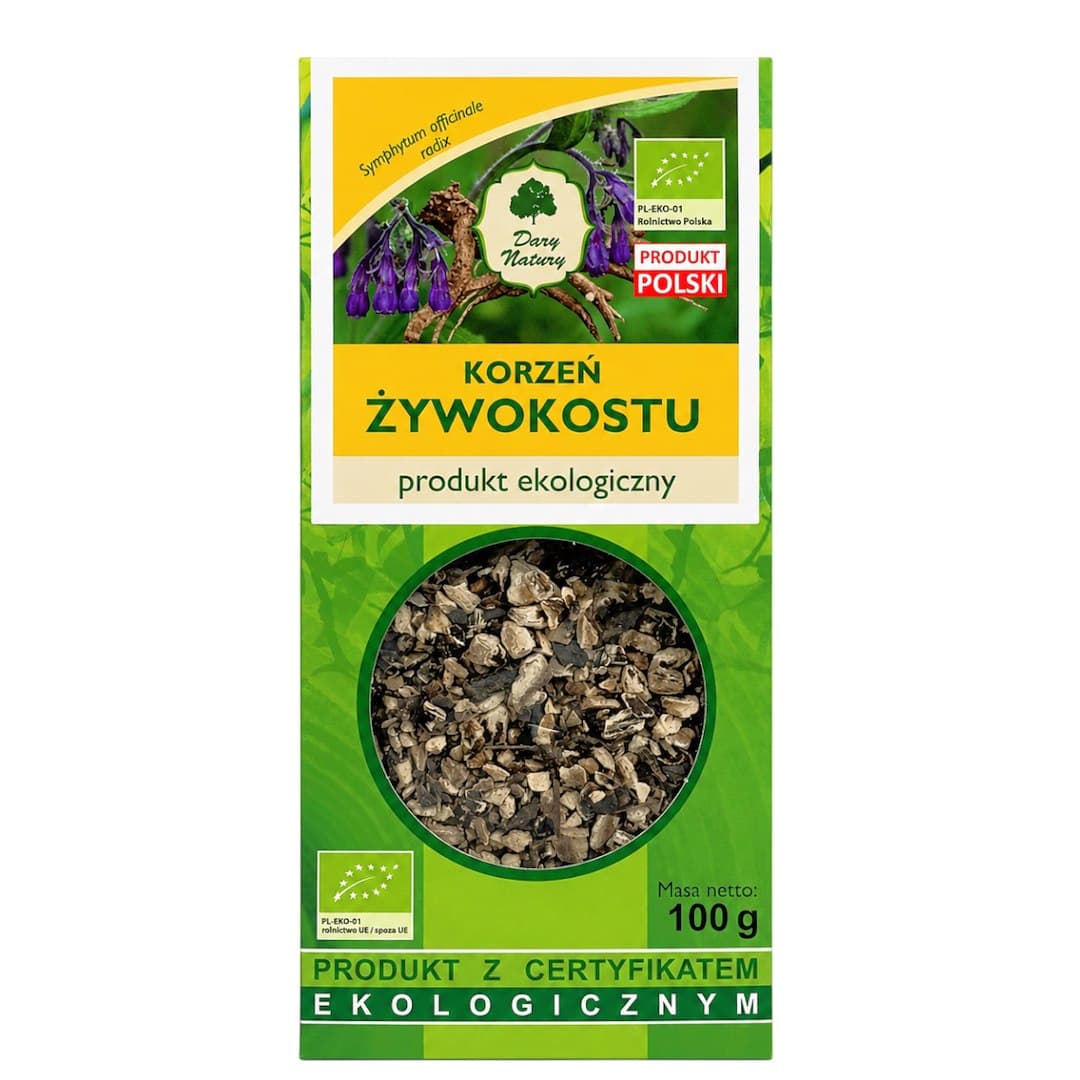
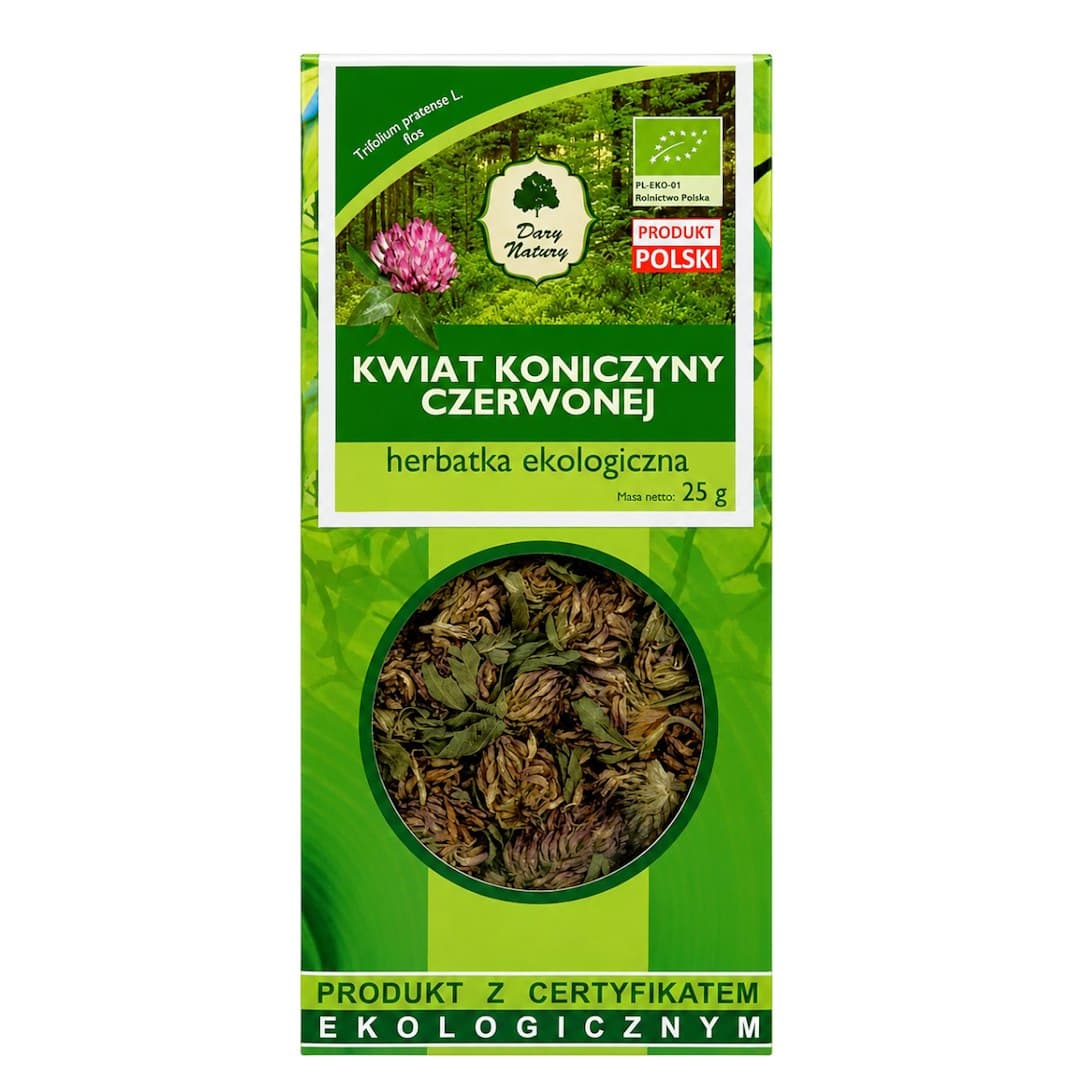
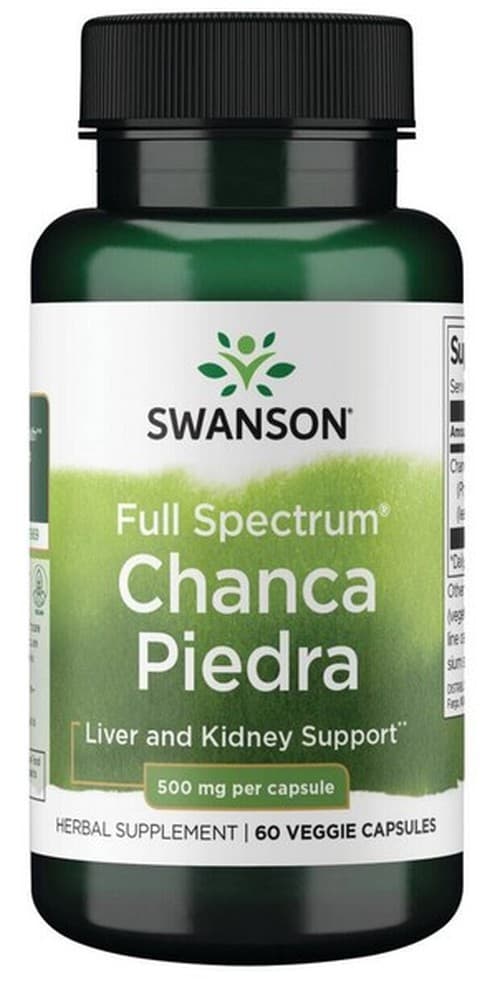
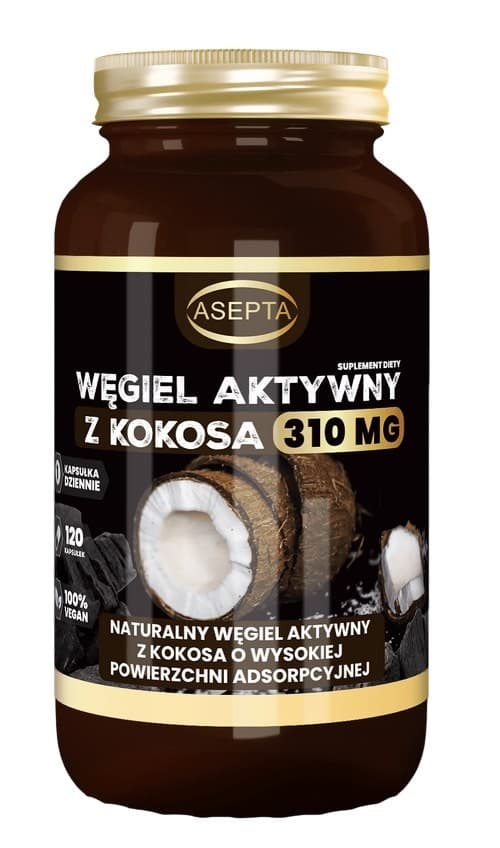
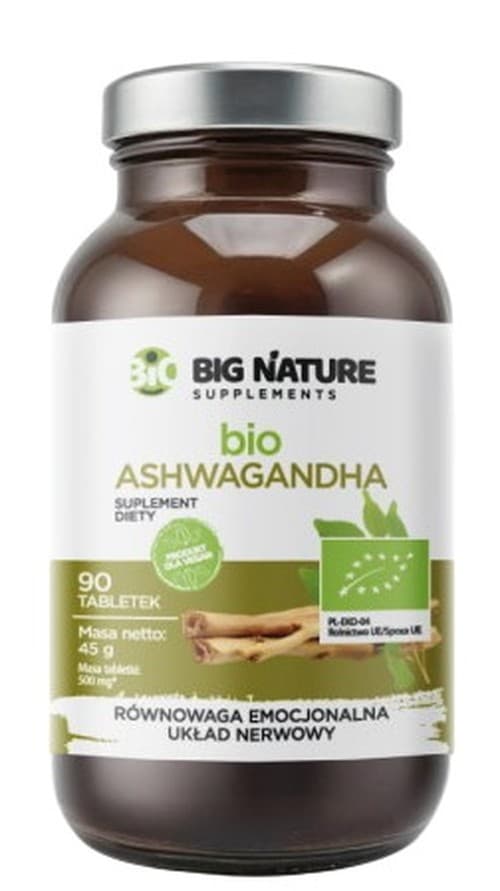
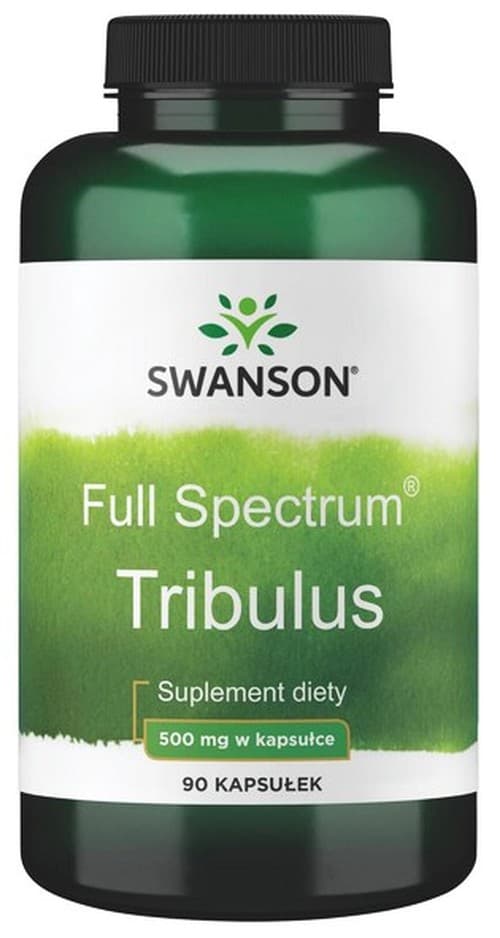
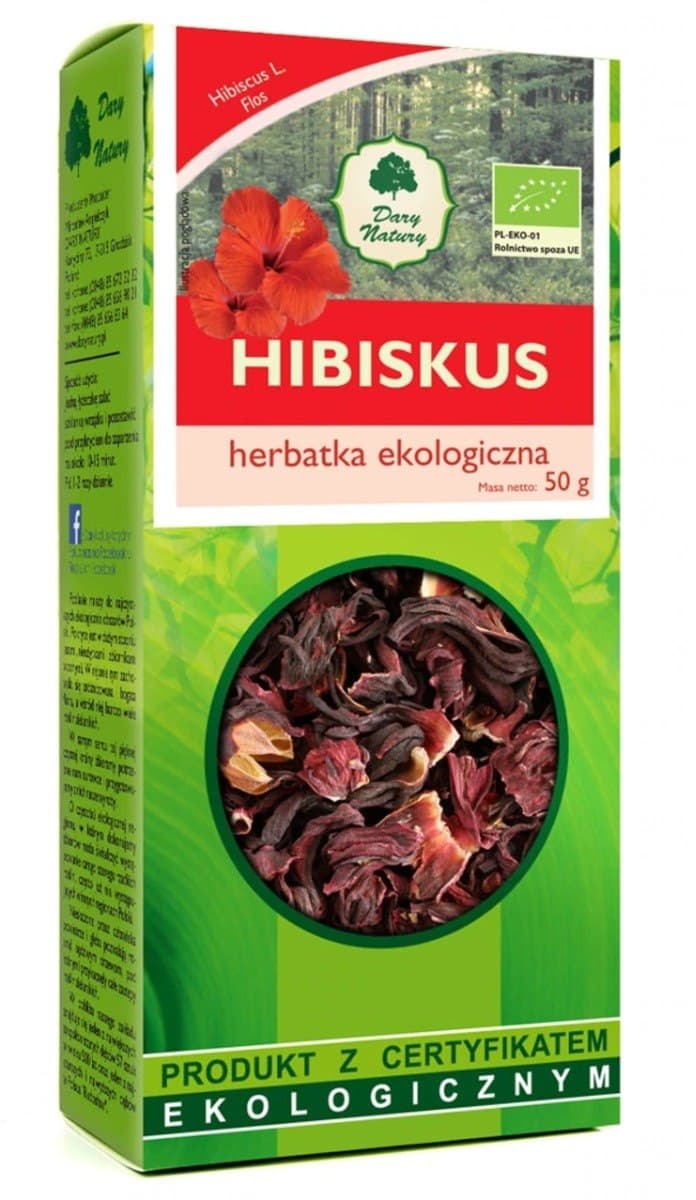
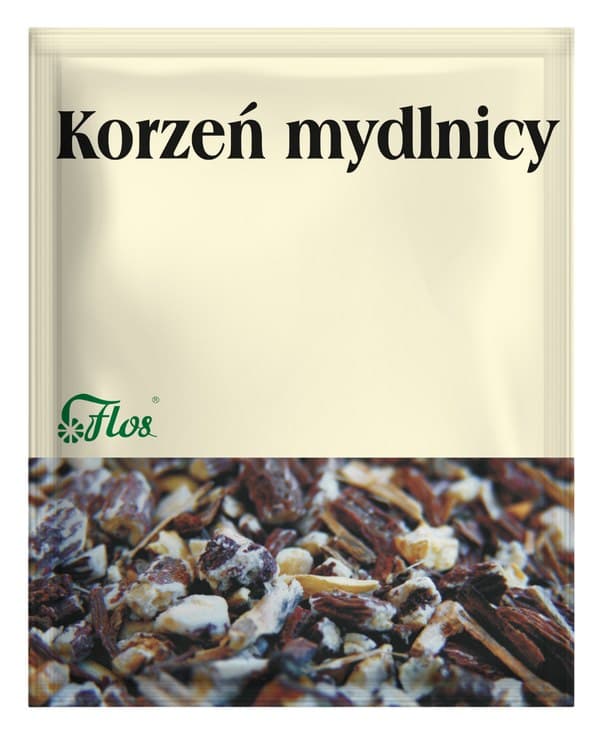
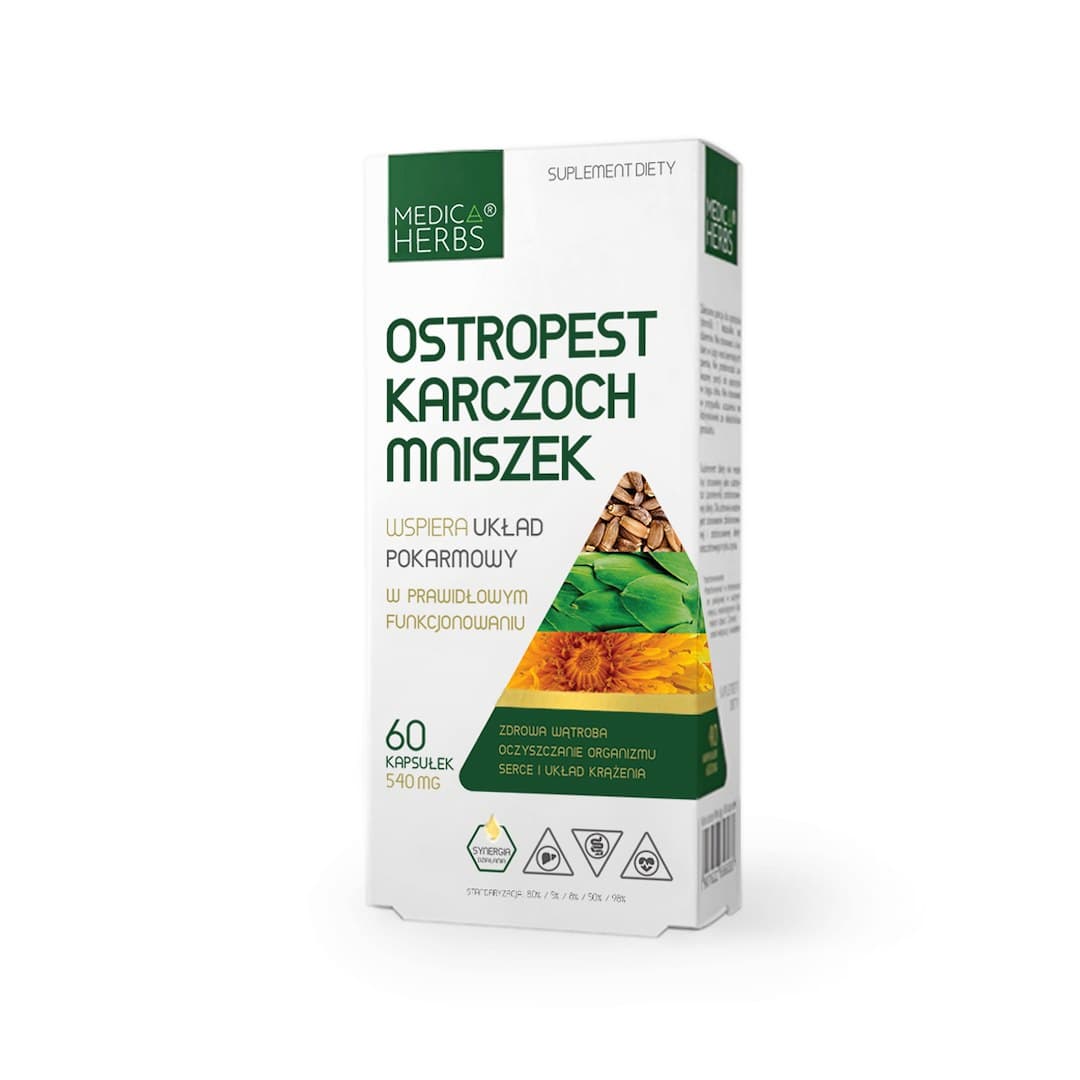
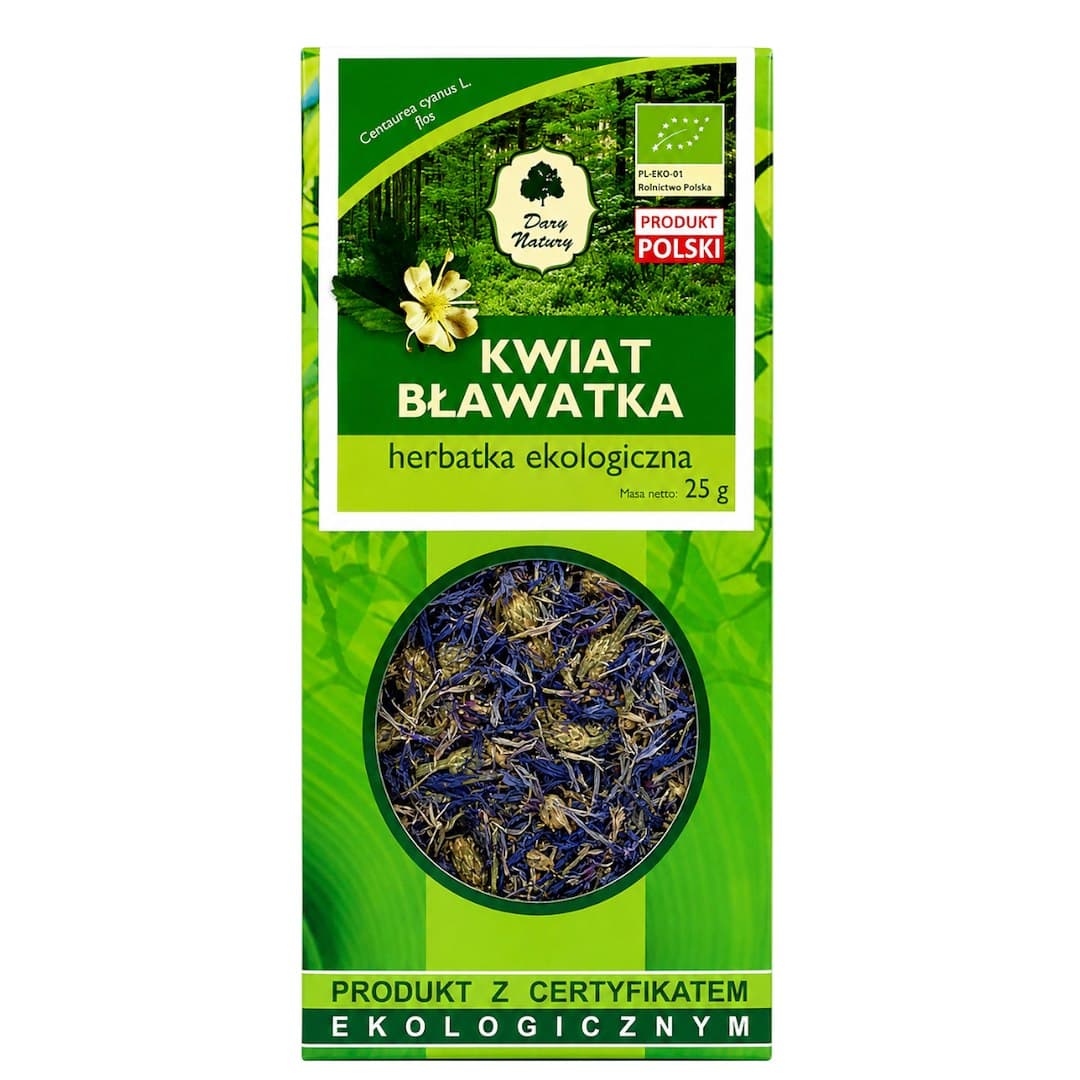
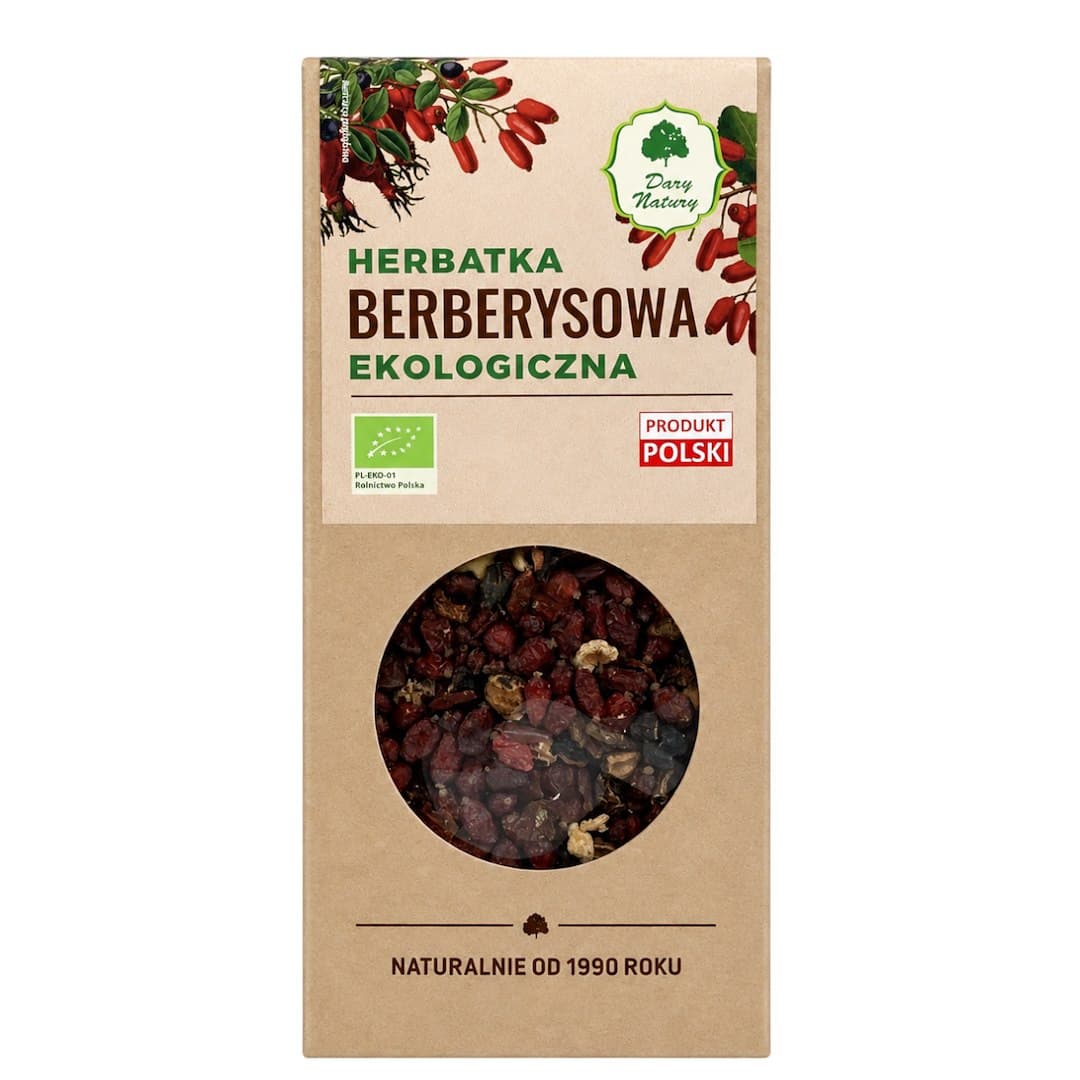
Plant-based products come in several forms. Dried plant parts, such as comfrey root, red clover flower and hibiscus, differ from tablets and capsules in how their contents are presented and handled. The selection also includes capsules with activated coconut charcoal, capsules with chanca piedra and tribulus, and tablets with ashwagandha. Product names offer an initial clue, but do not tell you everything about the contents, excipients or use.
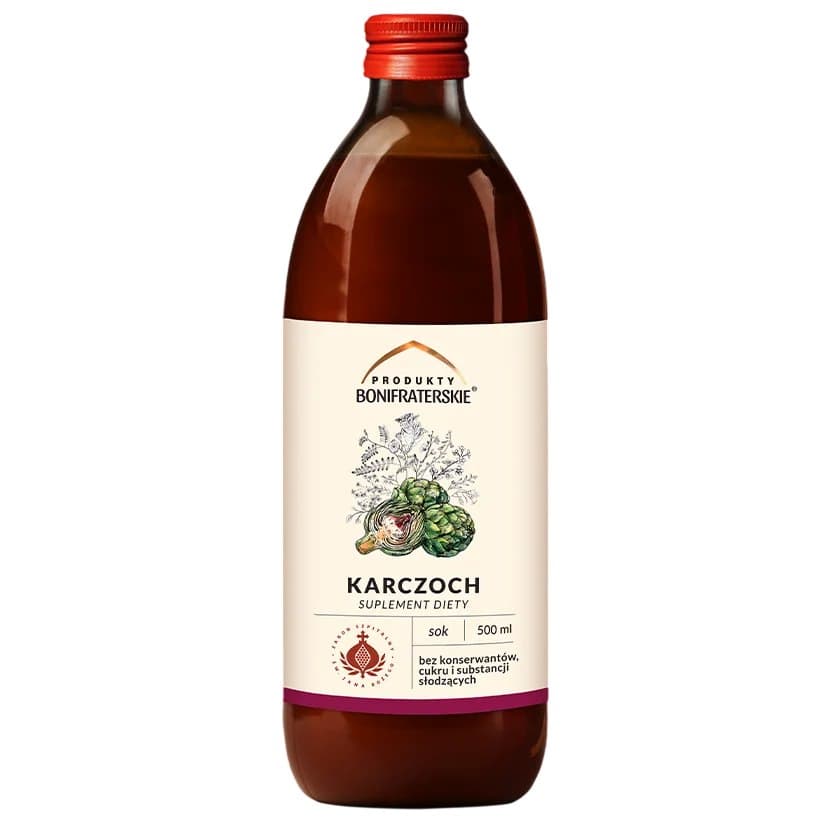
Liquid products and oil macerates are further varieties. This selection includes a liquid artichoke supplement and a spirulina algae oil macerate. These formats may differ in their ingredient lists, storage requirements and directions. So compare the full label and product information before choosing. Do not assume that two products with a similar plant in their name have the same composition or are intended to be used in the same way.
What to compare on the label
Start by checking the ingredients list and the product's stated form. Look for the plant or nutrient actually named, and whether the label lists any additional ingredients. For capsules and tablets, capsule material and other excipients may also matter if you want to choose a vegan product. Product names containing words such as “vegan”, “organic” or “bio” should not replace checking the full product information.
Also check the quantities and any directions for use on the relevant packaging. Compare only information presented clearly and on an equivalent basis; different products may report their contents in different ways. If a label does not answer a question about origin, organic status or suitability for a particular diet, do not assume the answer. Read the current information for the product you are considering, as details may vary between products and packaging.
Iron, B12 and energy
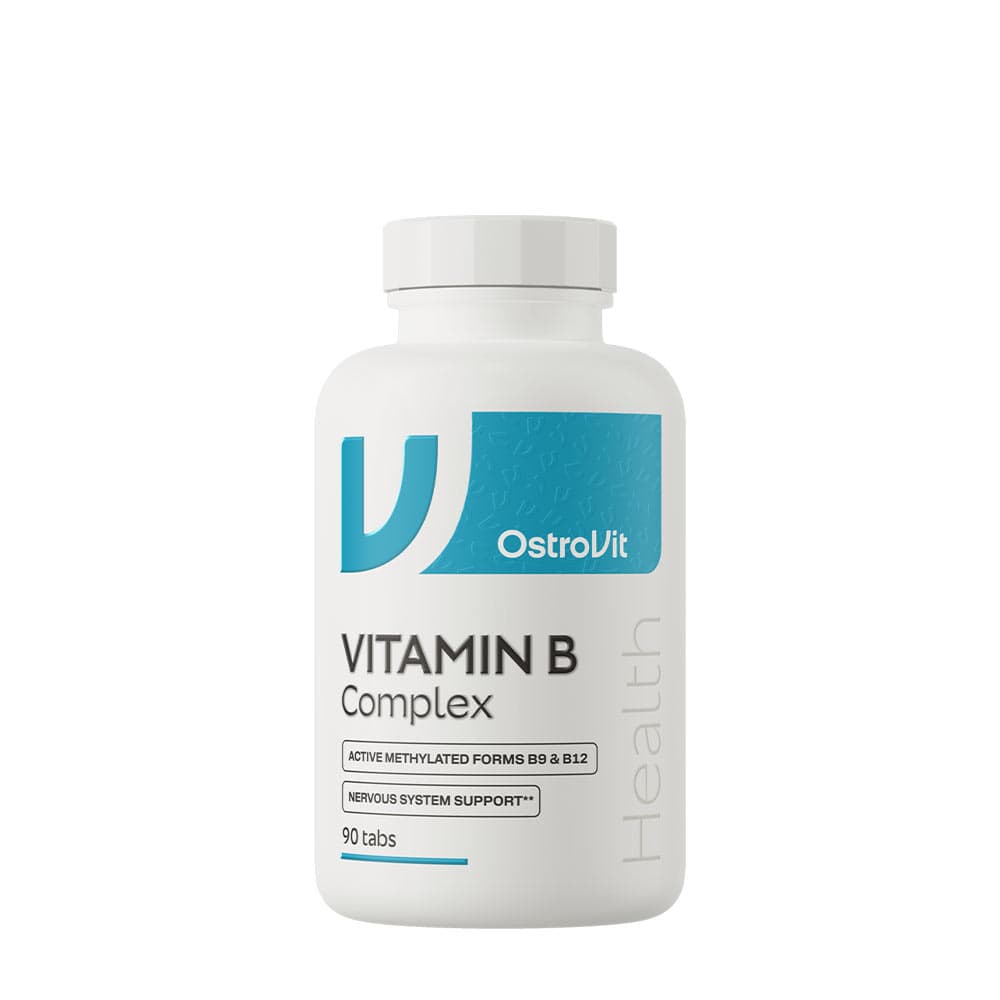
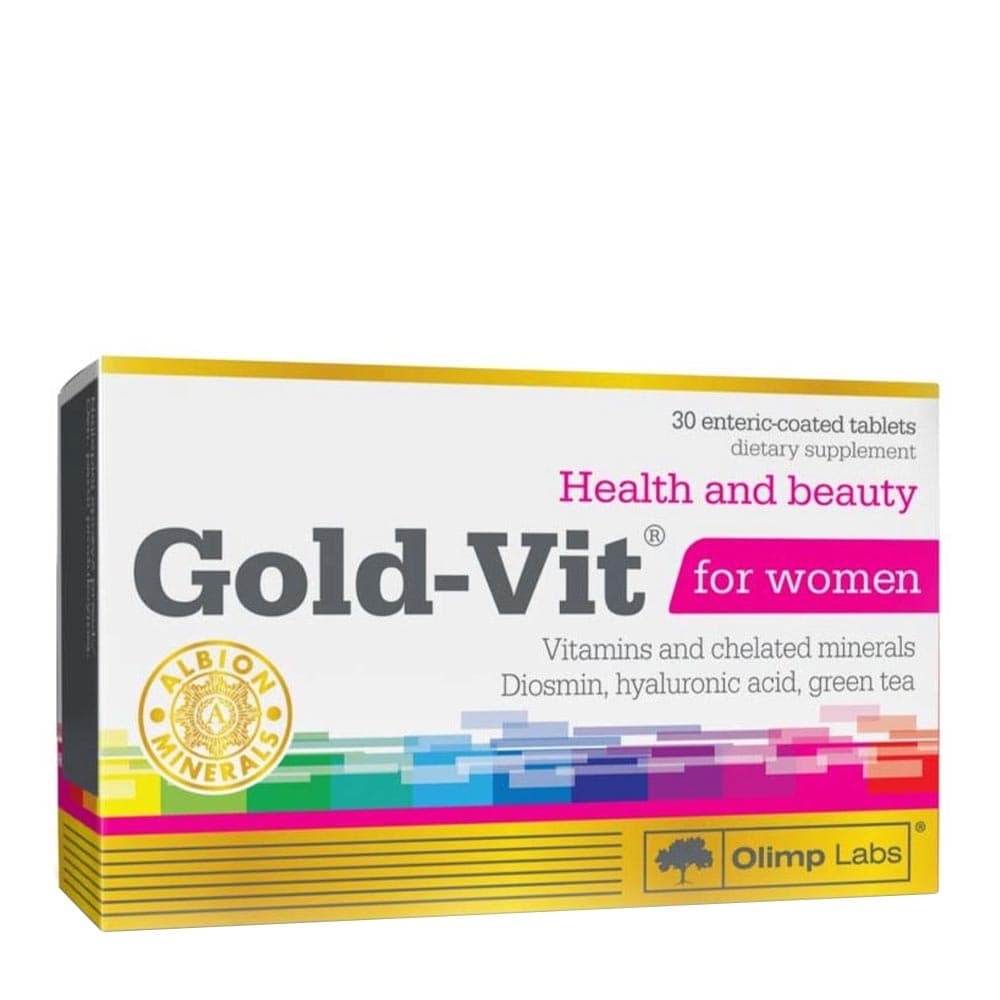
Iron and vitamin B12 are nutrients often considered in relation to a fully plant-based diet. Requirements and intake vary between individuals, and a product's nutrient content cannot be determined solely from the fact that it is plant-based. So check the nutrition declaration and ingredients list. The campaign selection includes a B-complex, but the product name alone does not establish which B vitamins or quantities it contains. Nor does the selection indicate that any product contains iron.
These statements apply to iron and should not be extended to herbs or other products without support from the product's contents and approved information. If you are considering your nutrient intake, a nutrition declaration and individual advice may be more informative than general assumptions about a diet.
Organic and sustainable
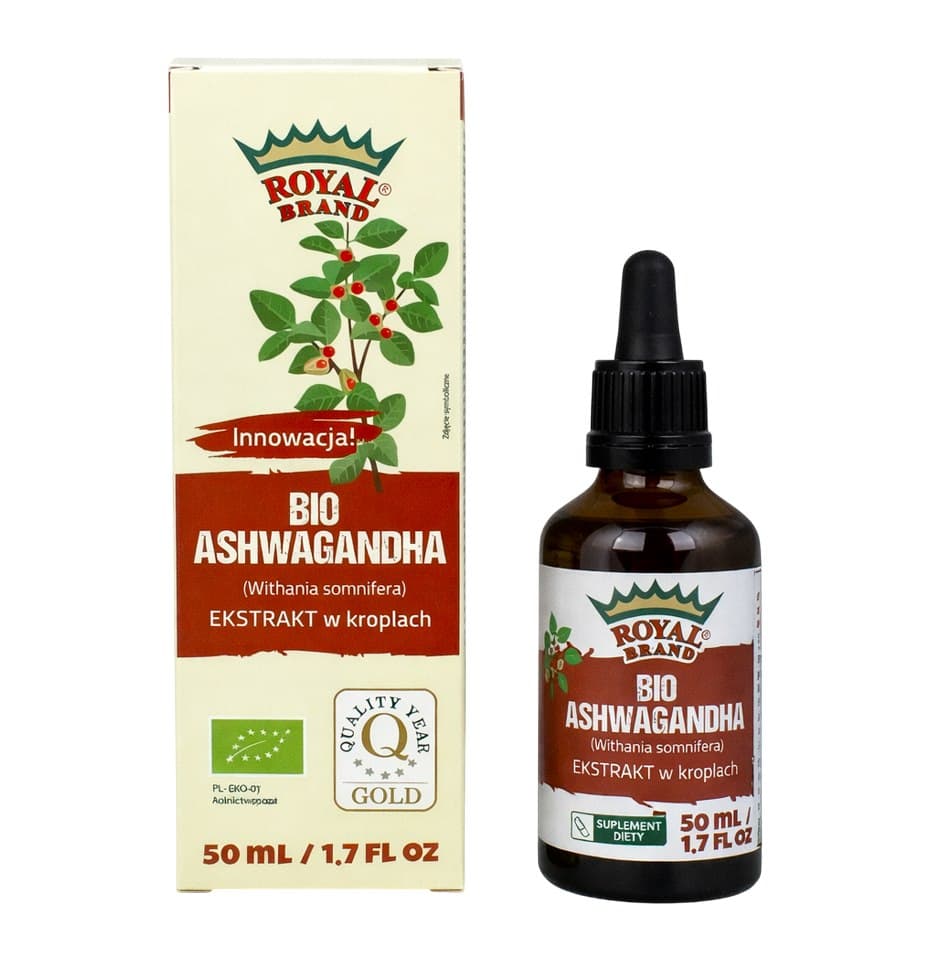
Words such as organic may appear in product names or descriptions, but check what is actually stated for the specific product. For example, the selection includes “Organic” for comfrey root and “Bio” for ashwagandha. Such words in a name are not enough to establish the scope of a certification or other properties. Check the product's current labelling and information if you want to know more about its origin or production methods.
Sustainability can involve several different issues, such as raw material choices, packaging and transport. You cannot draw conclusions about these areas solely from the fact that a product is plant-based. Compare the information that is actually available and distinguish verifiable details from general value statements. If a particular environmental attribute matters to your choice, it needs to be clearly stated in the product information; otherwise, it is better to leave the question open than to assume an answer.
Practical selection criteria
First consider which form suits your everyday routine: dried plant material, capsule, tablet, oil macerate or liquid product. Then check the ingredients, any allergens, capsule material and the directions on the packaging. If you want to avoid a particular ingredient, the full ingredients list is especially important. Do not choose a product solely on the basis of a familiar plant name or a phrase on the front of the pack.
Next, compare products based on what you actually need to know. If it is important that the product is vegan, this should be stated in reliable product information. If you are looking for a particular nutrient, check that it is listed in the ingredients or nutrition declaration. If you take medicines, are pregnant or have a medical condition, it may be wise to consult a healthcare professional before using a food supplement. Always follow the directions for the specific product and avoid combining products without first understanding their contents.
Understanding the product selection
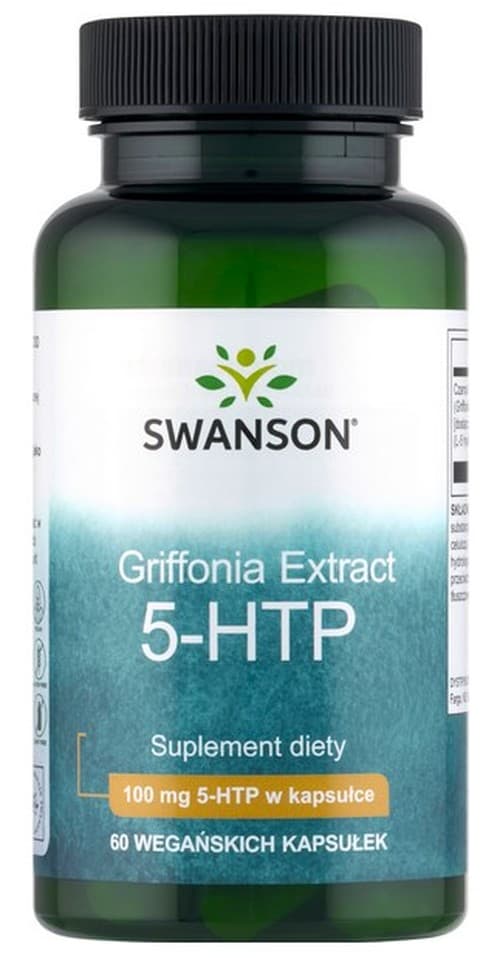
The selection brings together products with different plant names and formats: comfrey root and red clover as dried plant products, hibiscus, capsules with chanca piedra, tribulus and griffonia extract, and tablets with ashwagandha. It also includes a spirulina algae oil macerate, a liquid artichoke supplement and activated coconut charcoal. The names reflect what is stated in the product information, but do not provide grounds for attributing effects, certifications or properties to the products that are not explicitly stated.
OstroVit B-complex is also included in the selection. A product name like this should be seen as a starting point for reading the label, not as a complete description of the contents. Check which vitamins and quantities are listed and whether the product's other ingredients suit your preferences. Similarly, anyone looking for a particular plant or product form should read the information for the individual product.
How we selected the campaign products
The products below are grouped around the theme of vegan and natural through plant names, plant-based ingredients or formats found in health food ranges. The selection includes dried herbs, capsules and tablets with plant names, a spirulina algae oil macerate, a liquid artichoke product and a B-complex. The product names show the breadth of the selection, but should not be taken to mean that all products have the same contents or share the same properties.
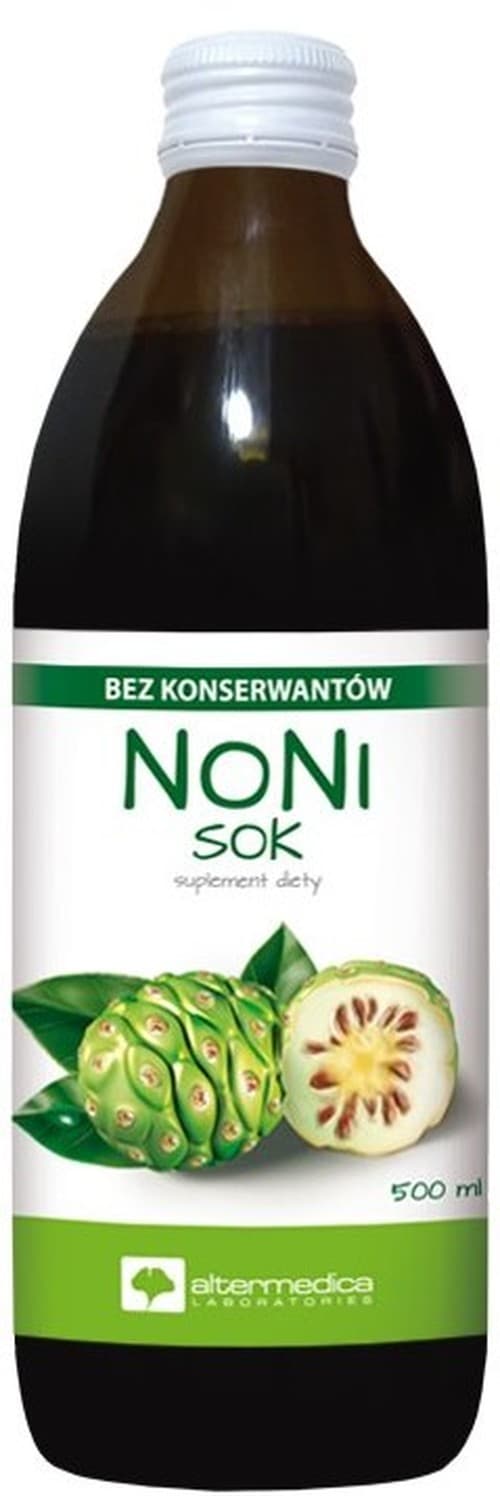
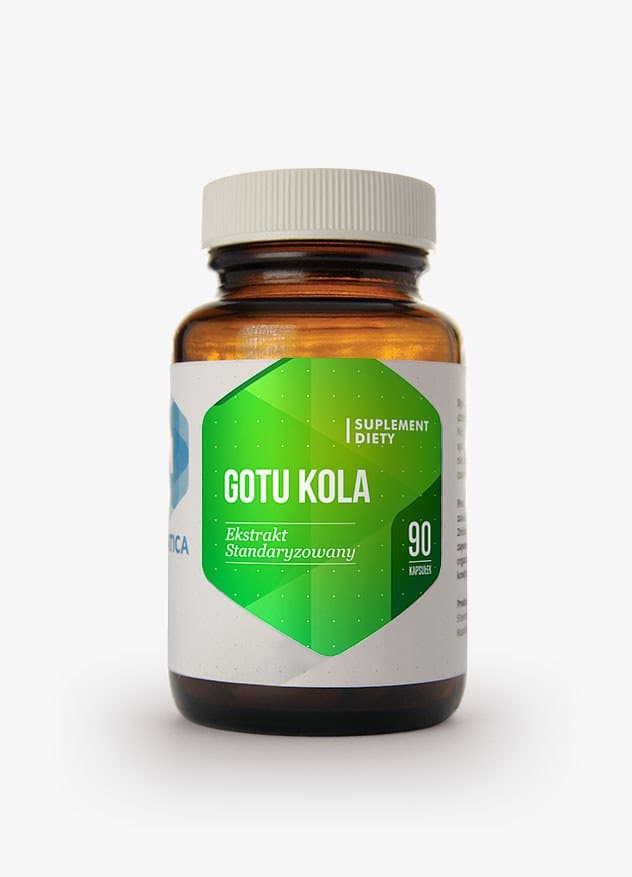
The product images allow you to visit each product and read the information relevant to it. Check the ingredients, form, labelling and directions there, especially if you are looking for a specific nutrient source or want to ensure that a product is suitable for a vegan diet. The selection itself does not confirm that every product is organic, certified or suitable for everyone. Carefully comparing the current label is therefore the most practical way to assess whether a product meets your preferences.