Vegan & natural
A guide to plant-based products and considered choices for everyday life.
30 selected products
Our selection
Campaign products
30 products





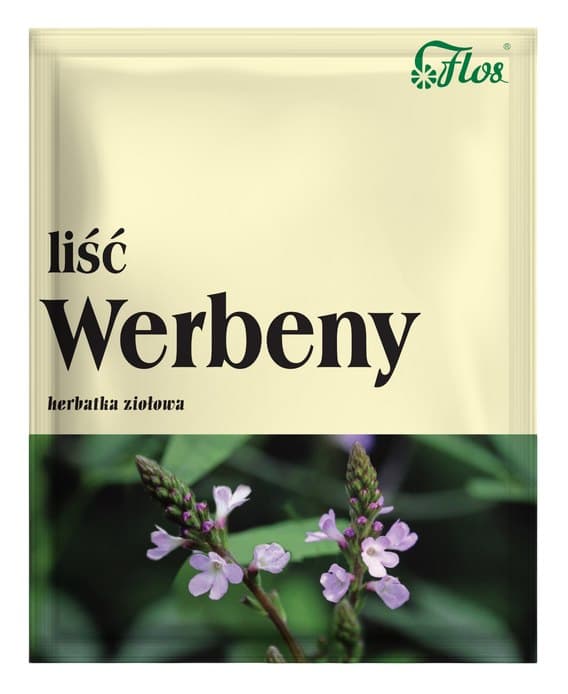
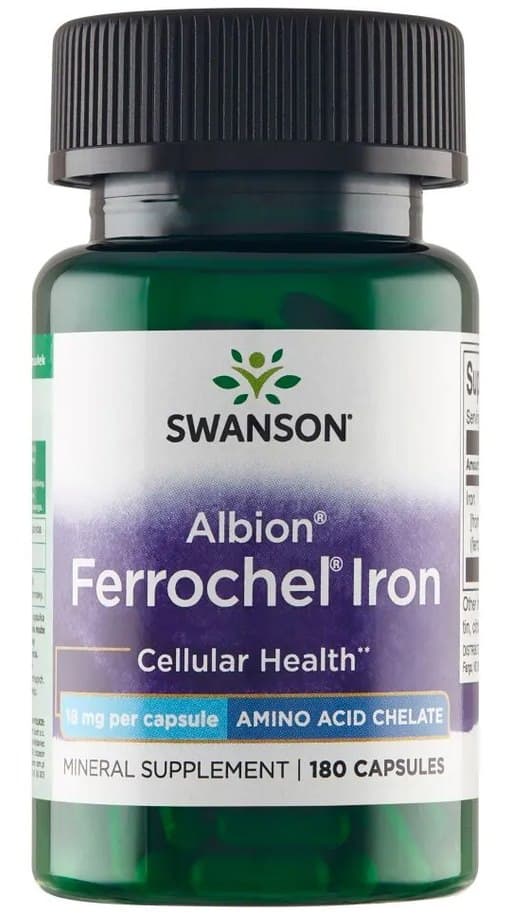


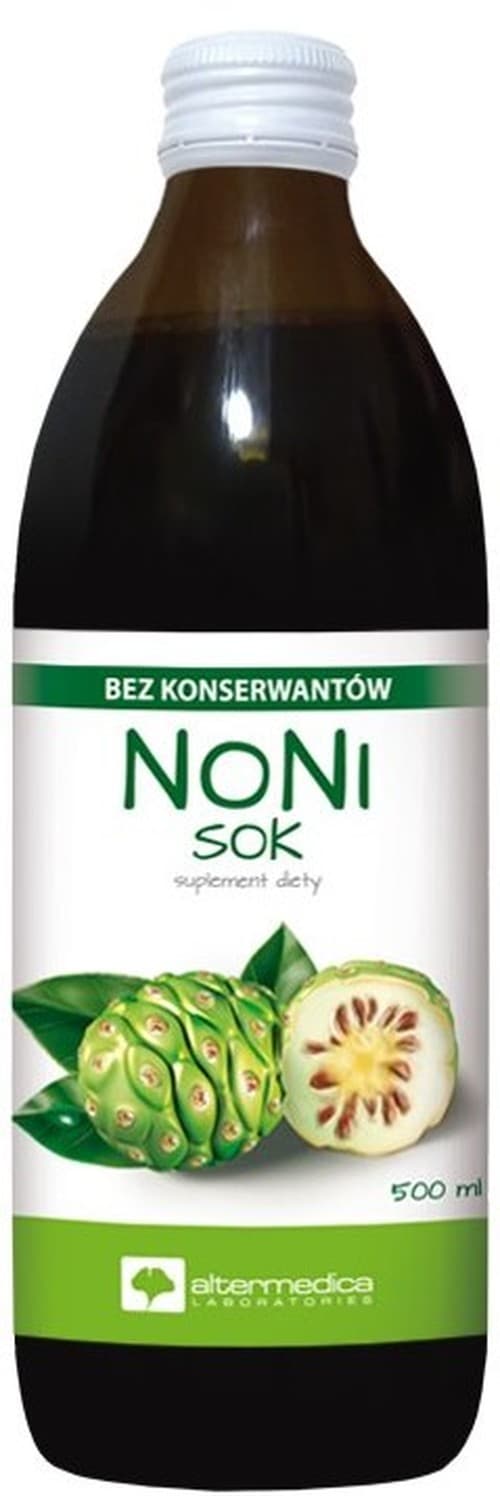
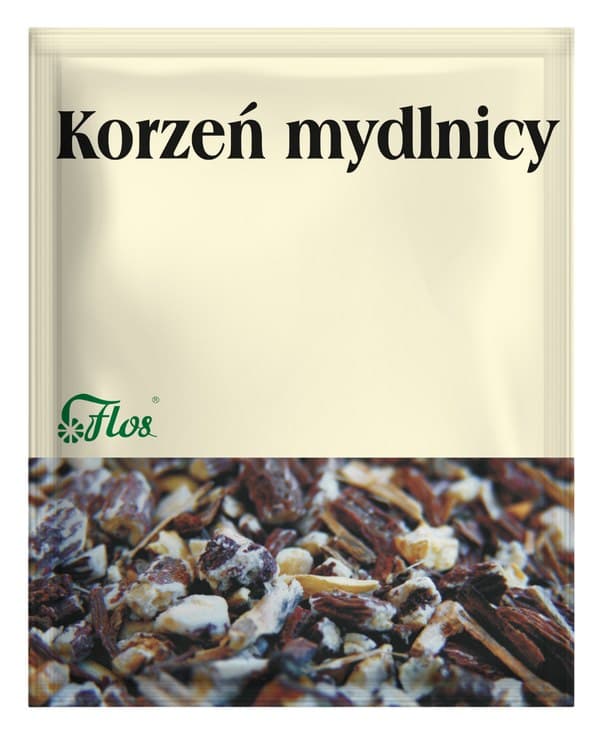
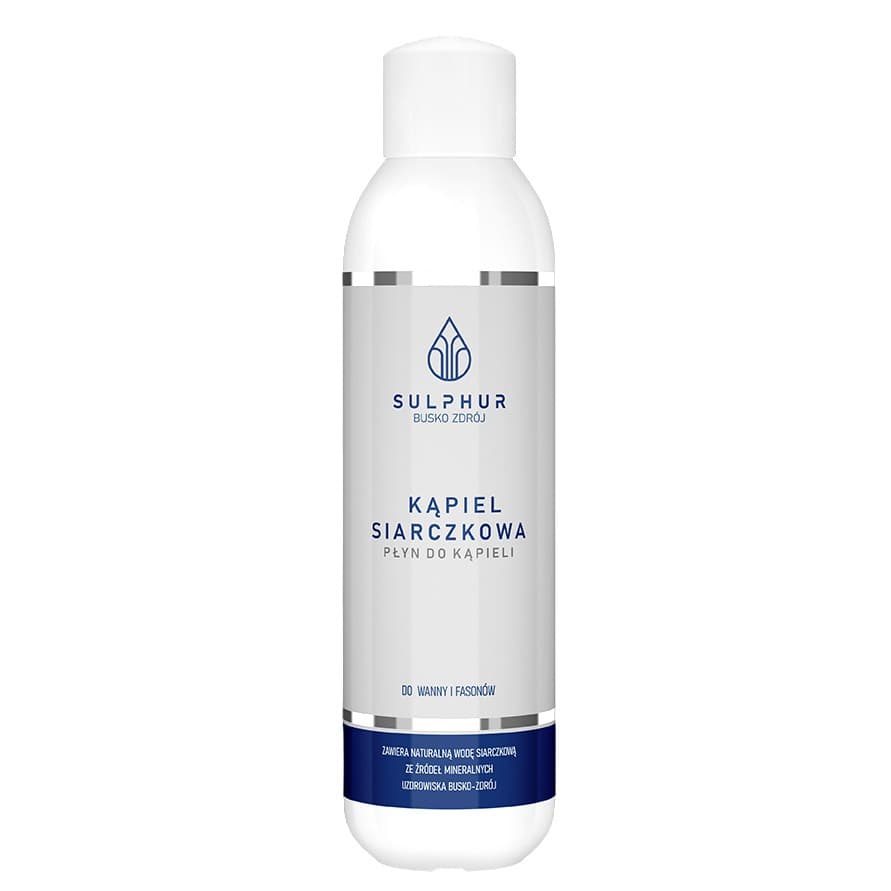
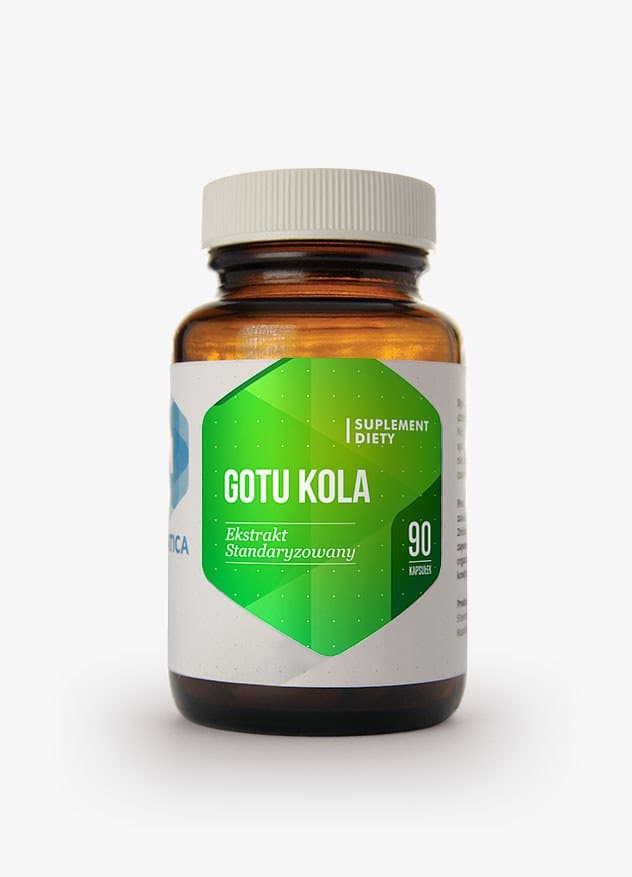
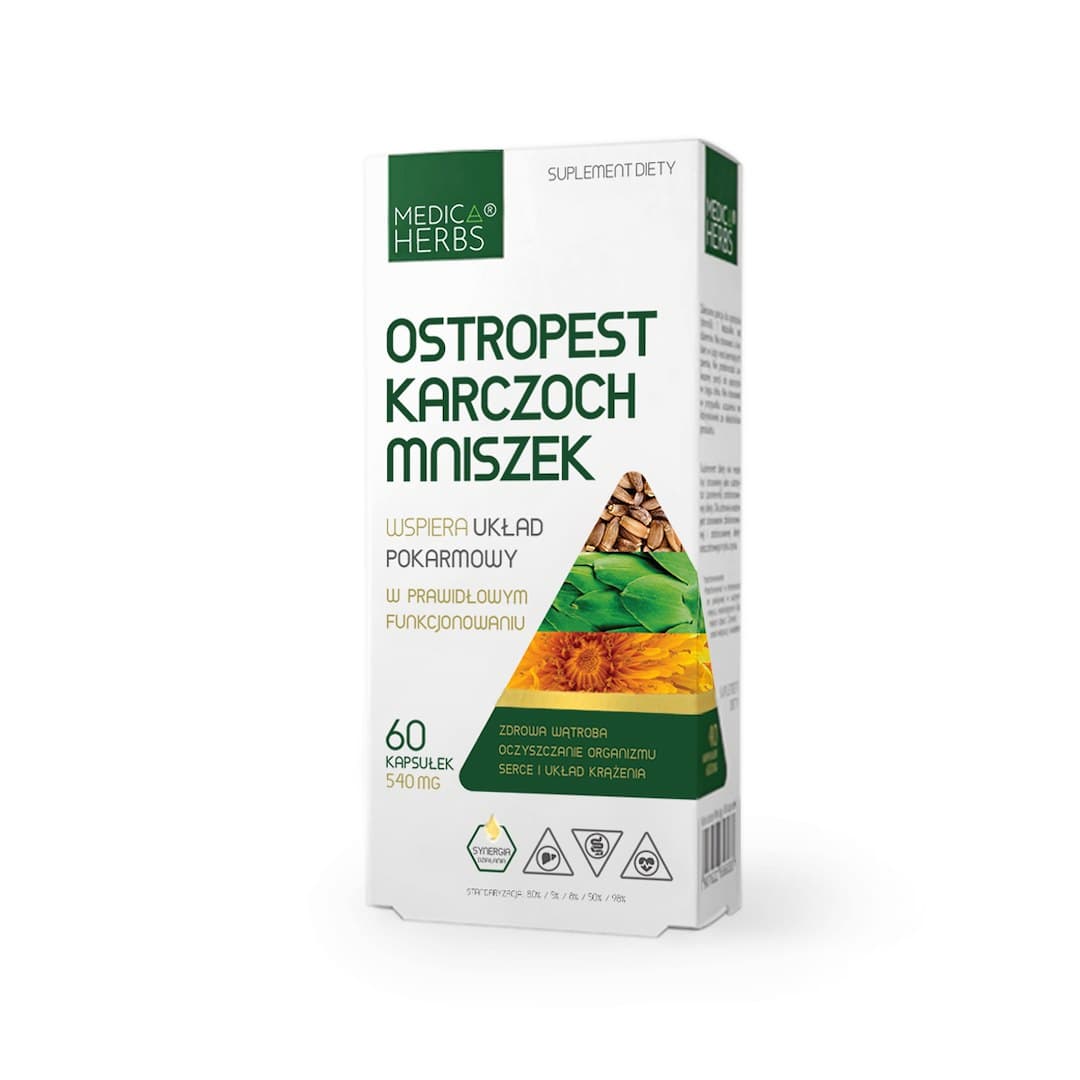
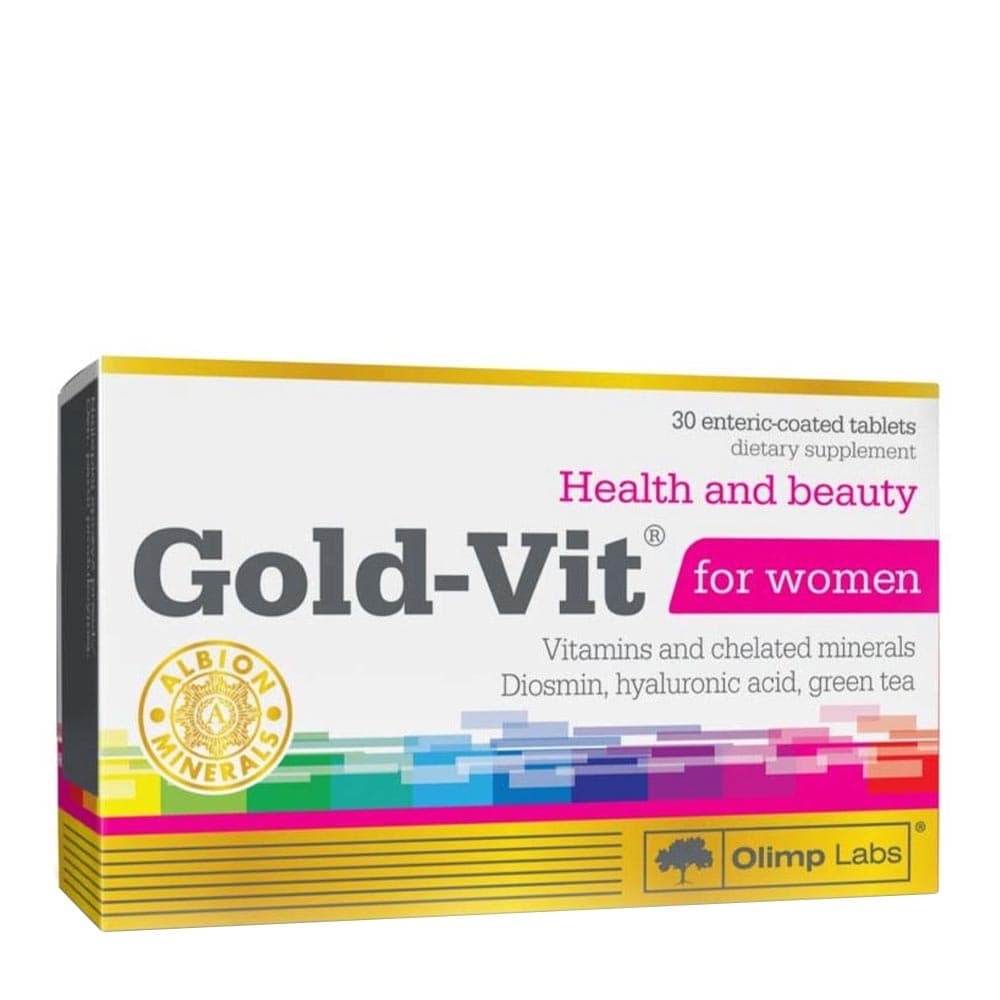
Find the option that fits your needs
Plant-based choices for everyday life
Choosing vegan and natural products can involve several considerations: the origin of the ingredients, the product format and how it fits into everyday life. This selection includes herbs, algae, minerals and products with plant-based ingredients. Some are presented as capsules or tablets, while others are dried plant parts or oil macerates. Read the product label and information to understand the contents and how to use the product, as properties vary between products.
This guide helps you navigate the different formats and compare details such as ingredient lists, quantities and any labelling. The terms vegan, organic and natural can be used in different ways and do not automatically mean the same thing. So refer to the information actually provided for each product. If you are specifically looking for, for example, B12 or iron, check that the nutrient is listed on the label; you cannot conclude that it is present simply because a product is plant-based.
Different formats and varieties
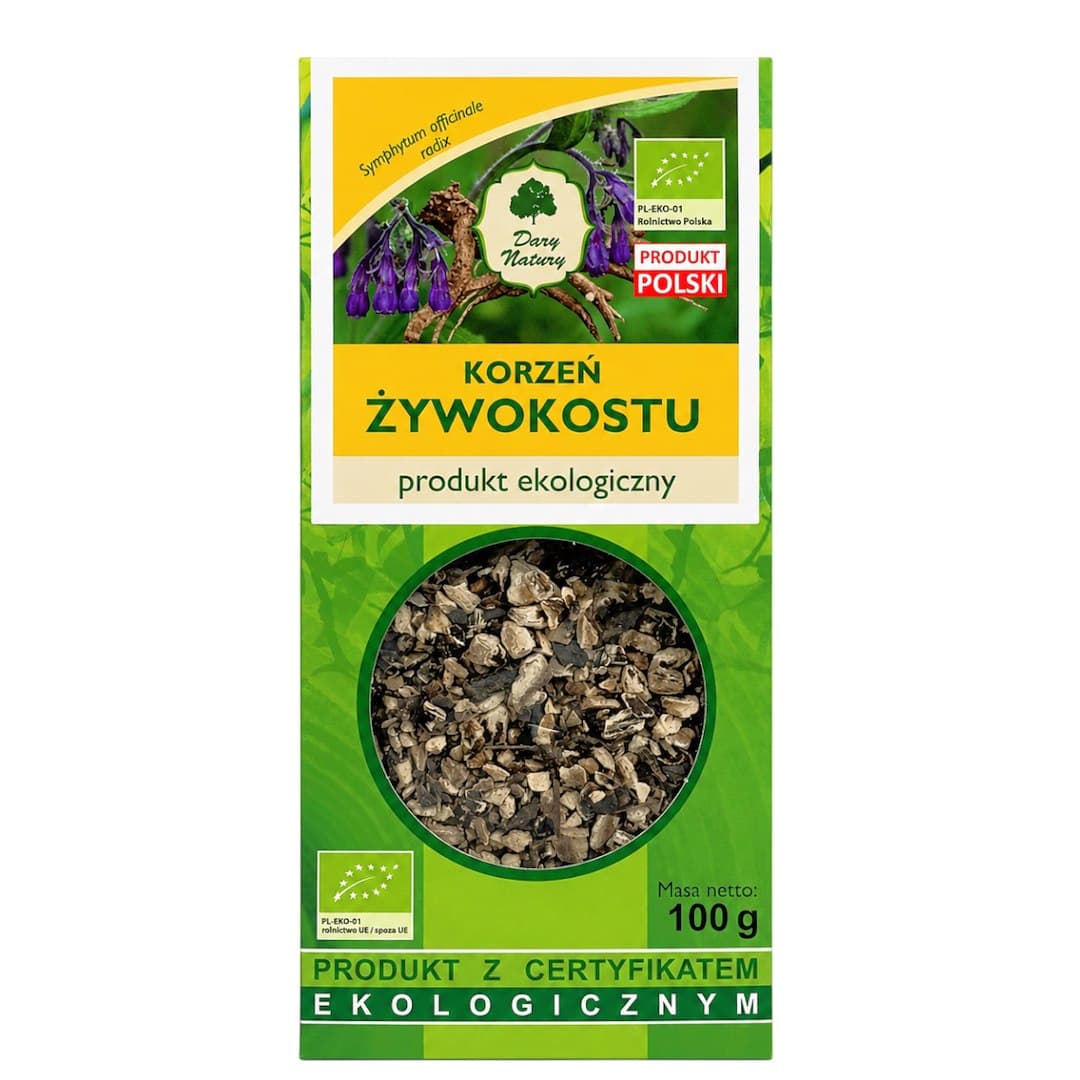
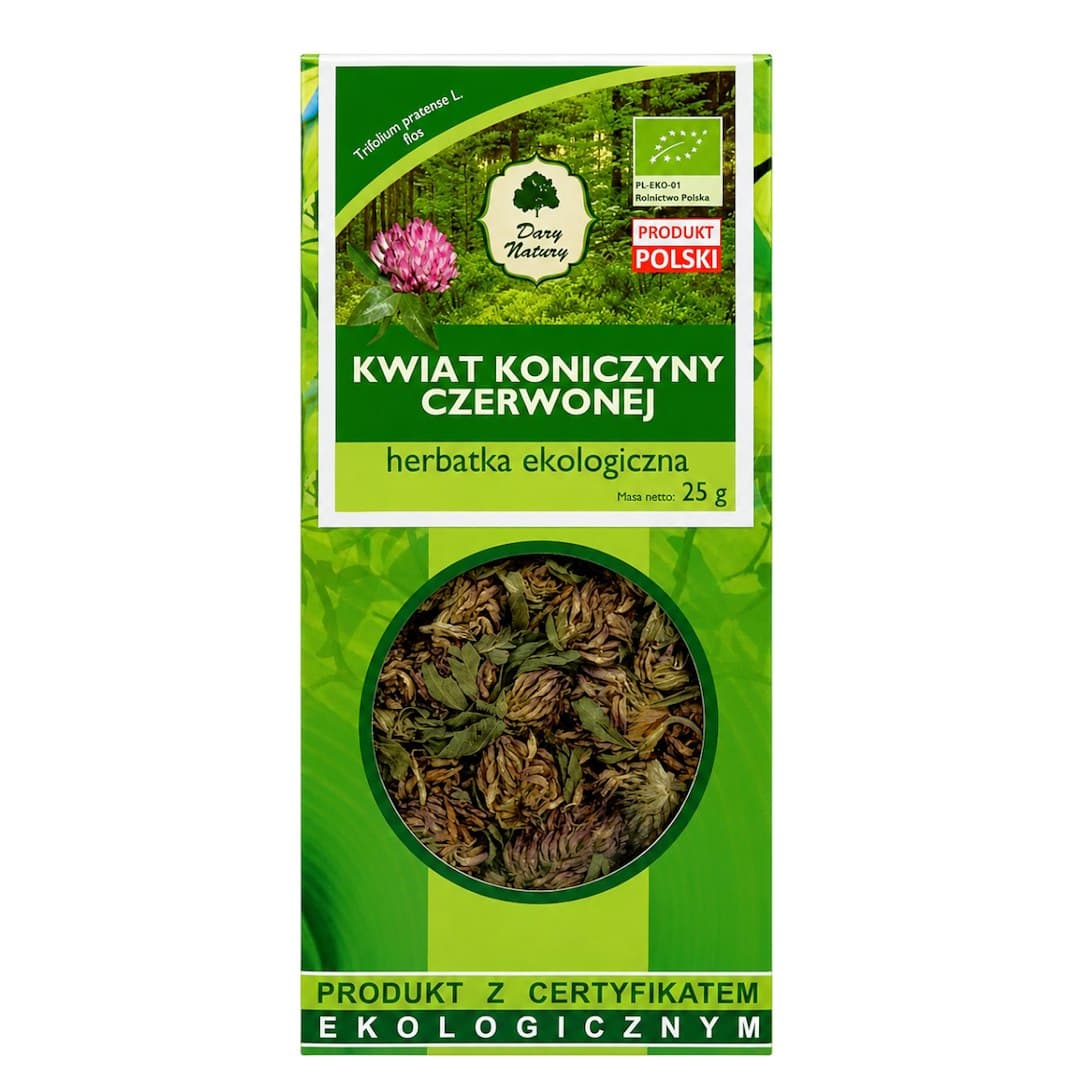
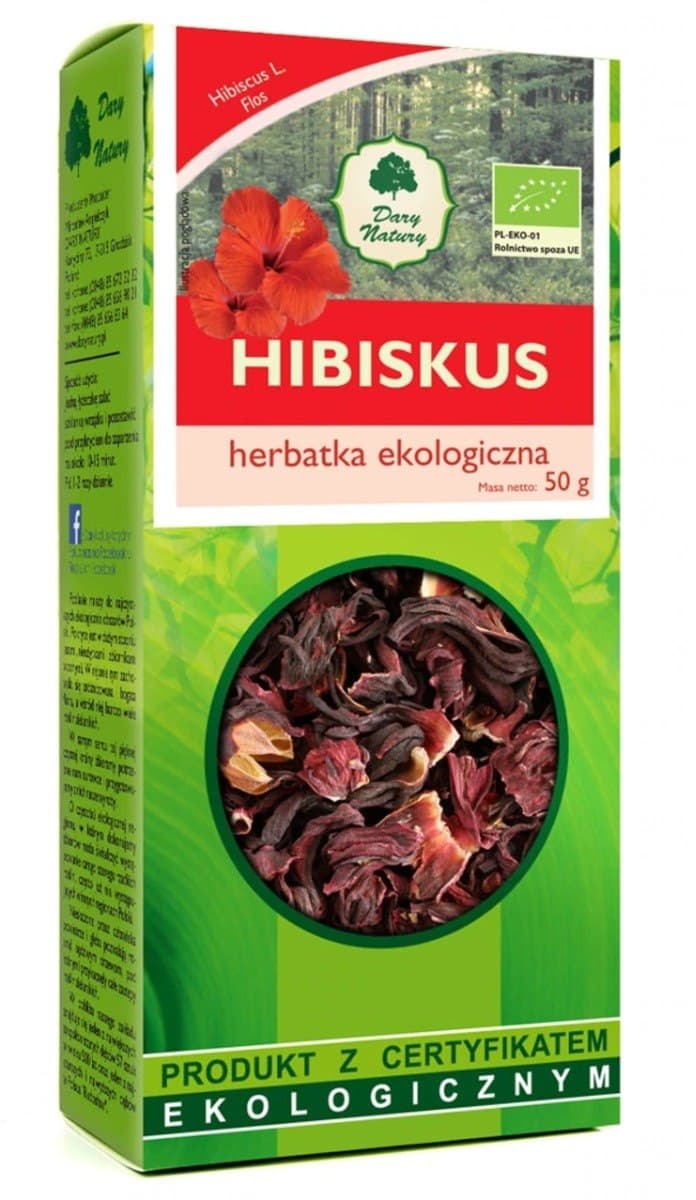
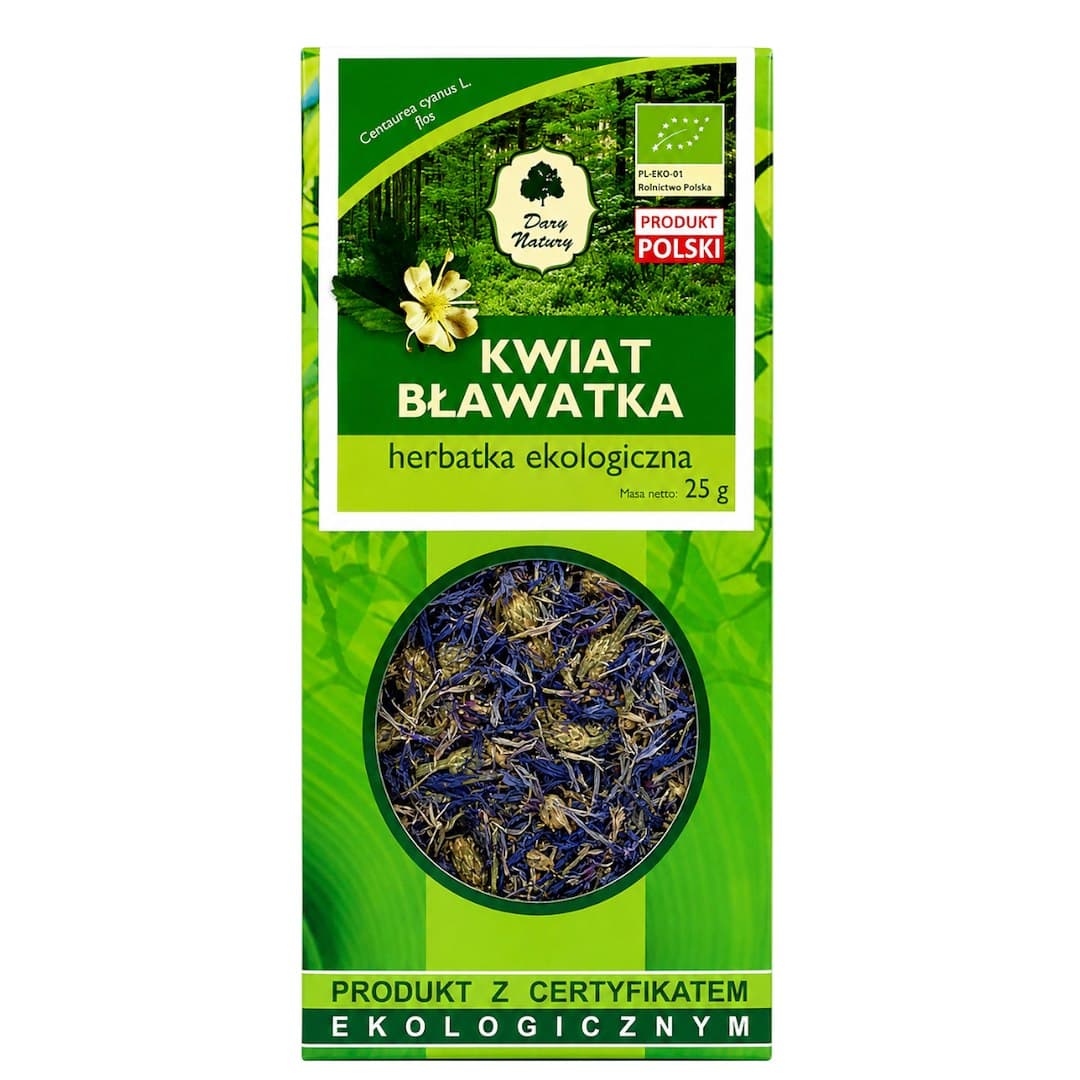
Plant-based products come in many forms. This selection includes dried plant parts, such as comfrey root, red clover flower and hibiscus, as well as capsules and tablets with various ingredients. It also includes spirulina algae macerate in liquid form. The format affects how the product is handled and which details are practical to compare, but does not in itself indicate efficacy or suitability. Always read the product's own instructions and check that the format meets your needs.
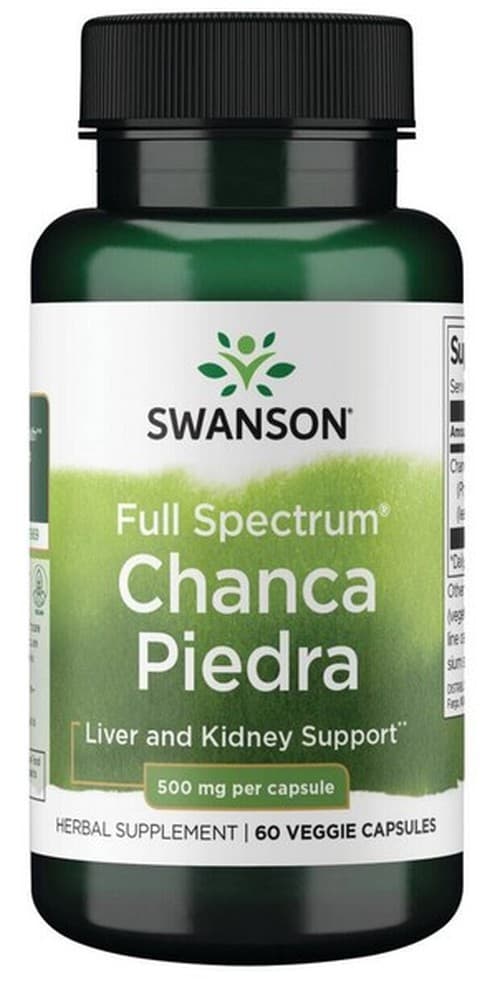
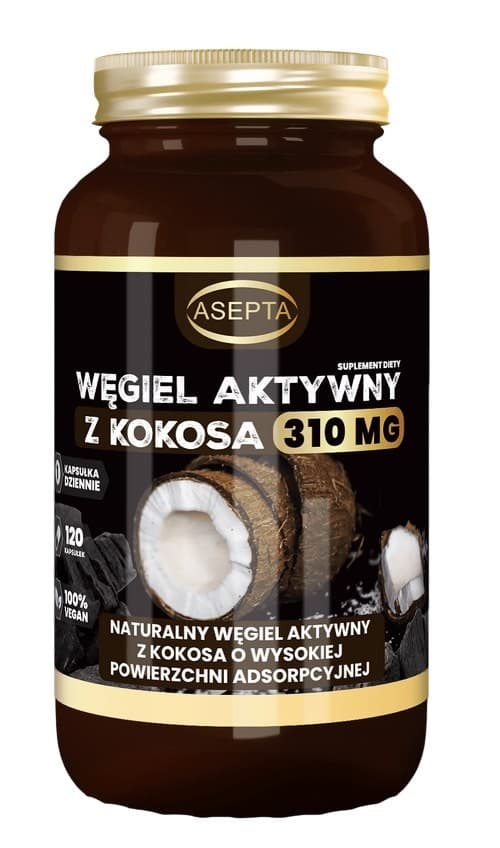
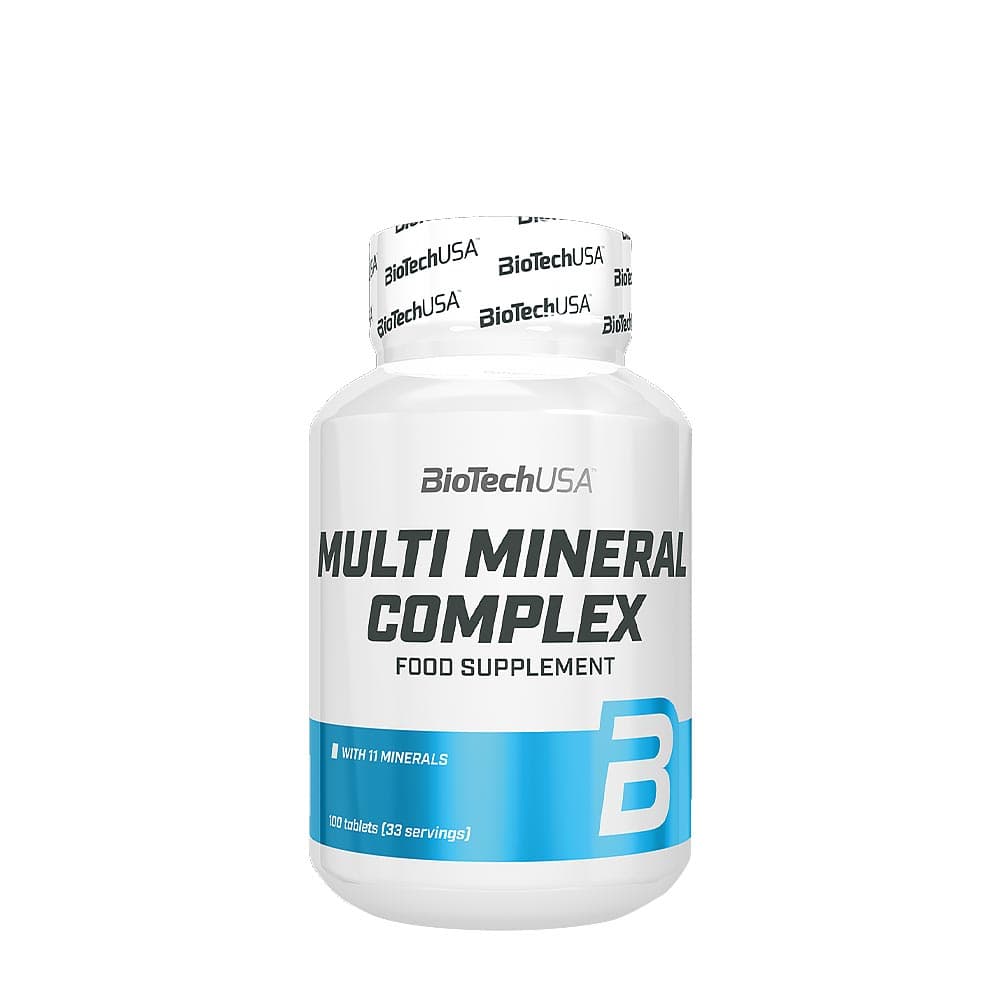
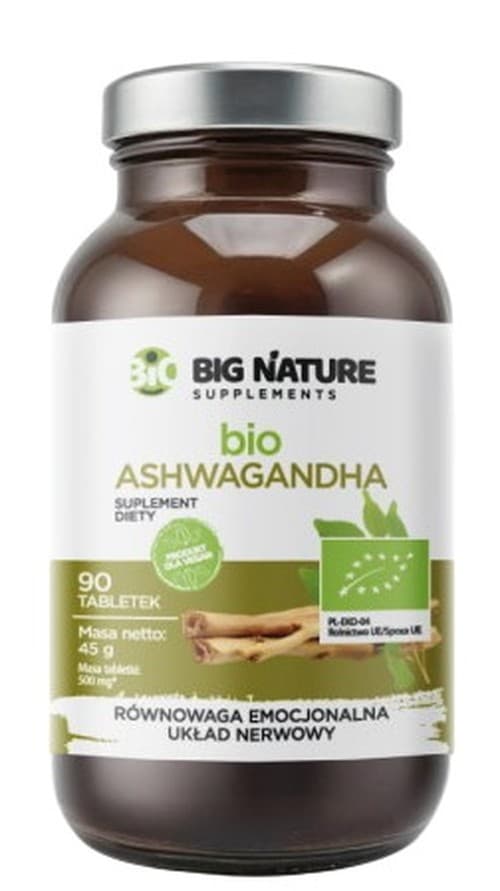
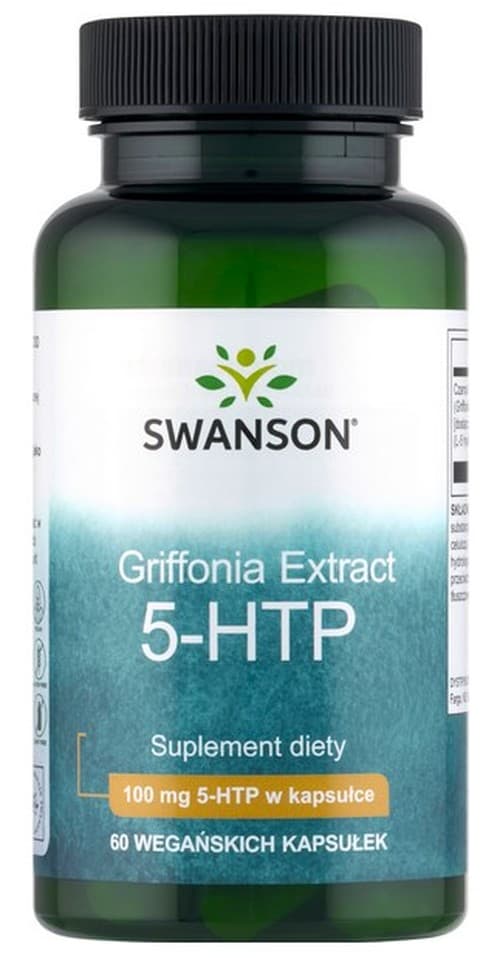
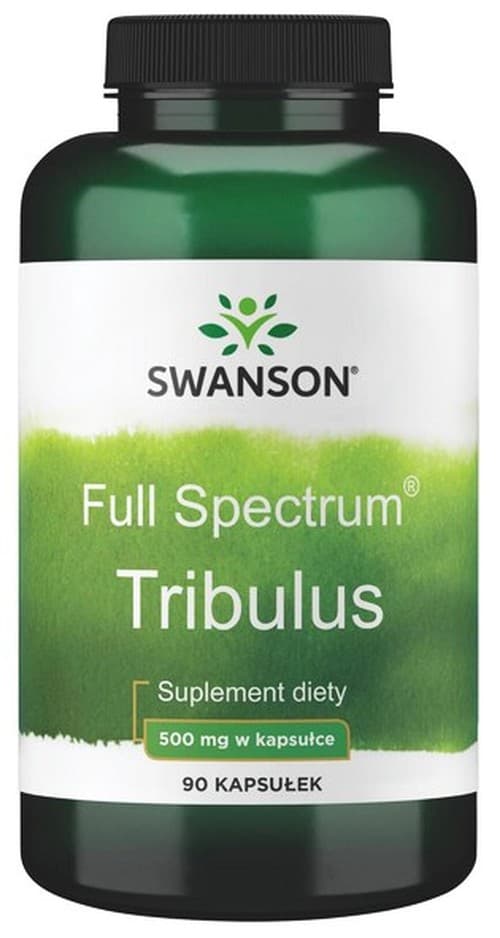
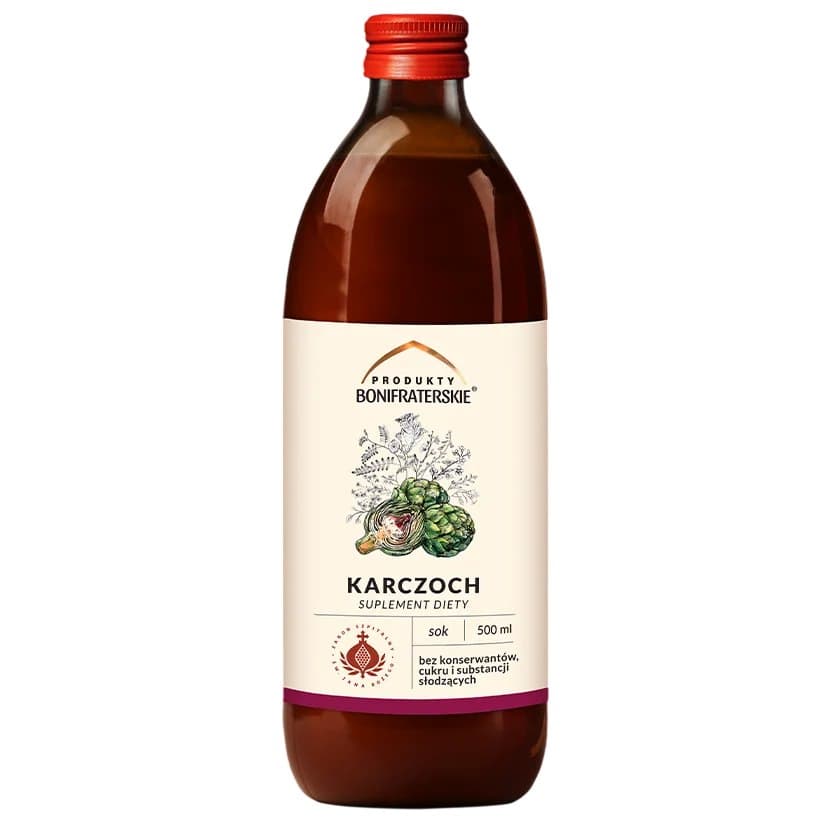
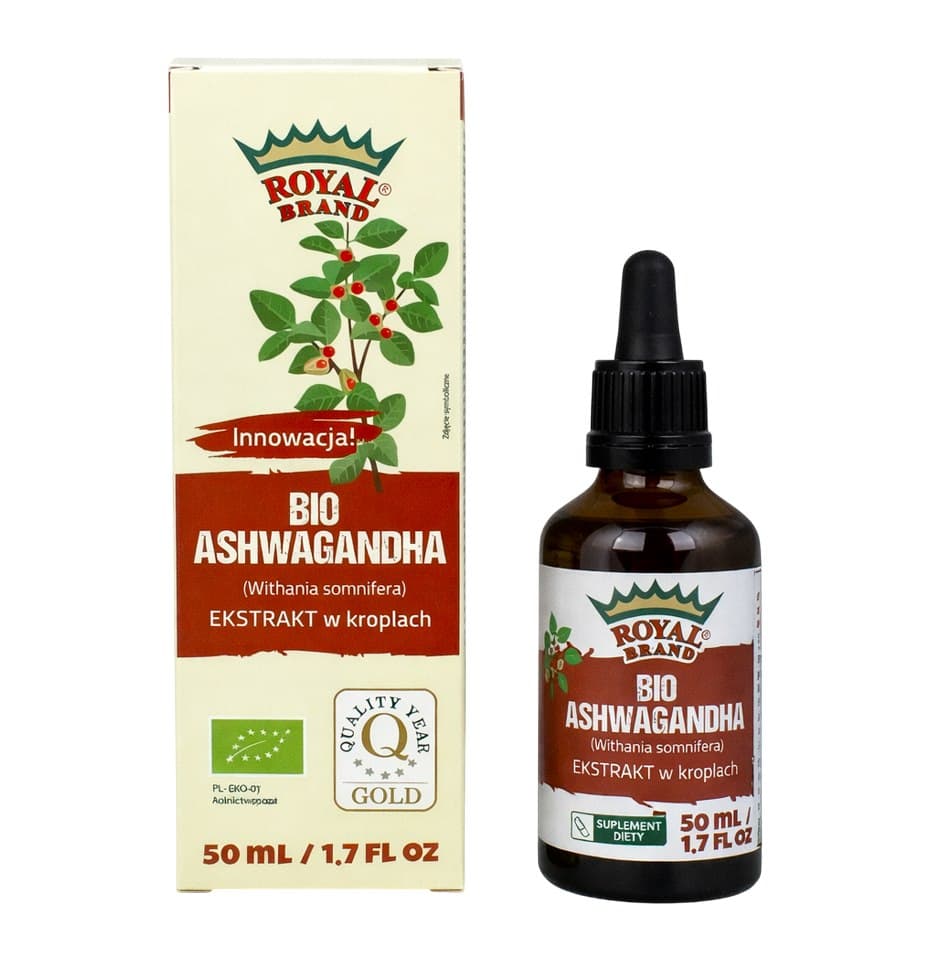
A product containing several minerals differs from an herbal product both in its contents and in how its label is structured. For example, the selection includes a mineral complex and products with ashwagandha, chanca piedra, griffonia, tribulus, artichoke and activated coconut charcoal. These names indicate ingredients or product categories, but do not on their own tell you about quantity, origin or intended use. So compare the full ingredient list and product information, not just the name on the front or individual keywords.
What do natural, organic and vegan mean?
Natural is a broad term and should not be interpreted as a guarantee of a particular composition or property. Plant-based generally describes ingredients that come from plants, while vegan usually means that the product contains no ingredients of animal origin. Even so, you need to read the product's labelling and ingredient list to assess an individual product. Also check whether the information applies to the contents, the capsule material or the entire product, as these may differ.
Organic may refer to raw materials produced according to specific rules, but this should be confirmed on the product's own label or in the accompanying information. This selection includes products whose names contain the word Organic or Bio, but that alone is not enough to establish a particular certification or its scope. If organic origin is important to you, look for clear labelling and details of which ingredients it applies to.
Compare the label carefully
Start by reading the full ingredient list. Check which plant, plant part or other ingredient the product contains and whether the formulation includes any additional substances. Then compare the stated quantities and the product's specified format, such as a capsule, tablet, dried raw material or liquid. Pack size and the number of capsules or tablets can help you understand what the pack contains, but do not on their own tell you how to use the product. Follow the product instructions and avoid assuming that products with similar names are equivalent.
If you are looking for a particular nutrient, it is especially important to find it explicitly listed in the nutrition declaration or product information. Plant-based does not automatically mean that a product contains B12 or iron. Always check whether the specific product actually contains iron.
Practical selection criteria
First consider what you want to compare: ingredient, product format, pack size or specific labelling. If you prefer capsules or tablets, you can start with products in these formats and read the details about their contents and capsule material. If you would rather use a dried plant part or a liquid, check the product instructions and storage information. Do not choose solely on the basis of a plant name or wording on the front; the full information provides a more useful basis for comparison.
Also take individual circumstances into account. Plant-based ingredients and minerals may not be suitable for some people or when combined with certain medicines. If you are pregnant, breastfeeding, taking medicines or have a health condition, it may be advisable to consult a healthcare professional before choosing a supplement. Always follow the label instructions and do not exceed the stated use. If you are unsure about the contents, allergens or suitability, review the product information before buying.
Plant ingredients in the selection
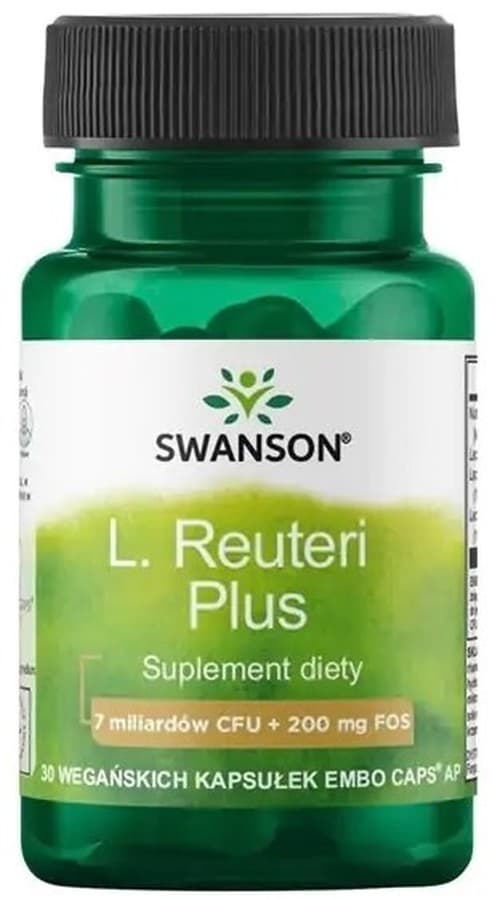
This selection brings together products with a range of plant ingredients and preparations. It includes comfrey root, red clover flower and hibiscus as dried products, as well as capsules containing, among other ingredients, chanca piedra, griffonia and tribulus. Ashwagandha is available in tablet form, while spirulina is presented as an algae macerate. Products are not interchangeable simply because they belong to the same plant-based theme. Read each label to check the exact contents, product format and other information that may affect your choice.
Activated coconut charcoal, a mineral complex and a liquid artichoke product are also included. These differ from the dried herbs and from one another in both contents and format. Product names can help you find the right item, but should not be used as a basis for attributing an effect or intended use that is not stated in the product information. If you are comparing several options, note the details that matter to you and check them against each individual product label.
Energy, nutrients and expectations
Energy can refer to everyday vitality, but it is also a term used in nutrition. A campaign theme or a plant-based ingredient does not in itself show that a product affects energy levels. If you want to compare products with energy in mind, first check whether they contain a specified nutrient and what quantities are declared. For iron, the authorised claims apply only under the conditions set out in the regulations. They should not automatically be associated with products that do not explicitly contain iron.
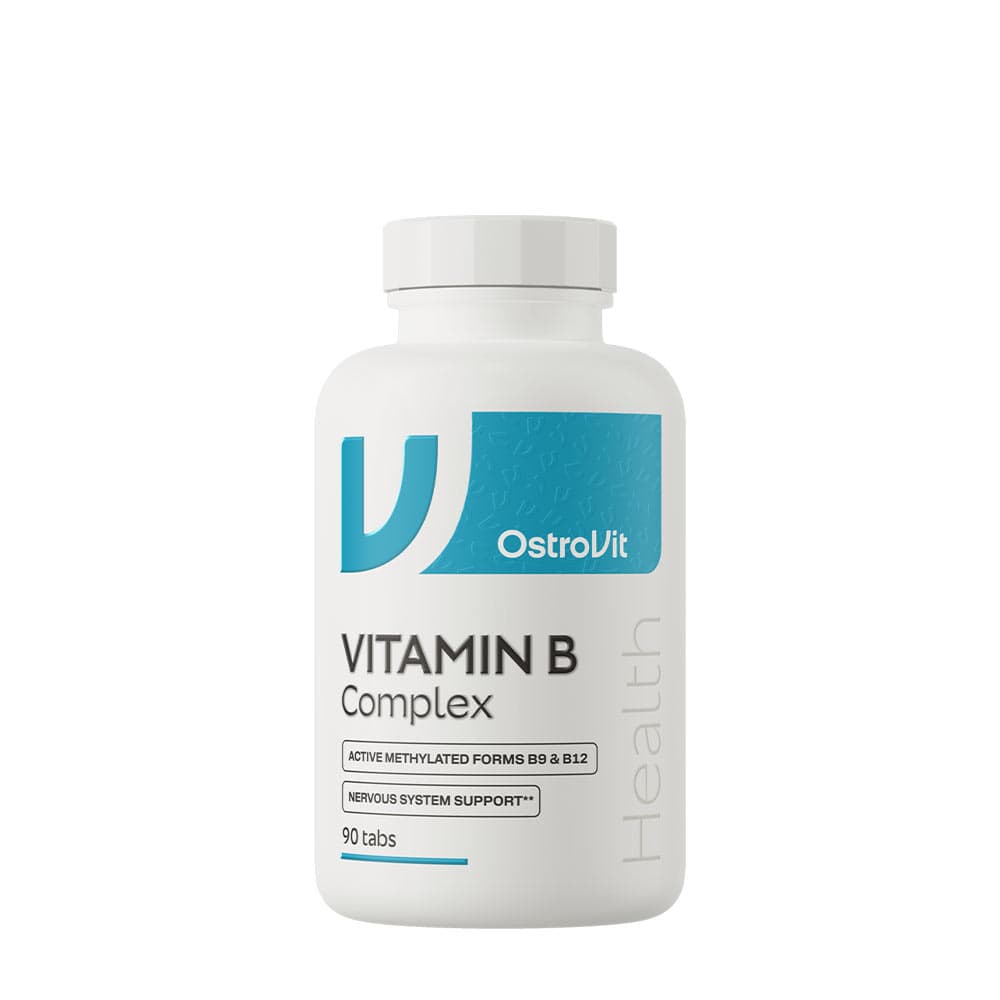
B12 and iron are particularly relevant to check when planning a plant-based diet, but needs and intake vary between individuals. Read nutrition declarations and, if needed, seek individual guidance from a healthcare professional or dietitian. The product names alone do not establish that any particular item in this selection contains B12 or iron. So let the specific details on the label guide you, and avoid interpreting words such as natural, herb or vegan as proof of a particular nutrient content.
How we selected the products for the campaign
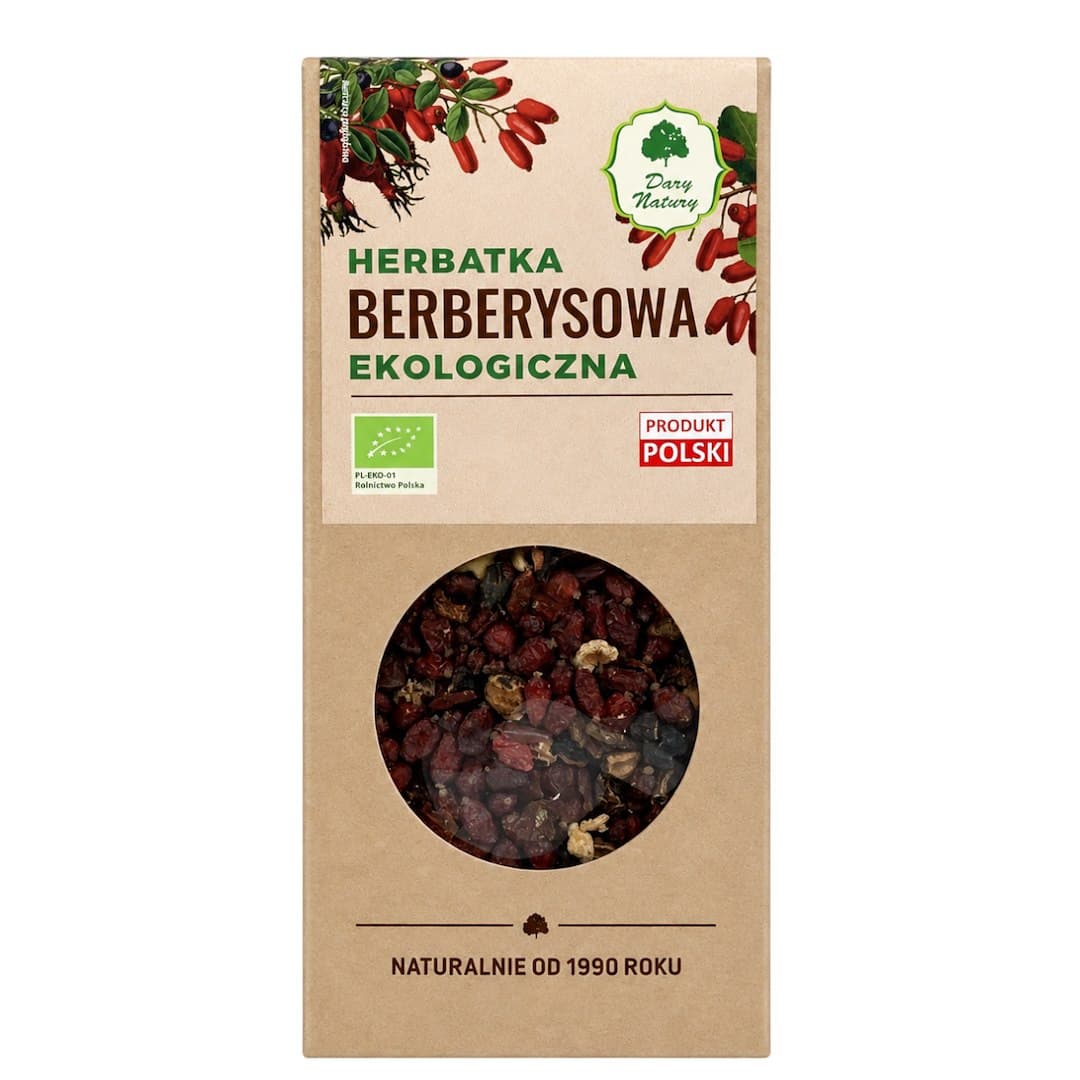
The products have been brought together to show the breadth of a plant-based and natural-focused selection: dried herbs and flowers, capsules and tablets with plant ingredients, an algae macerate, activated coconut charcoal, a mineral complex and a liquid artichoke product. This means that the images below the article show different product categories and formats, not a collection of products with identical contents or the same use. Names and packaging help you identify each item.
The selection includes products from Dary Natury, Swanson, Produkty Bonifraterskie, Asepta, BioTechUSA, Big Nature and Etja. Their connection to the theme lies in the plant-based, herbal or mineral-focused nature of their names and categories, where this information is provided. No specific effects, certifications or nutrient contents can be established solely from the products being shown here. So read each product's own label and information to decide whether its contents and format suit your preferences.