All about krill oil – natural omega-3 supplement from the sea
34 productsKrill oil with better absorption. Phospholipid-bound omega-3 plus astaxanthin.
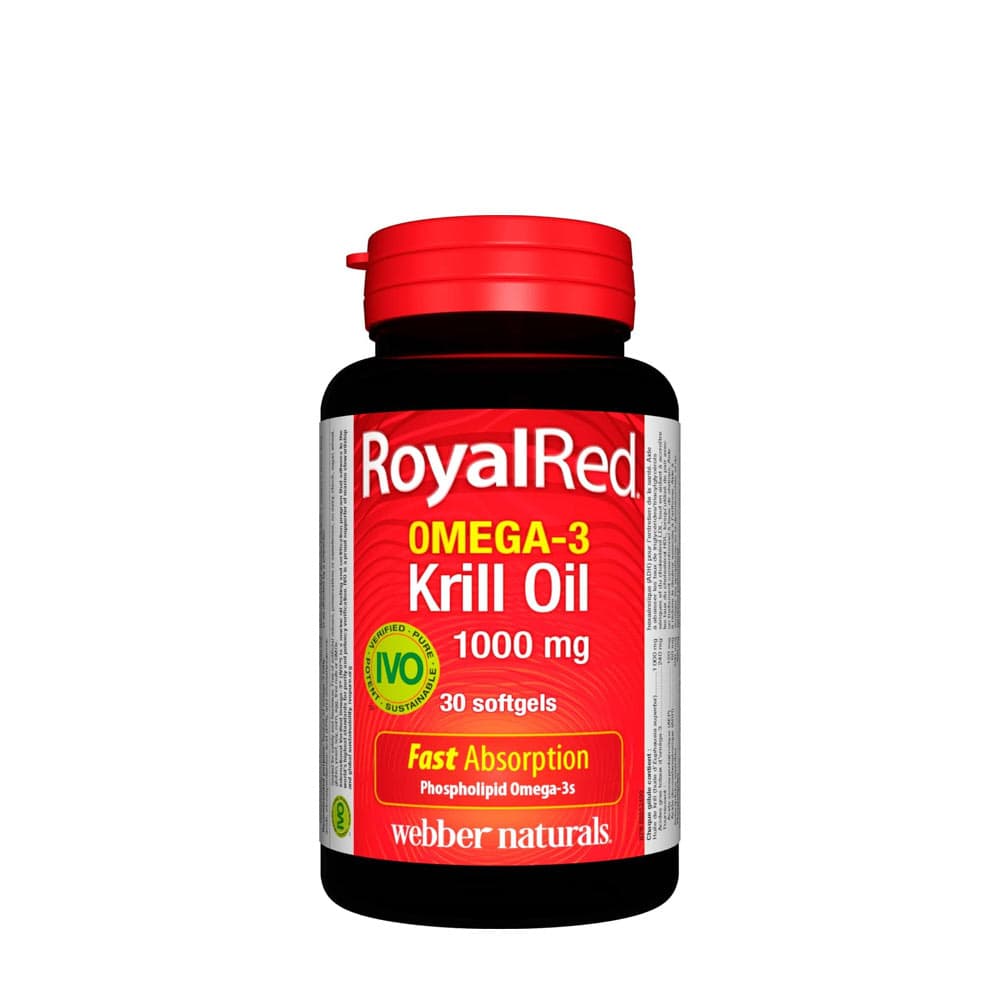
Webber Naturals
Webber Naturals RoyalRed® Omega-3 Krill Oil 1000 mg - 30 Softgels
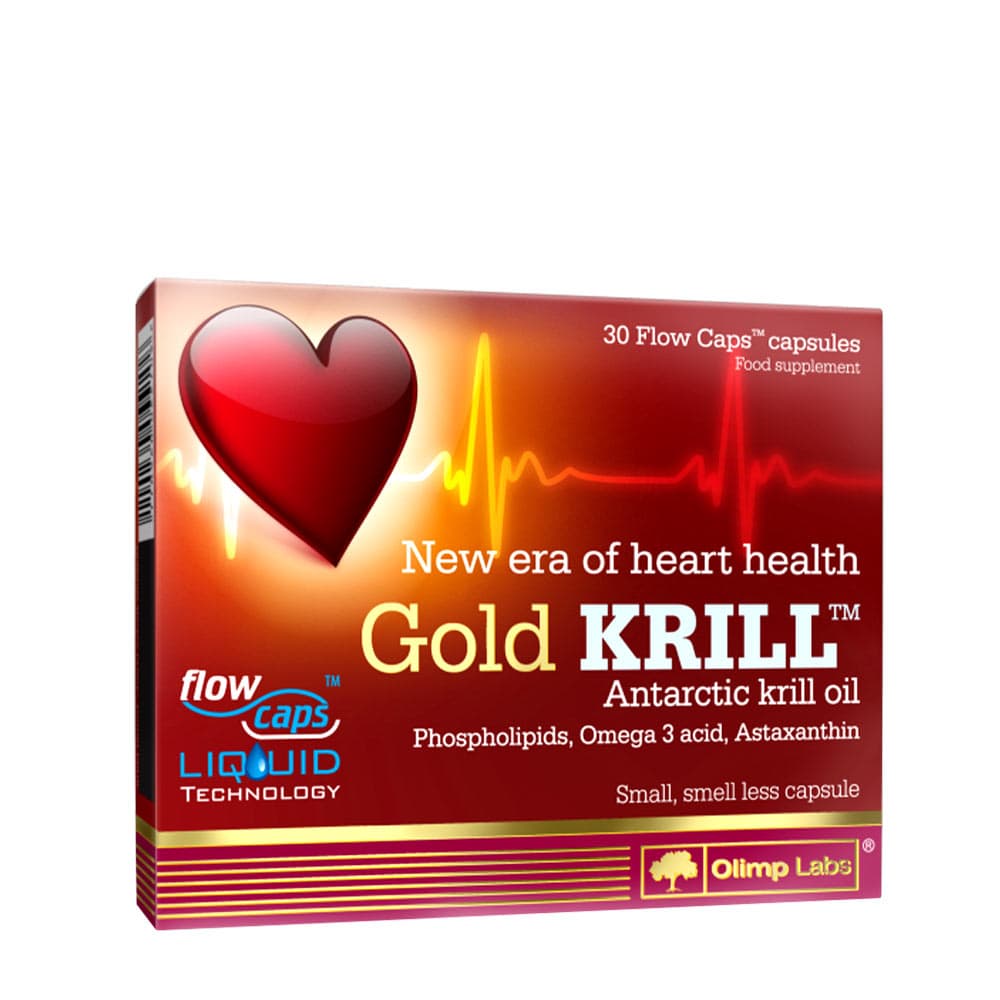
Olimp Labs
Olimp Labs Gold Krill
Backorder · 5–7 business days
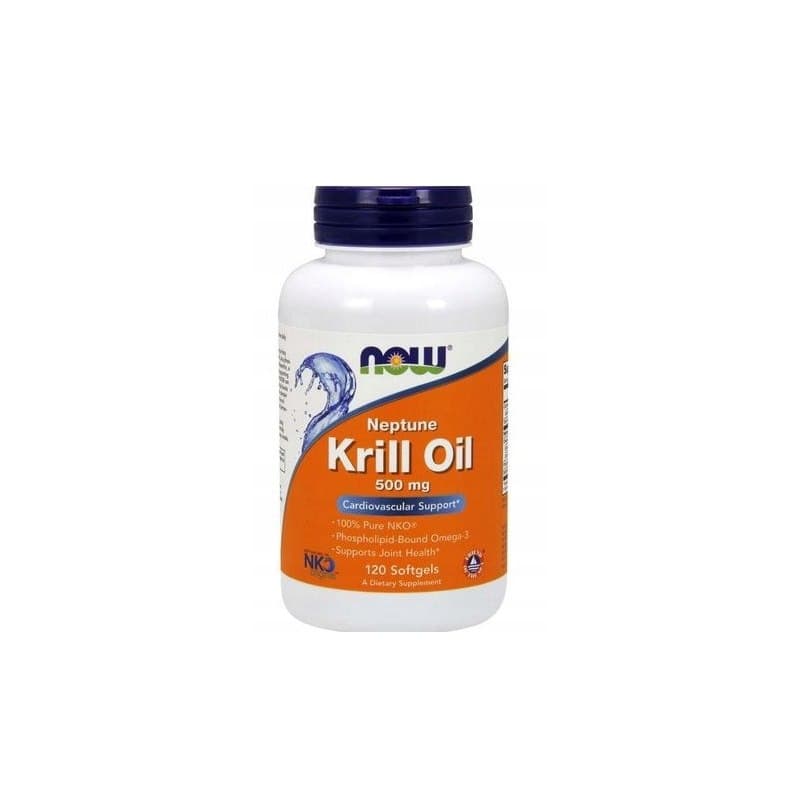
NOW Foods
NOW Foods - Krill Oil
Backorder · 5–7 business days
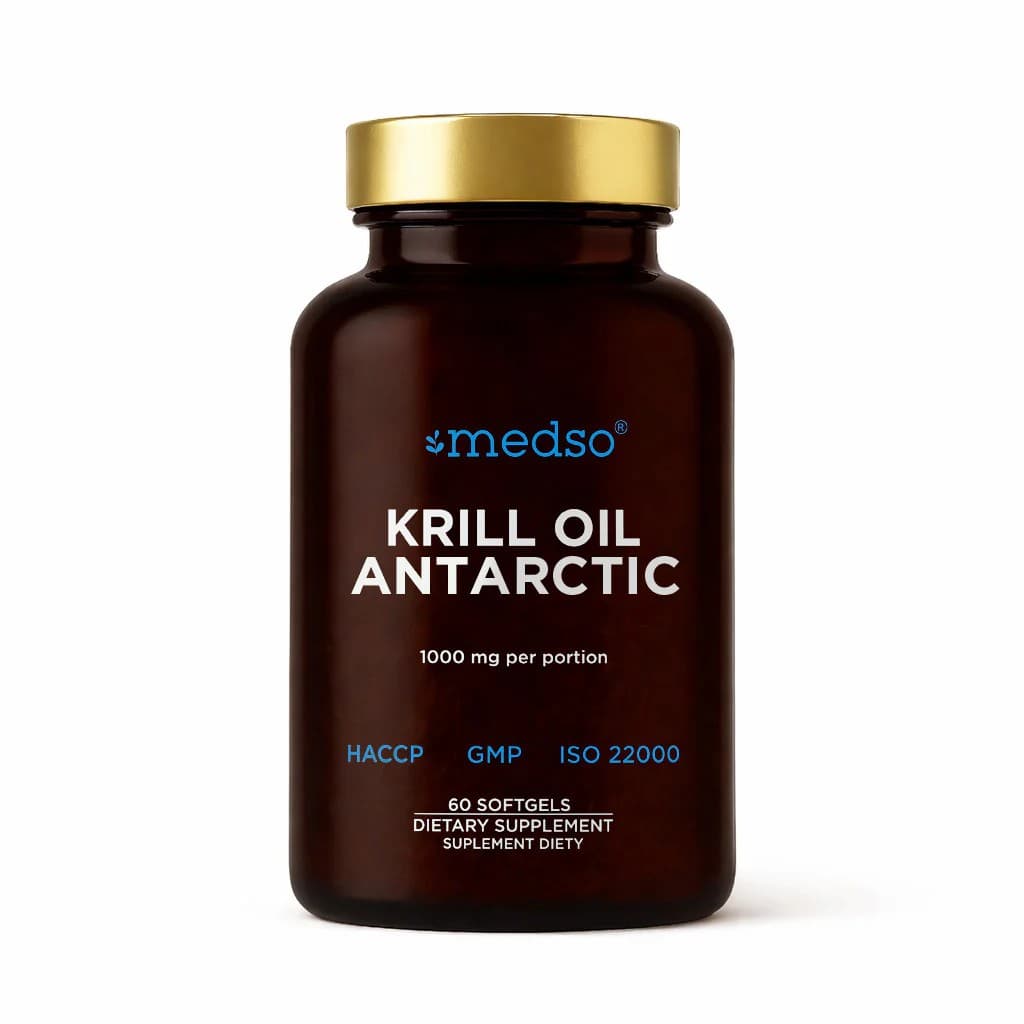
Medso
Medso Krill Oil Antarctic Oil from Antarctic krill 60 capsules
Backorder · 5–7 business days
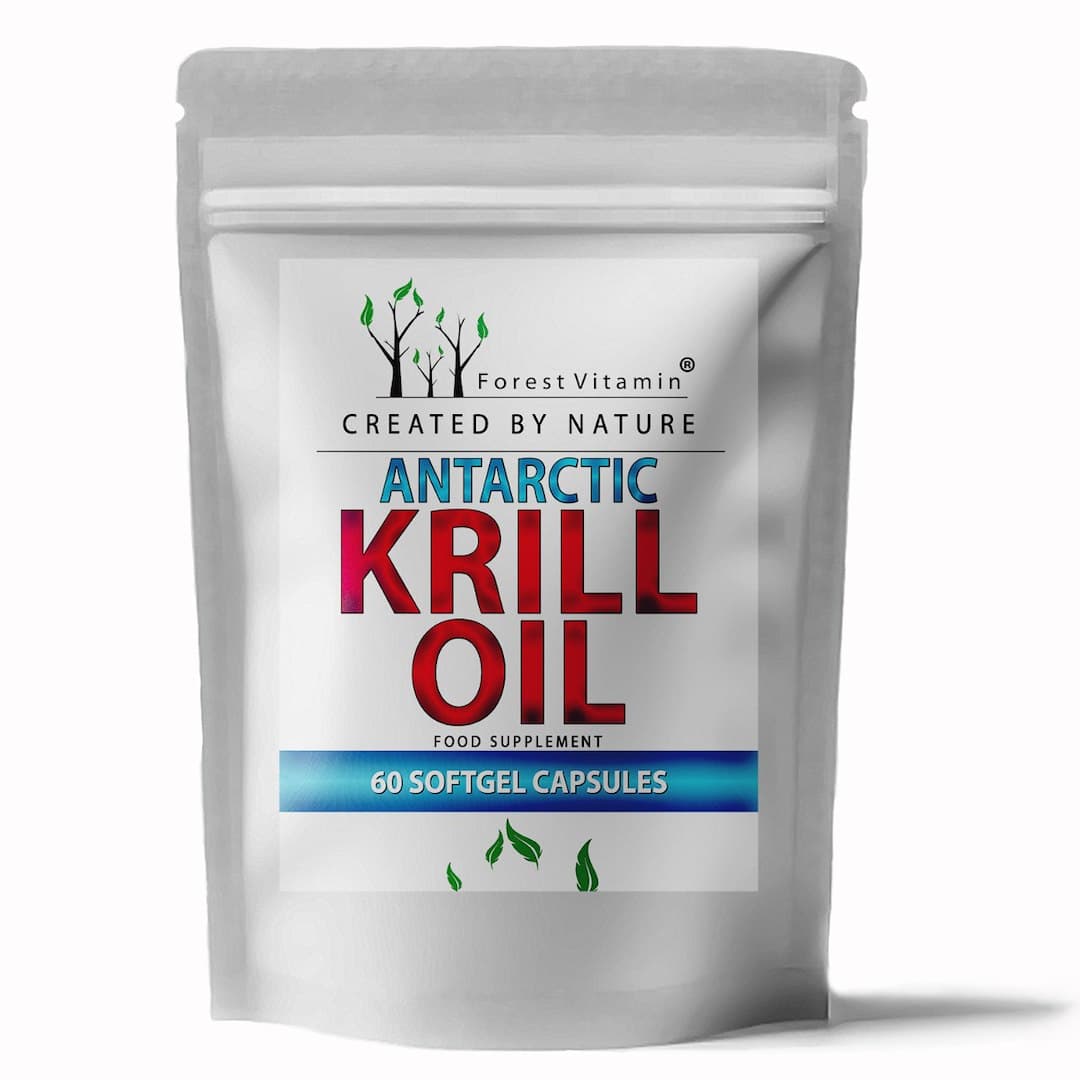
Forest Vitamin
Forest Vitamin Antarctic Krill Oil 500 mg 60 softgel capsules
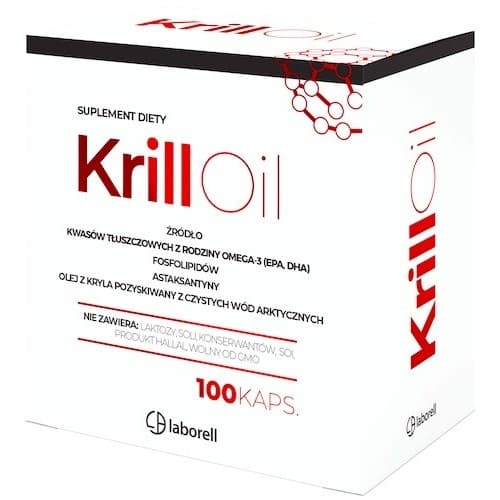
Laborell
Laborell Krill Oil 100 capsules
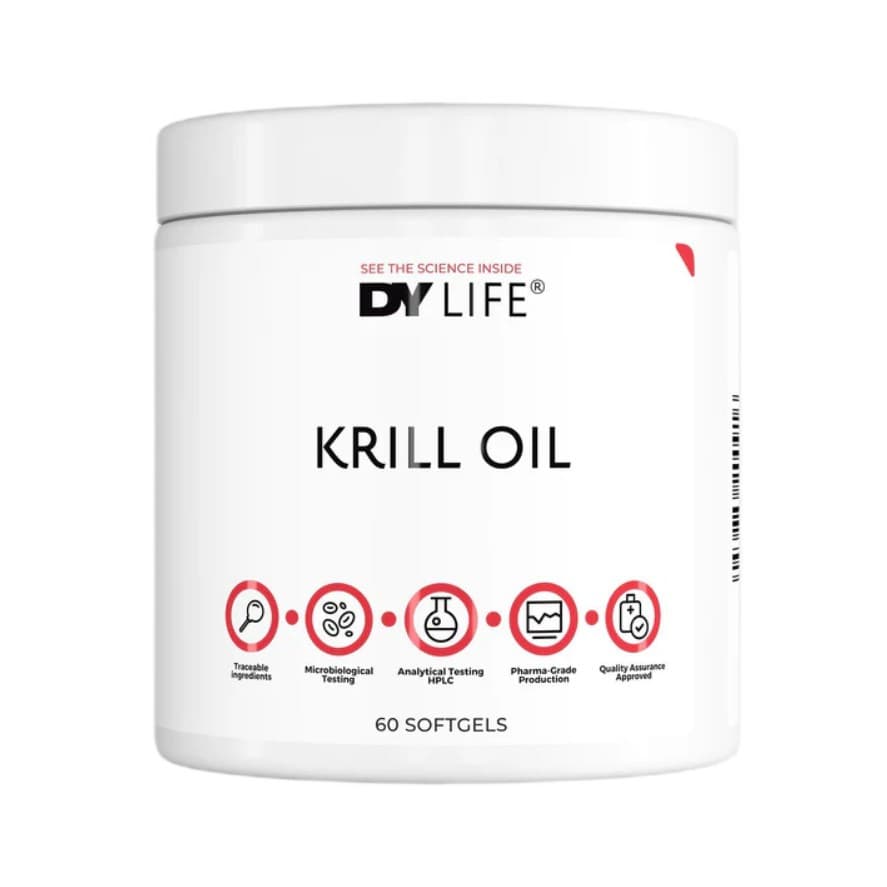
DY LIFE
DY LIFE - Krill Oil - 60 softgels
Backorder · 5–7 business days

Jutavit
Jutavit - Krill Caps - 60 Sgels
Backorder · 5–7 business days
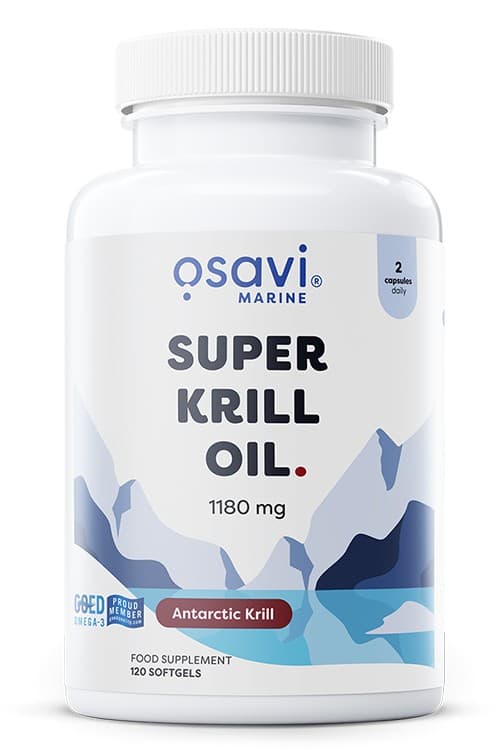
Osavi
Osavi - Super Krill Oil, 1180mg
Delivery 1–2 days
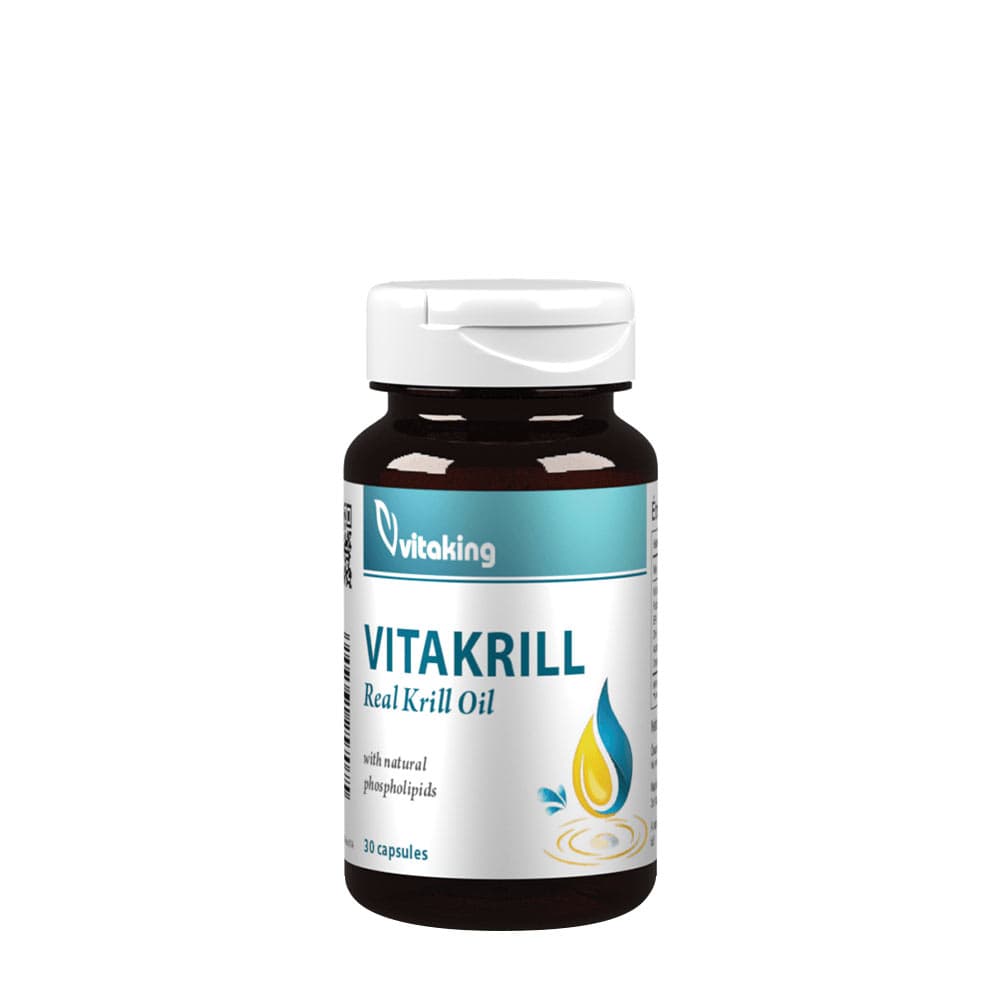
Vitaking
Vitaking - Krill Oil 500mg
Backorder · 5–7 business days
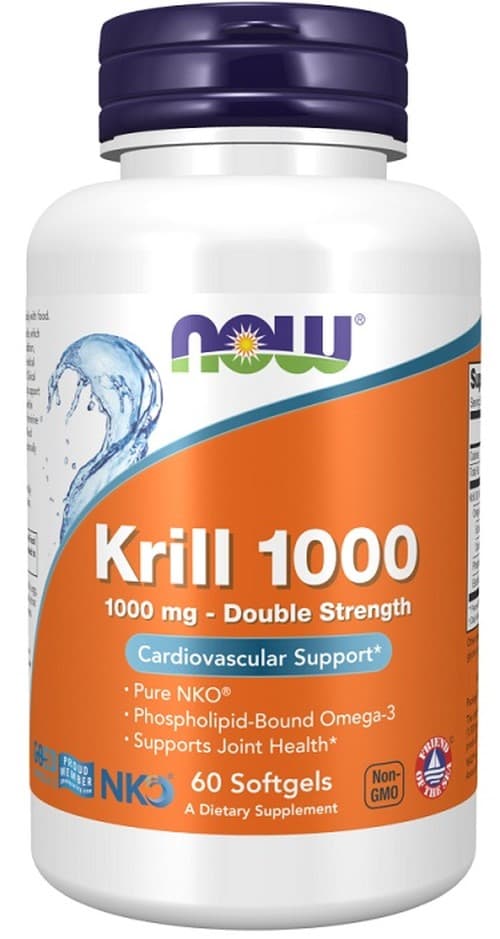
NOW Foods
NOW Foods - Krill Oil, 1000mg Double Strength - 60 Sgels
Delivery 1–2 days

Jarrow Formulas
Jarrow Formulas - Krill Oil
Delivery 1–2 days
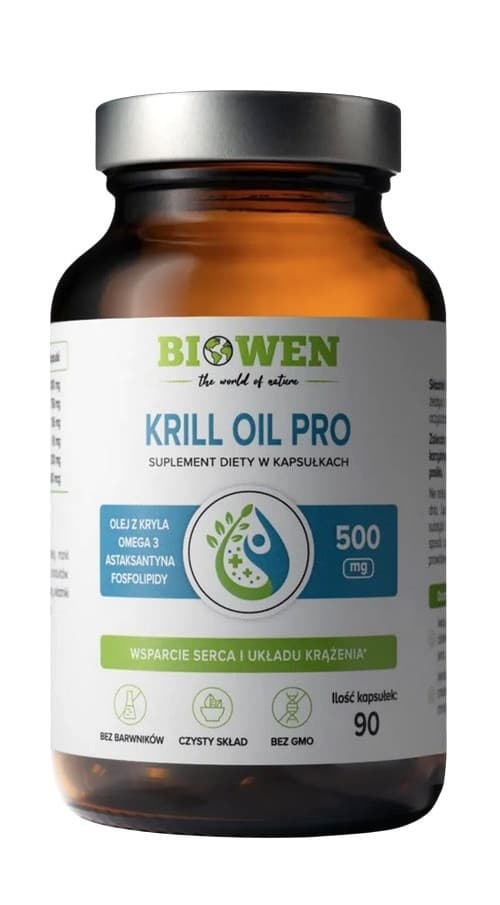
Biowen
Biowen - Krill Oil Pro - 90 capsules
Backorder · 5–7 business days
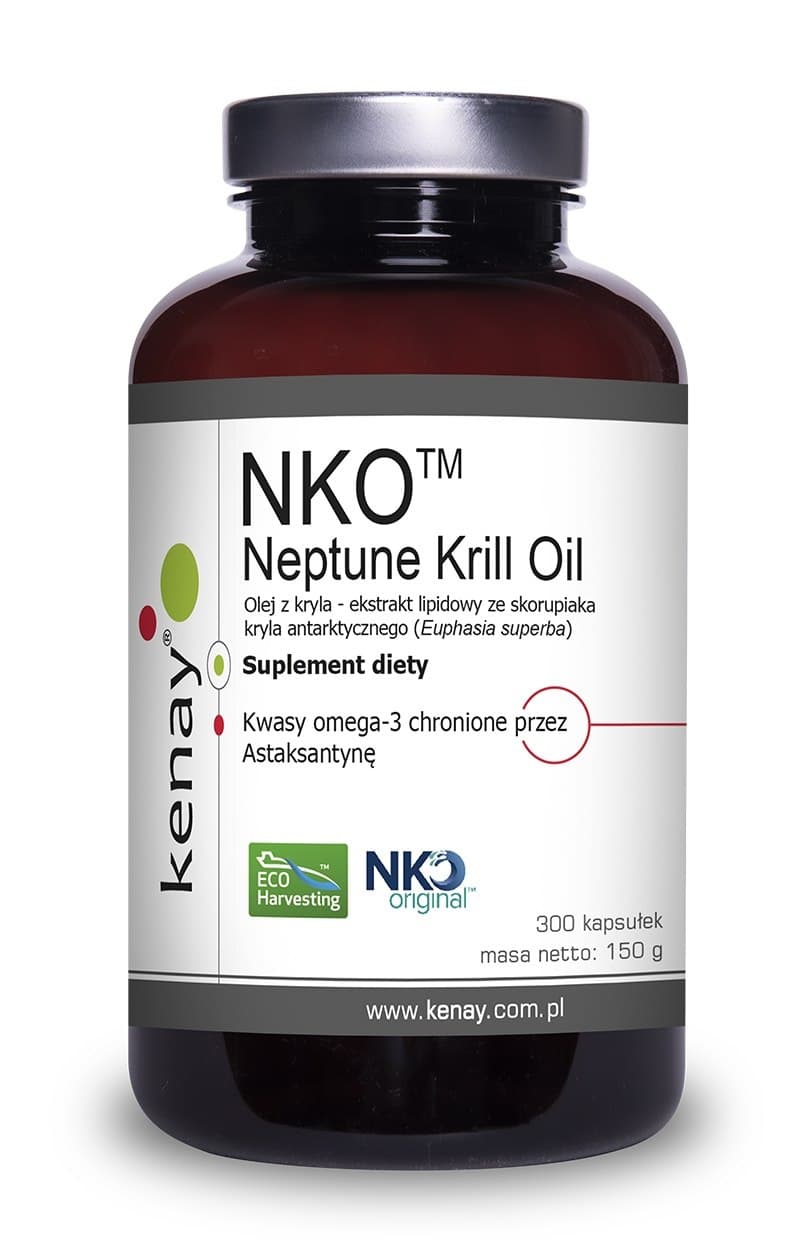
Kenay
Kenay Neptune Krill Oil NKO - Krill Oil 300 Capsules
Backorder · 5–7 business days
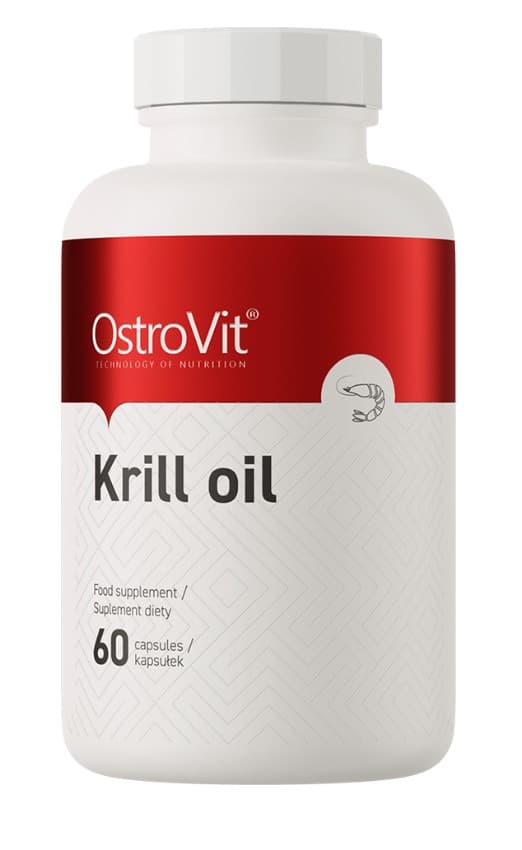
OstroVit
Ostrovit Krill Oil 60 capsules

Kenay
Kenay - Superba Boost Krill Oil (EPA & DHA - 60 capsules)
Backorder · 5–7 business days

Yango
Yango Antarctic Krill Oil - 60 capsules
Delivery 1–2 days
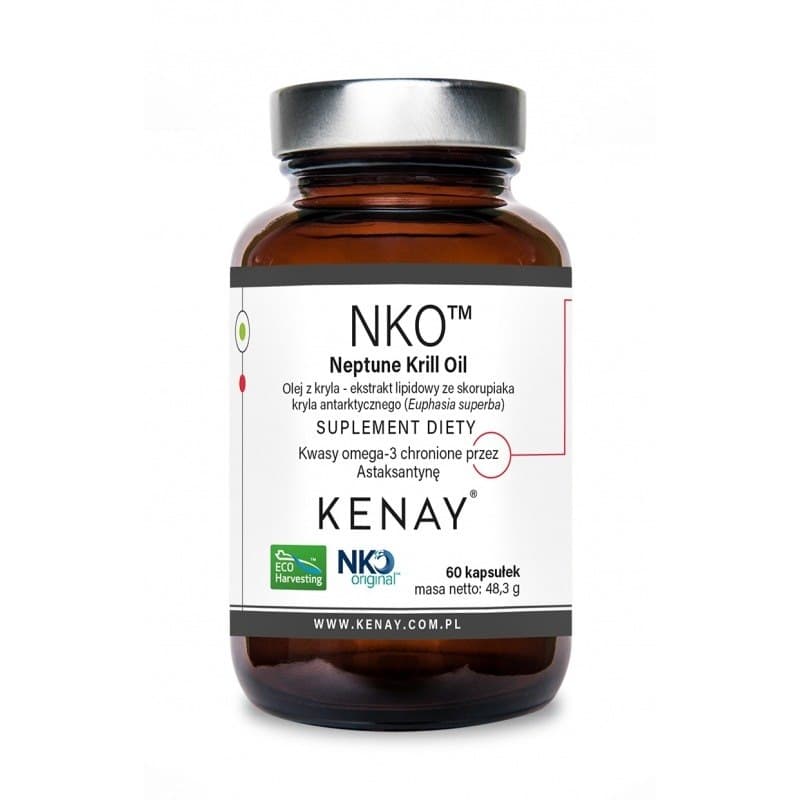
Kenay
Kenay - Neptune Krill Oil - 60 Capsules
Delivery 1–2 days

Osavi
Osavi - Advanced Marine 1180mg - 120 Softgels
Backorder · 5–7 business days
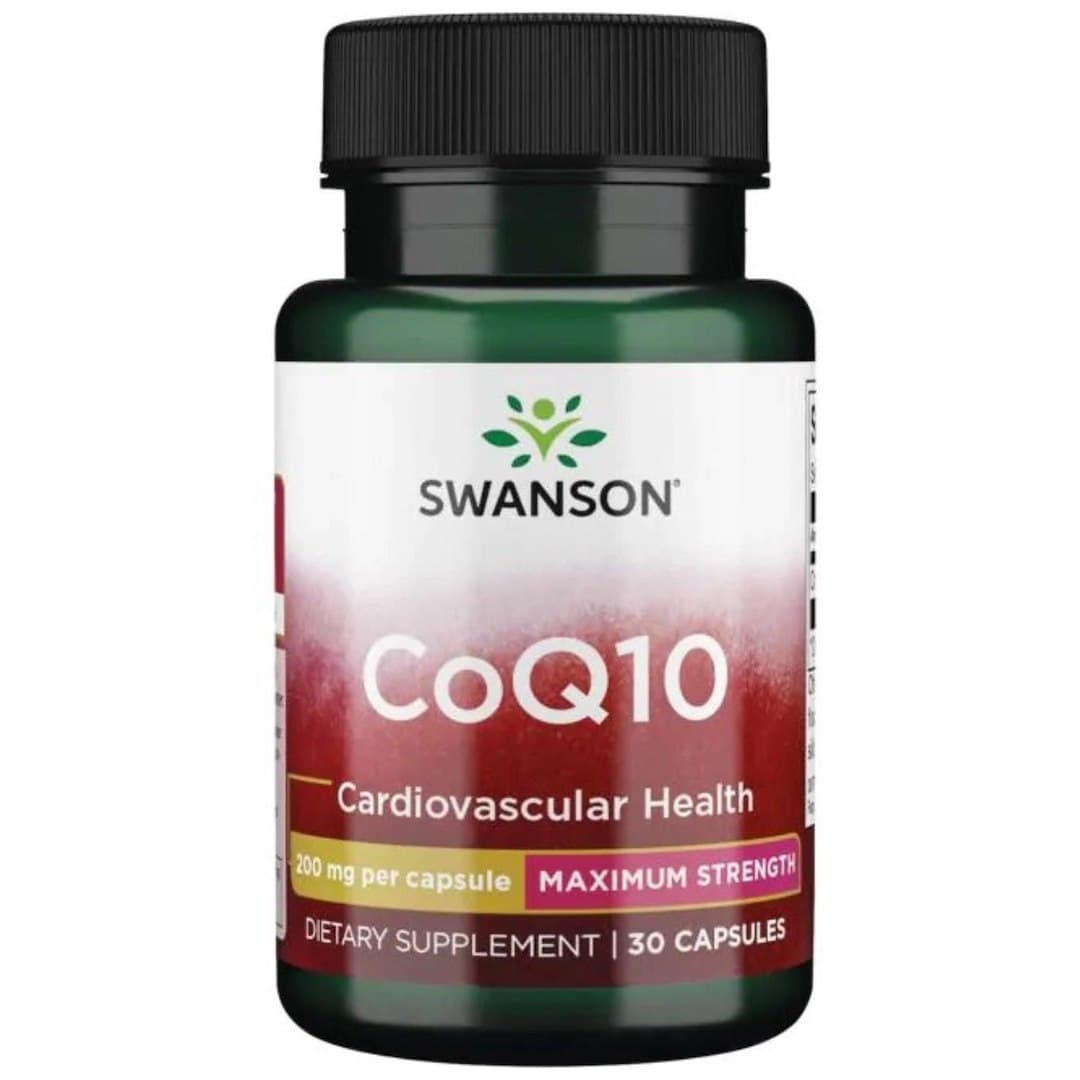
Swanson
Swanson 100% Pure Krill Oil 500 mg - 60 Softgel Capsules
Delivery 1–2 days
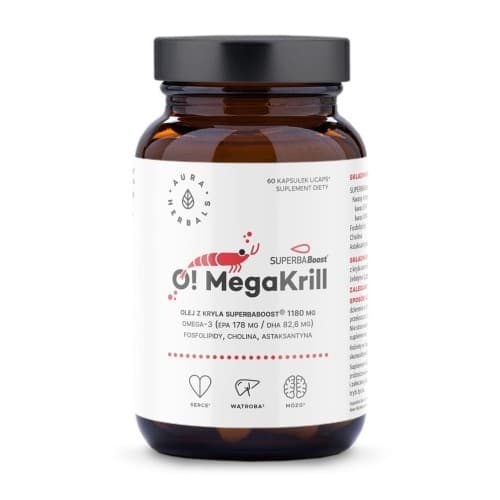
Aura Herbals
Aura Herbals O! Megakrill - 1180mg (60 capsules)
Delivery 1–2 days

NOW Foods
NOW Foods Krill 1000 - 60 Softgels
Delivery 1–2 days
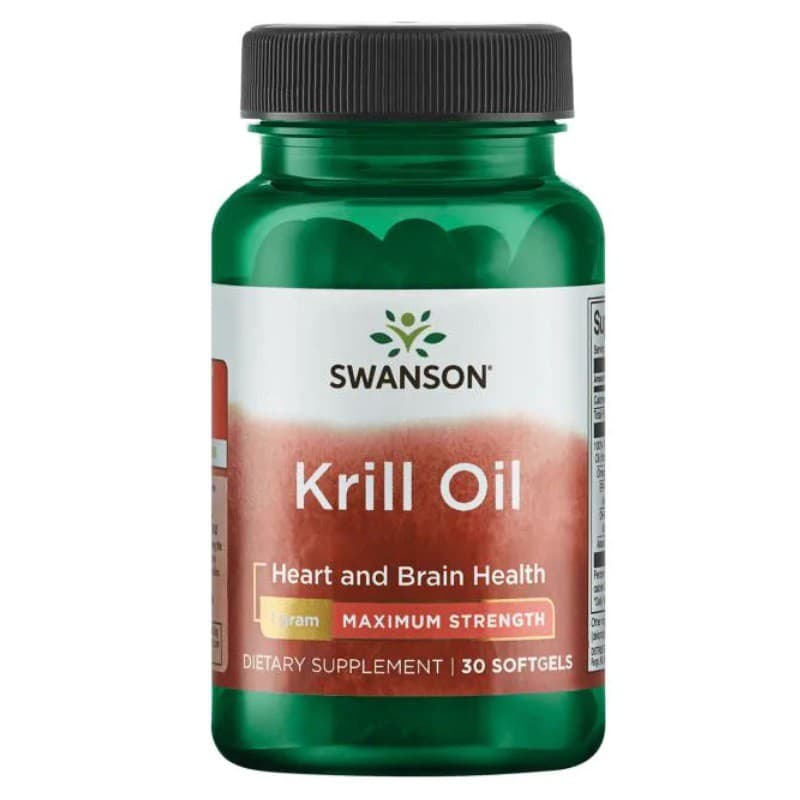
Swanson
Swanson Krill Oil Heart And Brain Health Maximum Strength 30 Capsules
Backorder · 5–7 business days

NFO
NFO Krill Oil Astaxanthin - 60 capsules
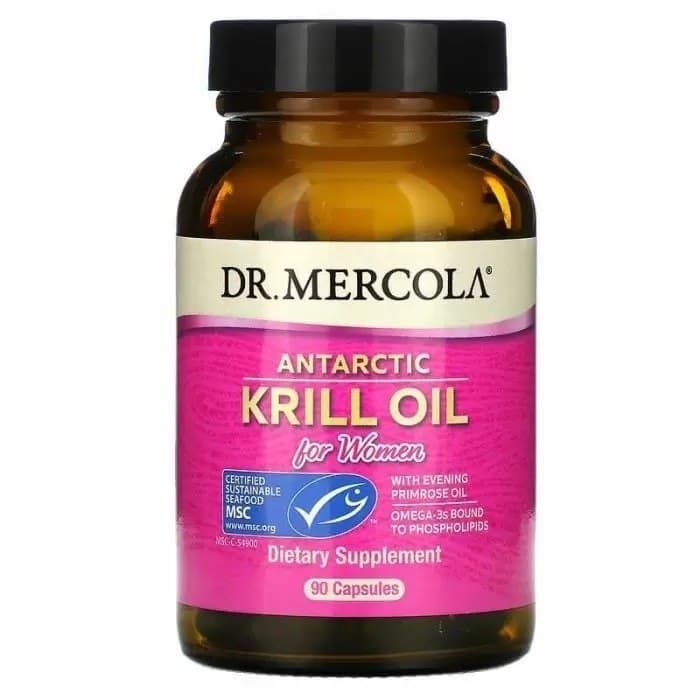
Dr. Mercola
Dr. Mercola Antarctic Krill Oil For Women - 30 capsules
Backorder · 5–7 business days
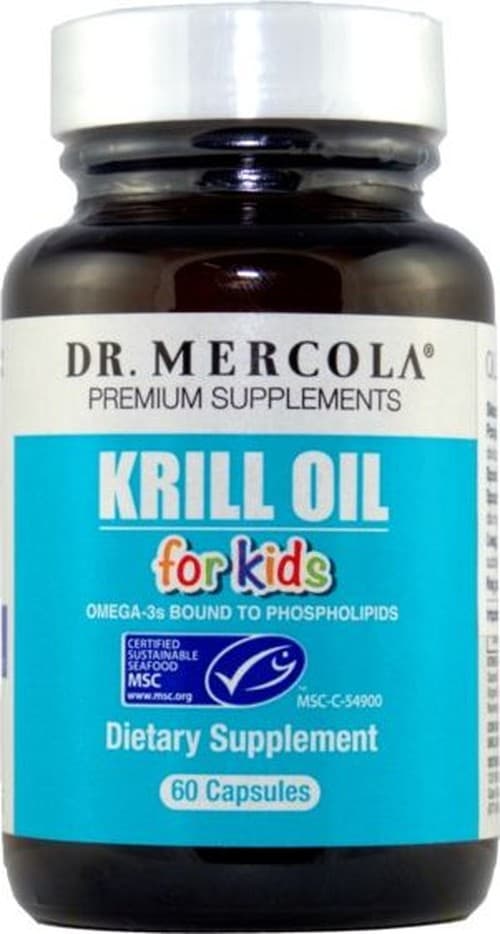
Dr. Mercola
Dr. Mercola Krill Oil for Children - 60 Capsules
Backorder · 5–7 business days

Kiki Health
Kiki Health Krill Oil 500 mg - 30 Licaps
Backorder · 5–7 business days

Allnutrition
Allnutrition - Omegarose - 60 Sgels
Delivery 1–2 days

Herbovita
Herbovita Krill 1180 mg – 60 capsules
Delivery 1–2 days

Kräuterhaus Sanct Bernhard
Kräuterhaus Sanct Bernhard Krill Oil 500 mg – 90 capsules
Backorder · 5–7 business days

Nature's Aid
Natures Aid Antarctic Krill Oil 500mg - 60 Capsules
Backorder · 5–7 business days
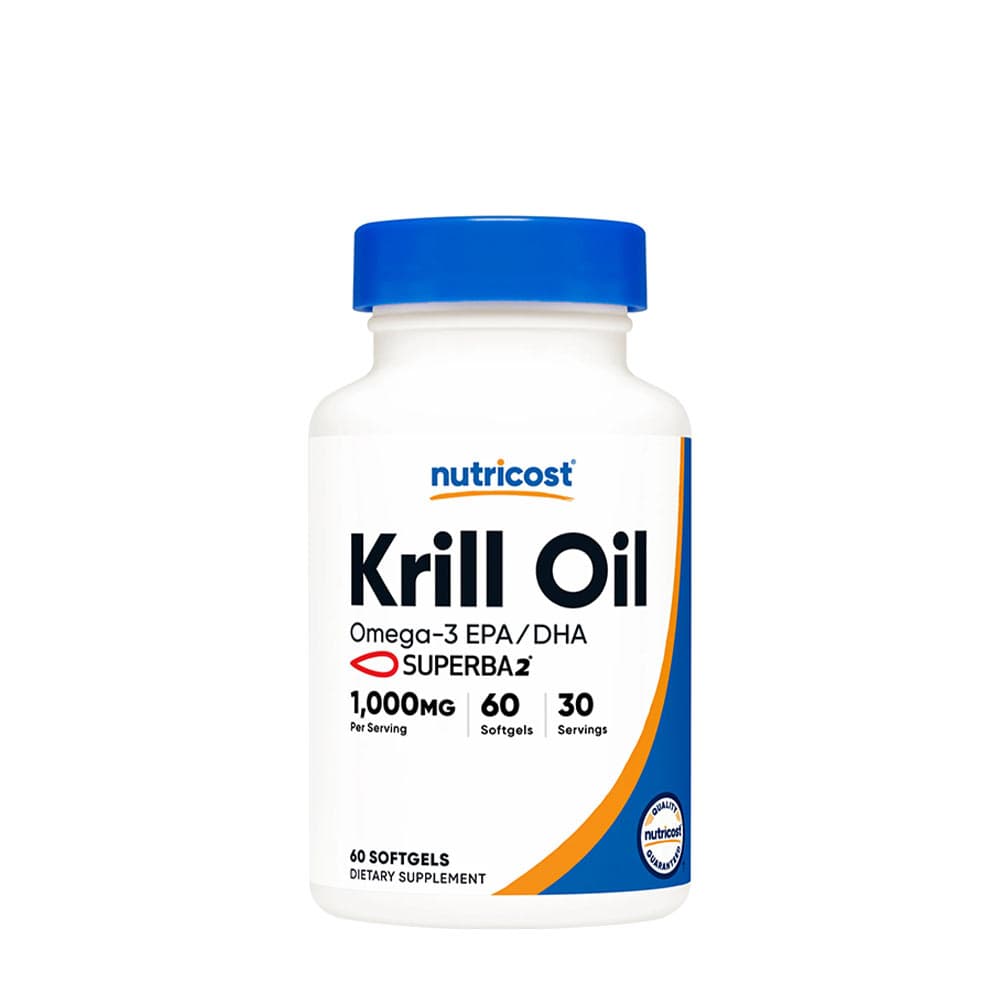
Nutricost
Nutricost Krill Oil 1000 mg - 60 Softgel Capsules
Backorder · 5–7 business days
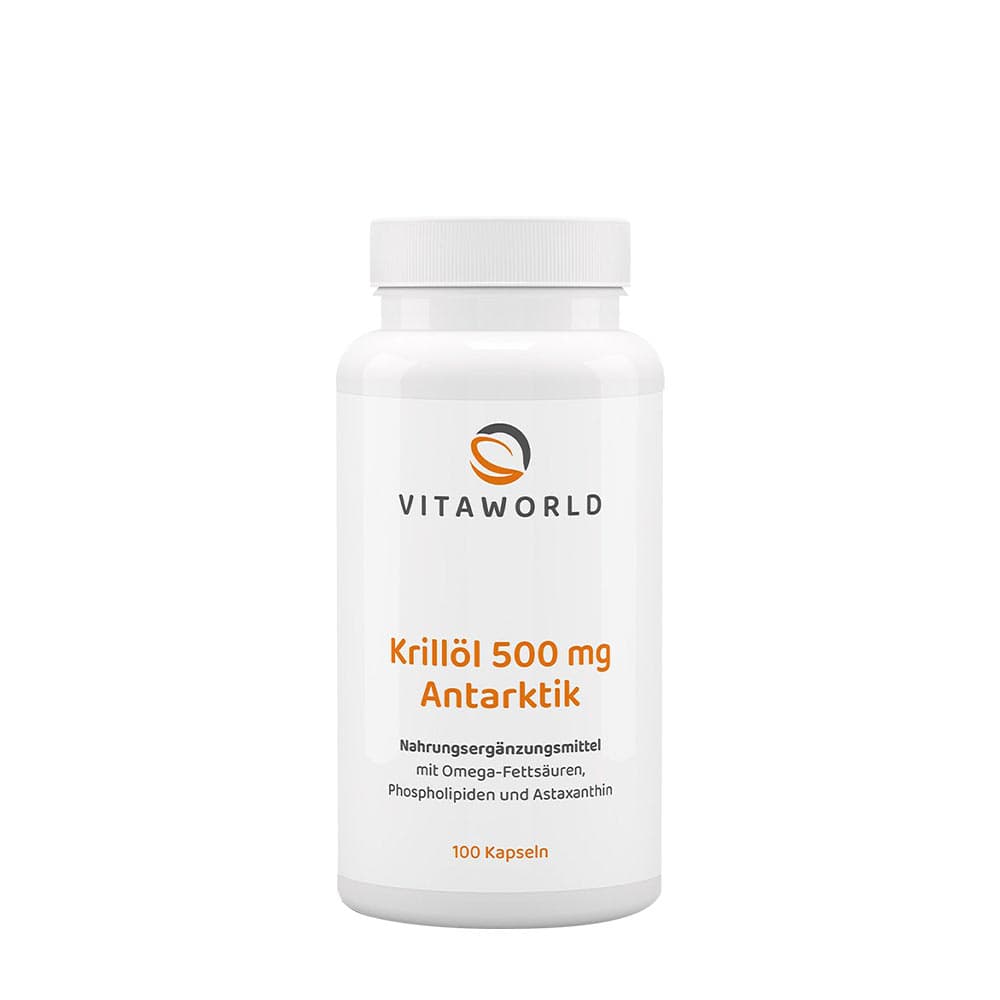
Vitaworld
Vitaworld Krill Oil Antarctica 500mg – 100 Capsules
Backorder · 5–7 business days
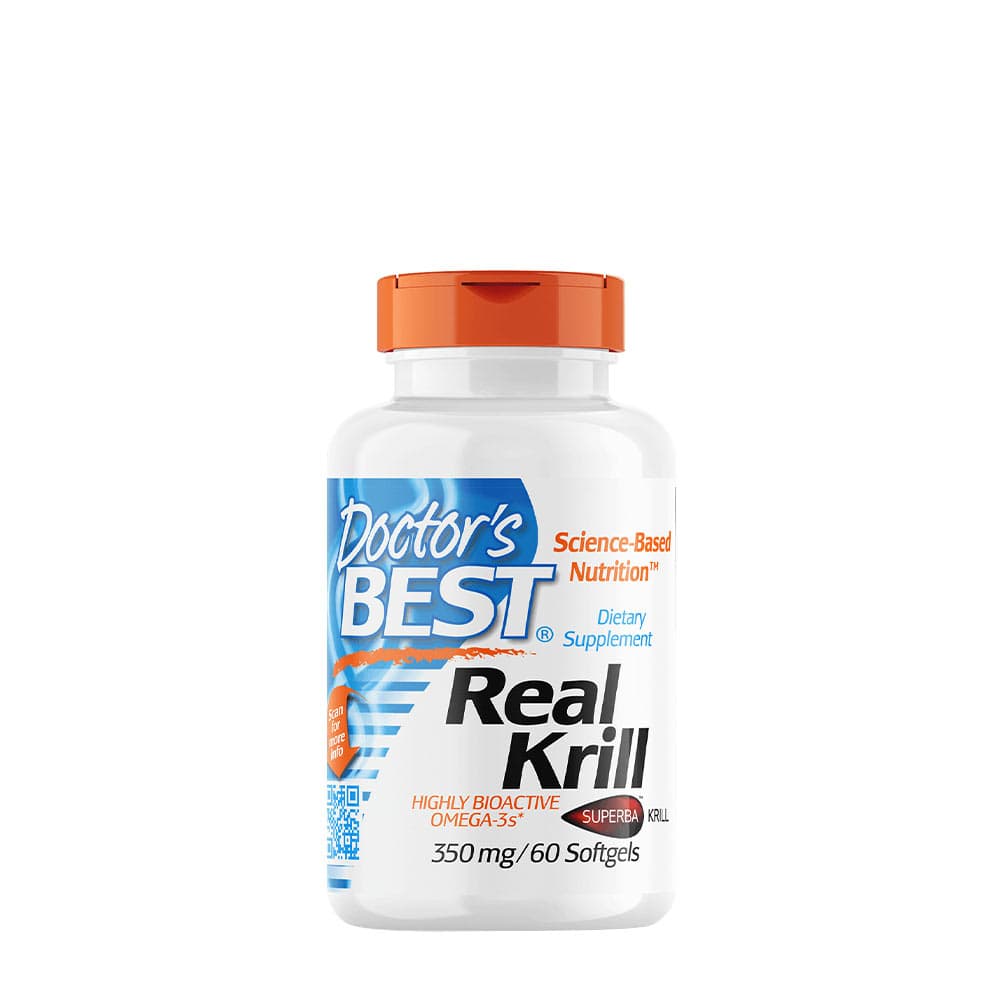
Doctor's Best
Doctor's Best Real Krill 350mg - 60 Softgels
Delivery 1–2 days
What is krill oil?
Krill oil is a supplement extracted from small shrimp-like crustaceans called krill, which live in the cold waters around Antarctica. This oil is rich in omega-3 fatty acids, primarily EPA (eicosapentaenoic acid) and DHA (docosahexaenoic acid), which are important for the body's normal functions. Unlike fish oil, where omega-3 fatty acids are often bound to triglycerides, in krill oil they are bound to phospholipids, which may contribute to better absorption in the body. Krill oil also naturally contains astaxanthin, an antioxidant that gives the oil its characteristic red colour. This makes krill oil a popular choice for those who want to supplement their diet with omega-3 in a natural way.
Benefits & uses
Krill oil is used as a supplement to complement the intake of omega-3 fatty acids and can be relevant in various life situations. Some common uses are:
- Daily extra omega-3 supplement for a balanced diet
- For those who want an alternative to traditional fish oil
- When a readily absorbable omega-3 supplement is needed due to the phospholipid form
- For those seeking products with natural antioxidant content (astaxanthin)
- As part of a healthy lifestyle and diet
It is important to remember that krill oil is a supplement and should be used as a complement to a varied diet and a healthy lifestyle.
How to choose the right krill oil
When buying krill oil online, there are several factors to consider to find a product that suits your needs:
- Quality: Choose krill oil from reliable manufacturers who use pure raw materials and have thorough quality controls. Certifications and third-party testing are good indicators.
- Omega-3 content: Check the amount of EPA and DHA per dose to compare products.
- Form: Krill oil is usually available in capsules, which facilitate dosing and intake.
- Astaxanthin: Naturally occurring antioxidant that may contribute to the product's stability.
- Price and quantity: Compare price per capsule or per milligram of omega-3 to find a good deal.
- Environment and sustainability: Some brands focus on sustainable fishing and environmentally friendly production – something to consider.
If you want to learn more about other omega-3 supplements, you can visit our category for fish oil.
Popular variants
Krill oil is available in several variants where capsules are the most common form. They are easy to dose and usually do not taste fishy, making them attractive to many users. Some common types of krill oil are:
- Pure krill oil: Standard product with concentration of omega-3 fatty acids and astaxanthin.
- Krill oil with added vitamin E: Combination that may help preserve the oil's quality.
- Krill oil in small doses: Suitable for those who want a lower daily intake or want to try the product first.
- Organic or sustainably certified krill oil: For those who prioritise environment and sustainability.
Regardless of which variant you choose, it is important that the product is well controlled and manufactured according to good manufacturing practice.
Frequently asked questions about krill oil
What distinguishes krill oil from fish oil?
Krill oil and fish oil are both sources of omega-3, but they differ in how the fatty acids are bound. Krill oil contains phospholipids which may provide better absorption, while fish oil has triglycerides. Additionally, krill oil naturally contains astaxanthin, an antioxidant.
Can I take krill oil if I am allergic to shellfish?
Since krill is a shellfish, caution should be exercised and consultation with a doctor is recommended before using krill oil if you have a shellfish allergy.
How do I dose krill oil?
Dosage varies between products, and it is important to follow the manufacturer's recommendations on the packaging. If you are unsure, you can consult a health advisor for personalised advice.