Vitamin C – essential facts and guide to the right supplement
288 productsVitamin C supplements. Ascorbic acid, Ester-C, liposomal vitamin C. Support immune system and collagen production.
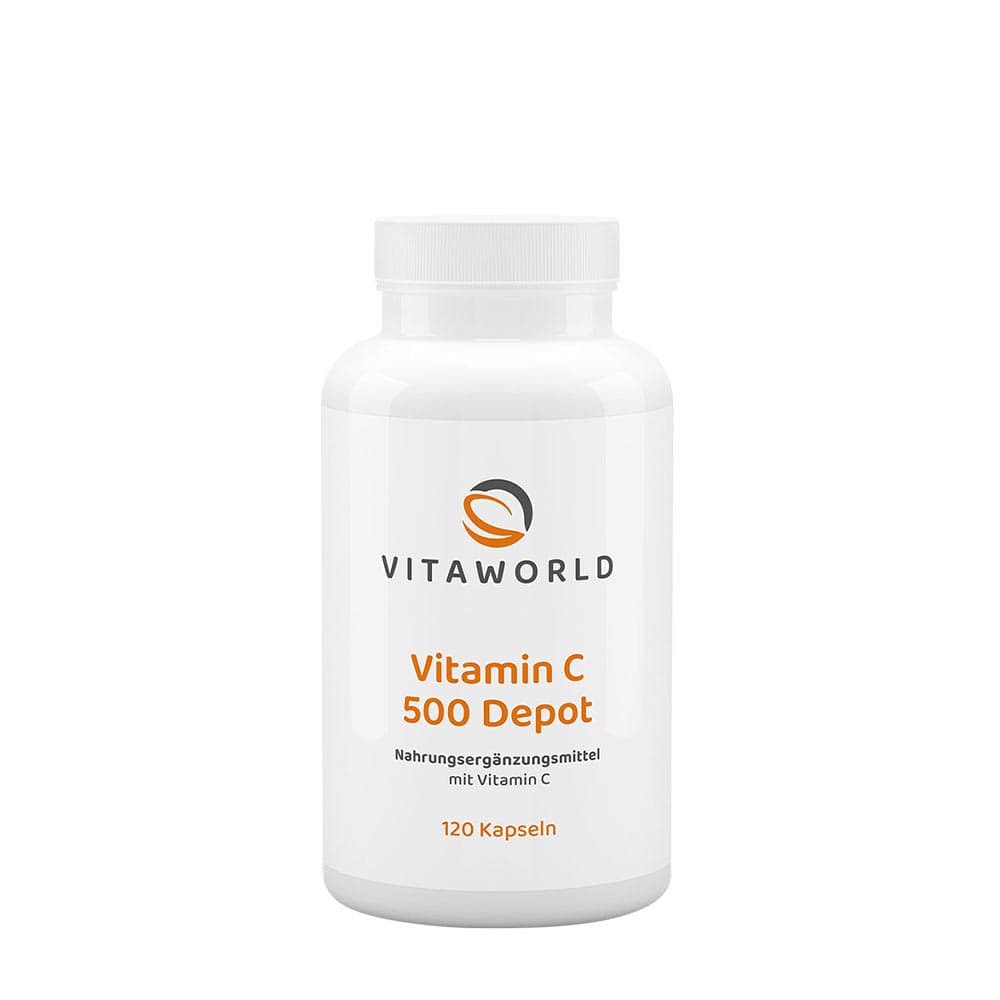
Vitaworld
Vitaworld Vitamin C 500 Depot - 120 capsules
Backorder · 5–7 business days

Vitaworld
Vitaworld - Vitamin C 1000 Buffered + Quercetin - 120 Tablets
Backorder · 5–7 business days
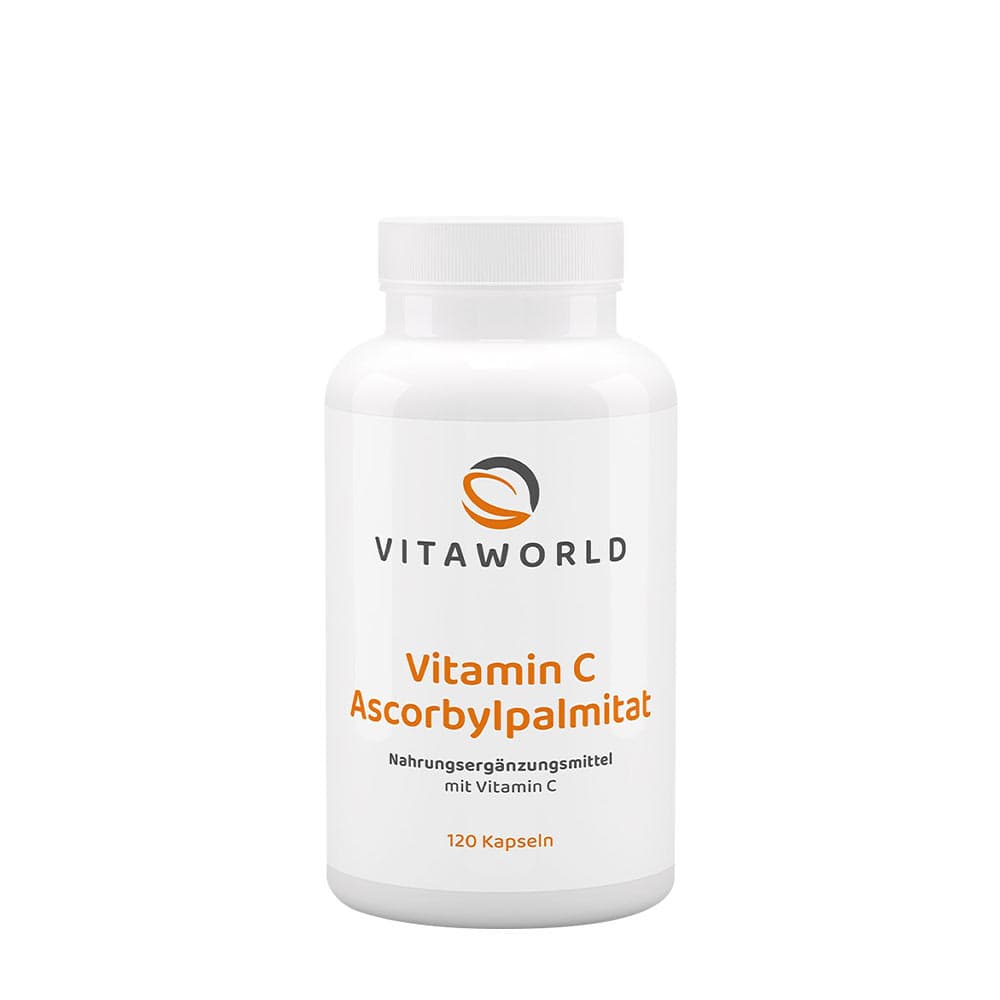
Vitaworld
Vitaworld Vitamin C Ascorbyl Palmitate - 120 Capsules
Backorder · 5–7 business days

Applied Nutrition
Applied Nutrition - Vitamin C with Rosehip - 1000mg - 100 Tablets
Backorder · 5–7 business days
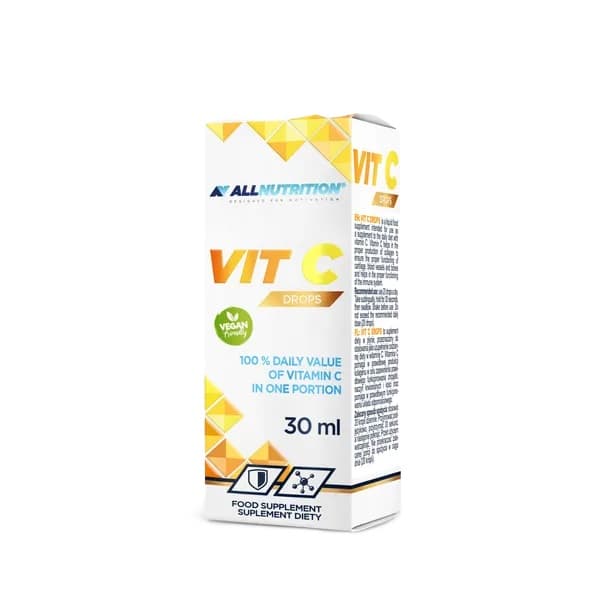
Allnutrition
Allnutrition Vitamin C Drops 30ml – Liquid Vitamin C Drops
Backorder · 5–7 business days

Swanson
Swanson - Vitamin C With Rose Hips - Timed-Release, 500mg - 250 Tablets
Delivery 1–2 days
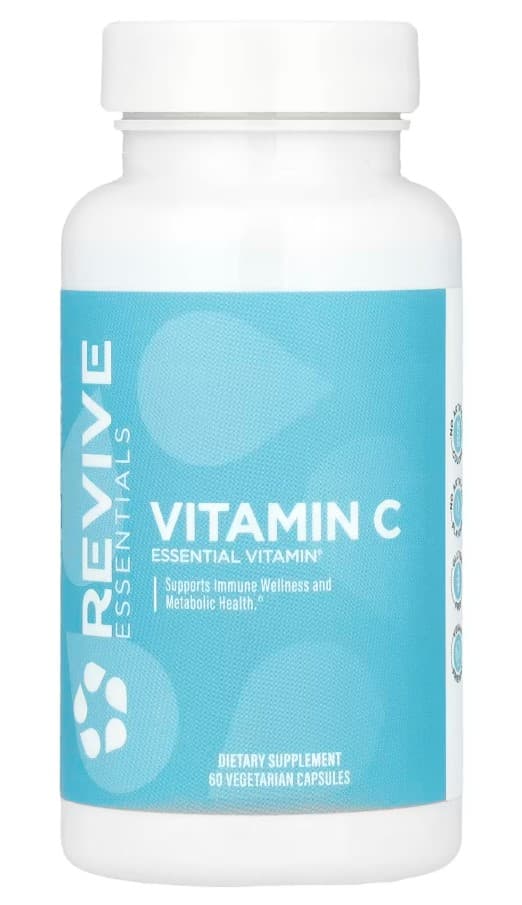
Revive
Revive Vitamin C - 1000 mg - 60 Vegetarian Capsules
Backorder · 5–7 business days

Holland & Barrett
Holland & Barrett - Vitamin C & Quercetin - 60 Tablets
Backorder · 5–7 business days
What is Vitamin C?
Vitamin C, also known as ascorbic acid, is a water-soluble vitamin that plays an important role in several of the body's processes. Since the body cannot store vitamin C, we need to supply it regularly through diet or supplements. Vitamin C occurs naturally in many fruits and vegetables, especially citrus fruits, berries, and peppers. As a supplement, vitamin C is popular among people who want to ensure a daily intake or complement their diet when needed.
Vitamin C contributes to normal collagen formation, which is important for skin, cartilage, bones, and blood vessels. It is also an antioxidant that helps protect the body's cells against oxidative stress. Thanks to its water-soluble nature, excess vitamin C is eliminated via urine, making it relatively safe to use in recommended doses.
Benefits & uses
Vitamin C supplements can be suitable in various situations and for several purposes. Below are some common uses and benefits of vitamin C:
- Daily supplement: To ensure a consistent intake of vitamin C when the diet may be insufficient.
- Increased physical activity: People who exercise a lot may have increased antioxidant needs.
- Support for skin health: Vitamin C contributes to normal collagen formation important for skin structure.
- As part of a varied diet: Supplements are often used to complement fruit and vegetable intake when limited.
- Convenient dosing: Easy to take in the form of tablets, capsules, powder, or effervescent tablets.
How to choose the right Vitamin C
When buying vitamin C, it is good to consider some factors to find the product that suits you best. Here are some tips to keep in mind:
- Form of vitamin C: Ascorbic acid is the most common, but there are also variants with added bioflavonoids that may affect absorption.
- Dosage: Choose a dose that matches your needs. The recommended daily intake for adults is about 75–90 mg, but doses in supplements can vary up to several hundred milligrams per serving.
- Type of product: Tablets, capsules, powder, or effervescent tablets – choose what is most convenient for you.
- Quality and origin: Check that the product is made by a reliable supplier and meets Swedish and European quality standards.
- Possible allergies and additives: Read the ingredient list carefully if you have allergies or want to avoid certain additives.
For more supplements, you can also visit our category Vitamins.
Popular variants
Vitamin C comes in several different forms, making it easy to find a variant that suits your needs and preferences. Here are some of the most common types:
- Ascorbic acid: The most used and well-studied form of vitamin C. Often found in tablets and capsules.
- Buffered vitamin C: A variant where ascorbic acid is neutralised with minerals such as calcium or magnesium, which can be gentler on the stomach.
- Vitamin C with bioflavonoids: Combinations that may contribute to increased bioavailability and support the body's absorption.
- Effervescent tablets and powder: Suitable for those who want an easy-to-dose and fast-absorbing form, often flavoured.
- Vegan and natural options: Vitamin C extracted from natural sources, such as acerola or camu camu, for those who prefer natural supplements.
Frequently asked questions about Vitamin C
Can I take too much vitamin C?
Vitamin C is water-soluble, which means excess is usually excreted via urine. However, there are recommended upper limits for daily intake. Taking very high doses can sometimes cause stomach discomfort. Therefore, it is important to follow the dosing instructions on the product.
Which form of vitamin C is best?
It depends on personal preferences and any sensitivities. Ascorbic acid is the most common form and has good documentation. Buffered variants can be gentler on the stomach, and supplements with bioflavonoids may contribute to better absorption.
Can I take vitamin C together with other supplements?
Vitamin C can generally be combined with other vitamins and minerals. It is common for vitamin C to be included in multivitamins. If you are taking medications or have specific health conditions, please consult a doctor or pharmacist.