Pea Protein
Plant-based protein from yellow peas with high bioavailability. Hypoallergenic, rich in BCAAs, and a popular vegan alternative to whey.
What is Pea Protein?
Pea protein is a plant-based protein extracted from yellow peas. It has become a popular protein source among vegans and vegetarians, as well as for those seeking alternatives to animal-based proteins such as whey protein. Pea protein has high bioavailability, meaning the body can easily absorb and utilise it. Additionally, it is hypoallergenic, making it an excellent option for those sensitive to soy or dairy products.
How does it work in the body?
Pea protein works by providing the body with essential amino acids, which are the building blocks of muscles and tissues. When we consume pea protein, it is broken down in the stomach into amino acids, which are then absorbed into the bloodstream and transported to the cells where they are used to support muscle growth and repair. Pea protein is particularly rich in branched-chain amino acids (BCAAs), which are crucial for muscle recovery and growth.
Scientific benefits
Several studies have shown that pea protein may have positive effects on health and exercise:
- Weight management: Research has shown that protein can increase feelings of satiety, which may lead to reduced calorie intake and weight control.
Dosage and recommendations
For most adults, a daily protein intake of approximately 0.8 grams per kilogram of body weight is recommended. A typical serving of pea protein powder is between 20-30 grams, which can be mixed with smoothies, porridge, or baked goods to increase protein content in the diet.
Best sources and forms
Pea protein is available in several forms, including:
- Pea protein powder: The most common and concentrated way to consume pea protein, often used in shakes and smoothies.
- Pea soup: A natural source of pea protein that also contains fibre and other nutrients.
- Pea-based protein bars: A convenient option for getting protein on the go.
Side effects and warnings
Pea protein is generally safe for most people. However, some individuals may experience digestive discomfort such as gas or bloating, especially if consuming large amounts. It is always advisable to start with a small amount and observe how the body reacts. If you have specific allergies or health issues, consult a doctor before starting a new supplement.
Frequently asked questions
Is pea protein as effective as whey protein?
Yes, research suggests that pea protein can have similar effects to whey protein in terms of muscle building and recovery, especially for those following a plant-based diet.
Can I use pea protein if I am allergic to soy?
Absolutely! Pea protein is an excellent alternative for those allergic to soy or dairy products, as it is entirely plant-based and hypoallergenic.
What does pea protein taste like?
Pea protein has a mild, nutty flavour that can be somewhat earthy. Many products are flavoured to improve taste, and it mixes well with fruits, vegetables, or other ingredients to mask the flavour.
It is an excellent supplement in a balanced diet for weight management.
Can children eat pea protein?
Yes, children can consume pea protein, but it is important to ensure their overall nutritional intake is balanced. It is advisable to consult a paediatrician or dietitian if unsure.
Products containing Pea Protein
Show all 30 →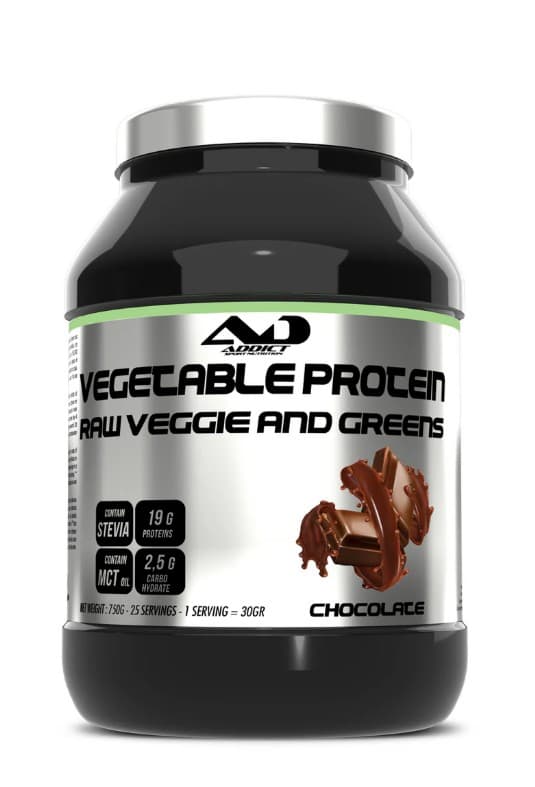
Addict Sport Nutrition - Vegetable Protein Raw Veggie and Greens
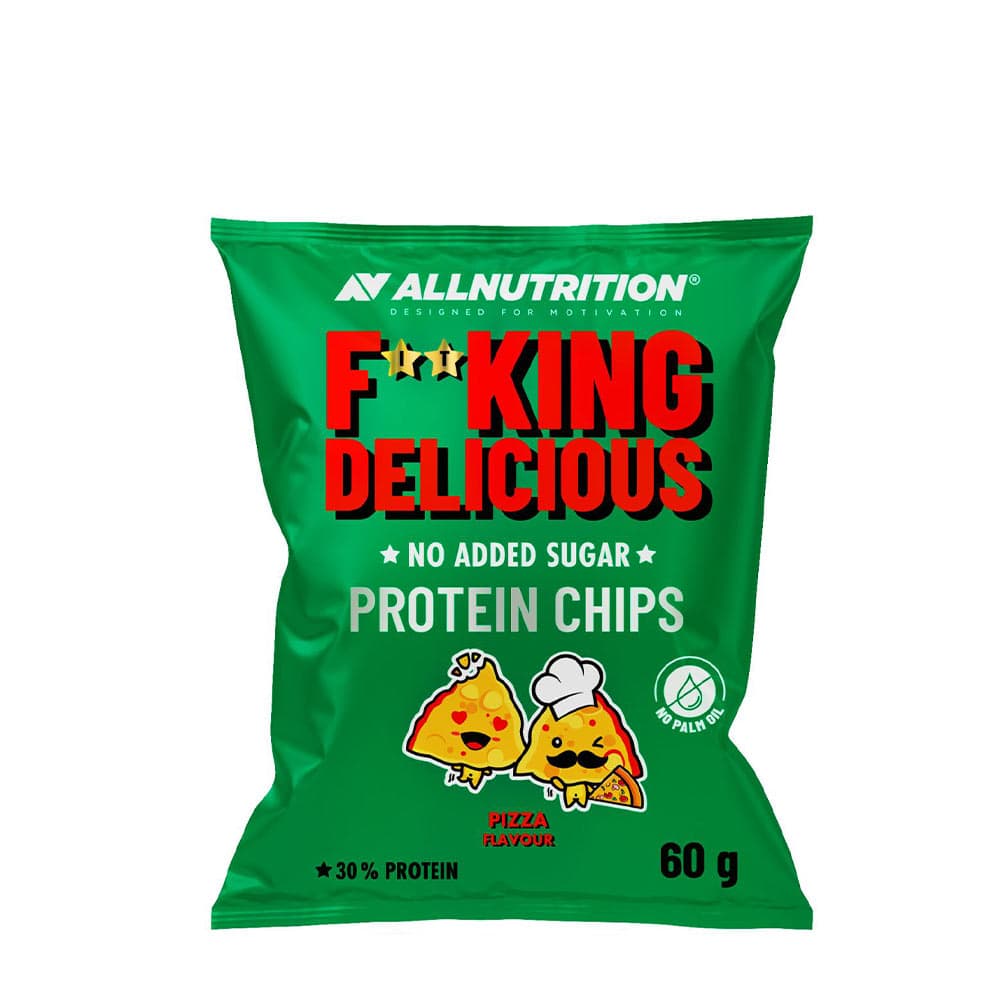
Allnutrition - Delicious Protein Chips
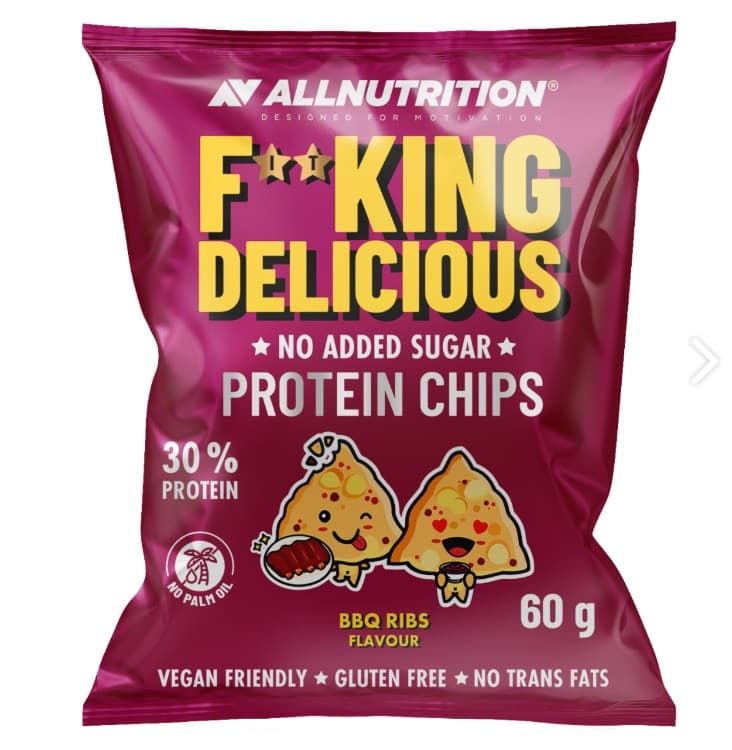
Allnutrition - Fitking Delicious Protein Chips, Bbq Ribs - 60g
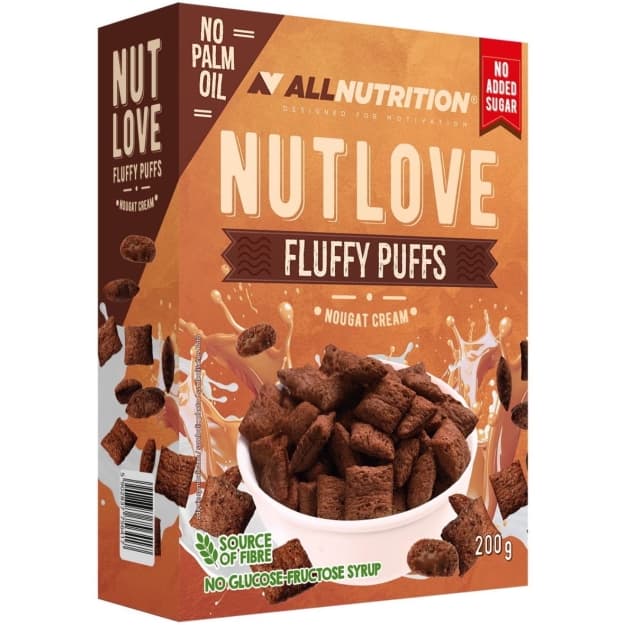
Allnutrition - Nutlove Fluffy Puffs - 200g
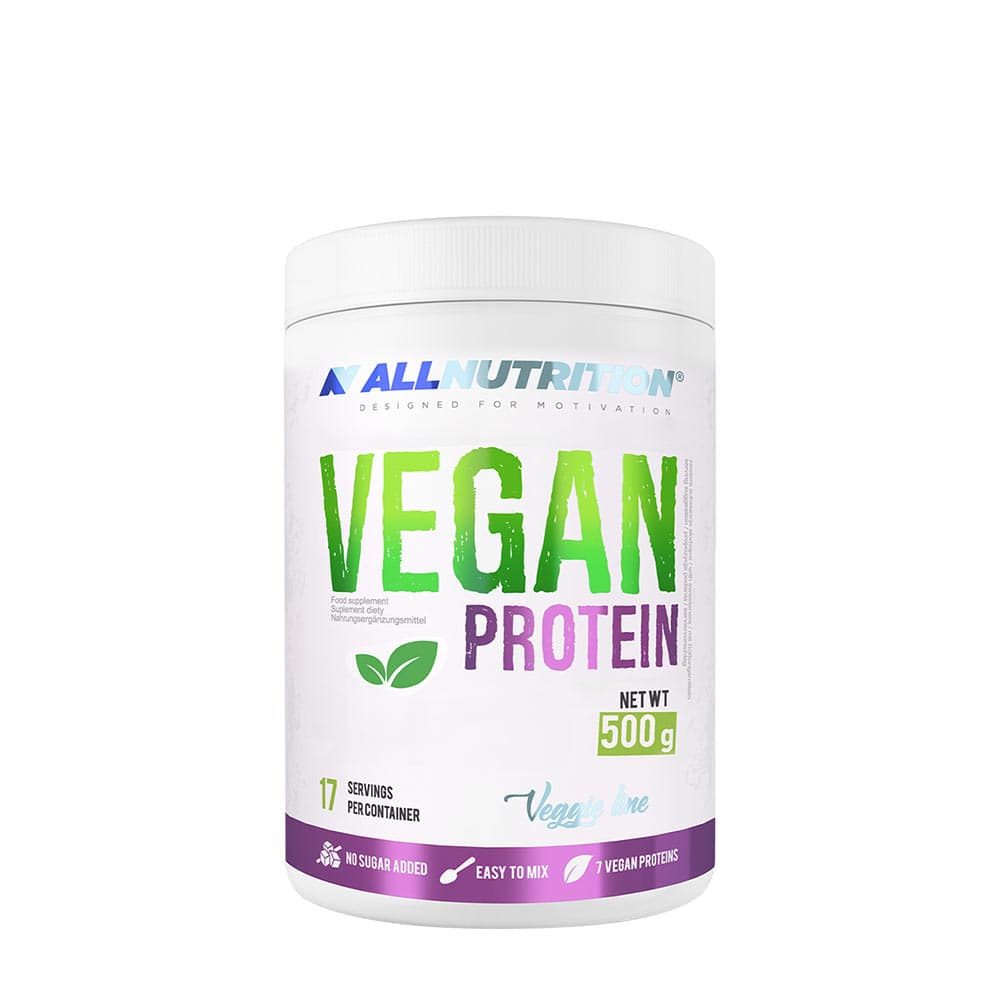
Allnutrition Vegan Protein
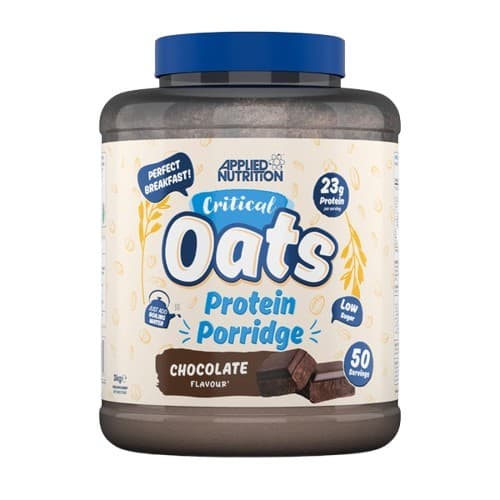
Applied Nutrition - Critical Oats Protein Porridge
Related entries
Rice Protein
Hypoallergenic plant protein extracted from brown rice. Often combined with pea protein for a complete amino acid profile.
Hemp Protein
Nutrient-rich plant protein from hemp seeds with natural omega-3/6 fatty acids, fibre, and minerals. Easily digestible and sustainable.
Leucine
The most important amino acid for muscle protein synthesis. Activates the mTOR signalling pathway and acts as an "anabolic switch" for muscle building.