BCAA
BCAA – definition and facts in our glossary.
What are BCAAs?
BCAAs, or branched-chain amino acids, are a group of three essential amino acids: leucine, isoleucine, and valine. These amino acids play a crucial role in the body's muscle building and recovery. Unlike other amino acids, which are metabolised in the liver, BCAAs are broken down directly in the muscles. This makes them especially important for athletes and people who exercise regularly.
How do they work in the body?
BCAAs work by stimulating muscle protein synthesis, which is the process by which the body builds new muscle protein. Leucine, one of the three BCAAs, plays a particularly important role in this process.
Scientific benefits
Several studies have investigated the effects of BCAAs on muscle building and performance enhancement.
- A study published in The Journal of Nutrition demonstrated that leucine can stimulate muscle protein synthesis by up to 33%.
Dosage and recommendations
The recommended dosage of BCAAs can vary depending on individual goals and levels of physical activity. Generally, a dose of 5-10 grams of BCAAs before and after exercise is recommended to maximise benefits.
Best sources and forms
BCAAs are available in various forms, including powders, capsules, and tablets. Some of the best natural sources of BCAAs include:
- Meat, especially beef and chicken
- Dairy products, such as milk and cheese
- Eggs
- Plant-based sources, such as soybeans and nuts
For those who do not get enough BCAAs through diet, supplementation can be a convenient solution.
Side effects and warnings
Although BCAAs are considered safe for most people, excessive consumption can lead to side effects such as nausea, fatigue, and gastrointestinal discomfort. Individuals with liver or kidney problems should consult a doctor before starting BCAA supplements. It is also important to note that BCAAs do not replace a balanced diet but should be seen as a complement.
Frequently asked questions
What is the difference between BCAAs and EAAs?
BCAAs (branched-chain amino acids) consist of three specific amino acids, whereas EAAs (essential amino acids) include all nine amino acids that the body cannot produce itself. EAAs are therefore more comprehensive, but BCAAs are particularly important for muscle building.
Can I get enough BCAAs through diet?
Yes, if you consume a protein-rich diet that includes meat, dairy products, eggs, and certain plant-based sources. However, for those who train intensively, supplementation may be beneficial.
They may also help reduce hunger and increase satiety.
Can BCAAs cause sleep problems?
Some people report experiencing sleep problems when taking BCAA supplements late in the day. It may be better to take them earlier in the day or before exercise.
Are BCAAs safe for women?
Yes, BCAAs are safe for women and can be beneficial for those who exercise and want to support muscle building and recovery.
Products containing BCAA
Show all 36 →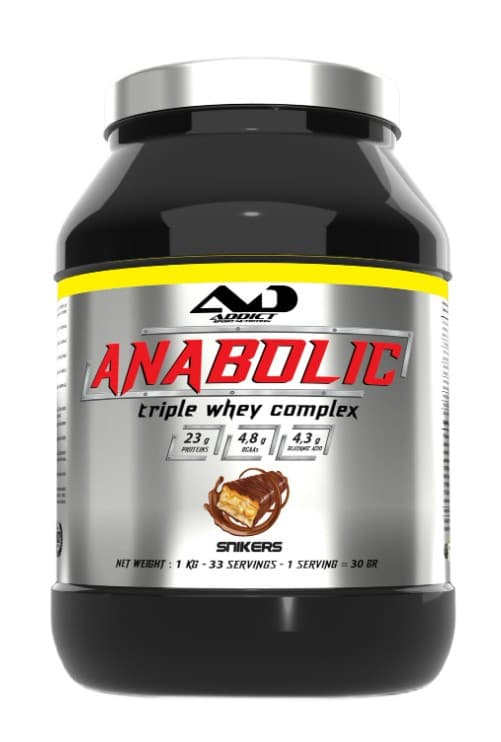
Addict Sport Nutrition (ADD) - Anabolic Triple Whey Complex
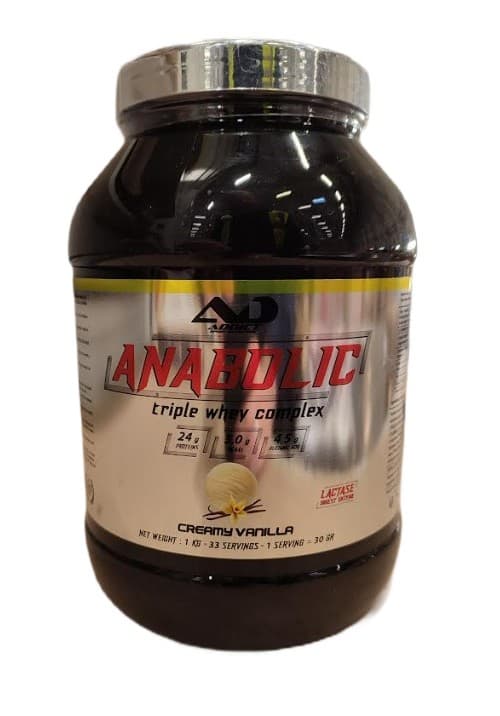
Addict Sport Nutrition Anabolic Triple Whey Complex
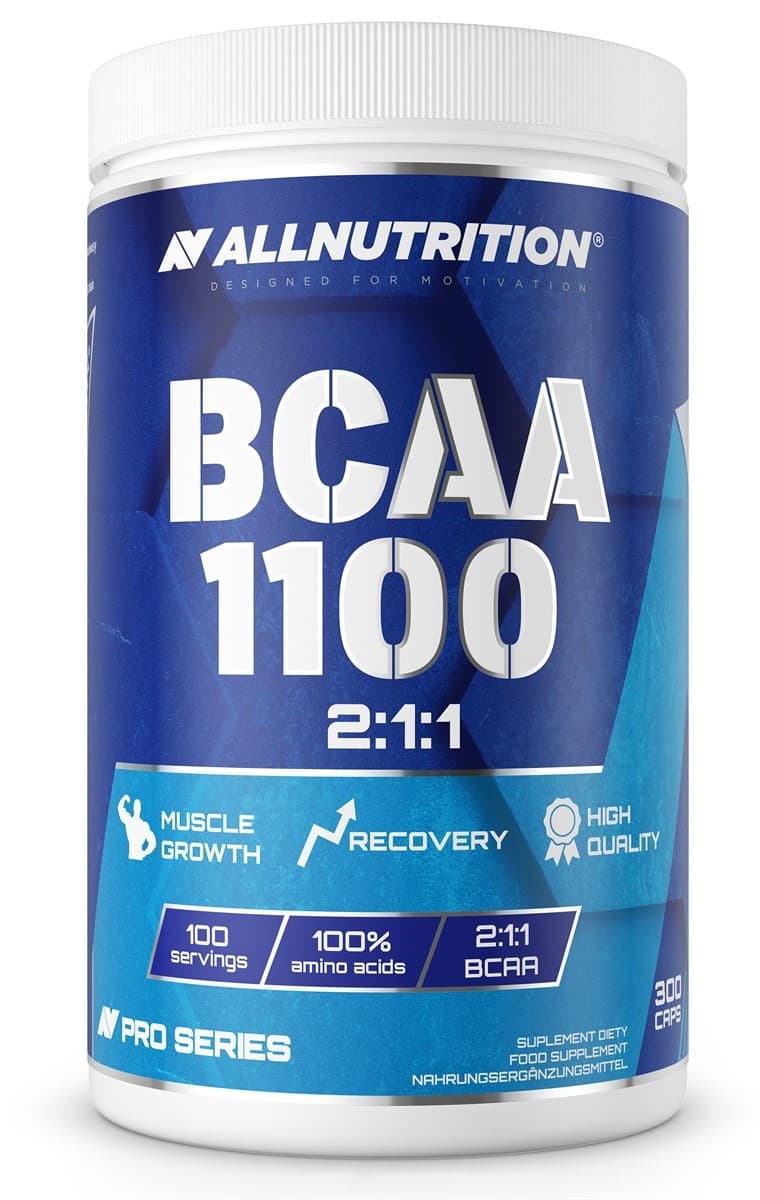
Allnutrition - BCAA 1100 - 300 Caps
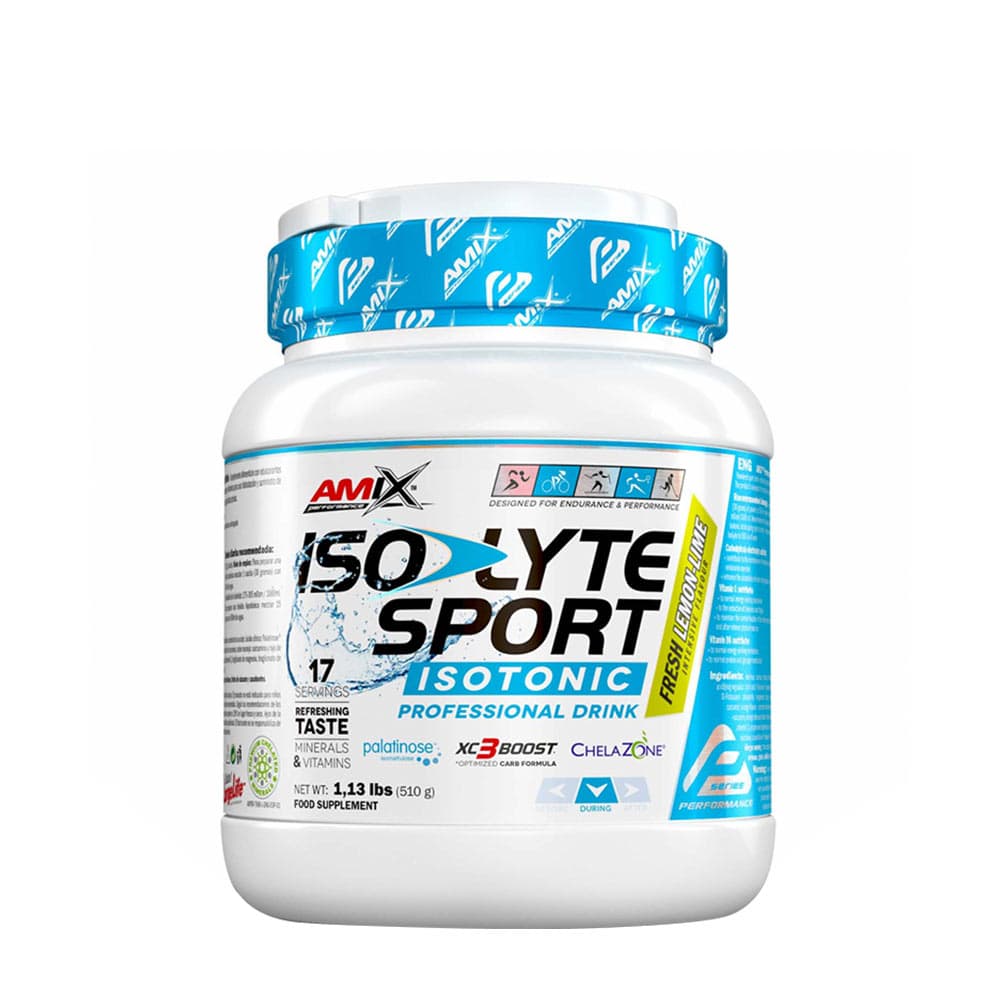
Amix - Iso-Lyte Sport
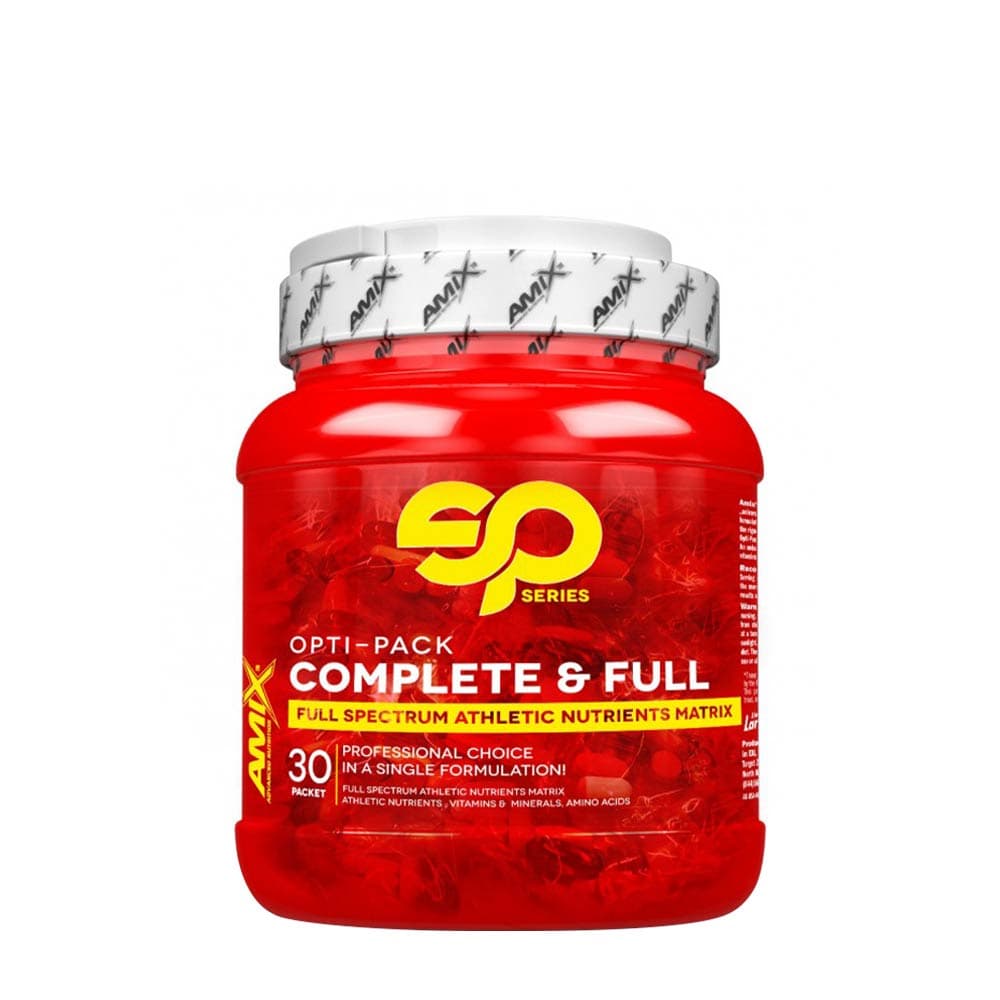
Amix - Opti-Pack Complete & Full - 30 Sachets
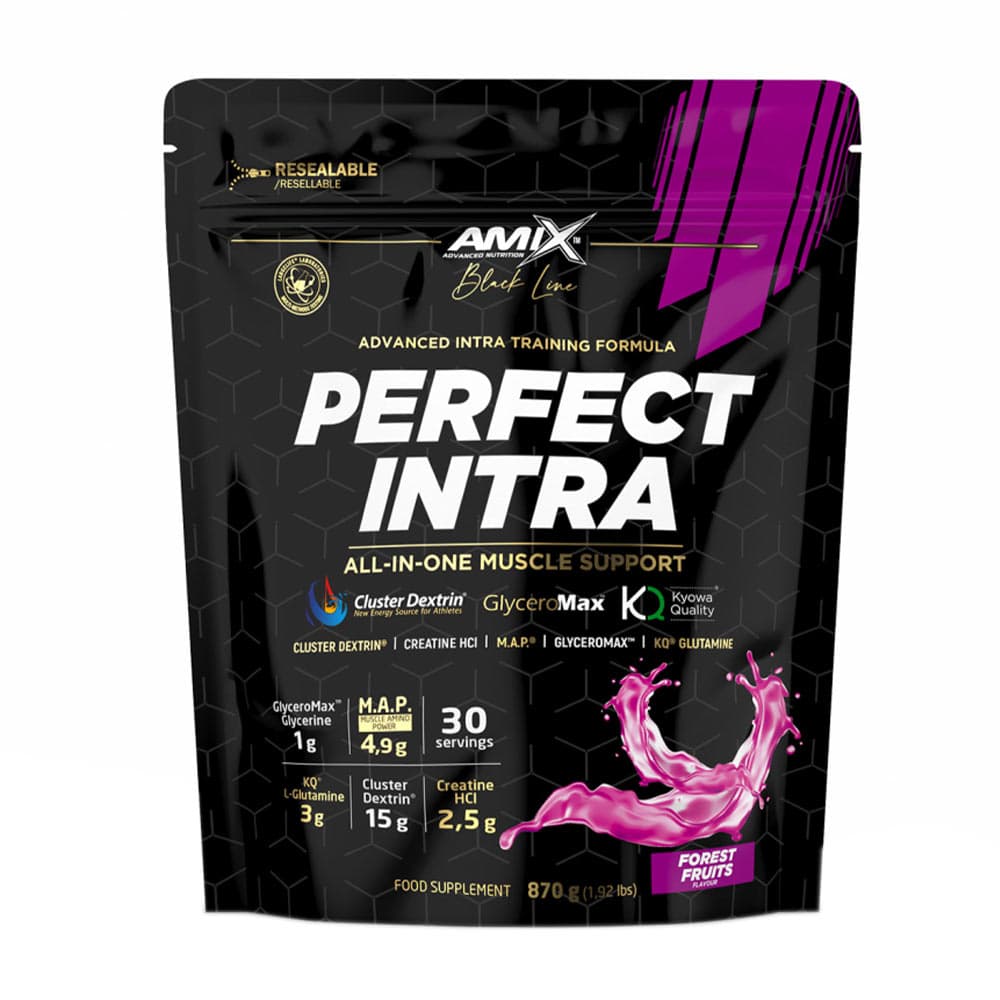
Amix - Perfect Intra - Advanced Intra Training Formula
Related entries
Leucine
The most important amino acid for muscle protein synthesis. Activates the mTOR signalling pathway and acts as an "anabolic switch" for muscle building.
EAA
EAA (Essential Amino Acids) are all nine essential amino acids that the body cannot produce. More complete than BCAA for muscle protein synthesis.