Benfotiamine
Benfotiamine is a fat-soluble derivative of thiamine (vitamin B1) developed in Japan in the 1950s. It is absorbed more efficiently than water-soluble thiamine hydrochloride and is considered a source of thiamine — which determines which claims can be used.
What benfotiamine is
Benfotiamine is an S-acylated open-ring form of thiamine. It was developed in Japan during the 1950s within a group of compounds called allithiamines, designed to bypass the limited absorption of thiamine. Unlike thiamine hydrochloride, benfotiamine is fat-soluble, which allows it to pass through the intestinal mucosa in a different manner.
Absorption — and what it means
Thiamine absorption in the intestine occurs via transporters that become saturated, which limits the amount of water-soluble thiamine that can be absorbed at a given dose. Benfotiamine passes more passively and is subsequently converted into thiamine in the tissue. Comparative pharmacokinetic studies have shown higher blood levels of thiamine after benfotiamine than after equivalent doses of thiamine hydrochloride.
What can be stated
The condition is that the product contains at least the amount required to be considered a source of the vitamin.
The claims refer to thiamine, not benfotiamine as such. There is no separate approved claim that would justify benfotiamine doing anything beyond supplying the body with thiamine.
Reference value
The nutrient reference value for thiamine in the EU is 1.1 mg per day.
Products containing Benfotiamine
Show all 9 →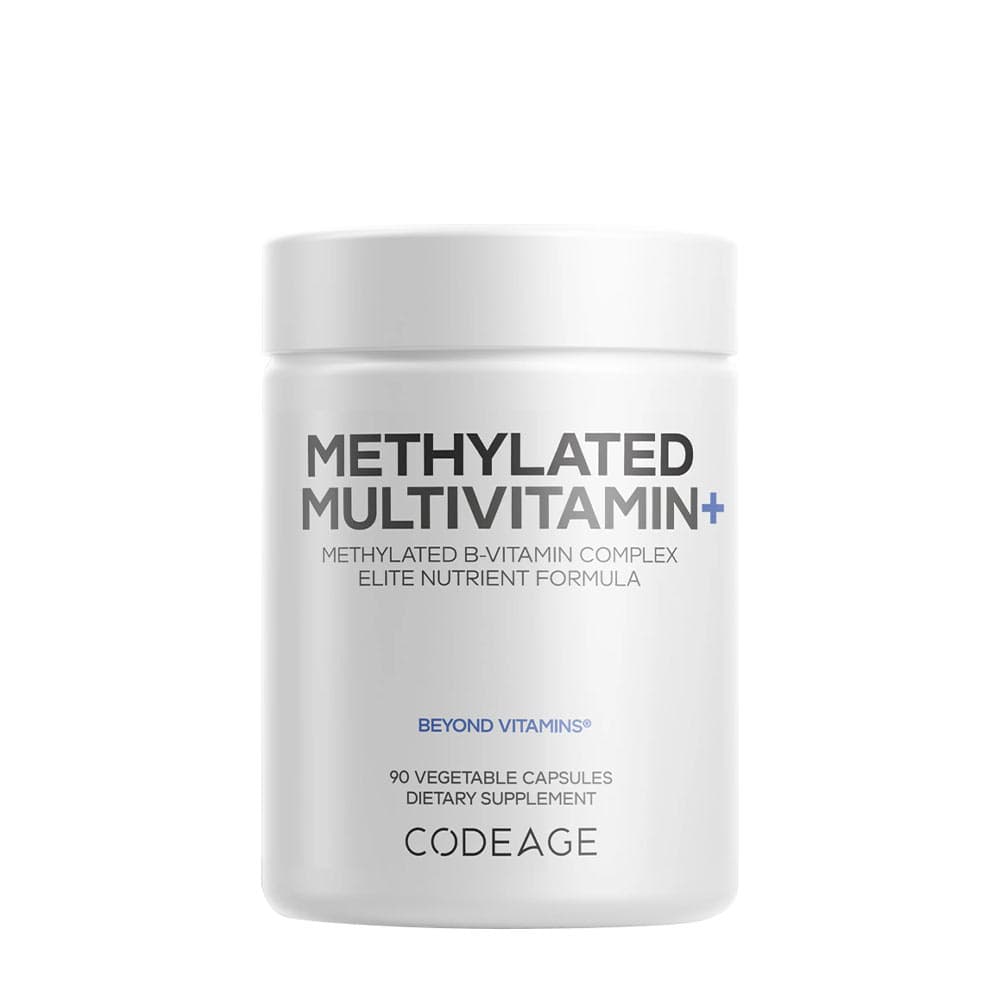
Codeage - Methylated Multivitamin+ - 90 Vegetable Capsules
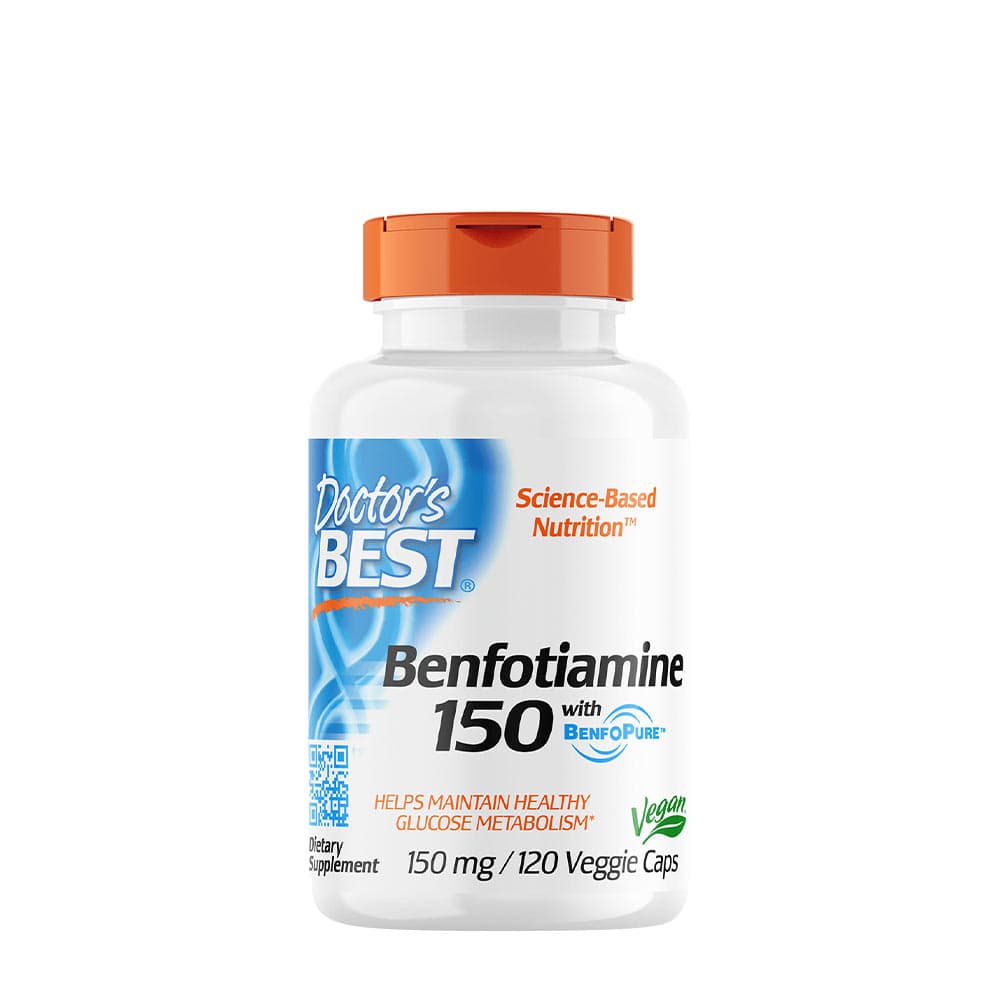
Doctor'S Best - Benfotiamine With Benfopure
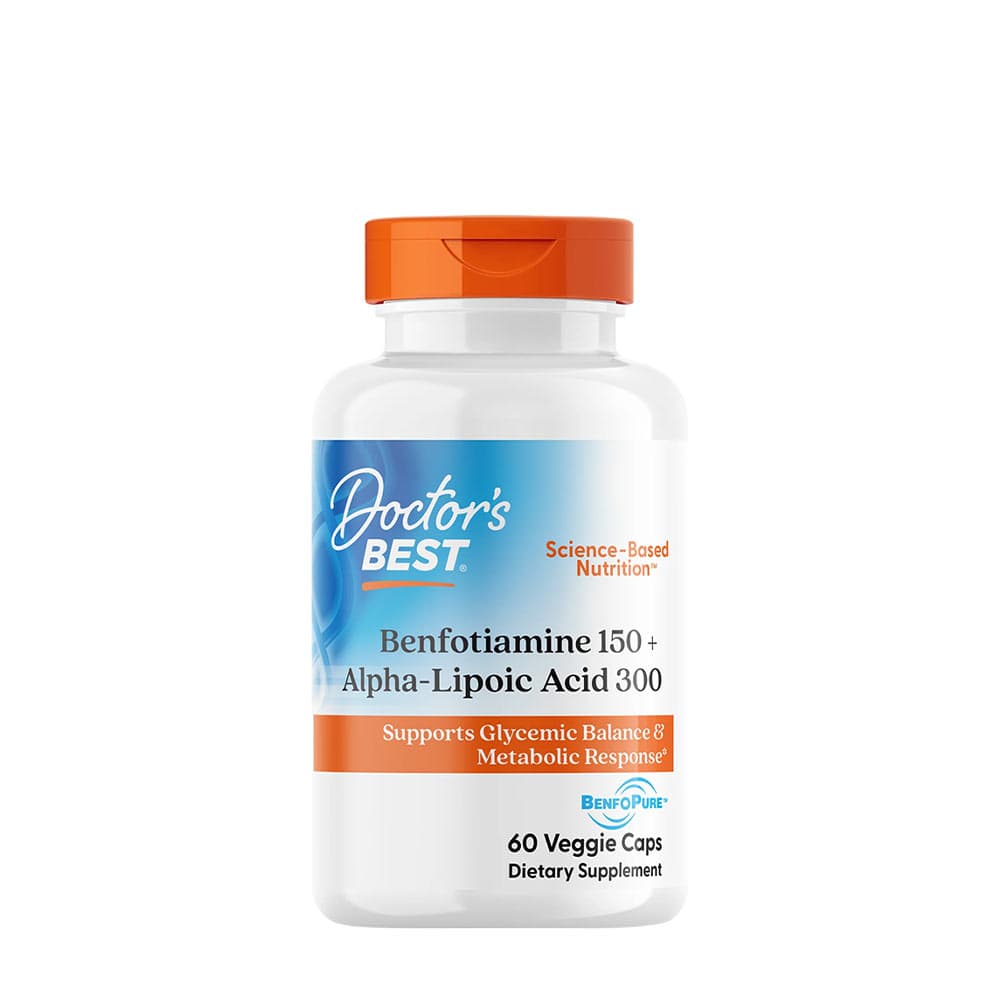
Doctor's Best - Benfotiamine 150 + Alpha-Lipoic Acid 300 - 60 Vcaps

Dr. Mercola - Vitamin B Complex With Benfotiamine - 60 Caps
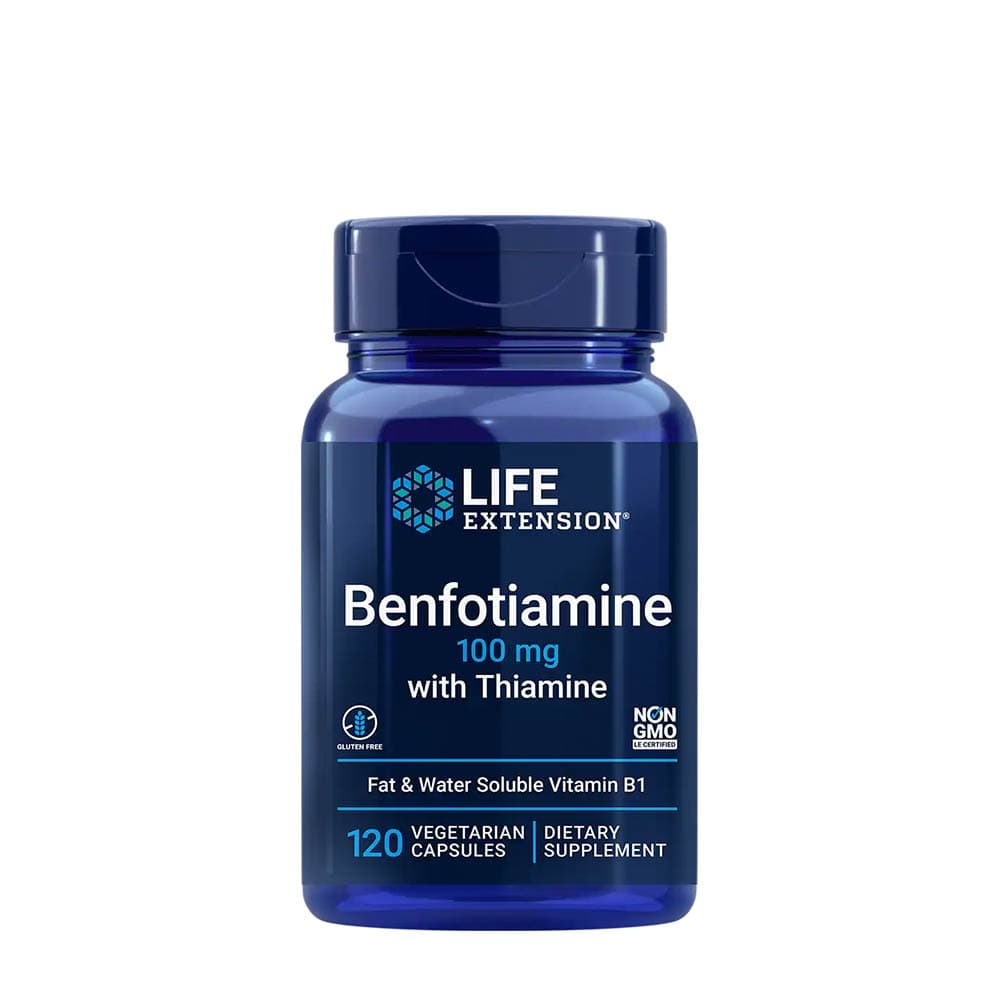
Life Extension - Benfotiamine With Thiamine - 120 Vcaps
