Berberis
Berberis – definition and facts in our glossary. Berberis (Berberis vulgaris) contains the alkaloid berberine.
What is Berberis?
Berberis, or Berberis vulgaris, is a plant belonging to the family Berberidaceae. It is known for its distinctive yellow roots and berries, and has been used in traditional medicine for centuries. Berberis contains the alkaloid berberine, which is the active compound responsible for many of the plant's purported health benefits.
How does it work in the body?
Berberine, the primary active component in berberis, works by affecting several biological processes in the body.
Scientific benefits
Several studies have investigated the potential health benefits of berberine. Here are some of the most prominent:
Dosage and recommendations
The recommended dose of berberine varies depending on the individual's health status and the purpose of use. Generally, a dose between 500 and 1500 mg per day is recommended, divided into two to three doses. It is important to consult a doctor or qualified health professional before starting berberine, especially for people with underlying health conditions or who are taking medications.
Best sources and forms
Berberis can be consumed in various forms, including:
- Berberis tea: Dried berries or roots from berberis can be used to make tea.
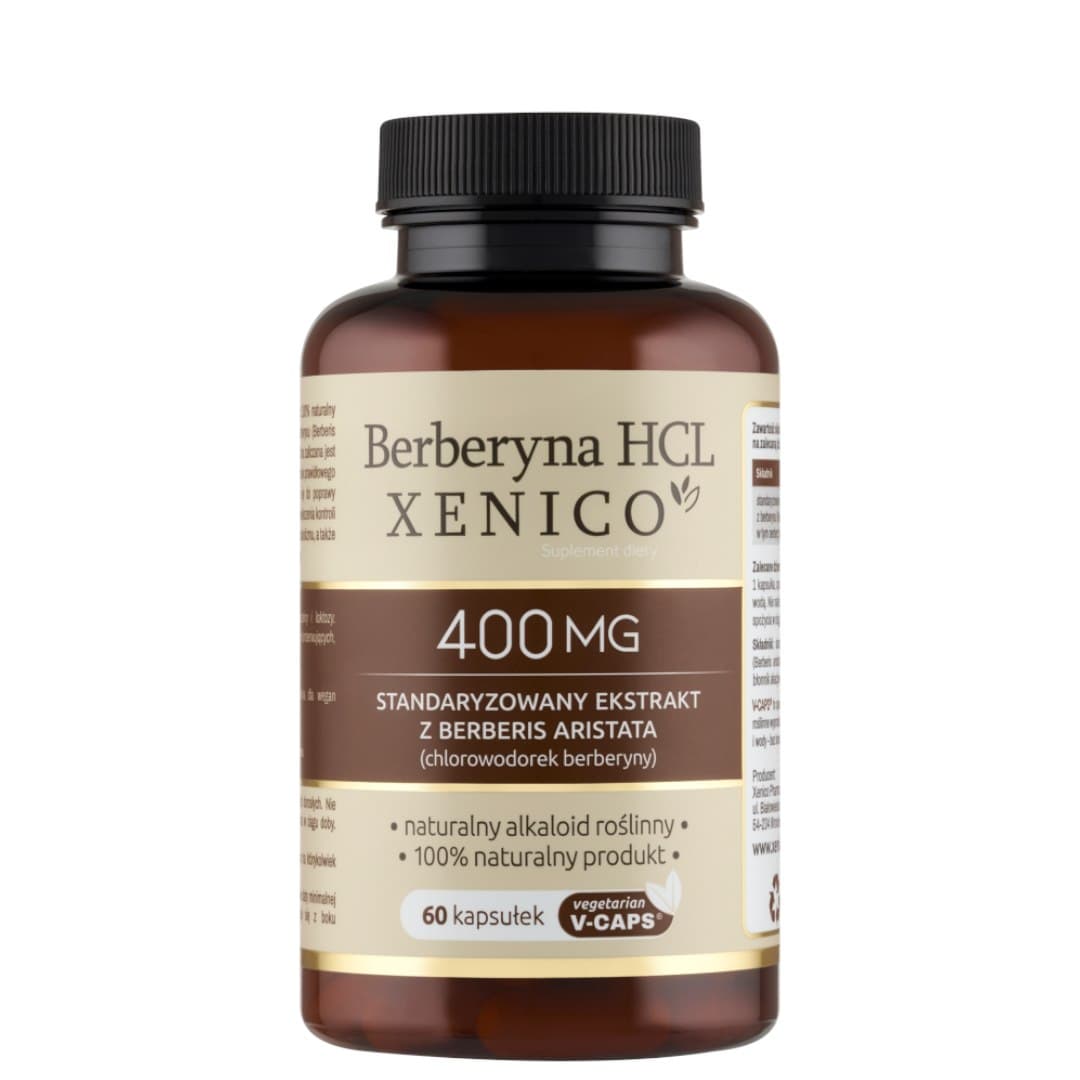
- Capsules or tablets: Berberine supplements are available in capsule or tablet form, making dosing easy.
- Liquid extract: Berberis extract is also available in liquid form, which can be a good option for those who have difficulty swallowing tablets.
Side effects and warnings
Berberine is generally considered safe when taken at recommended doses. However, it can cause some side effects, including:
- Digestive issues such as diarrhoea, constipation, or stomach pain.
- Dizziness or fatigue, especially at higher doses.
- Interactions with certain medications, particularly those affecting blood sugar levels.
It is important to avoid berberine during pregnancy and breastfeeding, and to consult a doctor before use if you have any underlying health problems.
Frequently asked questions
Can I take berberis if I am pregnant?
It is recommended to avoid berberis during pregnancy and breastfeeding due to insufficient research on its safety.
What is the recommended dose of berberis?
The recommended dose is usually between 500 and 1500 mg per day, but it is best to consult a doctor before use.
Are there any side effects of berberis?
Yes, some people may experience digestive problems, dizziness, or fatigue. It is important to follow recommended doses.
Can berberis interact with other medications?
Yes, berberine can interact with certain medications, especially those affecting blood sugar. Always consult your doctor before starting berberis.