DHA
Docosahexaenoic acid — omega-3 fatty acid constituting 40% of the brain's fatty acids. Essential for cognition and vision.
What is DHA?
Docosahexaenoic acid (DHA) is an omega-3 fatty acid that plays a crucial role in the human body, particularly in the brain and eyes. It constitutes about 40% of the brain's fatty acids and is important for normal cognitive function and vision. DHA is one of the most well-studied fatty acids and is associated with several health benefits. Since the body cannot produce sufficient amounts of DHA, it must be obtained through diet or supplements.
How does it work in the body?
DHA is an important component of cell membranes, especially in neurons.
Scientific benefits
Several studies have investigated the benefits of DHA, and the results are promising:
- Pregnancy and breastfeeding: A meta-analysis in the British Journal of Nutrition demonstrated that DHA supplementation during pregnancy can support the baby's brain and eye development.
Dosage and recommendations
The recommended daily dose of DHA varies depending on age and health status. Pregnant and breastfeeding women may require higher doses, usually around 200-300 mg per day. It is important to consult a doctor before starting supplements, especially for individuals with underlying health conditions.
Best sources and forms
DHA is primarily found in marine sources. Here are some of the best sources:
- Fatty fish: Salmon, mackerel, sardines, and anchovies are rich in DHA.
- Algae: Algal oil is an excellent plant-based source of DHA and is a good option for vegans and vegetarians.
- Supplements: Omega-3 supplements in the form of fish oil or algal oil can provide a concentrated dose of DHA.
Side effects and warnings
For the most part, DHA is safe for most people when consumed in recommended doses. Some may experience mild side effects such as:
- Gastrointestinal discomfort
- Fishy aftertaste
- Nausea
It is important to note that higher doses may increase the risk of bleeding, especially in people taking blood-thinning medications. Always consult a doctor before starting a new supplement.
Frequently asked questions
What is the difference between EPA and DHA?
EPA (eicosapentaenoic acid) and DHA are both omega-3 fatty acids, but they have different functions in the body. EPA is more associated with inflammation and cardiovascular health, while DHA is more important for brain and eye health.
Can DHA help with depression?
Do I need to take DHA supplements if I eat a lot of fish?
If you regularly eat fatty fish, you may get enough DHA through your diet. However, if you do not eat fish or have specific health needs, supplements may be beneficial.
Is DHA good for children?
DHA is crucial for children during their developmental period, especially for brain and eye development. It is recommended that children receive adequate DHA through diet or supplements, primarily during pregnancy and breastfeeding.
Can I get DHA from plant-based sources?
Yes, algal oil is an excellent plant-based source of DHA and is a good alternative for those who do not consume animal products.
Products containing DHA
Show all 236 →
7 Nutrition - 7Nutrition Omega-3 65% 1000mg
Activlab - Omega 3 - 60 Caps
Allnutrition - Omega 3 Ultra Strong - 90 Sgels

Allnutrition - Omegarose - 60 Sgels
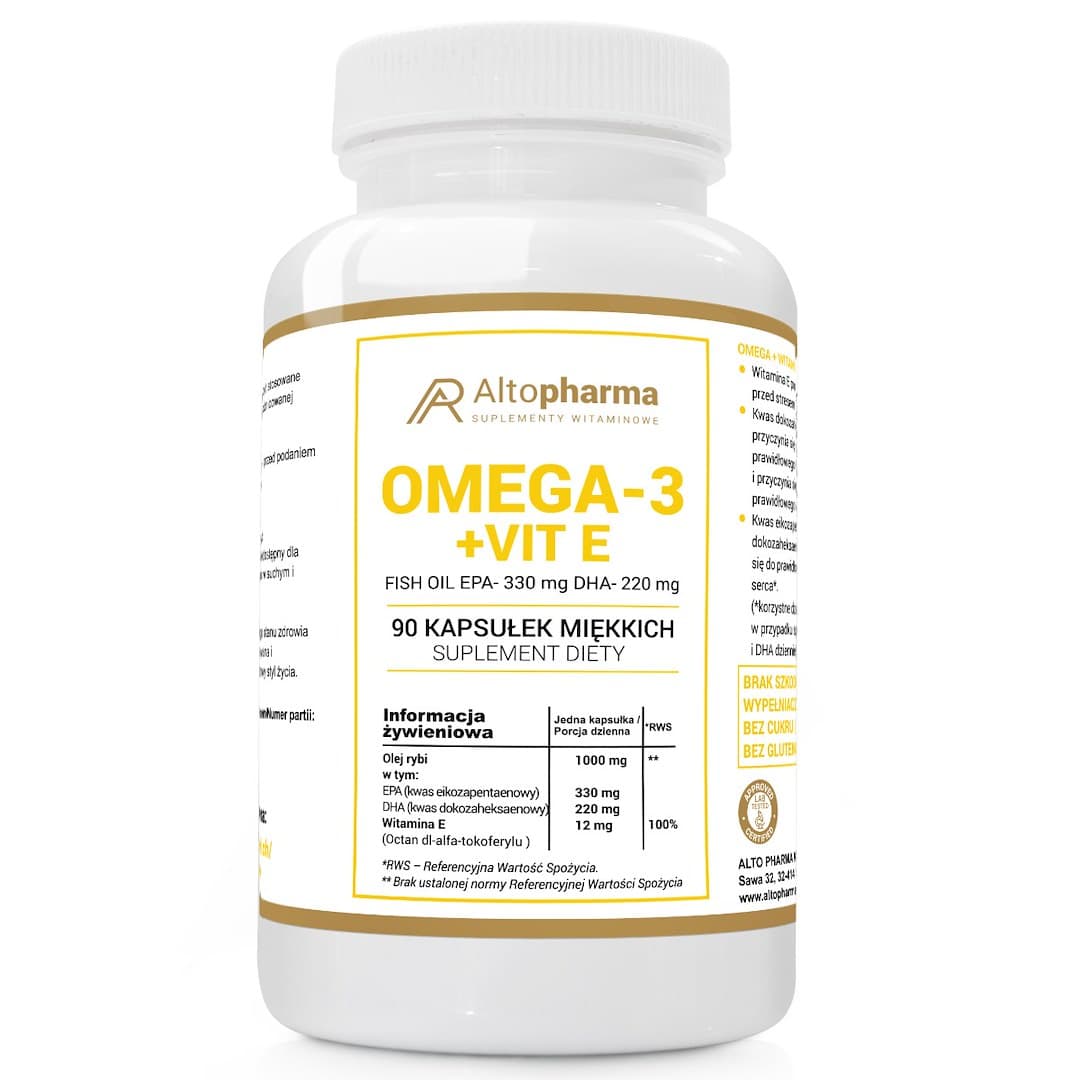
Altopharma - Omega-3 + Vitamin E - 90 Soft Capsules