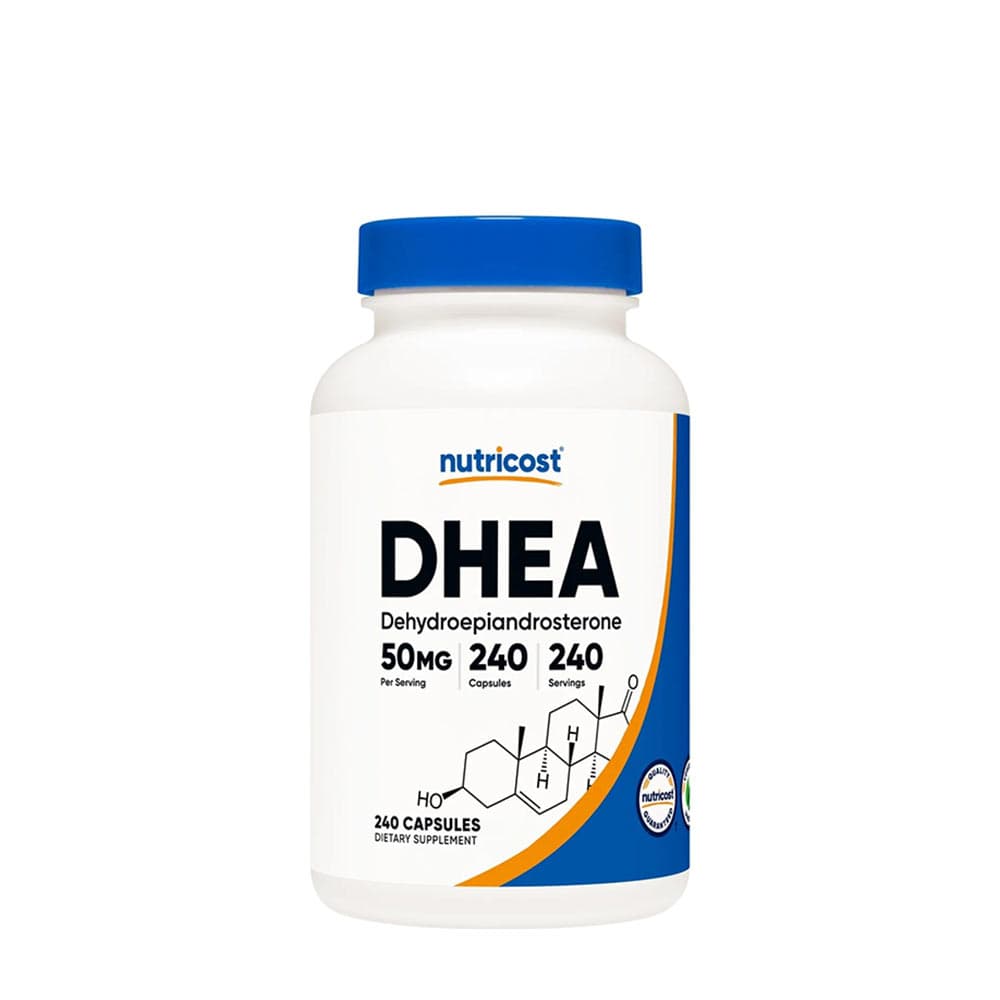
DHEA
Dehydroepiandrosterone — steroid hormone and precursor to testosterone and oestrogen. Decreases with age and may support fertility.
What is DHEA?
DHEA, or dehydroepiandrosterone, is a steroid hormone produced in the adrenal cortex. It is one of the most abundant hormones in the body and acts as a precursor to both testosterone and oestrogen. DHEA levels peak in early adulthood and gradually decline with age, which can affect various aspects of health, including fertility and energy levels. In this article, we will explore how DHEA functions in the body, its potential benefits, dosage, side effects, and much more.
How does it work in the body?
DHEA plays an important role in hormone synthesis.
Scientific benefits
Several studies have investigated the potential benefits of DHEA supplementation. Here are some of the most prominent:
- Fertility support: Research has shown that DHEA may improve fertility in both men and women by enhancing sperm quality and ovarian function.
It is important to note that more research is needed to establish the long-term effects of DHEA supplementation and its safety.
Dosage and recommendations
There is no standard dosage for DHEA, and recommendations may vary depending on individual needs and health conditions. Many studies have used doses between 25 mg and 100 mg per day. It is important to consult a doctor before starting DHEA supplementation, especially if you have underlying medical conditions or are taking other medications.
Best sources and forms
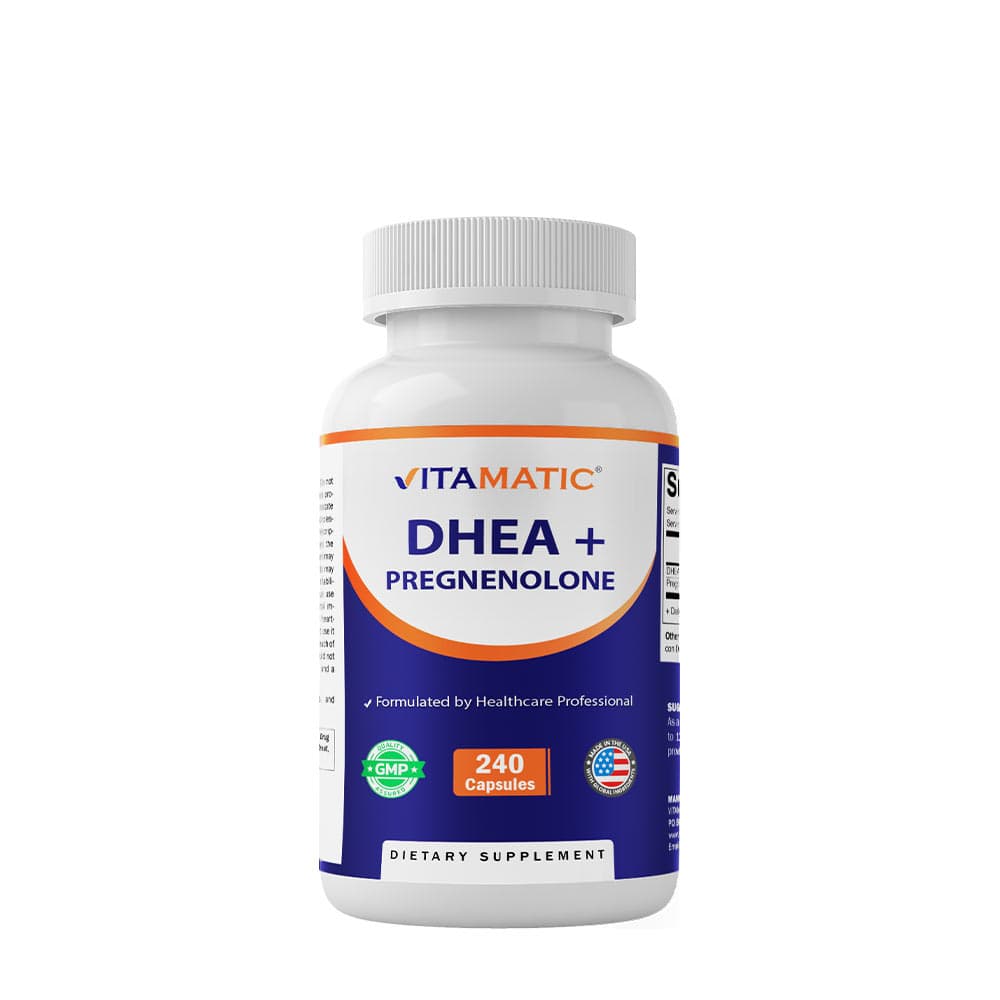
DHEA can be taken as a dietary supplement in various forms, including tablets, capsules, and powders. It is important to choose products from reputable manufacturers to ensure quality and purity. DHEA is also found in natural sources, but in very small amounts, making supplementation the most practical option for those wishing to increase their levels.
Side effects and warnings
As with all supplements, DHEA can have side effects. Common side effects include:
- Acne
- Increased hair growth in women
- Mood swings
- Headache
It is also important to note that DHEA can interact with certain medications and should not be used by individuals with hormone-related diseases, such as breast or prostate cancer. Pregnant or breastfeeding women should avoid DHEA supplements.
Frequently asked questions
What is DHEA good for?
Is DHEA safe to take?
Although DHEA is generally safe for many, it should always be taken under medical supervision to avoid potential side effects and interactions.
Can DHEA help with depression?
Some research suggests that DHEA may have a positive effect on mood, but more studies are needed to confirm its effectiveness as a treatment for depression.
How long should you take DHEA?
There is no established timeframe for how long to take DHEA. It is best to consult a doctor for advice based on individual needs.
Is DHEA legal in Sweden?
Yes, DHEA is legal as a dietary supplement in Sweden, but it should be purchased from reliable sources and used with caution.