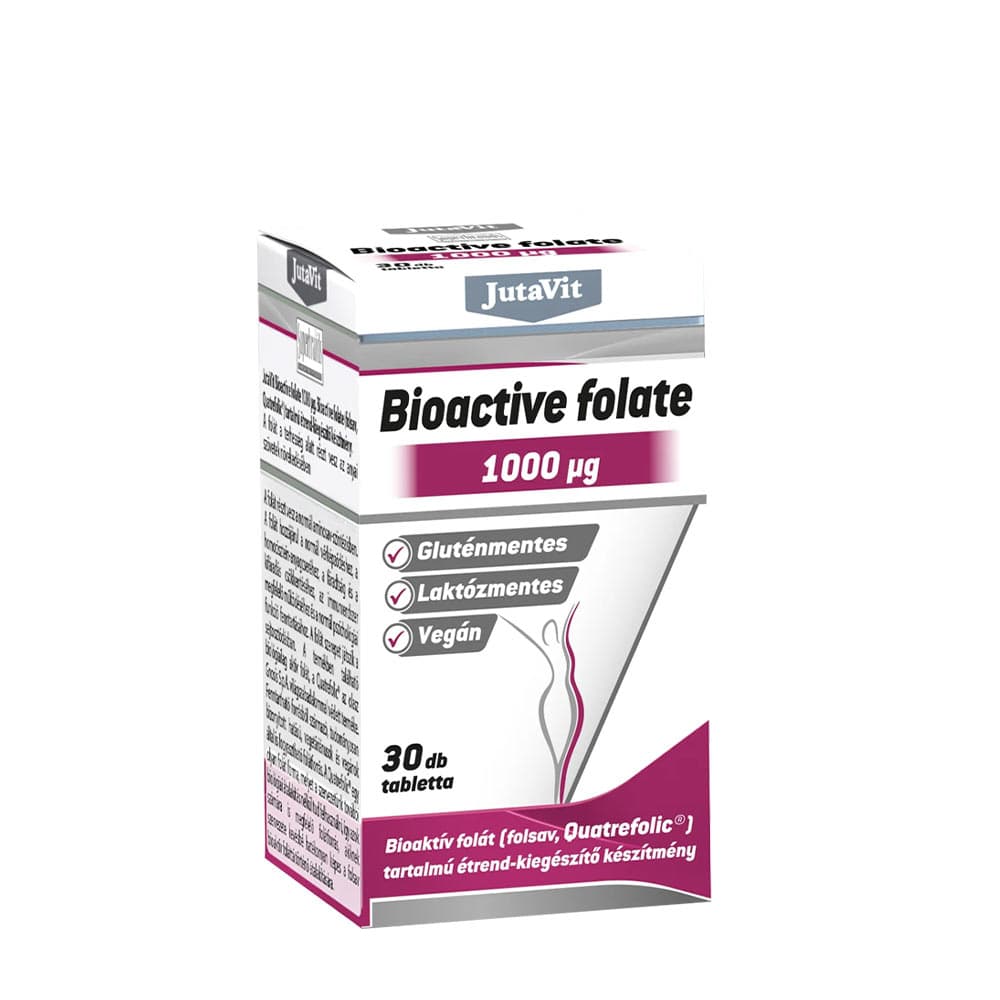
Folic Acid
Synthetic form of folate (vitamin B9), essential for DNA synthesis and cell division. Especially important during pregnancy.
What is Folic Acid?
Folic acid, or vitamin B9, is a synthetic form of folate, an important water-soluble B vitamin that plays a crucial role in the body's functions. This vitamin is necessary for producing red blood cells and supporting normal growth and development.
How does it work in the body?
Folic acid is converted in the body into active forms, such as tetrahydrofolate, which are involved in several metabolic processes.
- Support DNA synthesis and repair, which is essential for cell growth and division.
- Participate in the production of neurotransmitters, which can influence mood and mental health.
Scientific benefits
Several studies have demonstrated the positive effects of folic acid on health:
- Pregnancy: Research has shown that adequate intake of folic acid before and during pregnancy can reduce the risk of neural tube defects in the fetus. According to a study published in The American Journal of Clinical Nutrition, women who receive folic acid before conception and during the first trimester are 70% less likely to have children with these defects.
Dosage and recommendations
The recommended daily dose of folic acid varies depending on age and life stage:
- Adults: 400 mcg per day.
- Pregnant women: 600 mcg per day to support fetal development.
- Breastfeeding women: 500 mcg per day.
It is important to consult a doctor before starting supplements, especially if you are pregnant or planning to become pregnant.
Best sources and forms
Folic acid is found in several foods and supplements:
- Natural sources: Green leafy vegetables (such as spinach and kale), beans, peas, nuts, citrus fruits, and whole grain products.
- Supplements: Folic acid is available in capsules, tablets, and multivitamins. It is important to choose high-quality supplements to ensure good absorption.
Side effects and warnings
Folic acid is generally considered safe when taken at recommended doses. However, excessive consumption of folic acid can lead to:
- Possible masking of vitamin B12 deficiency, which can lead to neurological problems if untreated.
- Gastrointestinal discomfort, such as gas or bloating.
It is important to discuss with a healthcare provider if you have any health issues or take medications that may interact with folic acid.
Frequently asked questions
What is the difference between folate and folic acid?
Folate is the natural form of vitamin B9 found in food, whereas folic acid is the synthetic form often used in supplements and fortified foods.
Can I get enough folic acid through diet?
Yes, it is possible to get enough folic acid through a balanced diet rich in vegetables, beans, and whole grain products. However, supplements are often recommended for pregnant women.
How quickly can I expect to see the effects of folic acid?
Is it safe to take folic acid during pregnancy?
Yes, folic acid is crucial for fetal development and is strongly recommended for pregnant women to reduce the risk of neural tube defects.
Can I take too much folic acid?
Yes, taking too much folic acid can lead to side effects and may mask a vitamin B12 deficiency, so it is important to follow recommended doses.
Products containing Folic Acid
Show all 543 →
Tierlieb - Anti-Stress Dog Tabs - 340 Tabs
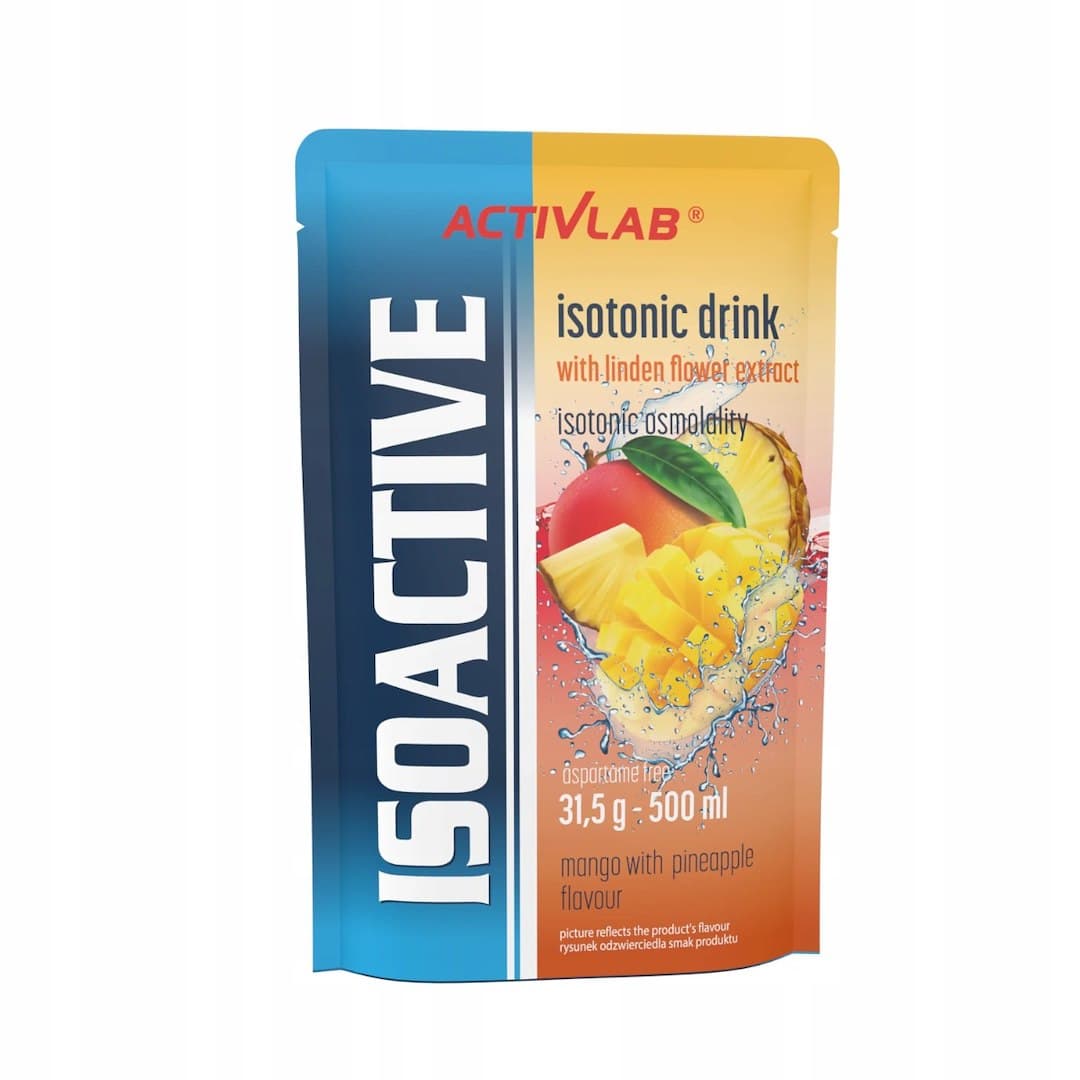
ActivLab - Isoactive Isotonic Drink - 31.5g - 500ml
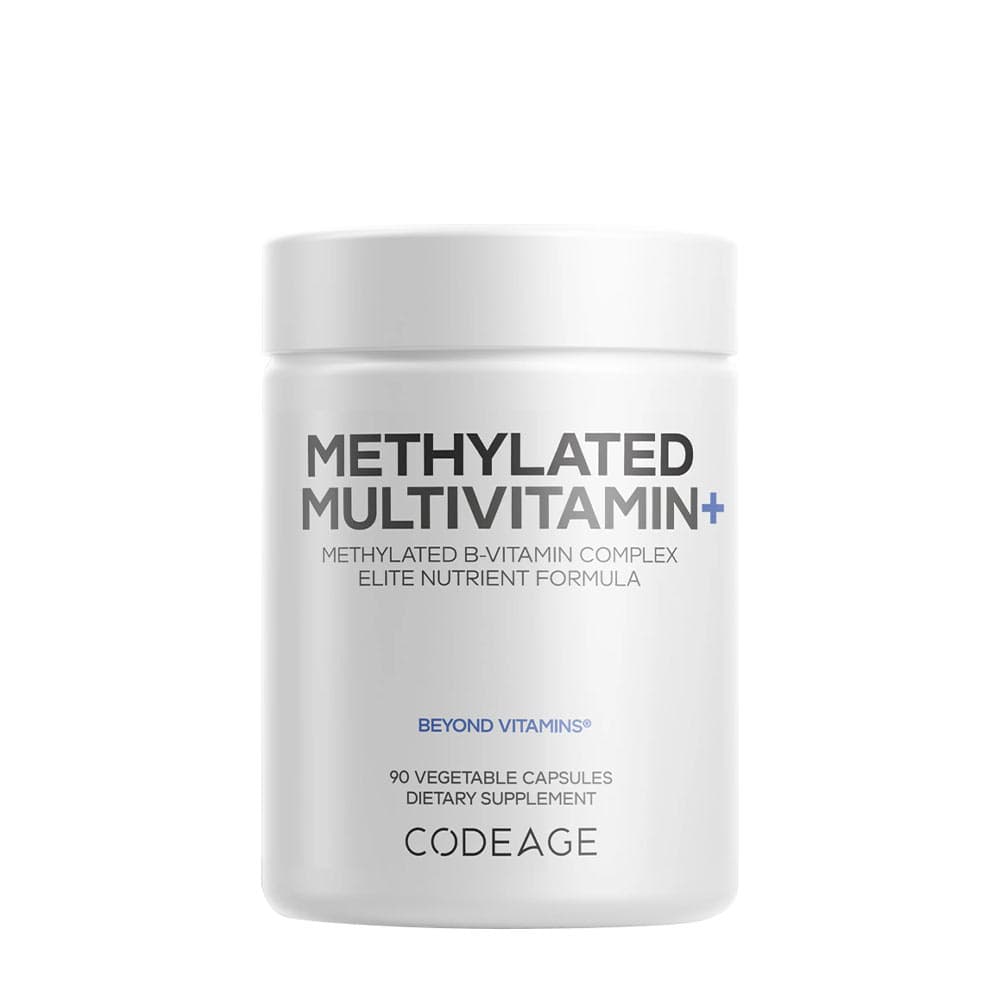
Codeage - Methylated Multivitamin+ - 90 Vegetable Capsules

UNS - MetyloFolian 5-MTHF Vegan Capsules - 60 caps

Biotechusa - Prenatal Vitamin - 30 Sachets