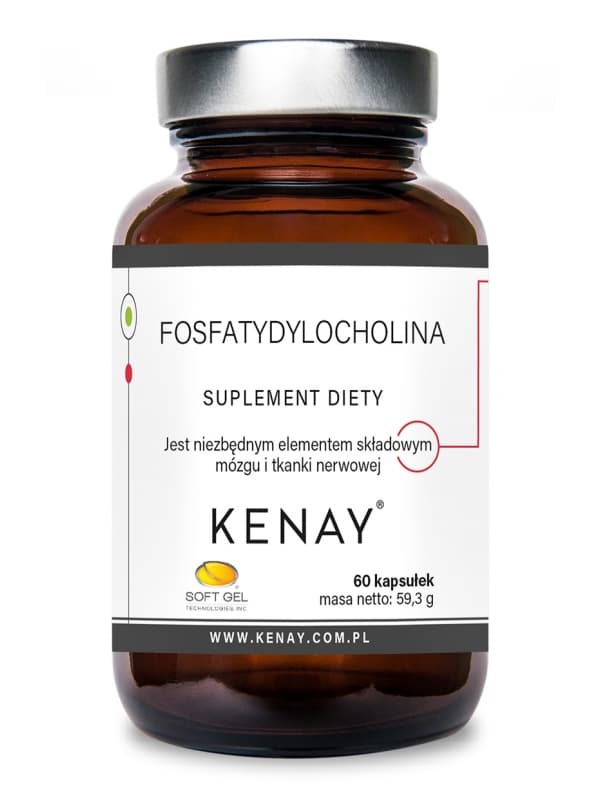
Phosphatidylcholine
Phosphatidylcholine is the most common phospholipid in cell membranes and the main component of lecithin. It is also a source of choline, and the EU-approved claims are based on it.
What phosphatidylcholine is
Phosphatidylcholine is a phospholipid: a molecule with a water-soluble end and two fatty acid tails. This structure is the fundamental basis for cell membranes, which are built from phospholipids in double layers. Phosphatidylcholine is the most common phospholipid in most of the body's membranes.
Lecithin is not the same thing
Lecithin is a mixture of phospholipids — phosphatidylcholine, phosphatidylethanolamine, phosphatidylinositol, and others — derived from soy, sunflower, or egg yolk. The phosphatidylcholine content in commercial lecithin varies and is often lower than what the product name suggests. Purified phosphatidylcholine is another raw material with a different content and price.
Sunflower lecithin has become more common as a source, partly due to allergy reasons, and partly to avoid soy in products marketed as soy-free.
Choline and the approved claims
Phosphatidylcholine contributes with choline, a nutrient for which the EU has established approved health claims: contributing to normal homocysteine metabolism, to normal fat metabolism, and to the liver's normal function. The condition is that the product contains at least 82.5 mg of choline per specified portion.
Note that the choline content in phosphatidylcholine is a fraction of the weight — the molecule is large and the choline part is small. A product must therefore contain significantly more than 82.5 mg of phosphatidylcholine to reach the threshold.
Products containing Phosphatidylcholine
Show all 14 →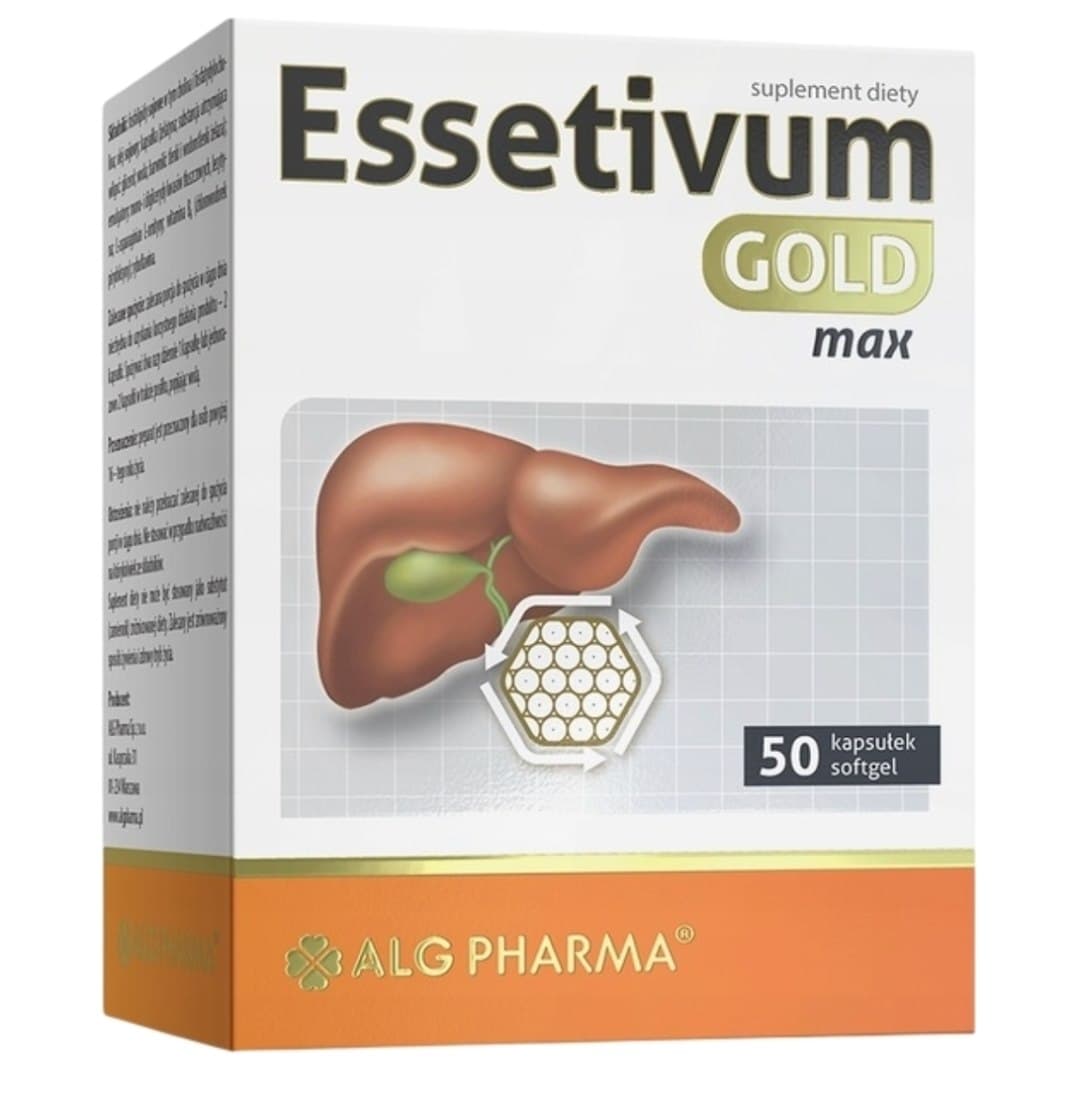
ALG PHARMA - Essetivium GOLD Max - 50 Caps
Abib - Collagen eye creme Jericho rose 30 ml
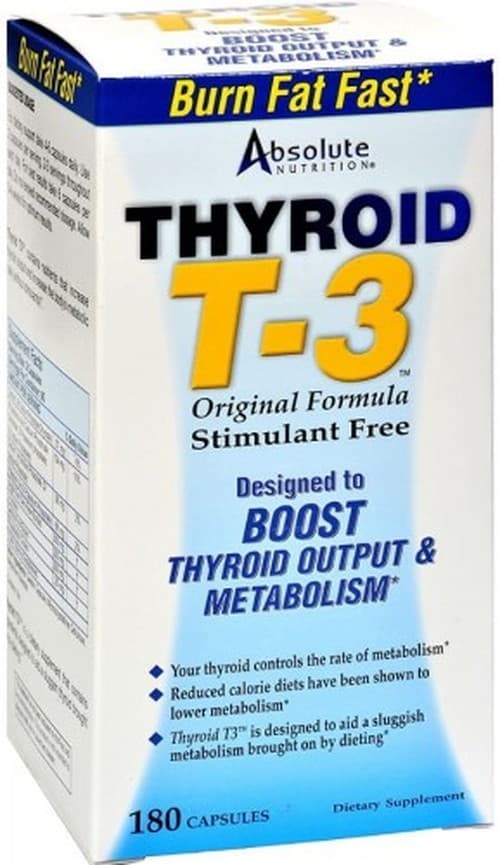
Absolute Nutrition - Thyroid T-3 - 180 Capsules
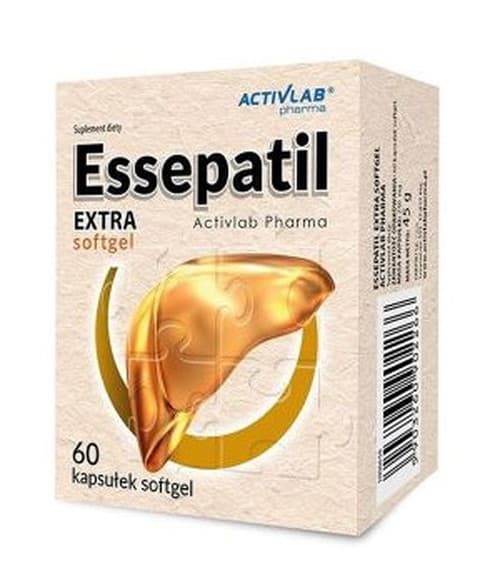
ActivLab - Essepatil EXTRA - 60 Caps

Jarrow Formulas - Neuro Optimizer - 120 Caps