GABA
GABA – definition and facts in our glossary. Gamma-aminobutyric acid — the brain's primary inhibitory neurotransmitter.
What is GABA?
Gamma-aminobutyric acid, or GABA, is a neurotransmitter that plays a crucial role in brain function. Many people turn to GABA as a dietary supplement to manage stress, anxiety, and sleep problems.
How does it work in the body?
This means that GABA can counteract the stimulating effects of other neurotransmitters, such as glutamate. By increasing GABA levels, we can achieve a more relaxed state and a sense of well-being.
Scientific benefits
Several studies have investigated the potential benefits of GABA as a dietary supplement. Here are some of the most prominent findings:
Dosage and recommendations
The recommended dose of GABA varies depending on the individual's needs and health condition. Generally, a dose between 250 mg and 750 mg per day is recommended, but it is always best to consult a doctor before starting any supplement. It may also be advisable to start with a lower dose and gradually increase it if needed.
Best sources and forms
GABA is available in several different forms on the market, including:
- Capsules and tablets: The most common form of GABA supplement, easy to dose and take.
- Powder: Can be mixed with water or other beverages for consumption.
Side effects and warnings
GABA is generally considered safe for most people, but some may experience side effects. Common side effects include:
- Fatigue
- Drowsiness
- Nausea
It is important not to combine GABA with medications that affect the central nervous system, such as antidepressants or anxiolytics, without first consulting a doctor.
Frequently asked questions
What is the difference between GABA and other neurotransmitters?
GABA is an inhibitory neurotransmitter, whereas other neurotransmitters like glutamate are excitatory. GABA helps calm the nervous system, which can counteract overactivity.
Can GABA help me sleep better?
Is GABA safe for long-term use?
Although GABA is safe for most people, long-term use should always be discussed with a doctor to ensure it does not affect other medical conditions or medications.
Can I get GABA naturally through diet?
What are the potential side effects of GABA?
Common side effects include fatigue, drowsiness, and nausea, especially at higher doses.
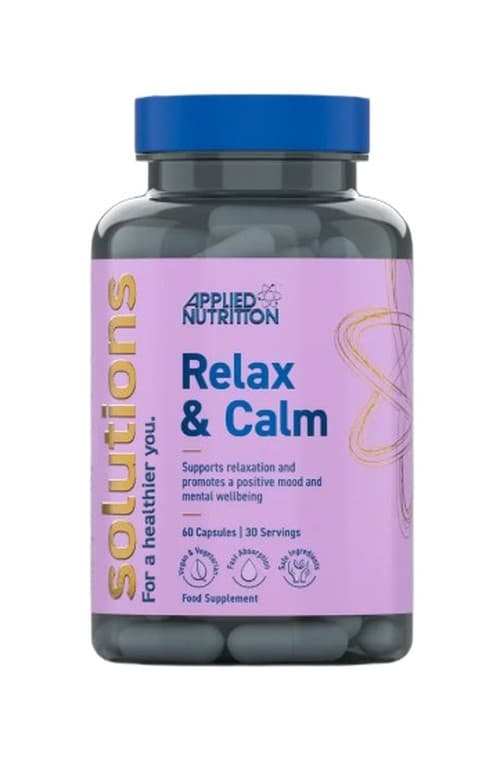
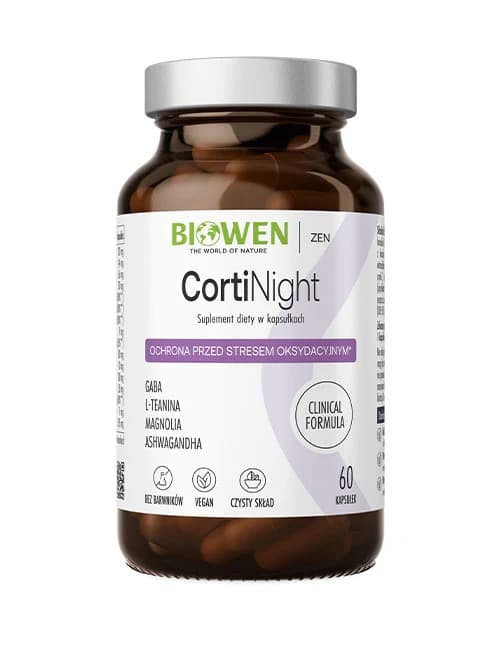
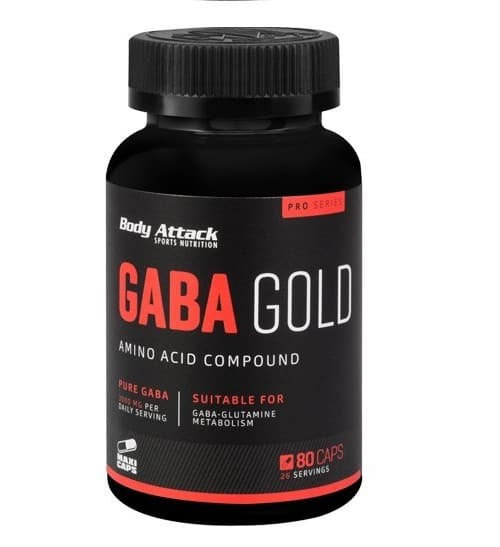
Products containing GABA
Show all 46 →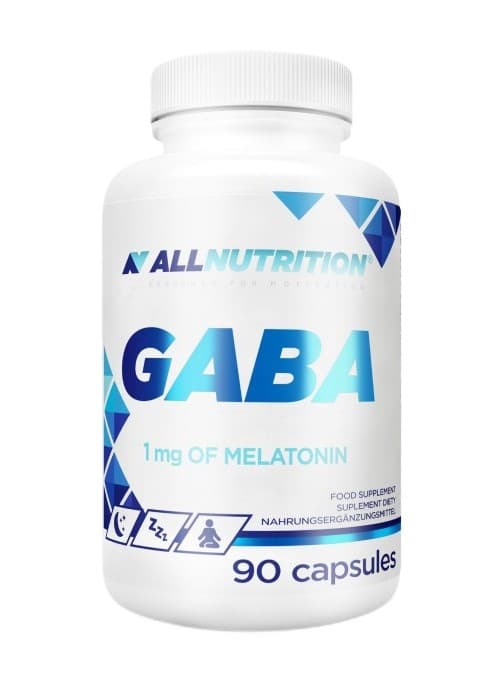


Related entries
L-Theanine
L-Teanin – definition and facts in our glossary. Synergistic with caffeine.
Melatonin
Melatonin – definition and facts in our glossary. Hormone produced by the pineal gland in darkness.
5-HTP
5-HTP – definition and facts in our glossary. Natural amino acid that is a direct precursor to serotonin.