Ginkgo Biloba
Ginkgo Biloba – definition and facts in our glossary. Used for memory and cognitive function.
What is Ginkgo Biloba?
Ginkgo Biloba, also known as ginkgo or the maidenhair tree, is one of the world's oldest tree species and has existed for over 200 million years. It is a unique species often used in traditional medicine and health supplements. Ginkgo Biloba extract comes from the leaves of the tree and is popular for its purported benefits for memory and cognitive function.
How does it work in the body?
Scientific benefits
Several studies have investigated the effects of Ginkgo Biloba on cognitive function and memory. A review article published in the Journal of Psychopharmacology showed that Ginkgo Biloba may have a positive effect on memory in older adults with dementia or mild cognitive impairment.
- A 2015 meta-analysis concluded that Ginkgo Biloba may have a small but significant effect on cognitive function in older adults.
Dosage and recommendations
The recommended dose of Ginkgo Biloba varies depending on the form and concentration of the extract. Generally, a dose between 120 mg and 240 mg per day is recommended, divided into two to three doses. It is important to follow the instructions on the product label and consult a doctor before starting any supplement, especially if you have underlying medical conditions or are taking medications.
Best sources and forms
Ginkgo Biloba is available in several forms, including:
- Capsules and tablets: These are the most common forms of Ginkgo Biloba and provide precise dosing.
- Liquid extract: Offers faster absorption, but dosing can be more difficult to measure.
When choosing Ginkgo Biloba, it is important to select high-quality products from reputable manufacturers that offer third-party testing for purity and potency.
Side effects and warnings
Although Ginkgo Biloba is considered safe for most people, it can cause side effects in some. Common side effects include:
- Headache
- Gastrointestinal discomfort
- Allergic reactions
- Increased bleeding risk (especially if taken with blood-thinning medications)
It is important to consult a doctor before starting Ginkgo Biloba, especially if you are pregnant, breastfeeding, have bleeding disorders, or are taking medications that affect blood clotting.
Frequently asked questions
Can Ginkgo Biloba help with dementia?
Several studies have shown that Ginkgo Biloba may have a positive effect on cognitive functions in people with mild dementia, but results are mixed and more research is needed.
Is Ginkgo Biloba safe to take with antidepressants?
Ginkgo Biloba can interact with certain antidepressants, so it is important to consult a doctor before combining them.
How long does it take to see results from Ginkgo Biloba?
The effects of Ginkgo Biloba can vary, but it may take several weeks or months of regular intake before noticing any positive effects on memory or cognition.
Can Ginkgo Biloba cause side effects?
Yes, Ginkgo Biloba can cause side effects, including headache and gastrointestinal discomfort. It is important to follow recommended doses and consult a doctor if uncertain.
Research suggests that Ginkgo Biloba may have a small effect on memory functions in healthy individuals, but results are not conclusive and more research is needed to confirm these effects.
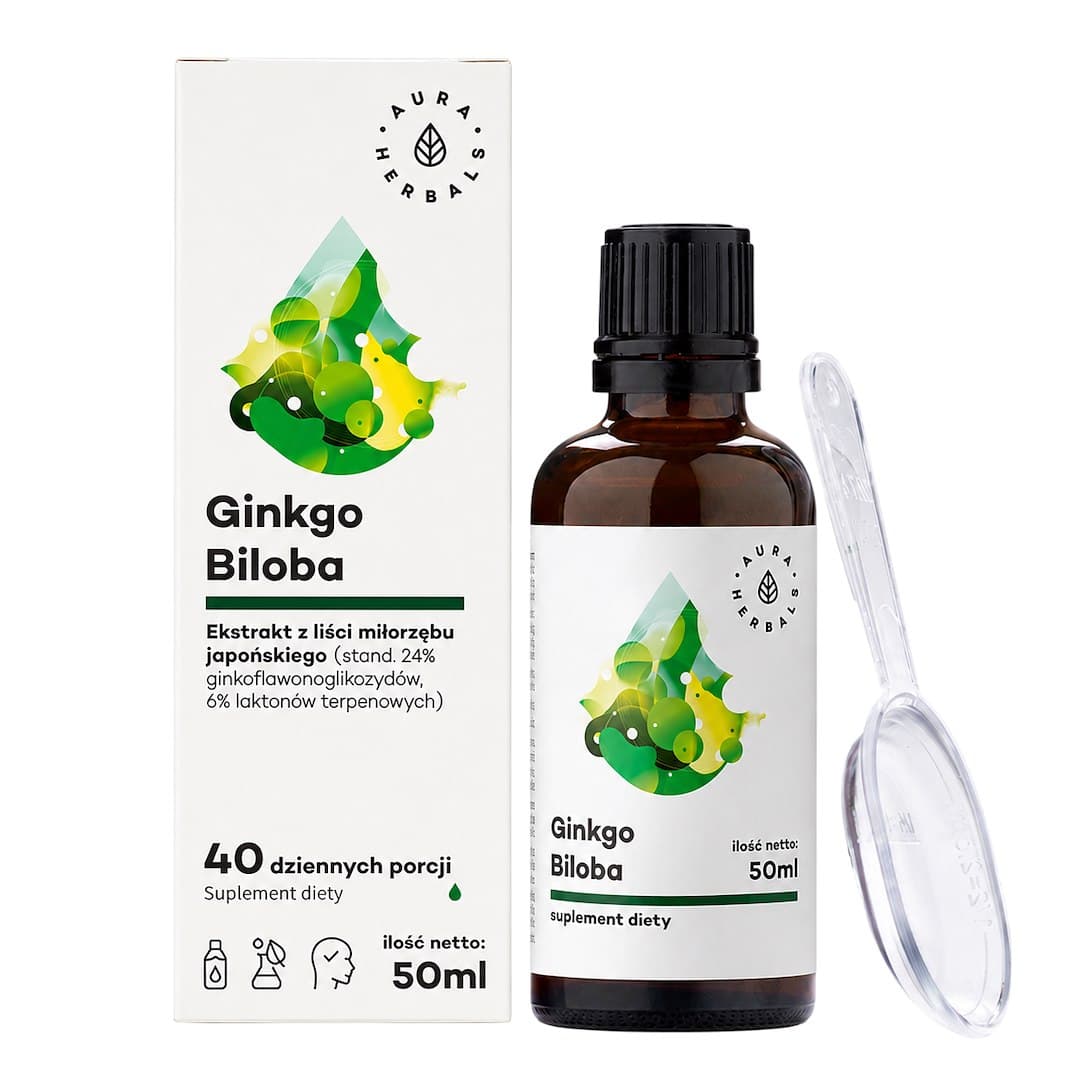
Products containing Ginkgo Biloba
Show all 58 →

Related entries
Bacopa Monnieri
Bacopa Monnieri – definition and facts in our glossary. Works by modulating serotonin and protecting neuronal synapses.
Lions Mane
Medicinal mushroom (Hericium erinaceus) that stimulates NGF production. May support nerve growth and cognition.
Nootropics
Nootropics – definition and facts in our glossary.