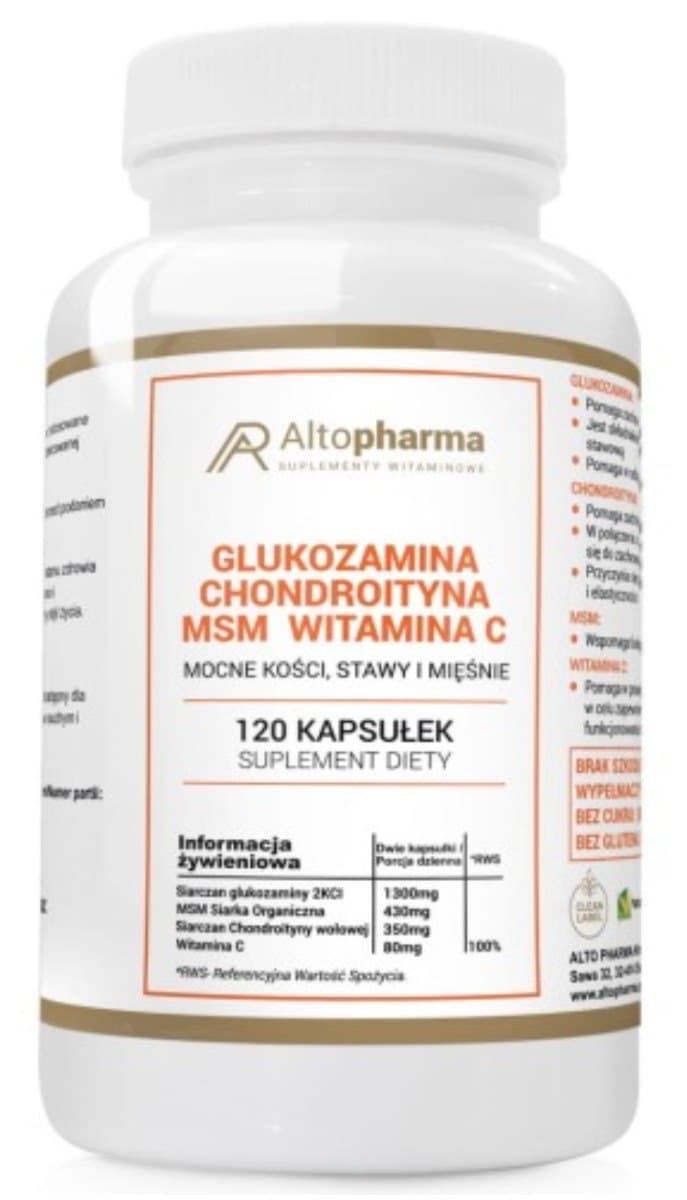
Glucosamine
Natural amino sugar that is a building block of cartilage and synovial fluid. One of the most widely used supplements for joint health globally.
What is Glucosamine?
Glucosamine is a natural amino sugar that plays a crucial role as a building block in cartilage and synovial fluid. It is one of the most widely used supplements for joint health globally and is often used by people suffering from joint problems, such as osteoarthritis. Glucosamine may help preserve joint function and alleviate uncomfortable symptoms.
How does it work in the body?
Glucosamine is an important part of the structure that makes up cartilage, which is the shock-absorbing tissue found between joints. By supplementing with glucosamine, one can potentially support the health and function of cartilage.
Scientific benefits
Several studies have investigated the effects of glucosamine on joint health. A meta-analysis published in the Journal of the American Medical Association (2000) showed that glucosamine may have a positive effect on symptoms of osteoarthritis, especially in the knee joints.
Dosage and recommendations
The recommended dosage of glucosamine varies depending on the product and individual needs. Generally, a dose between 1500 mg and 2000 mg per day is recommended, usually divided into two or three intakes. It may take several weeks before effects are noticed, so patience is important. It is always best to consult a doctor before starting supplements, especially if you have underlying health conditions or are taking other medications.
Best sources and forms
Glucosamine is available in several forms, including glucosamine sulphate, glucosamine hydrochloride, and N-acetylglucosamine. Glucosamine sulphate is the most studied form and is often considered the most effective. Besides supplements, glucosamine can also be found in certain foods, such as shellfish, as it is a component of their exoskeleton. However, obtaining sufficient amounts through diet can be difficult, making supplements a more practical solution.
Side effects and warnings
Glucosamine is generally considered safe for most people, but it can cause mild side effects such as nausea, stomach discomfort, or diarrhoea. People with shellfish allergies should be cautious with glucosamine sulphate, which may be derived from shellfish. It is also important for people with diabetes to consult a doctor before using glucosamine, as it may affect blood sugar levels.
Frequently Asked Questions (FAQ)
1. Is glucosamine effective for treating osteoarthritis?
2. Can I take glucosamine if I am pregnant?
There is limited research on the safety of glucosamine during pregnancy. It is always best to consult a doctor before taking supplements during pregnancy.
3. How long does it take to see the effects of glucosamine?
The effects of glucosamine may take several weeks to become noticeable. It is important to take it consistently for the best results.
4. Can glucosamine interact with other medications?
Yes, glucosamine can interact with certain medications, especially blood thinners. It is important to consult a doctor before use.
5. Are there any natural sources of glucosamine?
Yes, glucosamine is found in shellfish and is a component of their exoskeleton, but it is difficult to obtain sufficient amounts through diet.