Iodine
Jod – definition and facts in our glossary. Trace mineral essential for the thyroid hormones T3 and T4.
What is Iodine?
Iodine is an essential trace mineral that plays a crucial role in the human body, especially in the production of the thyroid hormones T3 (triiodothyronine) and T4 (thyroxine). Without adequate amounts of iodine, the body cannot produce these hormones, which can lead to various health issues, including thyroid disorders.
How does it work in the body?
Iodine is absorbed into the body through the diet and transported to the thyroid gland, where it is used to synthesise the aforementioned hormones. The hormones T3 and T4 are involved in many important processes, including:
- Control of heart rate
- Influence on growth and development in children
- Support for nervous system function
Scientific benefits
Several studies have demonstrated the importance of iodine for health. Other studies have shown that adequate iodine intake is critical for normal brain development in fetuses and infants, emphasising the importance of iodine for pregnant women.
Dosage and recommendations
According to the Swedish National Food Agency, the recommended intake of iodine for adults is about 150 micrograms per day. For pregnant and breastfeeding women, a higher intake of approximately 200-250 micrograms per day is recommended to support both the mother and the growing child. It is important not to exceed the upper limit of 600 micrograms per day, as excessive iodine can lead to adverse health effects, such as hyperthyroidism.
Best sources and forms
Iodine naturally occurs in several foods, and here are some of the best sources:
- Fish and seafood (e.g., cod, sardines, mussels)
- Dairy products (e.g., milk, cheese, yoghurt)
- Eggs
- Iodised salt
- Seaweed and marine algae (e.g., nori, wakame)
It is also possible to obtain iodine through dietary supplements, but it is important to consult a doctor before starting these.
Side effects and warnings
Excessive consumption of iodine can lead to side effects such as:
- Hyperthyroidism (excess thyroid hormones)
- Allergic reactions
- Gastrointestinal issues
Individuals with thyroid disorders or those taking medications affecting the thyroid should consult a doctor before increasing their iodine intake.
Frequently asked questions
Why is iodine important for pregnant women?
Iodine is crucial for normal brain development in fetuses and infants, making it important for pregnant women to ensure adequate intake.
Can I get enough iodine through my diet?
Yes, many foods are good sources of iodine, and a balanced diet can provide sufficient amounts. Using iodised salt may be necessary if your intake is low.
What happens if I am iodine deficient?
Iodine deficiency can lead to hypothyroidism, which may cause symptoms such as fatigue, weight gain, and depression. It can also affect brain development in children.
Are iodine supplements necessary?
Iodine supplements may be necessary for some individuals, especially those with limited access to iodine-rich foods or specific health conditions. Always consult a doctor before starting supplements.
Can too much iodine be harmful?
Yes, excessive iodine intake can lead to hyperthyroidism and other health problems. It is important to follow recommended dosages.
Products containing Iodine
Show all 297 →
Carska - Iodine Mineral Composition - 50ml
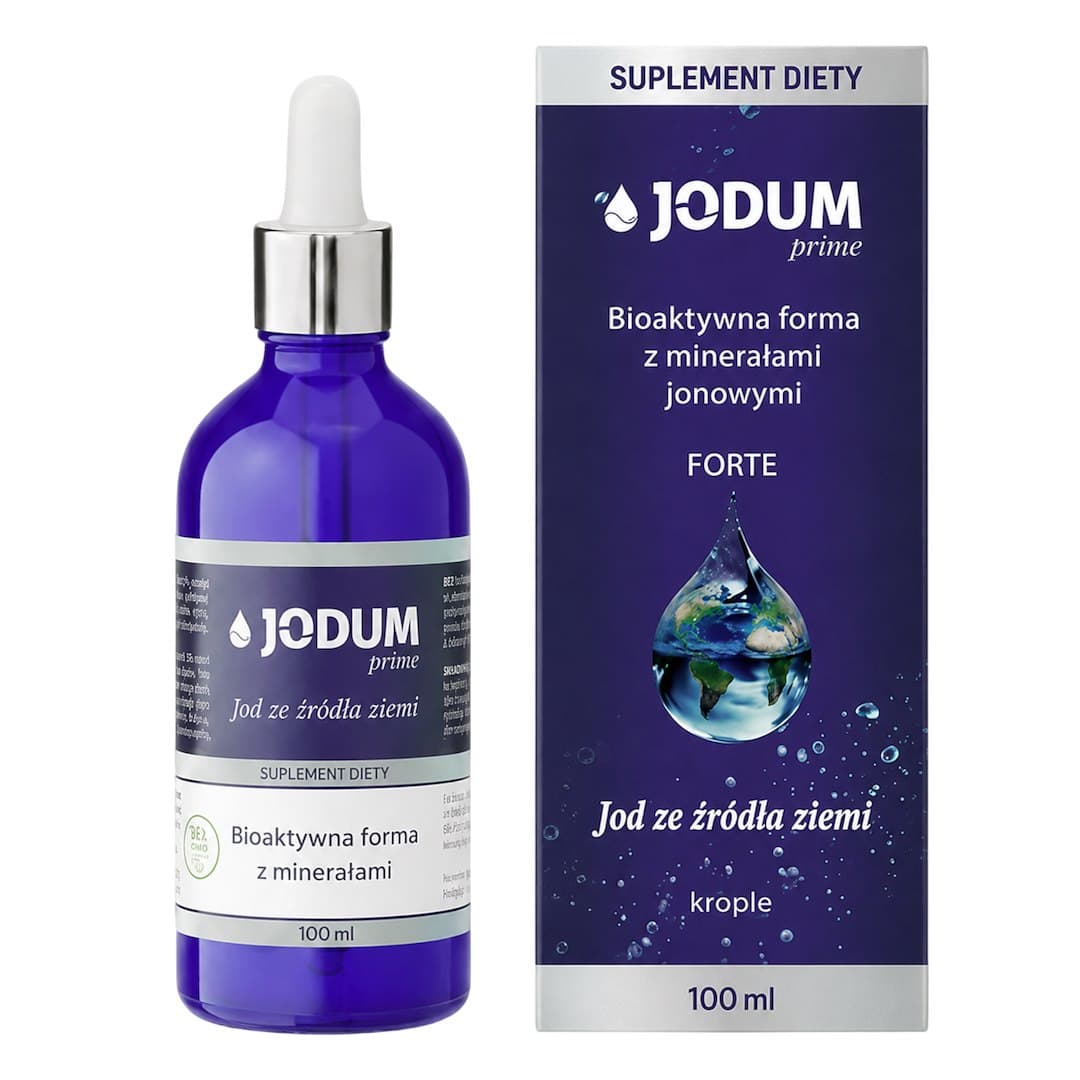
Jodum - Prime Iodine From Earth Source - 100ml

Zabłocka - Thermal Brine Iodine-Bromine 950ml

Zabłocka - Iodine-Bromine Brine Spray
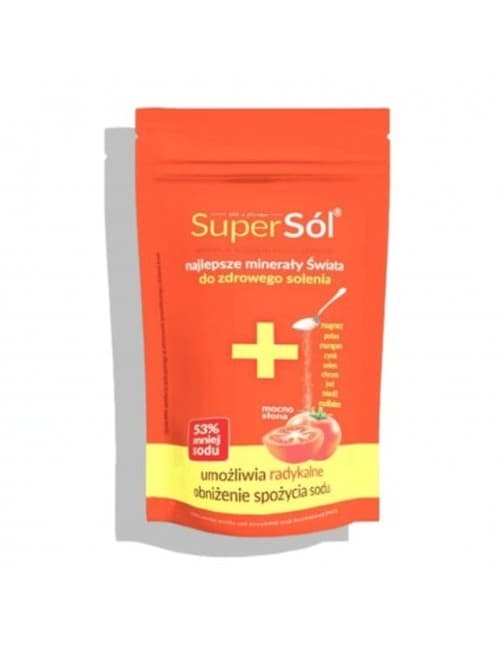
Supersól - Minerals for Salting - 500g