Potassium
Kalium – definition and facts in our glossary. Most Swedes get too little potassium from their diet.
What is Potassium?
Potassium is an essential electrolyte that plays a crucial role in the functions of the human body. Despite its important functions, many Swedes do not get enough potassium through their diet, which can lead to various health issues.
How does it work in the body?
Scientific benefits
- A study from the The New England Journal of Medicine showed that participants with higher potassium intake had a lower risk of stroke.
Dosage and recommendations
The recommended daily dose of potassium for adults is approximately 3,500 to 4,700 milligrams, depending on factors such as age and sex. It is always best to obtain potassium through diet rather than supplements, unless recommended by a doctor.
Best sources and forms
There are many natural sources of potassium that can be included in a balanced diet. Here are some of the best sources:
- Bananas
- Avocado
- Spinach
- Sweet potatoes
- Tomatoes
- Beans and lentils
- Oranges and orange juice
Potassium is also available as a dietary supplement, such as potassium chloride, but these should only be taken under medical supervision.
Side effects and warnings
Excessive intake of potassium can lead to hyperkalaemia, a condition where the potassium level in the blood becomes too high. This can cause serious heart problems and other complications. Symptoms of hyperkalaemia may include muscle weakness, fatigue, and irregular heart rhythm.
Frequently asked questions
What is the difference between potassium and sodium?
Can I get enough potassium through my diet?
Yes, most people can get enough potassium through a balanced diet that includes fruits, vegetables, legumes, and whole grains.
Are potassium supplements safe?
Potassium supplements can be safe if taken according to a doctor’s recommendations, but excessive intake can lead to serious health problems, especially for people with kidney issues.
What are the symptoms of potassium deficiency?
Can I get too much potassium?
Yes, excessive potassium intake can cause hyperkalaemia, which can lead to serious heart diseases and other complications. It is important to follow recommended doses and consult a doctor if unsure.
Products containing Potassium
Show all 476 →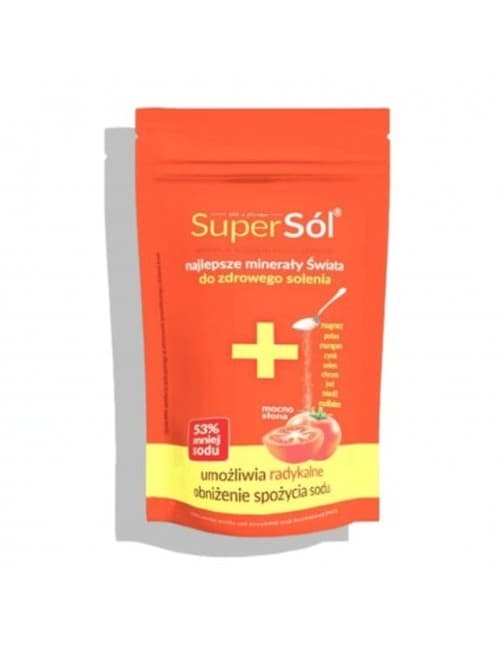
Supersól - Minerals for Salting - 500g
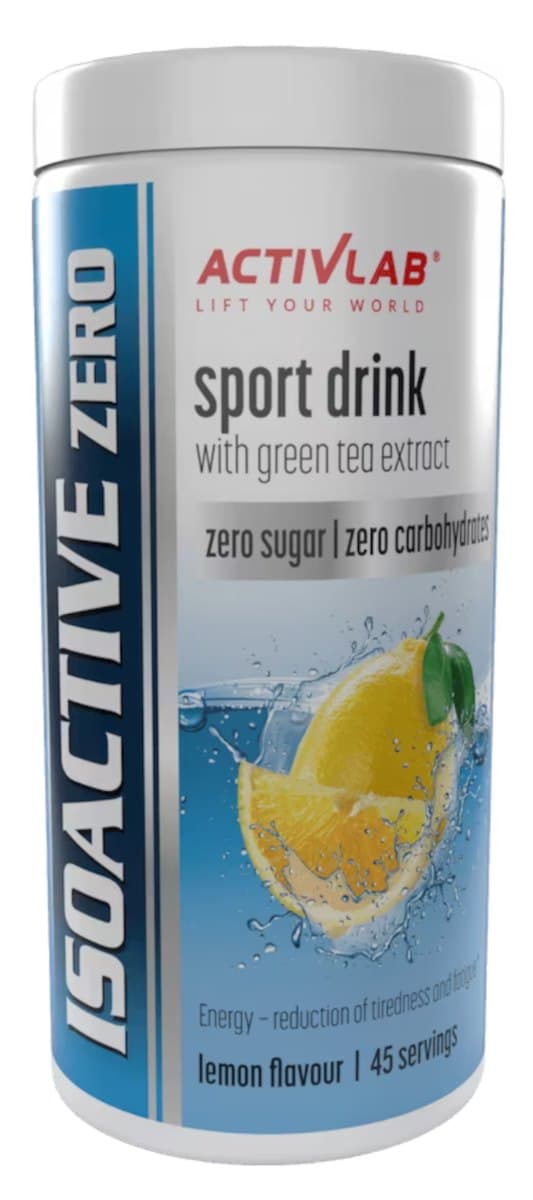
ActivLab - Isoactive Zero
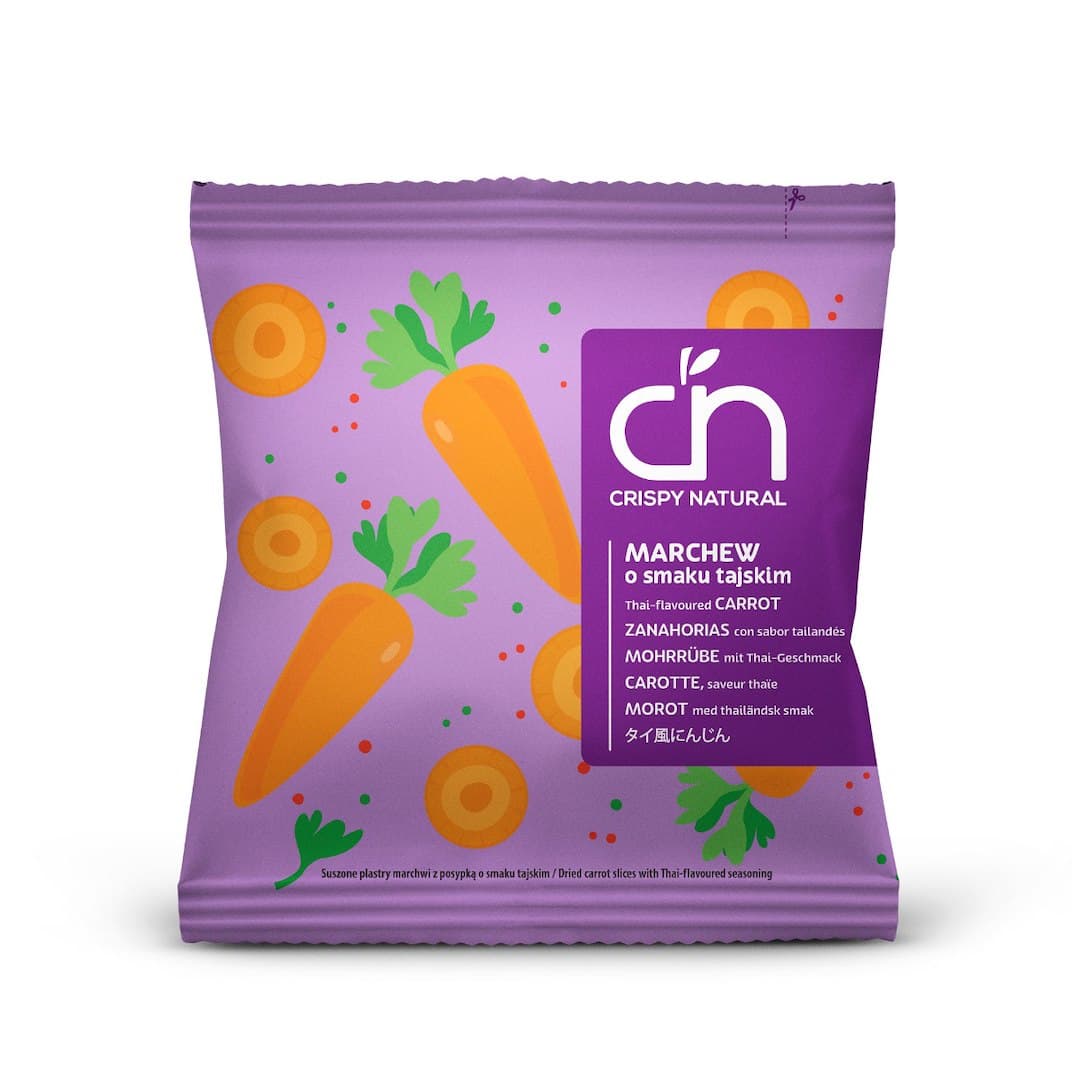
Crispy Natural - Dried Carrot Slices - 18g
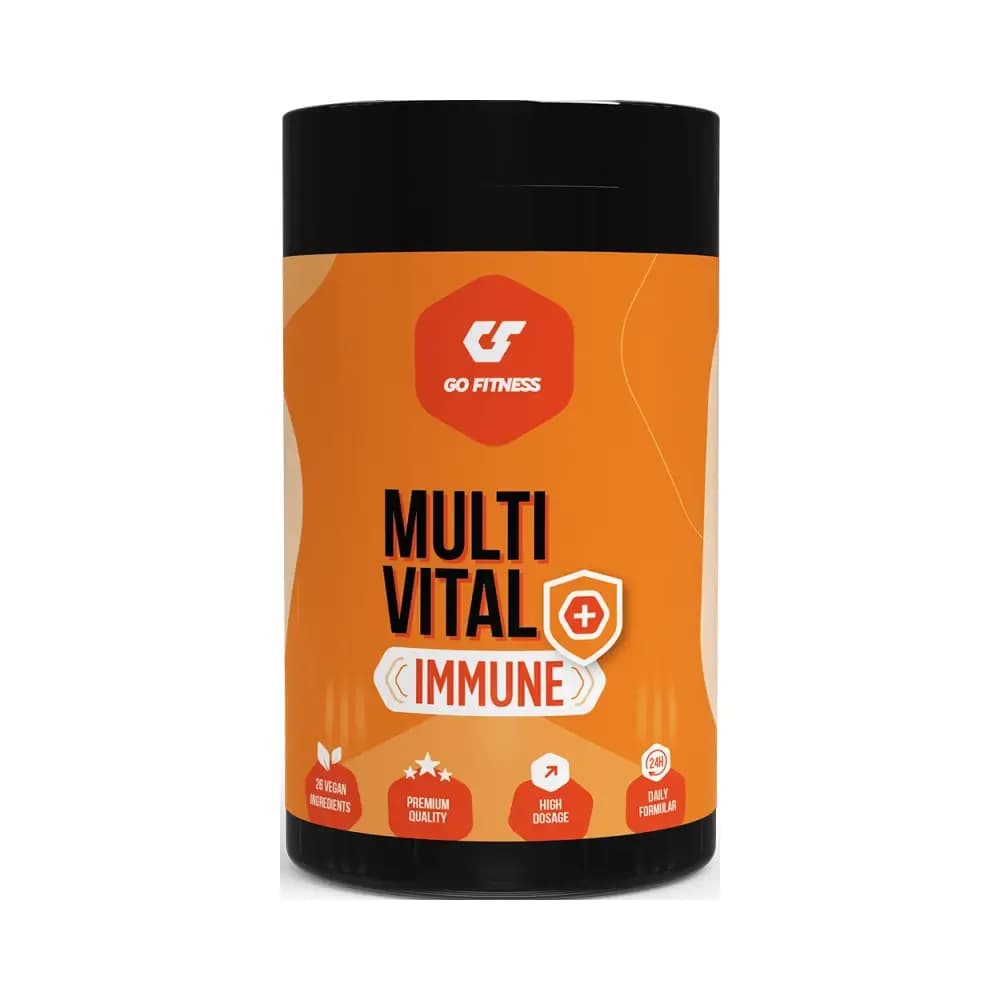
Go Fitness - Multi Vital Immune - Unflavoured - 240 caps
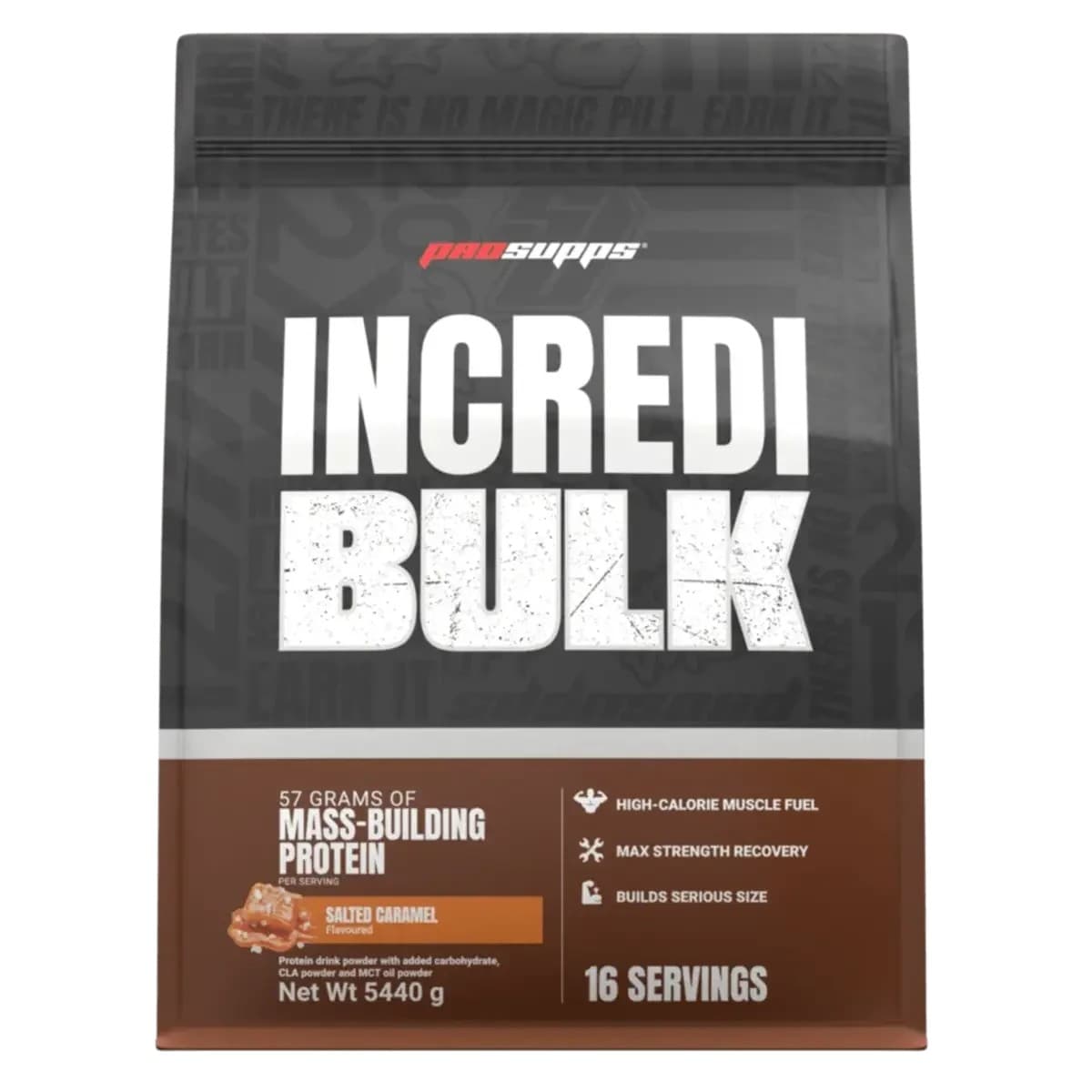
ProSupps - Incredibulk Gainer - Weight Gain Supplement