Caffeine
Koffein – definition and facts in our glossary. The world's most consumed stimulant.
What is Caffeine?
Caffeine is the world's most consumed stimulant and occurs naturally in several plants, including coffee, tea, and cocoa.
How does it work in the body?
Caffeine works by blocking adenosine receptors in the brain. Additionally, caffeine stimulates the release of neurotransmitters such as dopamine and norepinephrine, which further enhance mood and cognitive function.
Scientific benefits
Several studies have demonstrated the positive effects of caffeine, especially in sports and exercise. Here are some of the main benefits supported by research:
- Improved mental sharpness: Research in Psychopharmacology has shown that caffeine can enhance attention and reaction time, which is especially important during complex tasks.
Dosage and recommendations
The optimal dosage of caffeine can vary depending on individual sensitivity and goals. Generally, a dose of 3-6 mg of caffeine per kilogram of body weight is recommended to maximise performance benefits. For most adults, this means consuming between 200-400 mg of caffeine per day, which corresponds to approximately 2-4 cups of coffee. It is important to be aware of your own tolerance and adjust intake accordingly.
Best sources and forms
Caffeine is found in many foods and beverages. Here are some of the most common sources:
- Coffee: One of the most popular sources, with about 95 mg of caffeine per cup.
- Tea: Often contains less caffeine than coffee, with about 30-50 mg per cup depending on the type.
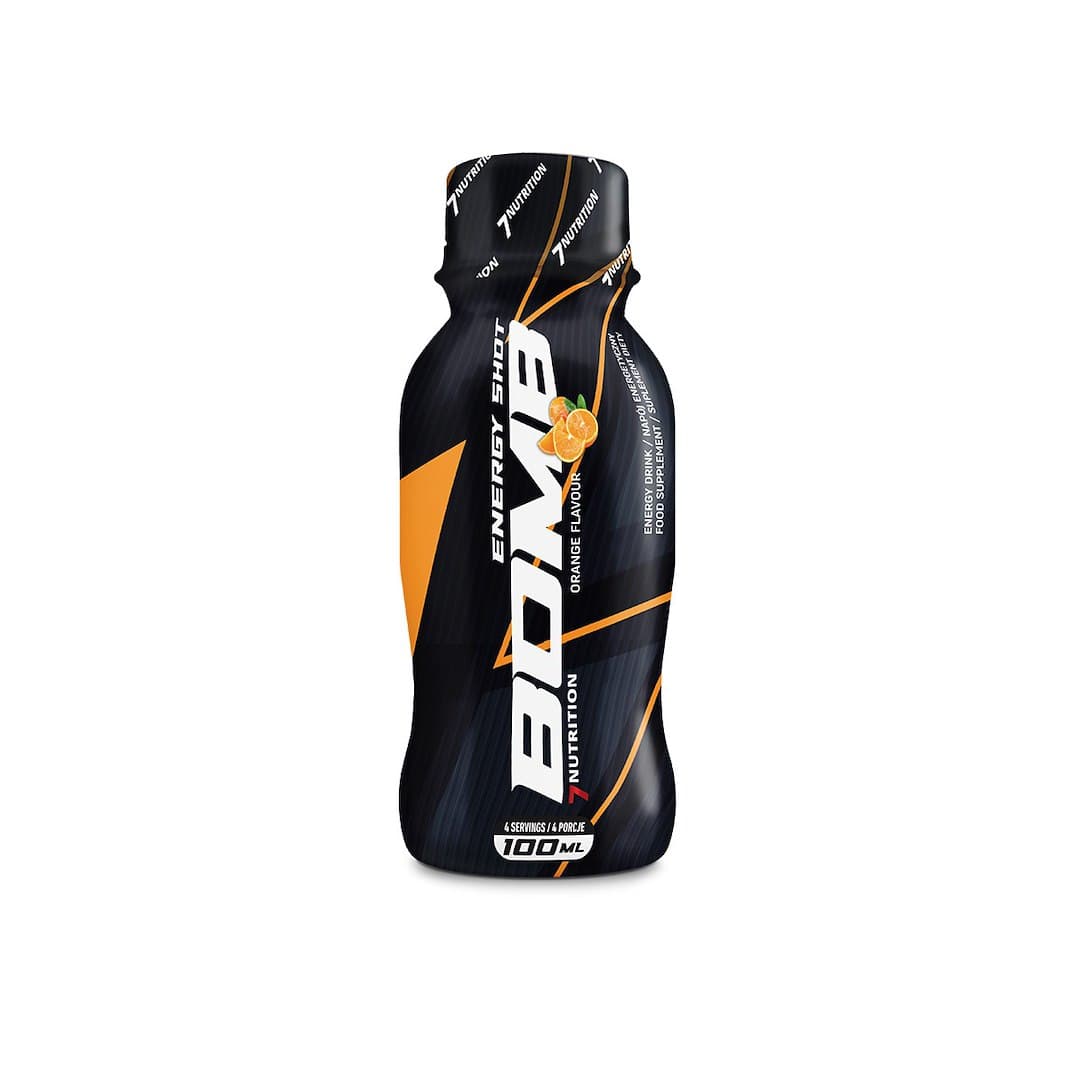
- Energy drinks: These can contain varying amounts of caffeine, often between 80-300 mg per can.
Side effects and warnings
Despite its benefits, caffeine can cause side effects, especially at high doses. Common side effects include:
- Anxiety and nervousness
- Headache
- Digestive problems
It is important to be aware of your own tolerance and to avoid sudden changes in caffeine intake. Pregnant women and individuals with certain medical conditions should consult a doctor before consuming caffeine.
Frequently asked questions
1. Can caffeine cause dependence?
Yes, caffeine can lead to a mild form of dependence.
2. How quickly does caffeine take effect?
Caffeine usually begins to take effect within 15-45 minutes after consumption, and its effects can be noticeable for up to 6 hours.
3. Is caffeine good for exercise?
4. How much caffeine is safe to consume?
For most adults, it is safe to consume up to 400 mg of caffeine per day, but individual tolerances may vary.
5. Can caffeine affect sleep?
Yes, caffeine can affect sleep quality, especially if consumed close to bedtime. It is recommended to avoid caffeine at least 6 hours before going to bed.