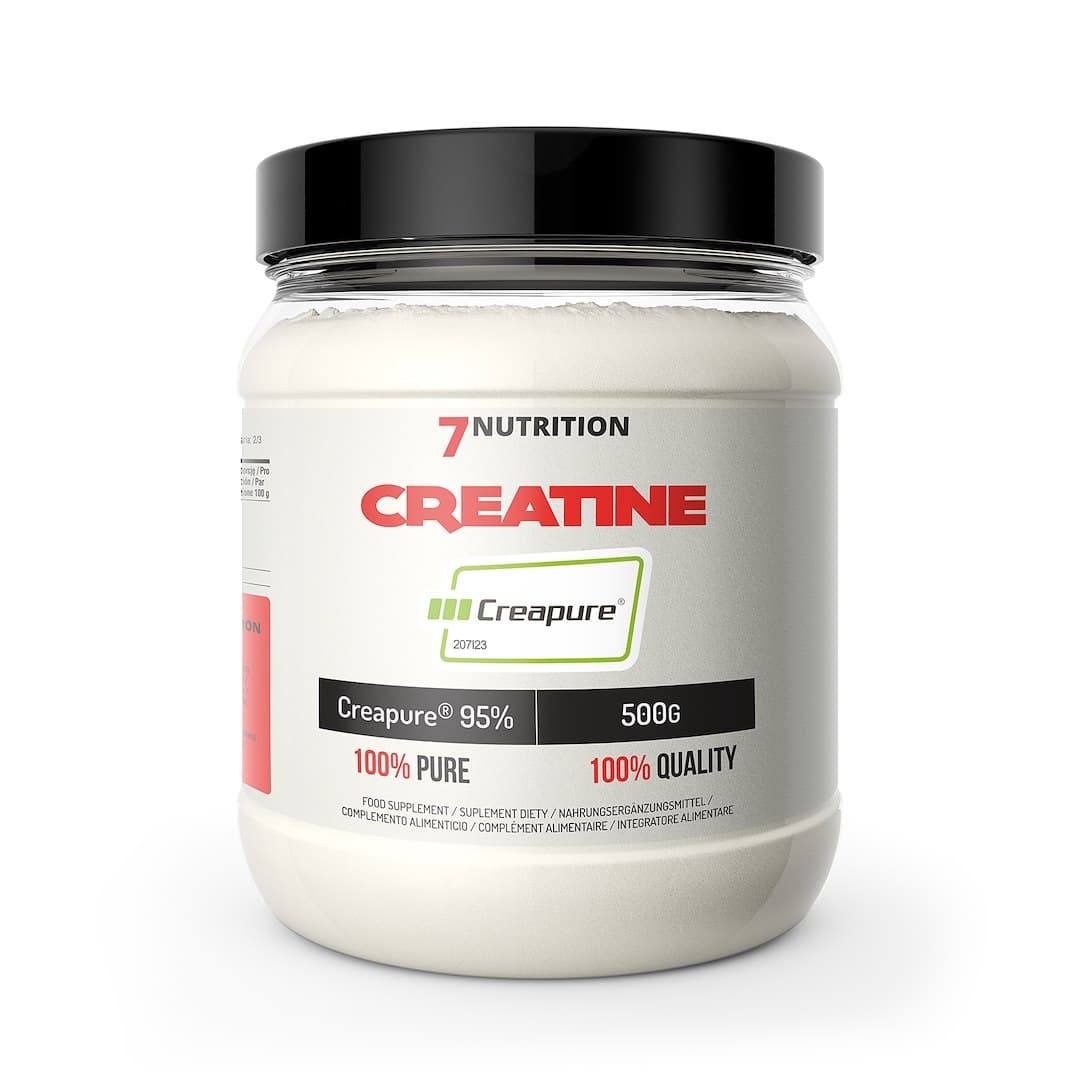
Creatine
Creatine is a natural substance stored in muscles and used as a rapid energy source during intense physical activity. The most studied and proven sports supplement for strength and muscle building.
What is Creatine?
Creatine is a naturally occurring substance found in our muscles that serves as a rapid energy source during intense physical activity. It is an amino acid primarily stored in skeletal muscle and plays a crucial role in the production of adenosine triphosphate (ATP), which is the primary energy source for muscle contractions. Creatine is one of the most studied and proven supplements for strength and muscle building, making it popular among athletes and fitness enthusiasts.
How does it work in the body?
When performing high-intensity exercise, such as sprinting or weightlifting, the body uses creatine to rapidly produce ATP. During such activities, ATP levels drop quickly, which can lead to muscle fatigue. Creatine works by replenishing ATP levels, allowing for longer and more effective training sessions. The body can synthesise creatine from the amino acids arginine, glycine, and methionine, but it can also be obtained through the diet, primarily from meat and fish.
Scientific benefits
Several studies have demonstrated creatine's positive effects on muscle strength and performance. Here are some of the most prominent findings from research:
- A 2017 meta-analysis showed that creatine can increase strength by up to 8% in resistance training.
- Aerobic capacity: Although creatine is primarily known for its benefits in strength and explosiveness, some studies have shown it may also have a positive effect on aerobic capacity during high-intensity interval training.
Dosage and recommendations
The recommended dosage of creatine varies depending on the individual's goals and body weight. Generally, the following is recommended:
- Loading Phase: 20 grams per day for 5-7 days, divided into 4 doses.
Best sources and forms
Creatine is available in various forms, but the most popular and studied form is creatine monohydrate. Other forms include creatine ethyl ester, creatine hydrochloride, and buffered creatine, but there is limited research supporting the benefits of these alternatives compared to creatine monohydrate. Creatine can also be obtained through the diet, primarily from:
- Meat (beef, pork)
- Fish (salmon, tuna)
- Supplements (pills or powder of creatine monohydrate)
Side effects and warnings
Although creatine is considered safe for most people, some individuals may experience side effects such as:
- Gastrointestinal discomfort, including diarrhoea or stomach pain.
It is important to consult a doctor before starting creatine supplementation, especially if you have underlying health conditions or are taking medications.
Frequently asked questions
Is creatine safe to use?
Yes, creatine is considered safe for most people when used at recommended doses. However, it is important to be aware of possible side effects and to drink enough water.
How long does it take to see results from creatine?
Can everyone use creatine?
Creatine can be used by most people, but individuals with kidney disease or other health issues should consult a doctor before taking creatine.
Do I need to cycle creatine?
There is no strong evidence suggesting that cycling creatine is necessary. Many users take it continuously without problems.
What is the best time to take creatine?
There is no specific best time to take creatine, but many prefer to take it after training along with a meal to maximise absorption.
Products containing Creatine
Show all 423 →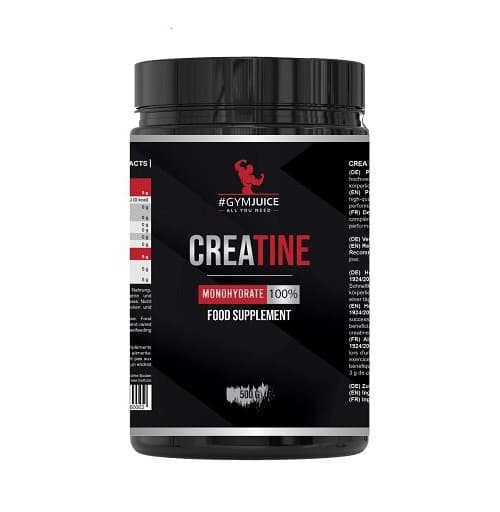
#GymJuice - Creatine Monohydrate 500g
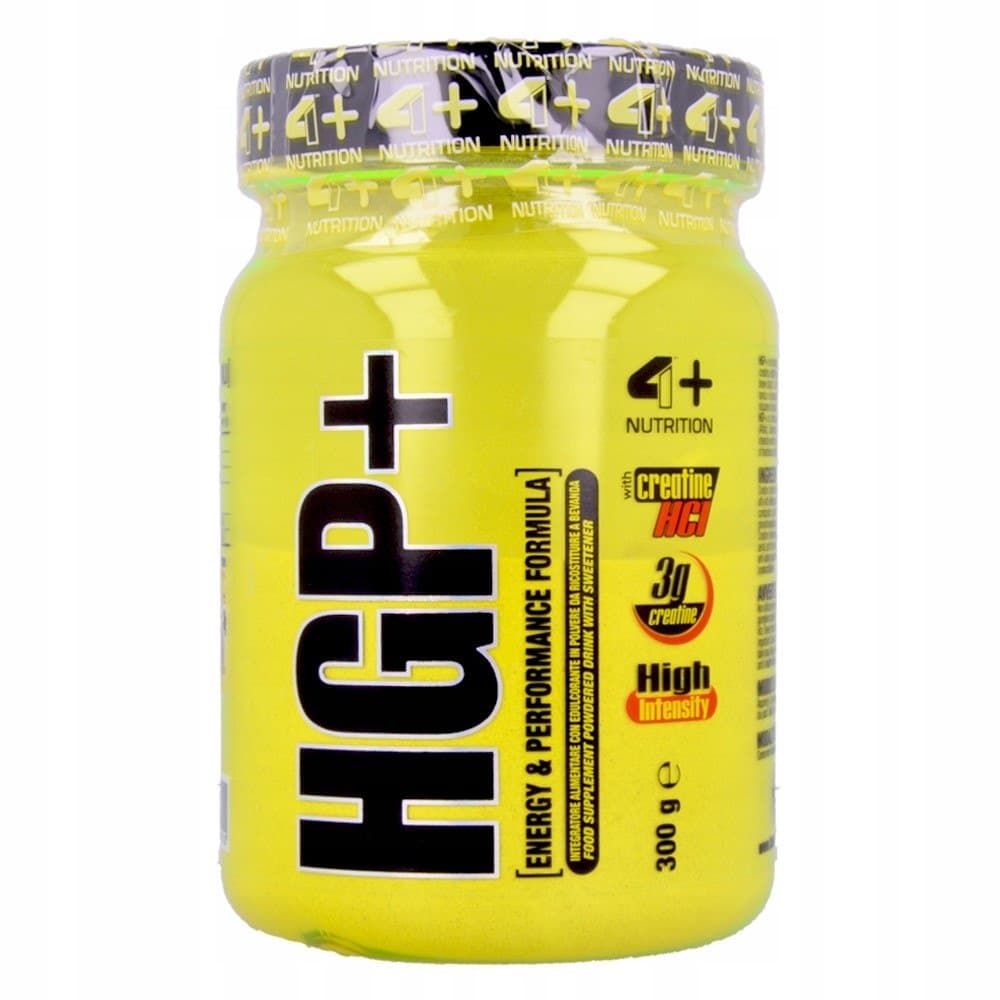
4 Sport Nutrition HGP 300g
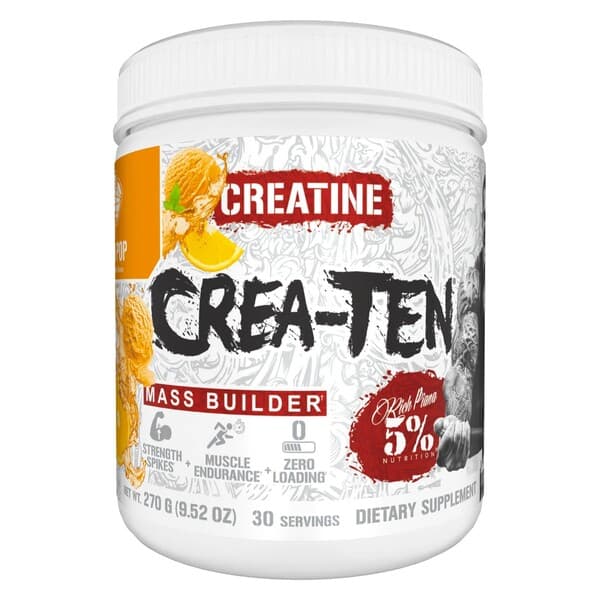
5% Nutrition - Crea-Ten - Creatine Performance
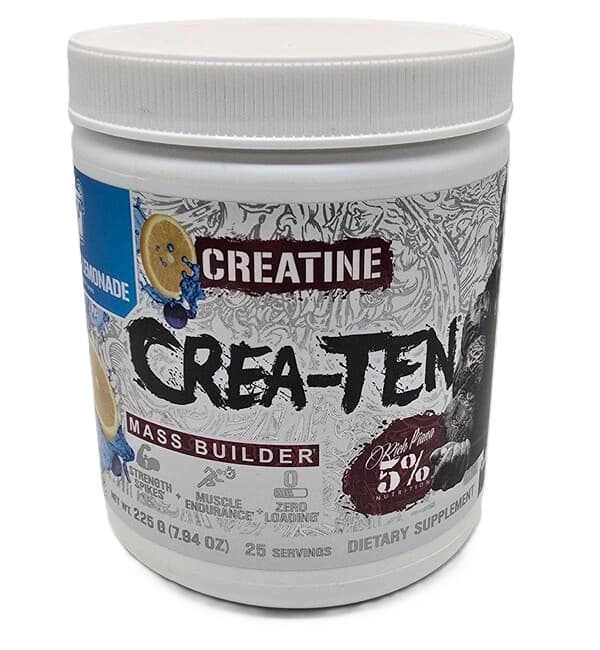
5% Nutrition - Crea-Ten Creatine Strength Blueberry Lemonade 225g
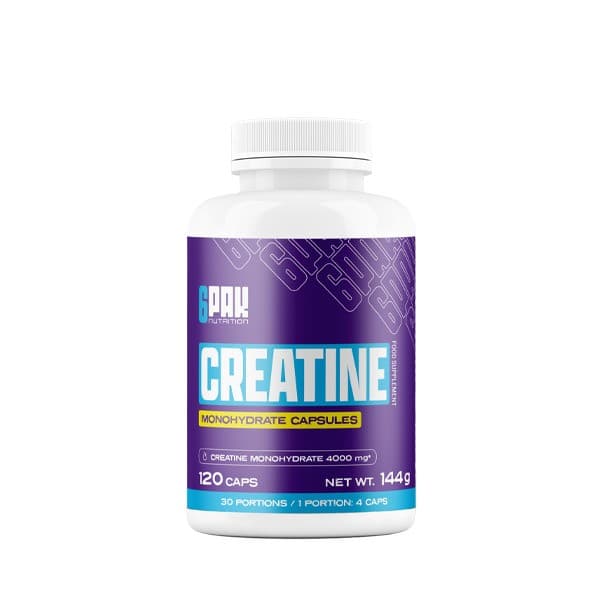
6PAK - Creatine Monohydrate Capsules - 120 Capsules