Creatine Monohydrate
Kreatin-monohydrat – definition and facts in our glossary. The most studied and effective performance-enhancing supplement.
What is Creatine Monohydrate?
Creatine monohydrate is a form of creatine, a naturally occurring substance found in the body and in certain foods. It is one of the most studied and effective performance-enhancing supplements on the market.
How does it work in the body?
Creatine is stored in the muscles in the form of creatine phosphate. During intense exercise, creatine phosphate is used to rapidly regenerate ATP, providing energy to the muscles. Creatine also affects various signalling pathways in cells involved in muscle growth, further enhancing its effects.
Scientific benefits
Several studies have demonstrated the positive effects of creatine monohydrate. Here are some of the most prominent research findings:
Research published in Sports Medicine has shown that creatine can improve anaerobic capacity, which is crucial for sports such as sprinting and weightlifting.
Dosage and recommendations
The recommended dosage of creatine monohydrate is usually 3-5 grams per day. Some athletes choose to undergo a "loading phase" where they take 20 grams per day for 5-7 days to quickly saturate muscle cells. After this, they can switch to a maintenance dose. It is important to drink enough water when taking creatine to avoid dehydration.
Best sources and forms
Creatine monohydrate is available in various forms, but the most studied and proven effective is creatine monohydrate powder. It can be mixed with water or other beverages. Besides supplements, creatine can also be found in foods such as:
- Meat, especially beef and game
- Fish, such as salmon and tuna
- Eggs (in smaller amounts)
Side effects and warnings
Creatine is generally considered safe for most people when taken at recommended doses. Common side effects may include:
- Muscle pain or cramps
- Gastrointestinal discomfort, such as bloating and diarrhoea
- Weight gain due to water retention in the muscles
It is recommended to consult a doctor before starting creatine supplementation, especially if you have any underlying health conditions.
Frequently asked questions
Is creatine monohydrate safe to use?
Yes, creatine monohydrate is generally safe for most people when used at recommended doses. However, it is important to be aware of potential side effects and to consult a doctor if uncertain.
Can I take creatine if I am vegetarian or vegan?
Yes, although creatine is primarily found in animal products, vegetarians and vegans can still use creatine supplements to gain the benefits it provides, especially in connection with training.
How long does it take to see results with creatine?
Can I combine creatine with other supplements?
Yes, creatine can be combined with other supplements, such as protein powders and BCAAs, to maximise training results. However, it is always advisable to consult a nutritionist to tailor your supplement regimen.
", "fun_fact": "Did you know that creatine is not only found in supplements but also naturally in foods like meat and fish, meaning those who eat a meat-based diet also get some creatine through their food?" }Products containing Creatine Monohydrate
Show all 340 →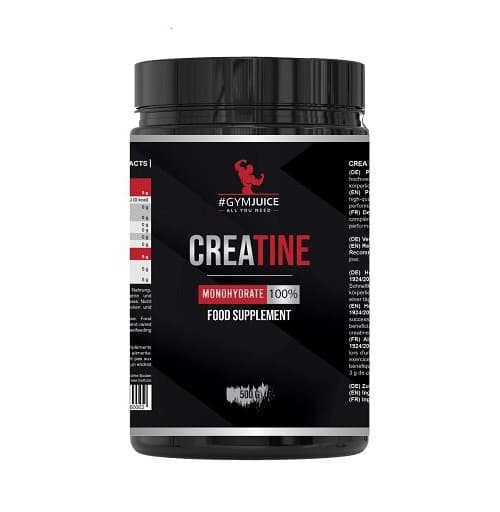
#GymJuice - Creatine Monohydrate 500g
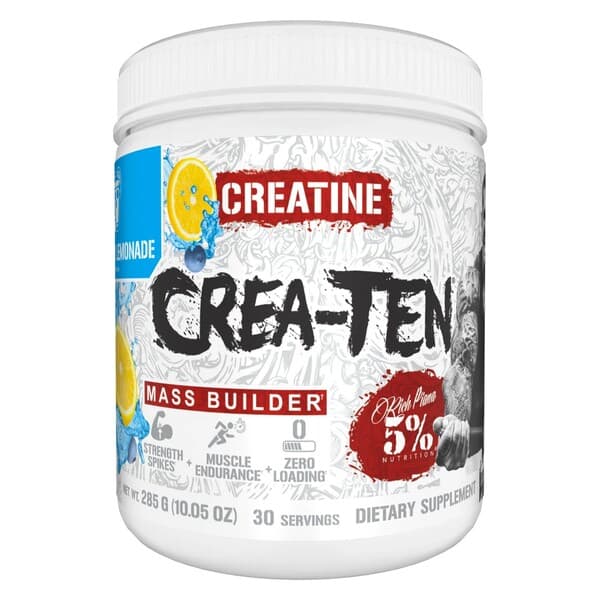
5% Nutrition - Crea-Ten Creatine Strength Blueberry Lemonade 225g
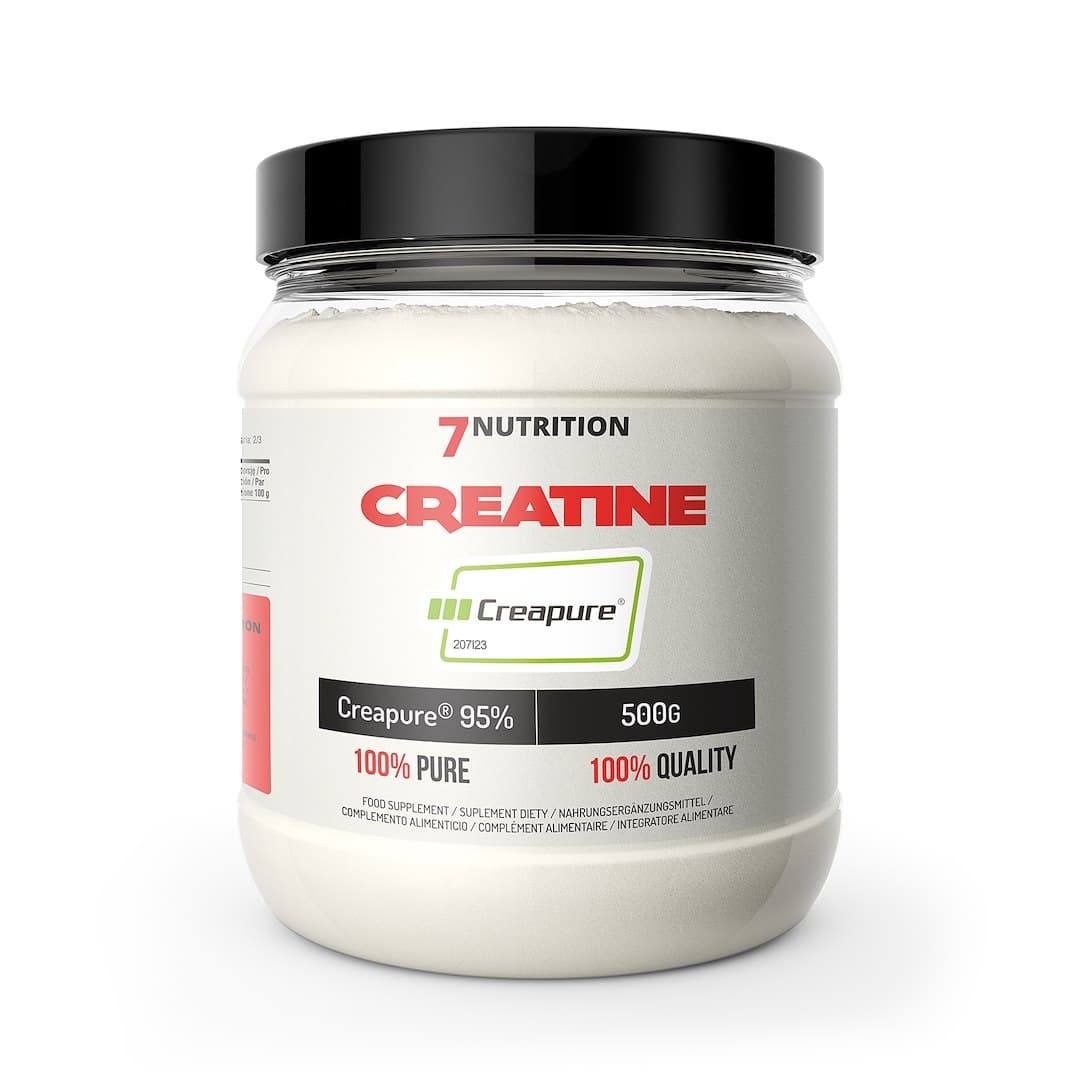
7 Nutrition - Creatine Creapure (500g)
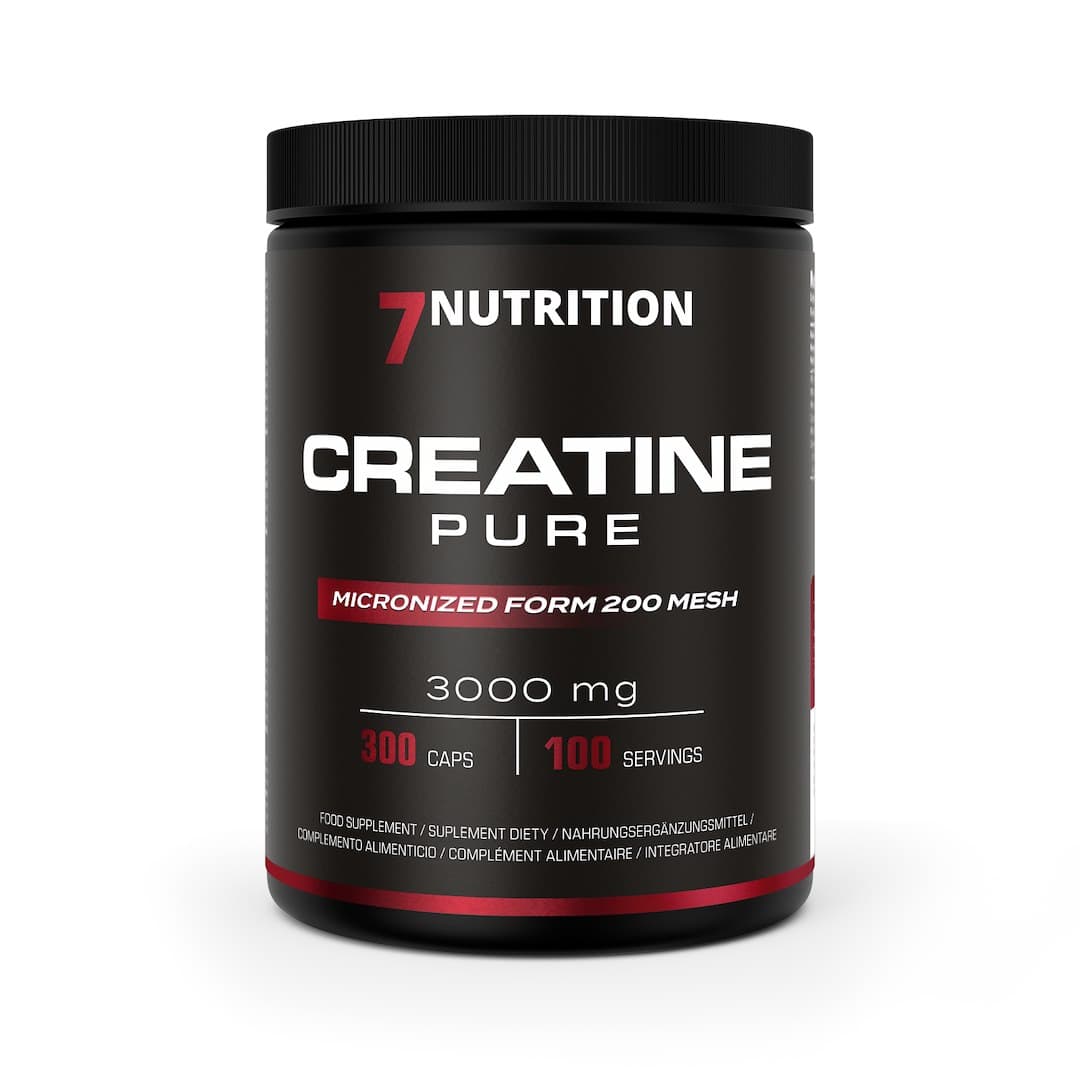
7 Nutrition - Creatine Pure

@GymJuice - GymJuice - CreaGAA Creatine + GAA - 120 Caps
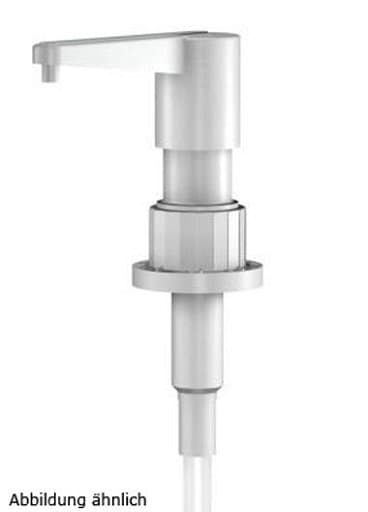
ASVita - Premium Dosing Pump - 1L
Related entries
Leucine
The most important amino acid for muscle protein synthesis. Activates the mTOR signalling pathway and acts as an "anabolic switch" for muscle building.
BCAA In-Depth
The three branched-chain amino acids leucine, isoleucine, and valine. Important signalling molecules but insufficient alone for complete muscle protein synthesis.