Lutein
Lutein – definition and facts in our glossary. Found in spinach and kale.
What is Lutein?
Lutein is a carotenoid, a type of antioxidant important for eye health. As a natural pigment, it is primarily found in green leafy vegetables such as spinach and kale. Lutein is known for its protective properties against blue light and has been linked to reducing the risk of age-related macular degeneration (AMD), a common cause of vision loss among older adults.
How does it work in the body?
Lutein works by absorbing blue light and filtering out harmful rays that can cause oxidative stress in the eyes. It is found in high concentrations in the macula, a part of the retina responsible for central vision.
Scientific benefits
According to a study published in Investigative Ophthalmology & Visual Science, participants with higher lutein intake showed a significantly reduced risk of developing AMD. Another study in the Journal of Nutrition indicated that lutein can improve visual acuity and contrast sensitivity in individuals with vision problems. Furthermore, research has shown that lutein may have positive effects on cognitive function, making it an interesting component in the diet for older adults.
Dosage and recommendations
There is no official recommendation for lutein intake, but many experts suggest that a daily intake between 6 and 20 mg may be beneficial for eye health. It is important to consult a doctor or dietitian before starting supplements, especially if you are already taking medications or have underlying health issues. To obtain lutein through diet, one can eat a varied diet rich in green vegetables and fruits.
Best sources and forms
The best sources of lutein include:
- Spinach
- Kale
- Broccoli
- Eggs (especially egg yolk)
- Corn
- Green peas
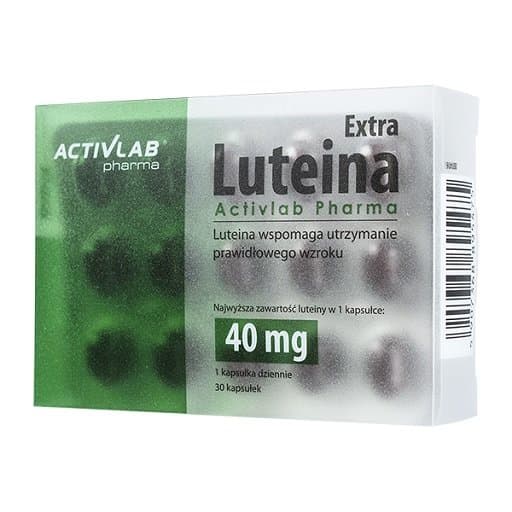
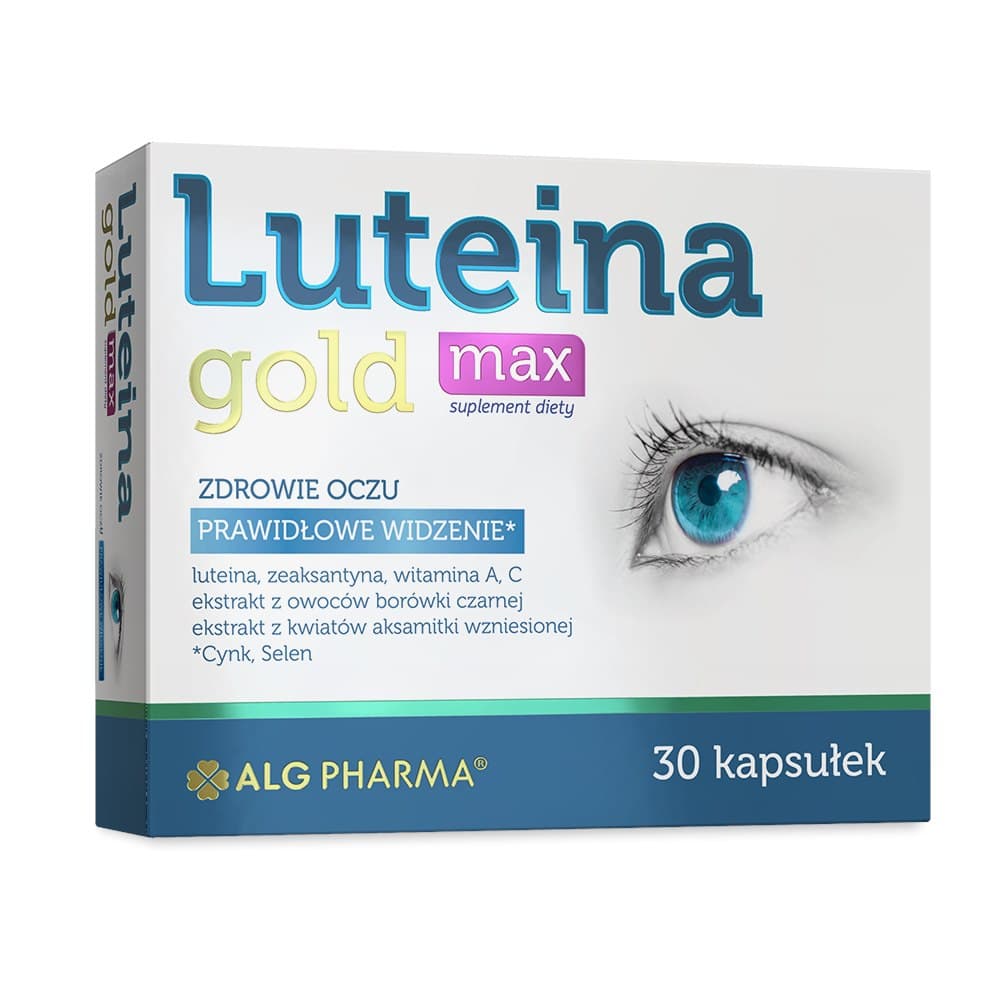
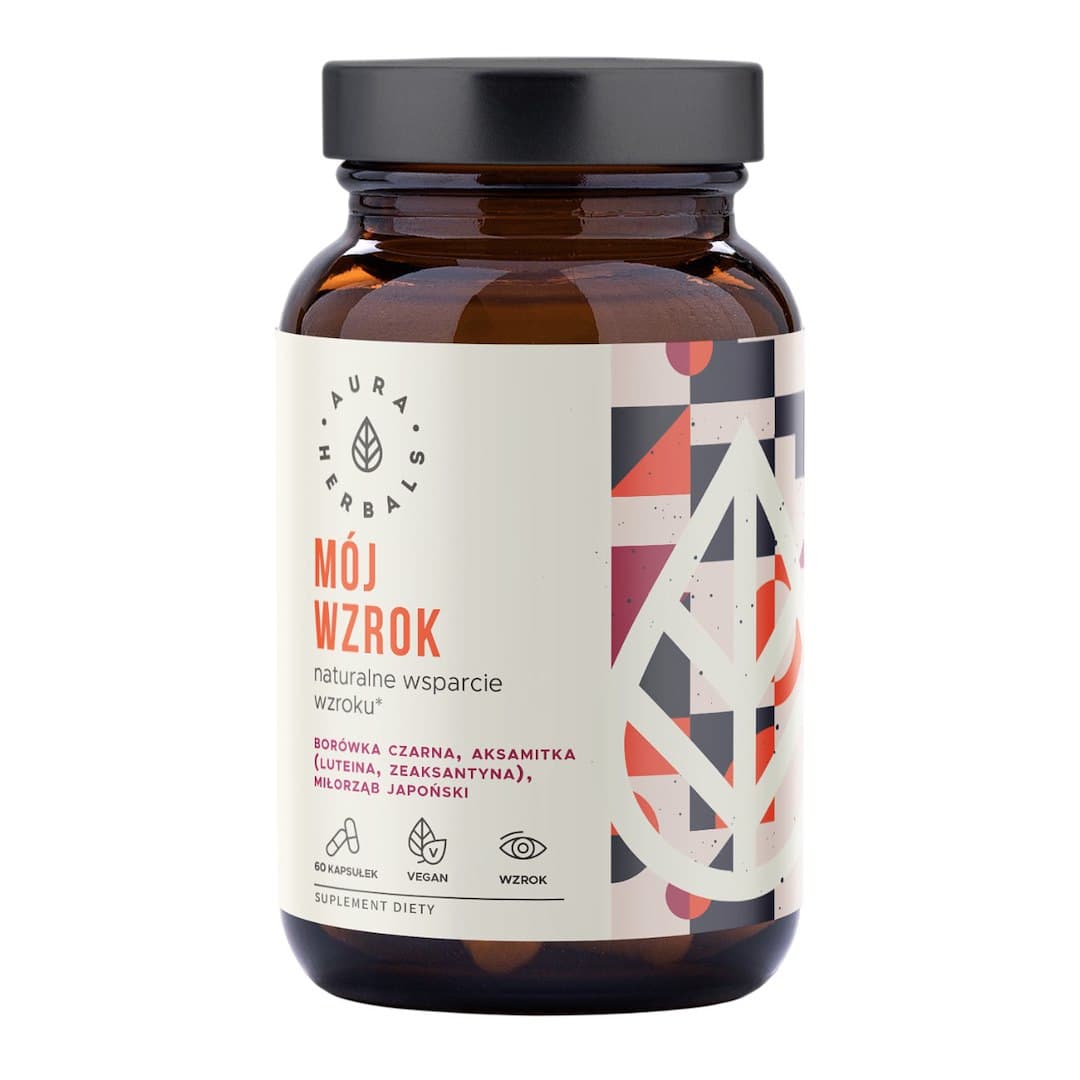
Lutein is also available in supplements, often in the form of capsules or tablets. Many of these supplements also contain other antioxidants and vitamins that can support eye health, such as zeaxanthin.
Side effects and warnings
Lutein is generally considered safe to consume in the amounts found in food. However, high doses of lutein supplements may cause gastrointestinal discomfort or changes in skin colour. It is always best to consult a doctor before starting supplements, especially for people with allergies or those on medication.
Frequently asked questions
What is the difference between lutein and zeaxanthin?
Lutein and zeaxanthin are both carotenoids found in the eyes, but they have different roles.
Can I get enough lutein through my diet?
Yes, most people can get sufficient lutein through a balanced diet that includes green leafy vegetables and other carotenoid-rich foods.
Is lutein good for my skin?
Is it safe to take lutein supplements?
For most people, lutein supplements are safe in moderate doses, but it is always advisable to consult a doctor before starting them.
Can lutein improve vision?
There is some research indicating that lutein can improve visual acuity and contrast sensitivity, especially in people with vision problems.