Magnesium
Magnesium is an essential mineral involved in over 300 enzymatic reactions in the body. Deficiency is common and can cause muscle cramps.
What is magnesium?
Magnesium is the body's fourth most common mineral and participates in over 300 enzymatic processes.
Roles of magnesium in the body
- Without magnesium, cells cannot produce or use energy efficiently.
- Muscle function 2D Calcium contracts muscles, magnesium relaxes them.
- Nervous system 2D Magnesium regulates neurotransmitters and blocks overactivation of NMDA receptors, which has a calming effect.
Different forms of magnesium
Not all forms of magnesium are the same. Choice of form depends on your goal:
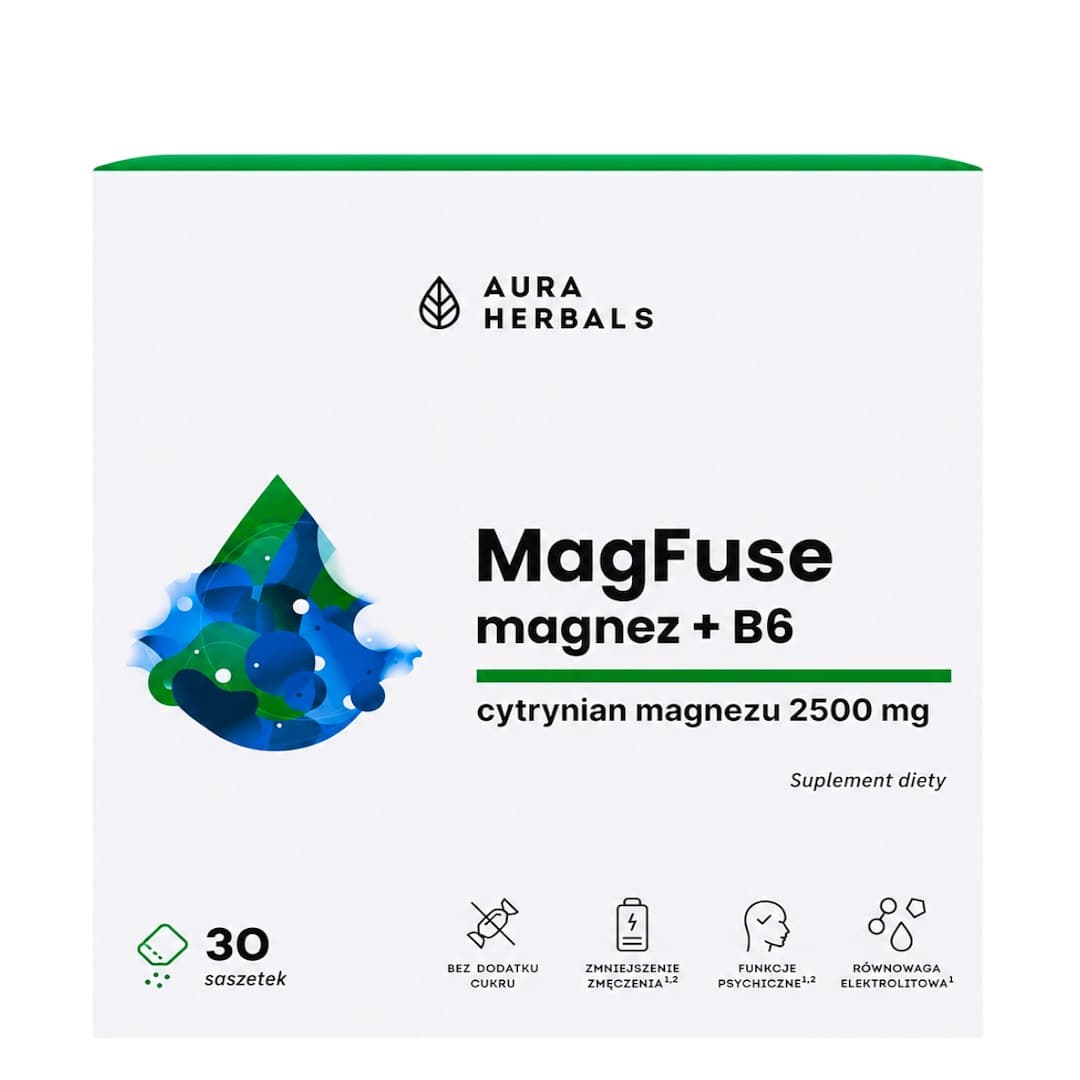
- Magnesium citrate 2D Good bioavailability, may have a laxative effect. A good all-round choice.
- Magnesium bisglycinate 2D Bound to the amino acid glycine. Very gentle on the stomach, ideal for sleep and relaxation.
- Magnesium taurate 2D Bound to taurine. Especially good for heart health.
- Magnesium malate 2D Good for energy and muscle function. Popular among athletes.
- Magnesium oxide 2D Cheapest but poorest absorption (4%). Mainly a laxative effect.
- Magnesium threonate 2D Can cross the blood-brain barrier. Used for cognitive function.
Magnesium deficiency
Magnesium deficiency is common 2D an estimated 50% of the population in the Western world do not get enough. Causes include depleted soils, processed foods, stress (which consumes magnesium), and certain medications. Symptoms of deficiency:
- Muscle cramps and twitches
- Fatigue and weakness
- Sleep problems
- Anxiety and restlessness
- Headaches and migraines
- Cardiac arrhythmias
Dosage
- RDI: 310-420 mg per day depending on sex and age
- Optimal: 400-600 mg per day via diet + supplements
- Sleep: 200-400 mg magnesium bisglycinate in the evening
Swedish recommendations (National Food Agency)
The National Food Agency's recommendations for daily magnesium intake:
| Age group | Recommended intake |
|---|---|
| Children 22D5 years | 120 mg |
| Children 62D9 years | 200 mg |
| Boys 102D13 years | 280 mg |
| Girls 102D13 years | 280 mg |
| Men 14+ years | 350 mg |
| Women 14+ years | 280 mg |
| Pregnant | 280 mg |
| Breastfeeding | 280 mg |
Source: National Food Agency, NNR 2023.