Maitake
Medicinal mushroom (Grifola frondosa) known as the "dancing mushroom". D-fraction extract has strong immunomodulatory properties.
What is Maitake?
Maitake, with the scientific name Grifola frondosa, is a medicinal mushroom that grows wild in Japan, China, and North America. It is often known as the "dancing mushroom" due to its distinctive appearance and the tradition of dancing to celebrate its discovered benefits.
How does it work in the body?
Maitake contains a number of bioactive compounds, including polysaccharides such as the D-fraction, which are responsible for many of its health benefits. By activating immune cells such as macrophages and T-cells, Maitake can help the body fight infections and diseases.
Scientific benefits
Several studies have investigated the potential health benefits of Maitake. According to a study published in the Journal of Ethnopharmacology, Maitake extract showed a significant immunomodulatory effect on human immune cells.
Another interesting study, published in the International Journal of Medicinal Mushrooms, demonstrated that the D-fraction from Maitake may have a cytostatic effect, meaning it can inhibit the growth of cancer cells.
Dosage and recommendations
There is no universal dosage for Maitake, as it can vary depending on the individual's health condition and the specific form of supplement used. Generally, it is recommended to start with a low dose, for example 500 mg per day, and gradually increase to 1-3 grams per day, depending on the individual's response and needs. It is always best to consult a doctor or nutrition expert before starting new supplements.
Best sources and forms
Maitake is available in several forms, including:
- Powder: Can be easily mixed into smoothies or other foods.
- Capsules: A convenient form for daily intake.
- Extract: Can provide a more concentrated dose of the active compounds.
- Fresh mushroom: Can be used in cooking but may be harder to find.
It is important to choose high-quality products from reliable sources to ensure you receive the full health benefits. Look for products that are certified organic and tested for purity and potency.
Side effects and warnings
Generally, Maitake is considered safe for most people when consumed in normal amounts. However, some may experience mild side effects such as:
- Digestive discomfort
- Allergic reactions
- Hypoglycaemic effects (especially when using diabetes medications)
It is important that individuals with mushroom allergies or specific medical conditions, such as diabetes, consult a doctor before using Maitake. Pregnant and breastfeeding women should also exercise caution and seek medical advice.
Frequently asked questions
What is Maitake good for?
Can I eat Maitake every day?
Yes, many people include Maitake as part of their daily diet, but it is important to follow the recommended dosage and consult an expert.
Is Maitake safe for everyone?
Although Maitake is safe for most, people with mushroom allergies or specific health conditions should be cautious and consult a doctor.
How long does it take before I notice the effects of Maitake?
Effects can vary depending on the individual and dosage. Some people may notice benefits within a few weeks, while others may require longer.
Where can I buy Maitake?
Maitake is available in health food stores, online, and at pharmacies, but be sure to choose high-quality products from reliable sources.
Products containing Maitake
Show all 8 →
Applied Nutrition - Mushroom Superblend - 160g
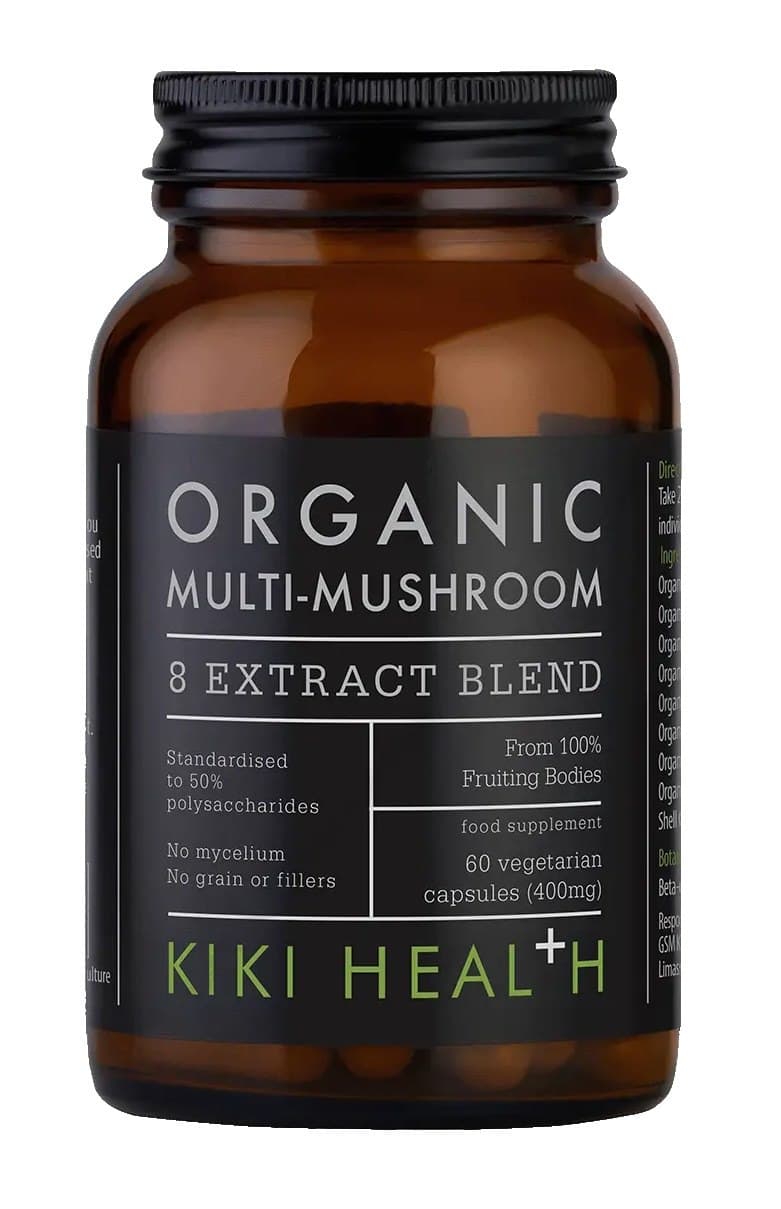
Kiki Health - Organic Multi-Mushroom - 60 Caps
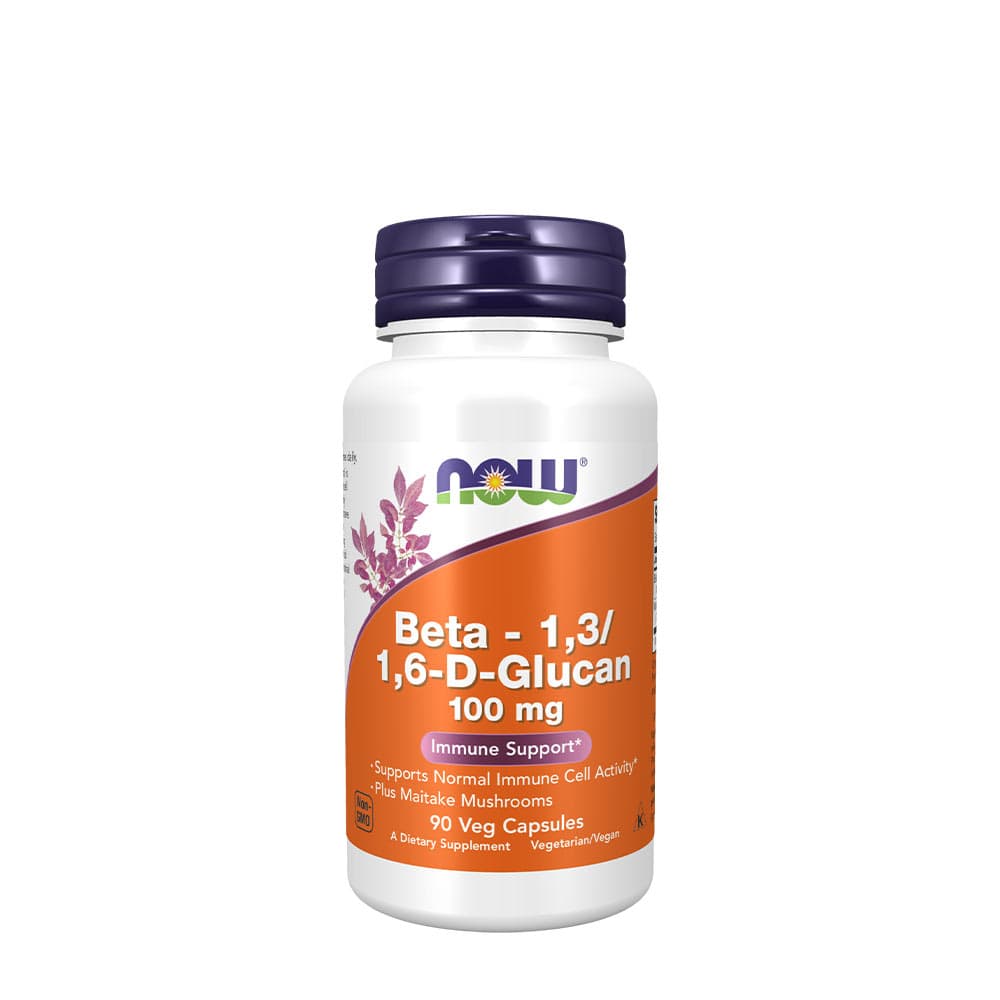
NOW Foods - Beta - 1,3/1,6-D-Glucan, 100mg - 90 Vcaps
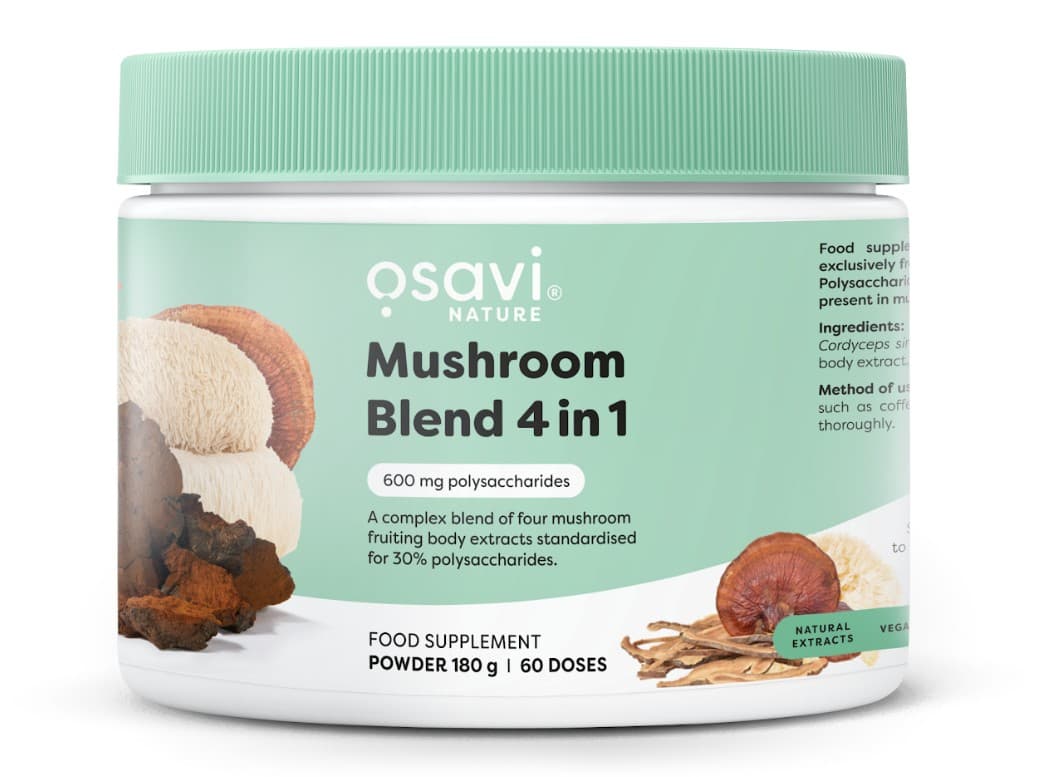
Osavi Nature - Advanced Mushroom Blend 4 In 1

Panaseus - The Sugar Way - 50 Caps

Panaseus - Vital Mushrooms - 50 Caps
Related entries
Turkey Tail
Turkey Tail – definition and facts in our glossary. Medicinal mushroom (Trametes versicolor) with the strongest immunological evidence of all mushrooms.
Reishi
Reishi – definition and facts in our glossary. Adaptogenic mushroom (Ganoderma lucidum) known as the "mushroom of immortality" in Chinese medicine.
Beta-glucans
Beta-glucans are polysaccharides (soluble fibres) found in oats, mushrooms, and yeast.