Niacin
Niacin – definition and facts in our glossary. Available as niacin (with flush) and niacinamide (without flush).
What is Niacin?
Niacin, also known as vitamin B3, is a water-soluble vitamin that is part of the B-complex. Niacin exists in two main forms: niacin (which can cause "flush", a temporary redness of the skin) and niacinamide (which does not cause this effect).
How does it work in the body?
Niacin acts as a cofactor for several enzymatic reactions in the body. Niacin is also involved in DNA repair and the production of hormones in the adrenal glands.
Scientific benefits
Several studies have investigated the potential health benefits of niacin:
- A study published in The American Journal of Cardiology found that niacin may have a positive effect on lipid profiles in patients with dyslipidaemia.
- Diabetes: According to a study published in Diabetes Care, niacin can affect insulin sensitivity, which is important for people with type 2 diabetes.
- Several dermatological studies have demonstrated that niacinamide can help treat acne and rosacea.
Dosage and recommendations
The recommended daily dose of niacin varies depending on age and sex. For adults, it is generally recommended to obtain between 14 and 16 mg per day.
Best sources and forms
Niacin is naturally found in many foods, including:
- Meat (especially liver and chicken)
- Fish (such as tuna and salmon)
- Whole grain products
- Peas and beans
- Nuts and seeds
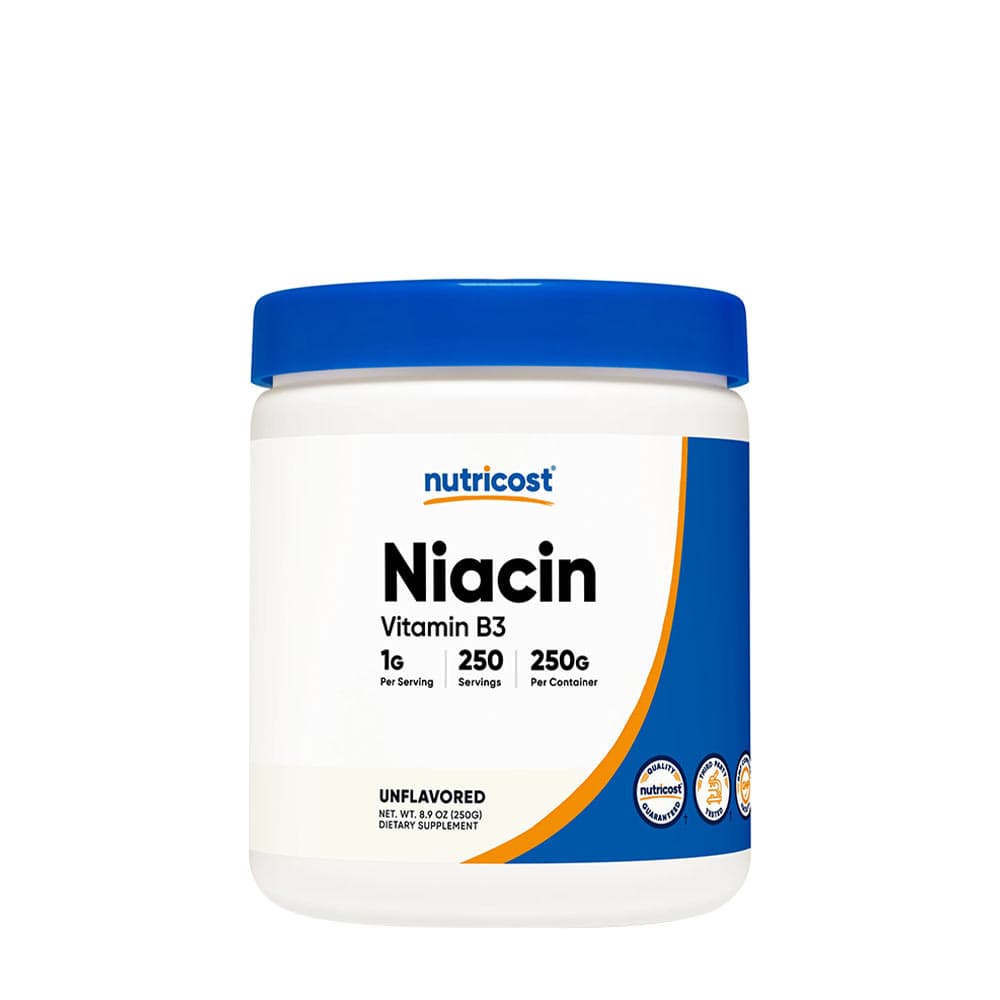
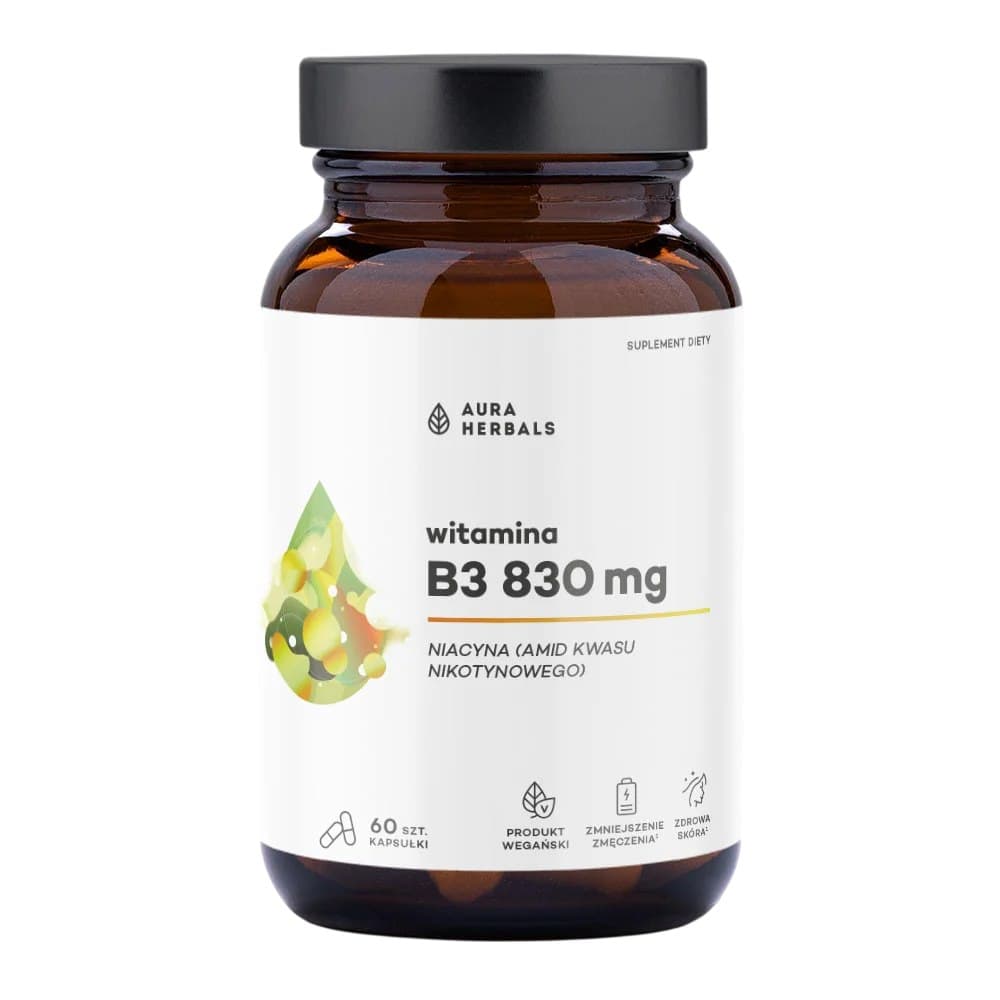
In addition to these food sources, niacin can also be taken as a supplement. It is important to choose the right form depending on individual needs and possible side effects.
Side effects and warnings
Despite its benefits, niacin can cause side effects, especially at higher doses. Common side effects include:
- Flush (redness and warmth of the skin)
- Itching
- Stomach pain
- Nausea
High doses of niacin can also affect the liver and cause serious liver problems. Therefore, it is important not to exceed the recommended dose without medical supervision.
Frequently asked questions
What is the difference between niacin and niacinamide?
Niacin often causes skin redness (flush), whereas niacinamide does not cause this effect. Both forms have different health benefits and are used in different contexts.
Can I get enough niacin from my diet?
Yes, most people can obtain sufficient amounts of niacin through a balanced diet that includes meat, fish, whole grains, and legumes.
Is niacin safe to take as a supplement?
Niacin can be safe at recommended doses but should always be taken under medical supervision, especially at higher doses intended to affect cholesterol levels.