Piperine
Piperine is the active substance in black pepper. It dramatically increases the bioavailability of other nutrients — up to 2000% for curcumin.
What is Piperine?
Piperine is the active compound found in black pepper (Piper nigrum) and is responsible for the characteristic flavour and heat of this popular spice. Beyond flavouring our dishes, piperine has also been shown to have significant health benefits, primarily through its ability to enhance the bioavailability of other nutrients.
How does it work in the body?
Piperine acts by influencing various biochemical processes in the body. When absorbed, piperine inhibits certain enzymes responsible for the breakdown of nutrients. This results in more nutrients being absorbed in the gastrointestinal tract, thereby increasing their effectiveness.
Scientific benefits
Several scientific studies have investigated the potential benefits of piperine:
- Increased bioavailability of curcumin: One of the most well-known benefits of piperine is its ability to enhance the absorption of curcumin, the active component in turmeric. According to a study published in the Journal of Natural Products, piperine can increase the bioavailability of curcumin by up to 2000%.
Dosage and recommendations
There is no established recommended dose for piperine, but typical doses in supplements usually range from 5 to 20 mg per day. It is important to note that piperine can interact with certain medications, so it is always best to consult a healthcare professional before starting supplements containing piperine, especially if you are taking other medicines.
Best sources and forms
Piperine is primarily found in black pepper, but it is also available as a dietary supplement in the form of capsules, tablets, and powder. For those wishing to increase their piperine intake through diet, the most effective way is to use black pepper as a spice in cooking. It can also be combined with curcumin-rich foods to maximise its benefits.
Side effects and warnings
Piperine is generally considered safe in the amounts found in regular food. However, at higher doses it may cause side effects such as:
- Gastrointestinal discomfort
- Nausea
- Allergic reactions in sensitive individuals
It is also important to be aware that piperine can affect the metabolism of certain medications, potentially leading to unwanted effects. Always consult a healthcare professional before taking piperine as a supplement, especially if you have underlying health conditions or are on medication.
Frequently asked questions
What is piperine good for?
Can piperine cause side effects?
Yes, at higher doses piperine can cause gastrointestinal discomfort, nausea, and allergic reactions in sensitive individuals.
How much piperine should I take?
Common doses of piperine in supplements range from 5 to 20 mg per day, but it is important to consult a healthcare professional before starting.
Can I get piperine from food?
Yes, piperine naturally occurs in black pepper, so using black pepper in cooking is a good way to increase your intake.
Can piperine interact with medications?
Yes, piperine can affect the metabolism of certain medications, so it is important to consult a healthcare professional before taking piperine as a supplement.
Products containing Piperine
Show all 34 →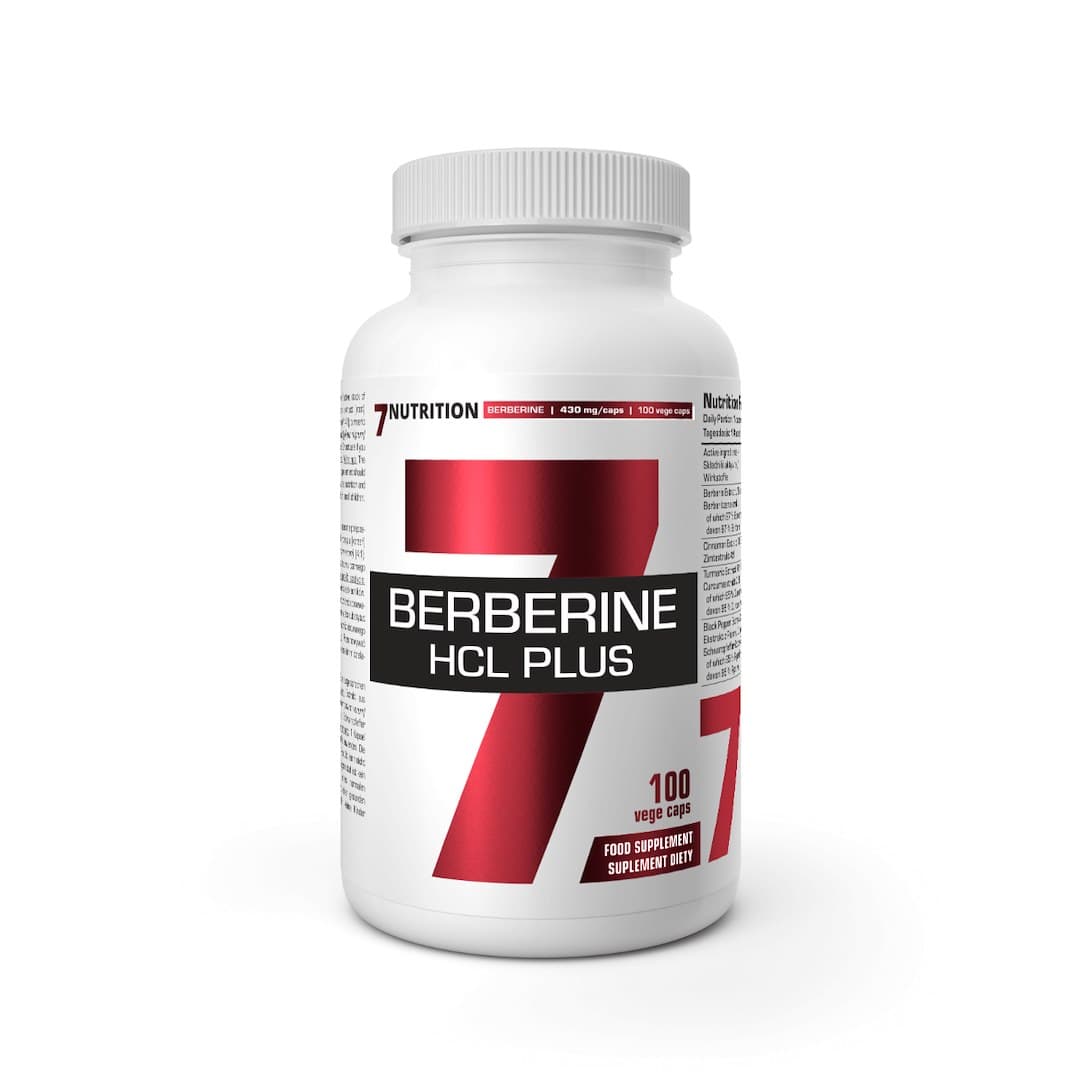
7 Nutrition - Berberine HCL Plus - 100 Vegi Caps - 100 vcaps

ActivLab - Curcuma Caps - 60 Caps

Aura Herbals - Opc 95% Grape Seed Extract - 50 Caps

Aura Herbals - Turmeric C3 Complex + Piperine - 60 Caps

Biowen - Bacopa Monnieri - 90 Caps

Body Attack LIPO 100 HARDCORE - 60 Caps
Related entries
Turmeric
Gurkmeja – definition and facts in our glossary. Curcumin is the active compound in turmeric (Curcuma longa).
Turmeric
Gurkmeja – definition and facts in our glossary.
Bioavailability
The proportion of a nutrient that is actually absorbed and can be used by the body. A crucial factor when choosing supplement forms.
BioPerine
Information about BioPerine will be updated shortly.