PQQ
PQQ – definition and facts in our glossary. Pyrroloquinoline quinone 2D a cofactor that stimulates mitochondrial biogenesis (formation of new mitochondria).
What is PQQ?
Pyrroloquinoline quinone, often abbreviated as PQQ, is a relatively newly discovered cofactor with a range of interesting properties. It is an antioxidant that plays an important role in mitochondrial function, making it a potentially valuable component in the fight against ageing and fatigue.
How does it work in the body?
PQQ primarily functions as a cofactor for various enzymatic reactions involving energy conversion and cellular metabolism. One of PQQ's most significant functions is its ability to stimulate mitochondrial biogenesis, which is the process by which new mitochondria are formed within cells.
Scientific benefits
Several studies have investigated the effects of PQQ on health and wellbeing. Here are some of the most prominent benefits that have been documented:
- Improved cognitive function: Some studies have shown that PQQ may have positive effects on cognitive functions, which can be particularly important for older individuals.
Dosage and recommendations
The recommended dose of PQQ varies depending on individual needs and health conditions. Typically, the dosage ranges between 10-20 mg per day for adults. It is important to consult a doctor or dietitian before starting a PQQ supplement, especially if you have underlying health issues or are taking other medications.
Best sources and forms
PQQ is found in several foods, although the levels can be quite low. Some of the best natural sources include:
- Green vegetables such as spinach and broccoli
- Soybeans and other legumes
- Dairy products
- Eggs
- Fruits such as kiwi and papaya
PQQ can also be taken as a dietary supplement in the form of tablets or capsules. Always choose products from reputable manufacturers to ensure quality and purity.
Side effects and warnings
PQQ is generally considered safe when taken at recommended doses. However, some individuals may experience mild side effects, such as:
- Nausea
- Headache
- Stomach pain
It is important to be aware that more research is needed to fully understand the long-term effects of PQQ supplementation. Pregnant and breastfeeding women, as well as individuals with specific medical conditions, should avoid PQQ or consult a doctor before using it.
Frequently asked questions
What is the difference between PQQ and other antioxidants?
Is PQQ safe for long-term use?
Research on the long-term use of PQQ is still limited, and it is always best to consult a healthcare provider before starting any new supplement regimen.
Can I get PQQ from my diet?
Yes, PQQ is found in several foods, including green vegetables, legumes, and certain fruits, but in relatively small amounts. Supplements may be an option for those wishing to increase their intake.
What symptoms might indicate a PQQ deficiency?
There are no specific symptoms directly linked to PQQ deficiency, but a lack of general antioxidants and energy-related components can lead to fatigue and impaired cognitive function.
Products containing PQQ
Show all 10 →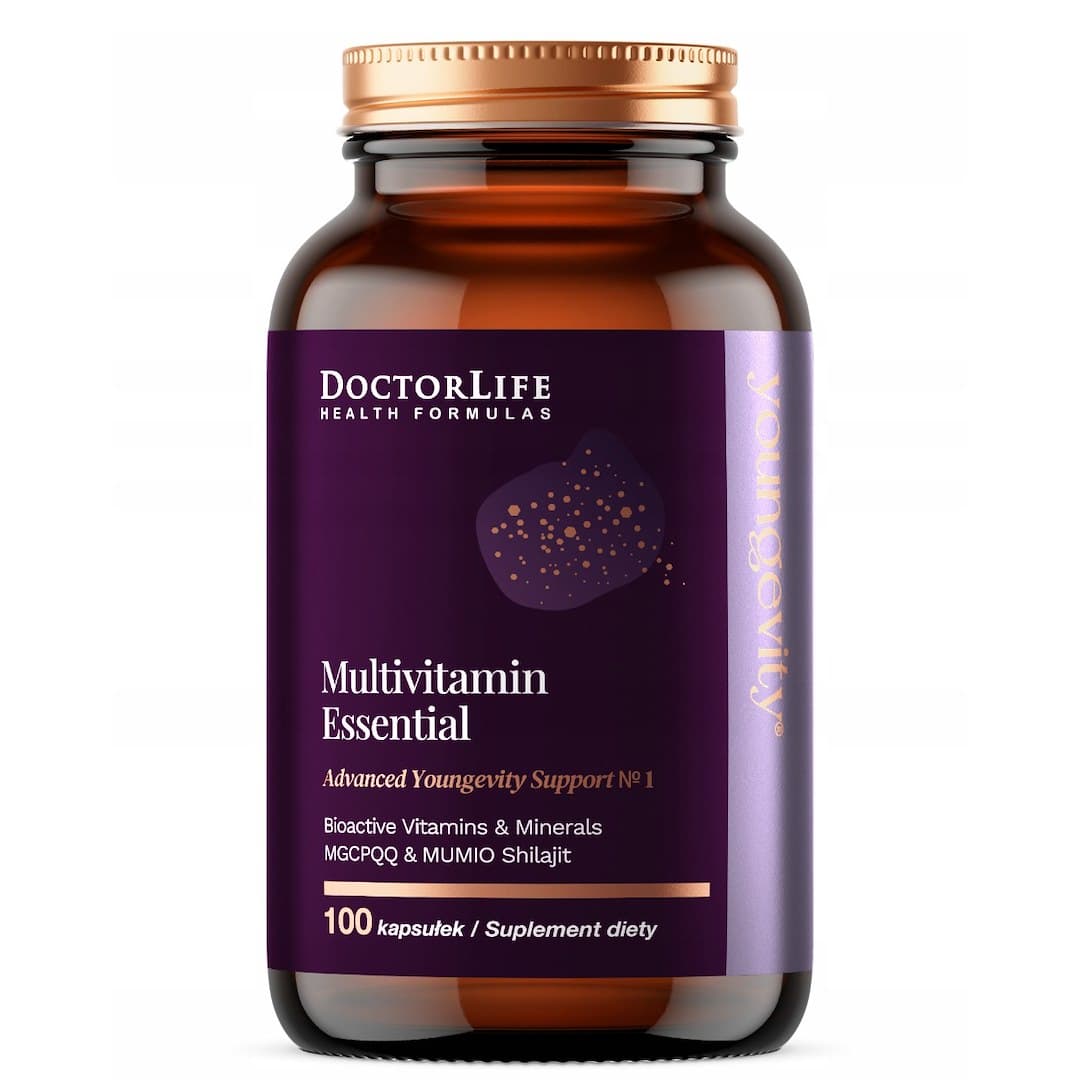
Doctor Life - Multivitamin Essential - 100 Caps

Doctor's Best - PQQ With Biopqq - 30 Vcaps

Life Extension - Mitochondrial Basics With PQQ - 30 Vcaps
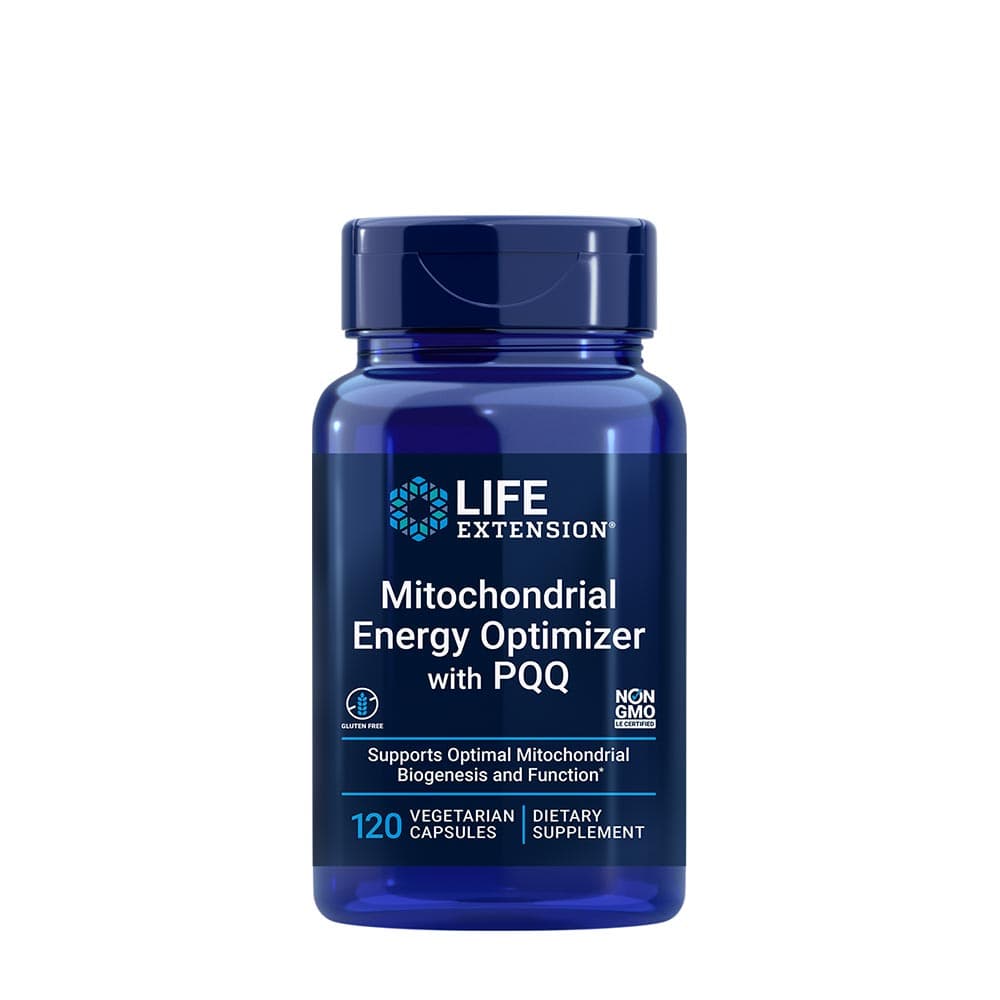
Life Extension - Mitochondrial Energy Optimizer with PQQ 120 Vcaps
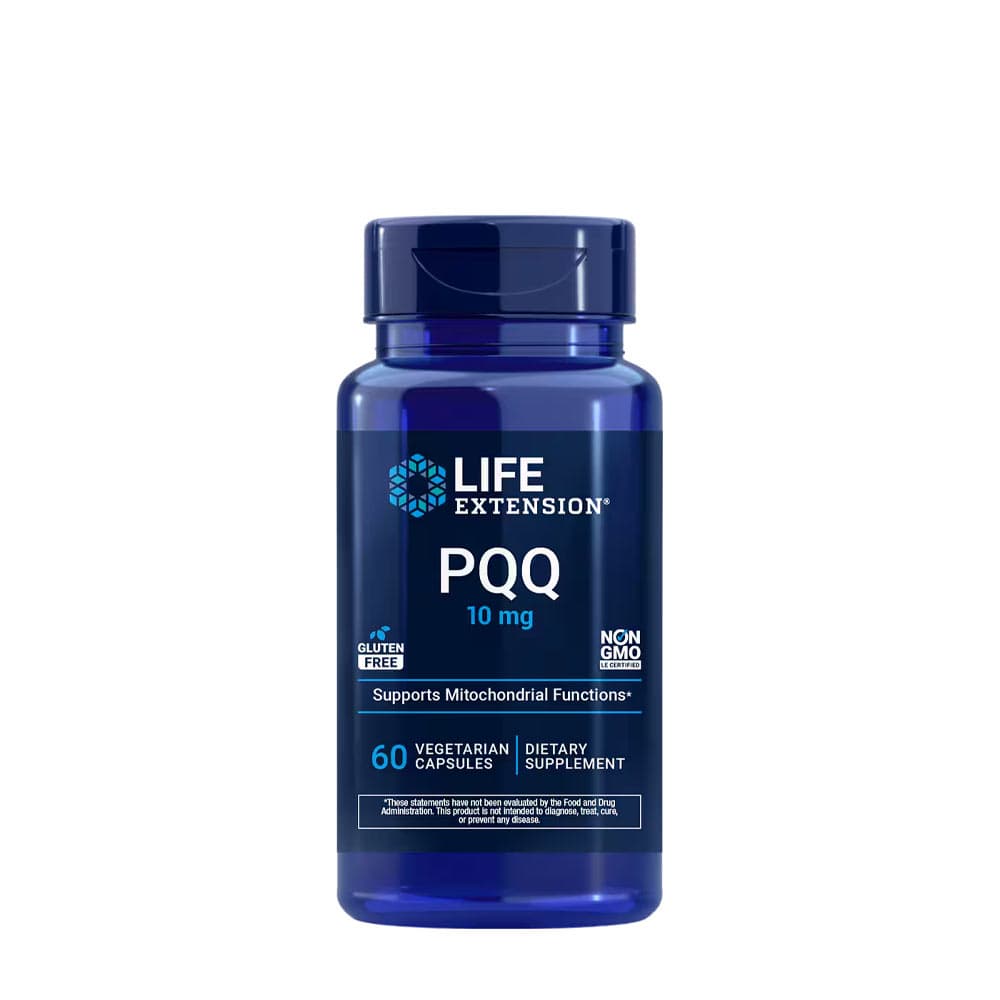
Life Extension - PQQ Caps - 10mg