Probiotics
Probiotika – definition and facts in our glossary. Probiotics are live microorganisms (bacteria and yeast) that provide health benefits when consumed in adequate amounts.
What are probiotics?
Probiotics are defined by the WHO as "live microorganisms which, when administered in adequate amounts, confer a health benefit on the host". These are specific strains of bacteria and yeast naturally found in a healthy gut.
How do probiotics work?
The gut flora (microbiome) consists of trillions of microorganisms that play a central role in health. Probiotics work by:
- Competing against harmful bacteria 2d Probiotic bacteria compete for space and nutrients, reducing room for pathogens.
- Producing vitamins and short-chain fatty acids 2d Probiotic bacteria produce, among other things, vitamin K, B12 and butyrate.
Common probiotic strains
- Lactobacillus acidophilus 2d One of the most studied strains.
- Common in dairy products.
Scientifically supported benefits
IBS and digestive issues
Antibiotic-associated diarrhoea
Regular intake of probiotics has been linked to fewer and shorter colds, especially during the winter months.
Dosage
Probiotics are measured in CFU (colony forming units). Recommendations vary:
- General gut health: 1-10 billion CFU per day
- After antibiotics: 10-20 billion CFU per day
- IBS: 10-50 billion CFU per day
Prebiotics vs probiotics
Prebiotics are fibres that cannot be broken down by human enzymes but serve as food for the beneficial gut bacteria. Examples include inulin, FOS and resistant starch. Combining probiotics with prebiotics (synbiotics) can yield better results.
Products containing Probiotics
Show all 31 →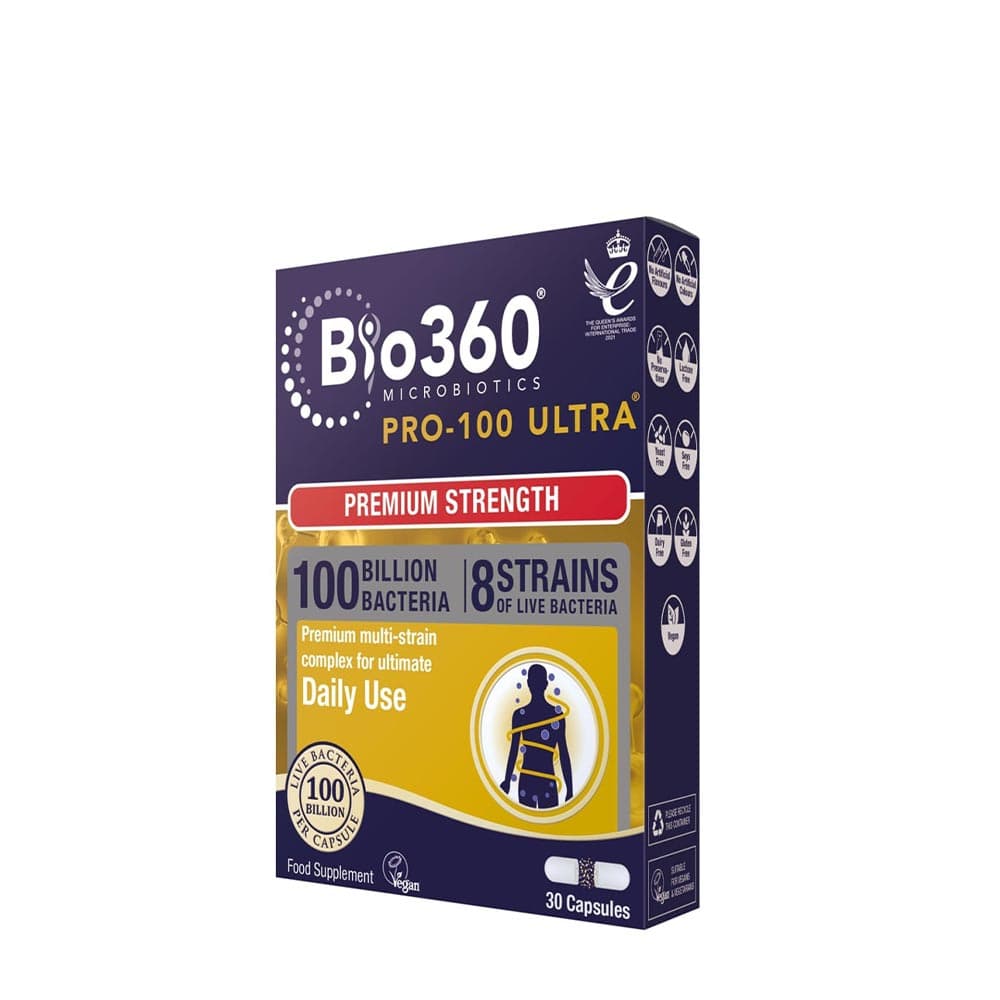
Bio360 - Natures Aid - Pro-100 Ultra - 100 Billion Bacteria - 30 Caps
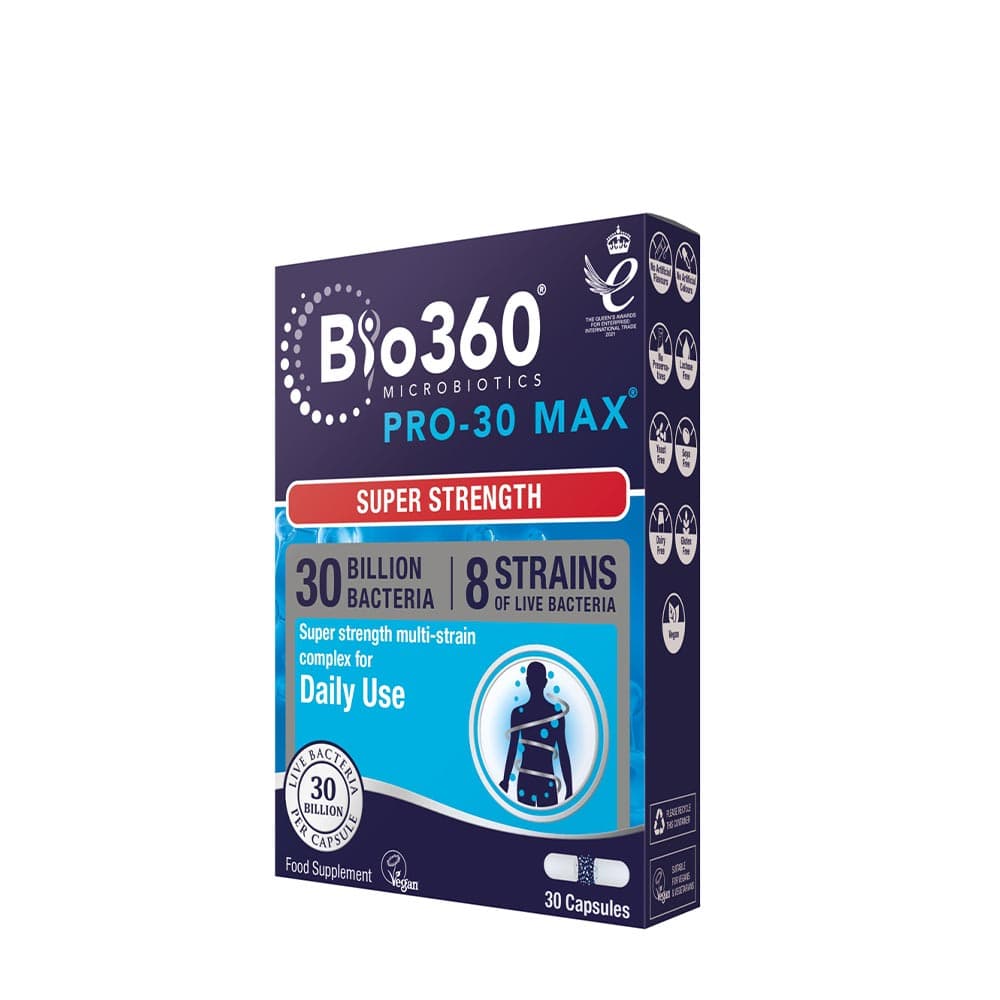
Bio360 - Natures Aid - Pro-30 Max (30 Billion Bacteria) - 30 Caps

CaliVita AC-Zymes Plus - 60 Capsules

CaliVita Probio Balance - 60 Chewable Tablets

Codeage - Men's Fermented Multivitamin+