Psyllium
Psyllium – definition and facts in our glossary. Soluble fibre from Plantago ovata.
What is Psyllium?
Psyllium is a type of soluble fibre extracted from the seeds of the plant Plantago ovata, which primarily grows in India and other parts of Asia.
How does it work in the body?
Psyllium works by absorbing water in the intestine and forming a gel. This increases the volume of the stool and makes it softer and easier to pass. Additionally, psyllium can affect how the body manages cholesterol and blood sugar.
Scientific benefits
Several studies have shown that psyllium may have positive health effects:
Dosage and recommendations
The recommended dosage of psyllium varies depending on the individual's needs and health condition. Generally, a dose between 5-10 grams of psyllium per day is recommended, divided into several intakes. It is important to drink plenty of water when taking psyllium, as it can absorb liquid and cause blockage in the intestine if not accompanied by sufficient fluid.
Best sources and forms
Psyllium is available in several forms, including:
- Psyllium husk: The most concentrated form of psyllium, rich in soluble fibres.
- Psyllium powder: A popular supplement that is easy to mix into water or smoothies.
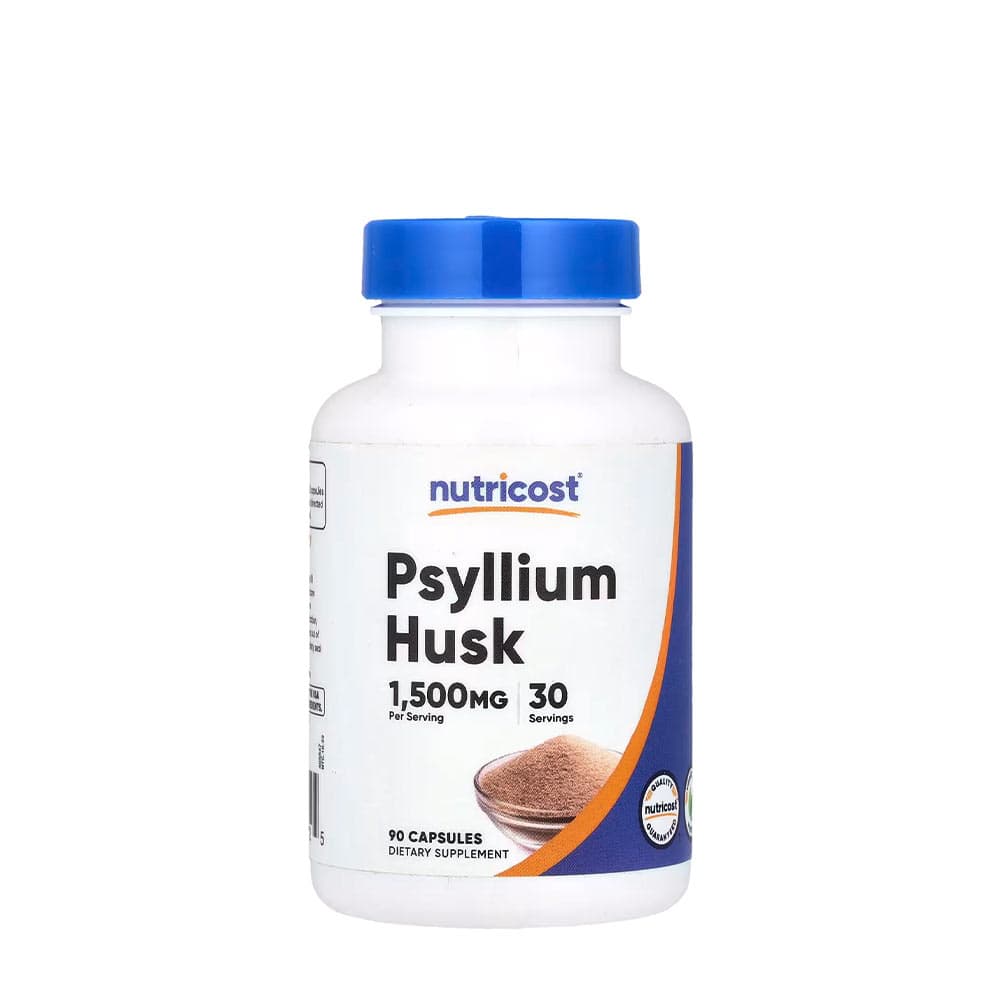
- Psyllium capsules: For those who prefer to take supplements in capsule or tablet form.
It is important to choose high-quality psyllium products without additives and fillers.
Side effects and warnings
Although psyllium is generally considered safe, some people may experience side effects, including:
- Digestive discomfort such as gas, bloating, or stomach pain.
- Allergic reactions, although this is rare.
It is important to consult a doctor before starting psyllium, especially if you have a history of intestinal problems or if you are taking medications that may be affected by fibres.
Frequently asked questions
However, it is important to combine it with a balanced diet and physical activity for best results.
Can psyllium cause allergic reactions?
Although uncommon, some people may experience allergic reactions to psyllium. If you have a known allergy to plants in the Plantago family, you should avoid psyllium.
How quickly does psyllium work?
The effects of psyllium can vary depending on the individual's body and diet. Usually, it can take 12 to 72 hours for psyllium to affect bowel movements after ingestion.
Can I take psyllium every day?
Yes, many people take psyllium daily as part of their diet to support gut health. However, it is important to follow dosage instructions and drink enough water.
Is psyllium safe during pregnancy?
There is limited research on the safety of psyllium during pregnancy. It is best to consult a doctor before starting psyllium if you are pregnant or breastfeeding.
Products containing Psyllium
Show all 13 →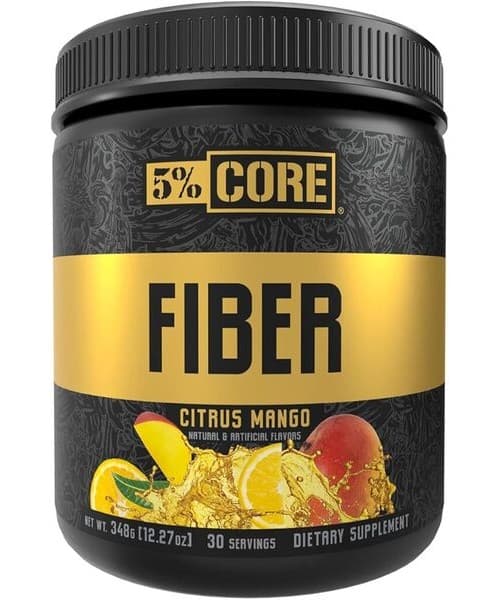

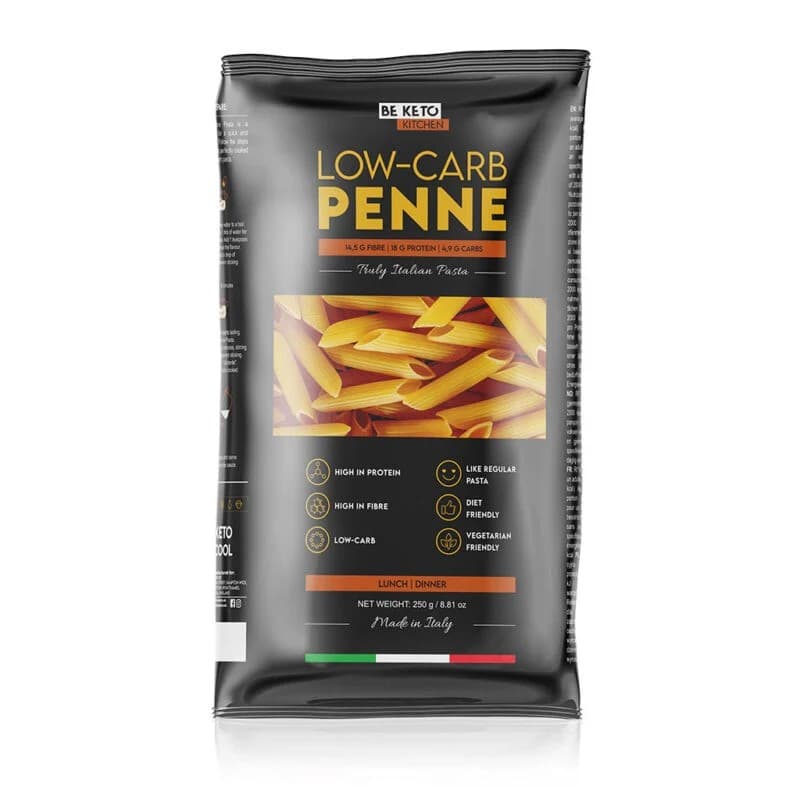
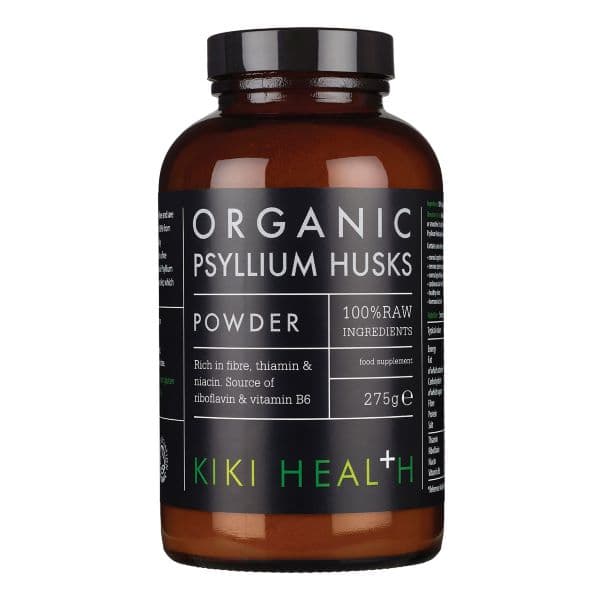
Related entries
Fibre
Information about Fibre will be updated shortly.
Cholesterol
Cholesterol is a fat-like substance the body needs for cell membranes, hormones, and bile salts. LDL ("bad") and HDL ("good") cholesterol have different roles.
Prebiotics
Non-digestible fibres that nourish beneficial gut bacteria. Stimulate growth of bifidobacteria and lactobacilli.