Rhodiola Rosea
Rhodiola Rosea – definition and facts in our glossary. Adaptogen that grows in arctic climates.
What is Rhodiola Rosea?
Rhodiola Rosea, also known as roseroot, is an adaptogenic plant that primarily grows in arctic and subarctic climates. It has been used in traditional medicine for centuries, especially in Russia and Scandinavia, for its purported health benefits.
How does it work in the body?
Rhodiola Rosea works by affecting several biological systems in the body. It contains various active compounds, including rosavin, rosarin, and salidroside, which are believed to have an adaptogenic effect. These compounds help stabilise cellular function under stress and may also influence neurotransmitters such as serotonin and dopamine.
Scientific benefits
Several studies have investigated the effects of Rhodiola Rosea. Here are some of the most notable findings:
Dosage and recommendations
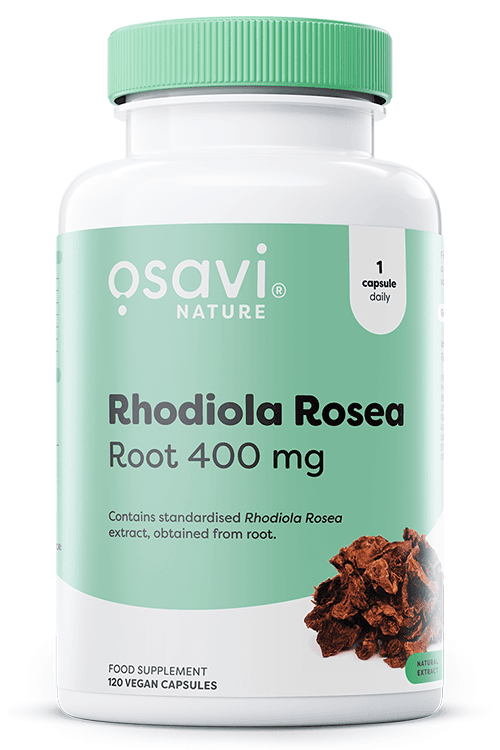
The recommended dose of Rhodiola Rosea varies depending on the individual's needs and the specific product. Generally, the dosage ranges between 200 mg and 600 mg per day. It is also best to take Rhodiola in the morning or early in the day to avoid sleep disturbances.
Best sources and forms
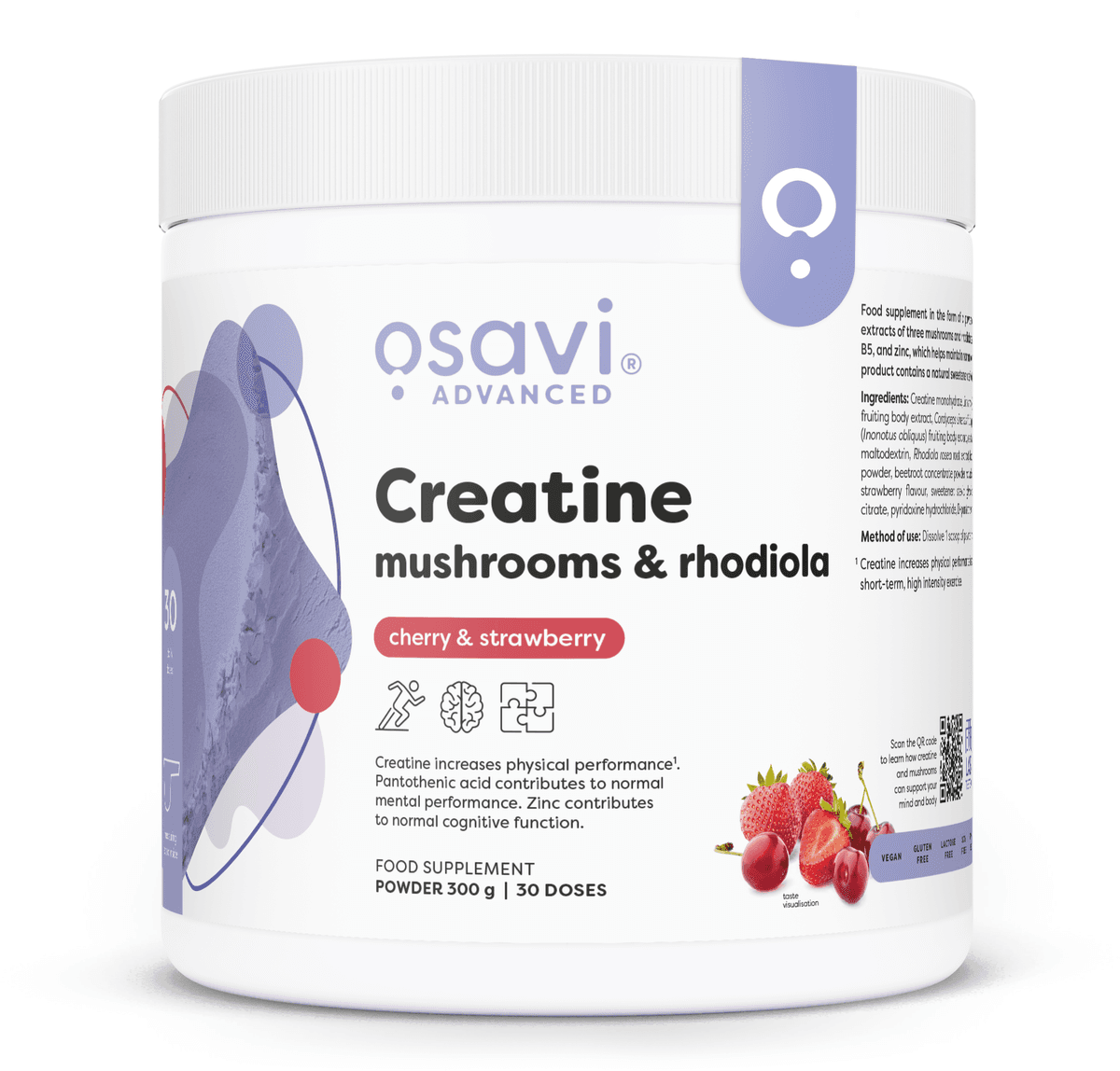
Rhodiola Rosea is available in several forms, including capsules, tablets, powders, and tinctures. When choosing a product, ensure it is of high quality and contains a standardised amount of active compounds. It is also important to purchase from reliable sources to guarantee purity and efficacy.
Side effects and warnings
Rhodiola Rosea is generally considered safe for most people when taken at recommended doses. However, some may experience side effects such as:
- Nausea
- Dizziness
- Sleep disturbances
It is always advisable to consult a doctor before starting new supplements, especially if you have underlying health conditions or are taking other medications.
Frequently asked questions
What are the main benefits of Rhodiola Rosea?
Is Rhodiola Rosea safe to take daily?
Yes, Rhodiola Rosea is considered safe for most people when taken at recommended doses, but it is always best to consult a doctor.
Can Rhodiola help with anxiety and depression?
How long does it take to notice the effects of Rhodiola?
Effects may vary, but many people report beginning to feel benefits within a week of starting Rhodiola.
Are there any interactions with other medications?
Yes, Rhodiola can interact with certain medications, especially those affecting serotonin levels. It is important to consult a doctor before use.
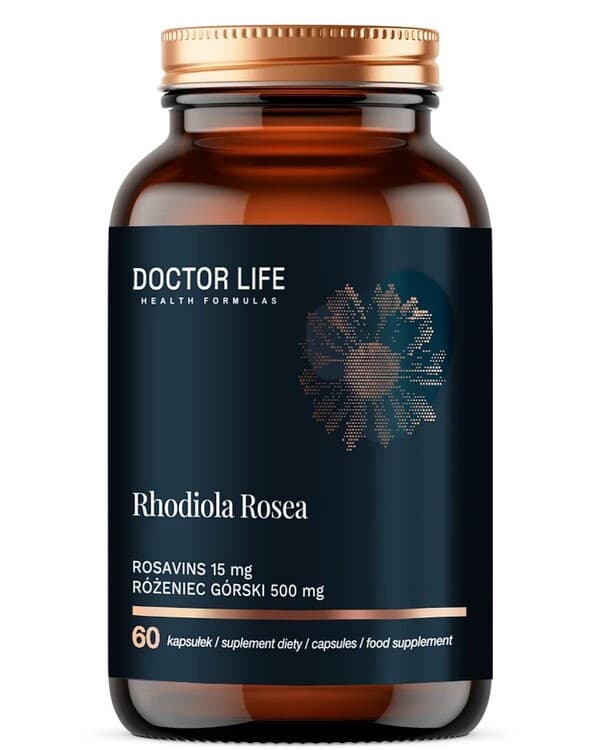
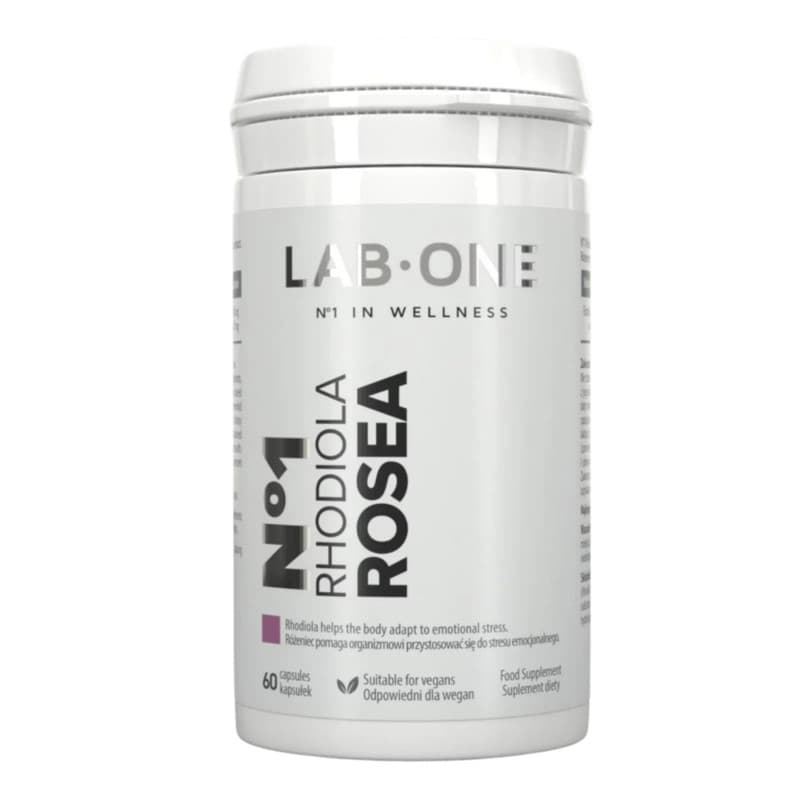
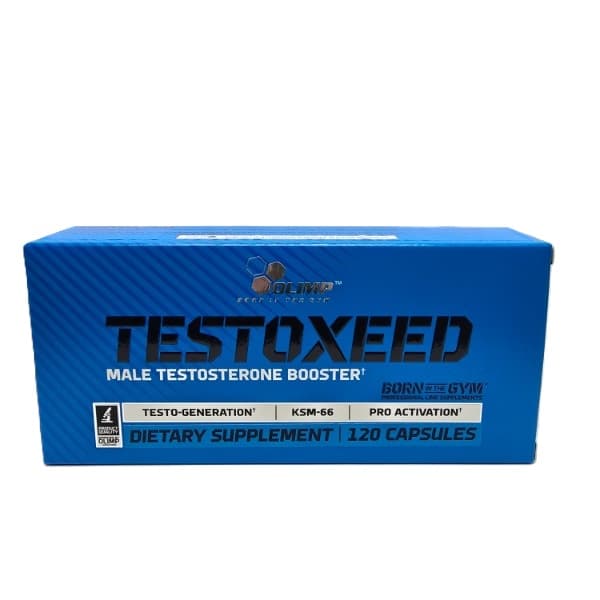
Products containing Rhodiola Rosea
Show all 14 →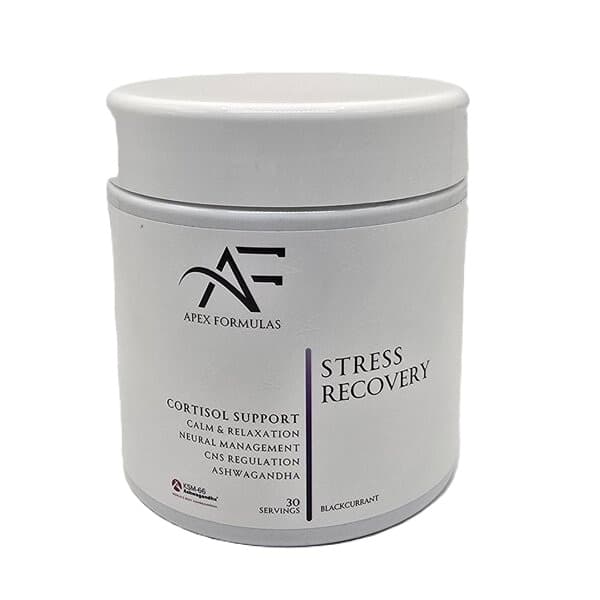
Related entries
Ashwagandha
Ashwagandha (Withania somnifera) is an adaptogenic herb used in Ayurvedic medicine for over 3000 years.
Eleuthero
Eleuthero – definition and facts in our glossary.
Schisandra
Schisandra – definition and facts in our glossary. Known as the "five-flavour berry".
Adaptogens
Natural substances that help the body adapt to stress by modulating the HPA axis and cortisol levels.