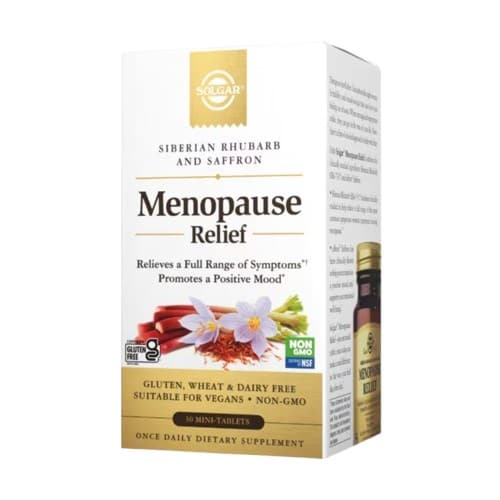
Saffron
Saffron (Crocus sativus) has shown antidepressant effects comparable to SSRI medications in clinical studies. The active compounds are crocin and safranal.
What is Saffron?
Saffron, or Crocus sativus, is a spice derived from the flower of the same name. It has been used for thousands of years, both as a flavour enhancer in cooking and for its potential health benefits. Saffron is known for its deep, golden colour and distinctive flavour, making it one of the most expensive spices in the world. The active compounds in saffron, crocin and safranal, have been shown to have a range of positive health effects, including antidepressant properties.
How does it work in the body?
Through these mechanisms, saffron may help support mental health and wellbeing.
Scientific benefits
Several clinical studies have investigated saffron27s effects on mental health. A 2020 meta-analysis published in the Journal of Integrative Medicine concluded that saffron demonstrated an antidepressant effect comparable to SSRI medications. These findings suggest that saffron may be a promising alternative for those seeking natural methods to manage depression.
Dosage and recommendations
The recommended dose of saffron varies depending on the purpose, but typically ranges between 30 mg and 200 mg per day. It is important to consult a healthcare provider before starting saffron as a supplement, especially if you are already taking medications or have underlying health conditions.
Best sources and forms
Saffron is available in several forms, including whole stigmas, powder, and extracts. When purchasing saffron, be sure to choose high-quality products from reliable sources to ensure purity and efficacy. It is also good to be aware that saffron can be mixed with other ingredients, so always check the label carefully.
Side effects and warnings
Generally, saffron is considered safe when used in moderate amounts. However, in high doses it can cause side effects such as nausea, vomiting, and diarrhoea. Pregnant women should avoid large amounts of saffron as it may stimulate the uterus. If you experience any unusual symptoms after using saffron, you should consult a doctor immediately.
Frequently asked questions
Is saffron good for depression?
Yes, several studies have shown that saffron may have antidepressant effects and can be an alternative to traditional medications.
Can saffron be used in cooking?
Yes, saffron is often used as a spice in cooking to add flavour and colour, especially in dishes like paella and risotto.
Are there any side effects of saffron?
In moderate amounts, saffron is safe, but high doses can cause nausea and other digestive issues. Pregnant women should be cautious with intake.
How much saffron should I take?
The recommended dose usually ranges between 30 mg and 200 mg per day, but it is always advisable to consult a doctor first.
Where can I buy saffron?
Saffron can be purchased in grocery stores, health food shops, and online. Make sure to choose high-quality products for the best results.