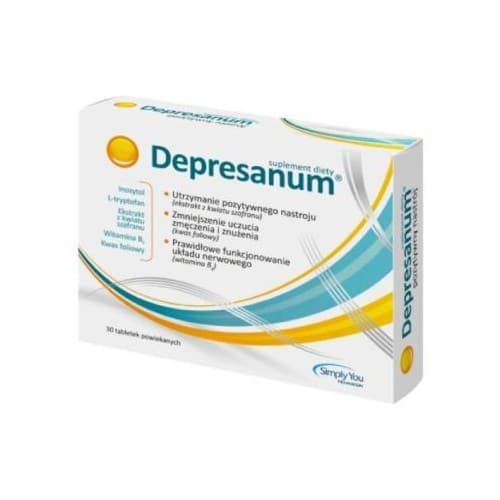
Saffron Extract
Saffron consists of the stigmas from the crocus Crocus sativus. Standardised extracts are usually specified by the content of crocin and safranal, and the raw material is one of the most expensive in the world — making authenticity verification a central issue.
What saffron is
Saffron consists of the dried stigmas from the flower Crocus sativus. Each flower has three stigmas, which are hand-picked. The high cost is due to the labour-intensive harvesting: approximately one hundred fifty thousand flowers are needed for one kilogram of dried saffron.
The three components that are measured
The standardisation of saffron extract is usually based on three compounds:
- Crocin — the carotenoid glycoside responsible for the colour.
- Safranal — the volatile compound that provides the aroma.
- Picrocrocin — the glycoside behind the bitter taste.
An extract labelled as standardised should specify which of these compounds are measured and at what concentration. If this information is missing, "standardised" in practice means nothing.
Counterfeiting is a real problem
Since the raw material is so expensive, saffron is among the most frequently adulterated foods. Common adulterants include safflower, turmeric, coloured plant fibres, and markings from other crocus species. The same issues apply to extracts, and analytical methods capable of distinguishing genuine Crocus sativus from substitutes are an established part of quality control in the industry.
The state of research
Saffron extract is among the more studied plant extracts, with several randomised controlled trials published. The studies are generally small, and several have been conducted by groups linked to producers of standardised extracts — which is common in the field but worth noting when reading.
Regulation
There is no EU-approved health claim for saffron. Botanical health claims have long been in the EU register’s so-called on-hold category and may not be used as if they were approved.