Sage
Salvia – definition and facts in our glossary. Rosmarinic acid and carnosic acid.
What is Sage?
Sage, also known as Salvia officinalis, is a perennial plant belonging to the Lamiaceae family. It has been used for centuries in traditional medicine and as a culinary herb. Sage is known for its aromatic properties and is often used in teas, dietary supplements, and essential oils. This plant has a long history of use to enhance memory functions and alleviate menopausal symptoms.
How does it work in the body?
Sage acts through several mechanisms in the body.
Scientific benefits
Several studies have investigated the benefits of sage. Another study in Phytotherapy Research indicated that sage may have positive effects on menopausal symptoms such as hot flashes and mood swings. Its antioxidant properties have also been confirmed in several scientific articles, making it a promising candidate for counteracting age-related diseases.
Dosage and recommendations
The recommended dosage of sage varies depending on the form and purpose. For tea, 1-2 teaspoons of dried leaves per cup of hot water can be used. Regarding dietary supplements, it is important to follow the manufacturer's instructions. Generally, a daily dose of between 300 and 600 mg of sage extract is recommended to achieve positive effects. It is always wise to consult a doctor or nutrition specialist before starting new supplements.
Best sources and forms
Sage is available in several different forms, including:
- Dried leaves: Used to make tea or as a seasoning in cooking.
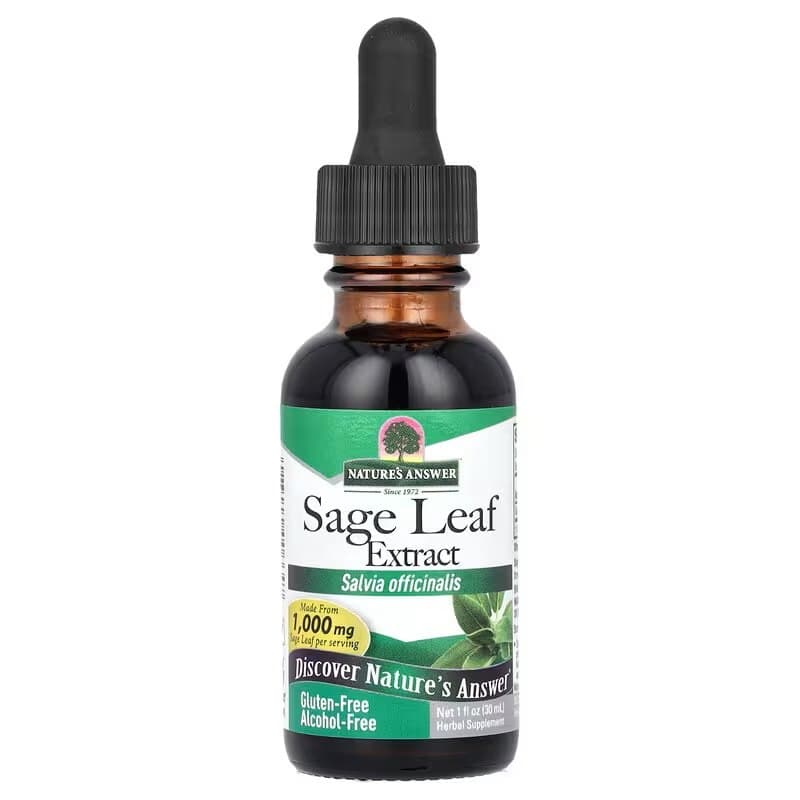
- Dietary supplements: Available in capsules, tablets, or liquid extracts.
- Essential oil: Used for aromatherapy and may have relaxing effects.
It is important to choose high-quality products from reliable sources to ensure purity and efficacy.
Side effects and warnings
Sage is generally considered safe when used in moderate amounts. However, some individuals may experience side effects such as:
- Gastrointestinal discomfort
- Allergic reactions
- Mood changes
People who are pregnant, breastfeeding, or have certain medical conditions should consult a doctor before using sage. Excessive consumption of sage can also lead to toxic effects, especially in the form of essential oil.
Frequently asked questions
Is sage good for memory?
Yes, several studies indicate that sage can help alleviate symptoms such as hot flashes and mood swings during menopause.
Are there any side effects of sage?
Although sage is safe for most people, some may experience gastrointestinal discomfort or allergic reactions. It is important to start with small doses.
How can I use sage in my diet?
Sage can be used as a seasoning in cooking, in tea, or as a dietary supplement in the form of capsules or liquid extracts.
Is it safe to take sage every day?
For most people, it is safe to take sage daily, but it is always good to consult a doctor, especially if you have underlying health issues.