Whey Protein
The most popular protein supplement. Fast-absorbing milk protein with a complete amino acid profile and high leucine content for muscle synthesis.
What is Whey Protein?
Whey protein is one of the most popular dietary supplements in sports and exercise. It is a fast-absorbing milk protein extracted from milk during the cheese-making process. Whey protein has a complete amino acid profile, meaning it contains all nine essential amino acids that the body needs to build and repair muscles. Additionally, whey protein has a high content of leucine, an amino acid that plays a crucial role in muscle synthesis.
How does it work in the body?
When you consume whey protein, it is rapidly broken down in the body and easily absorbed by the intestines. This fast absorption allows the amino acids to quickly reach the muscles, which is especially beneficial after exercise.
Scientific benefits
Several studies have demonstrated the positive effects of whey protein on muscle growth and recovery:
Dosage and recommendations
To maximise the benefits of whey protein, it is recommended to take 20-30 grams of protein after exercise. This may vary depending on the individual's weight and training intensity. It is also important to spread protein intake throughout the day to support muscle repair and growth. A common recommendation is to aim for 1.6 to 2.2 grams of protein per kilogram of body weight if you are active and train regularly.
Best sources and forms
Whey protein is available in several different forms, including:
- Whey protein concentrate: Contains 70-80% protein and is the most flavourful and nutrient-rich form.
- Whey protein isolate: Contains 90% or more protein and has lower fat and lactose content, making it suitable for those with lactose intolerance.
Side effects and warnings
Whey protein is generally safe for most people. However, some may experience side effects such as:
- Digestive issues, such as gas, bloating, or diarrhoea, especially in individuals with lactose intolerance.
- Allergic reactions in people with milk allergy.
It is always wise to consult a doctor or dietitian before starting a new supplement, especially if you have underlying health conditions.
Frequently asked questions
Can vegans use whey protein?
No, whey protein comes from milk and is therefore not suitable for vegans. However, there are plant-based alternatives that are rich in protein.
When is the best time to take whey protein?
The best time to take whey protein is within 30 minutes after exercise to maximise muscle recovery and growth.
Can I get enough protein from my diet without supplements?
Yes, it is possible to get enough protein through a balanced diet that includes meat, fish, eggs, dairy products, legumes, and nuts.
What are the long-term effects of taking whey protein?
Products containing Whey Protein
Show all 63 →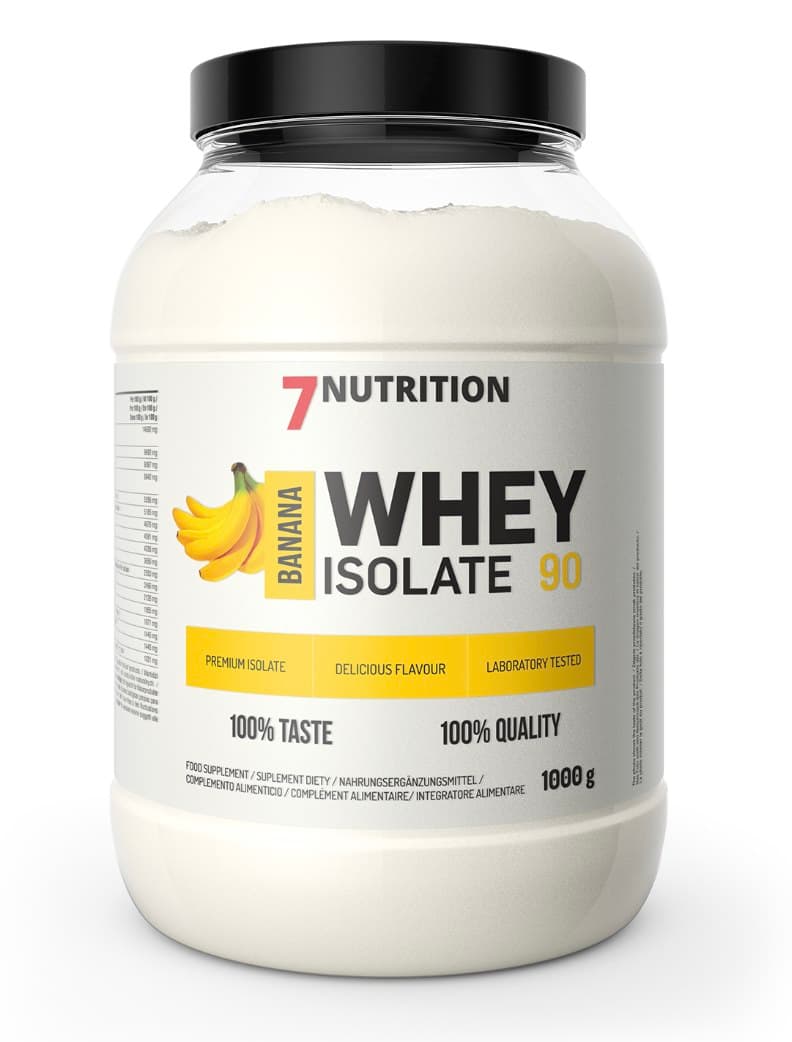
7 Nutrition - Whey Isolate 90

Activé - FiberShaker - Protein Fiber Shake

Addict Sport Nutrition (ADD) - Lean Gainer Armageddon

Allnutrition - Delicious Crunchee Milk Chocolate Cocoa Cream - 20 x 18g

Allnutrition - Fitking Delicious Chocolate - White Chocolate Coconut - 100g
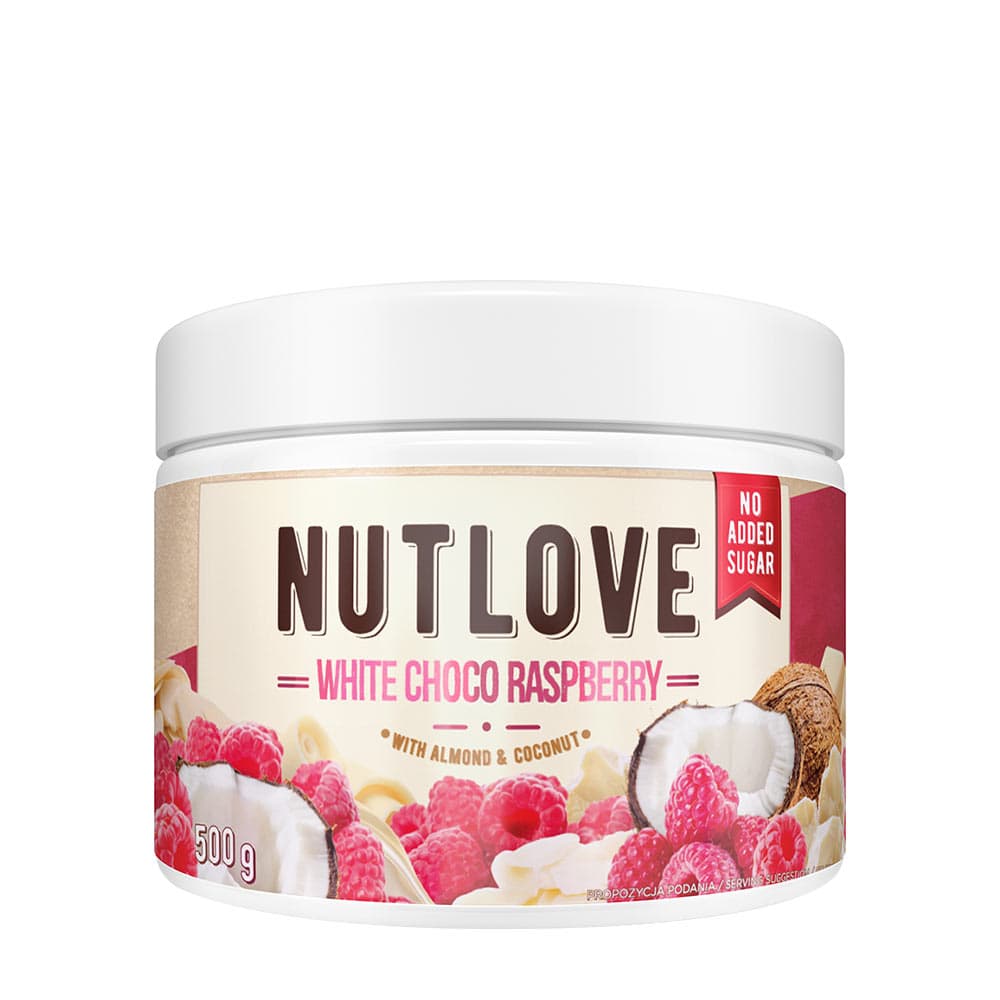
Allnutrition - Nutlove - Nut Butter
Related entries
Casein
Slow-absorbing milk protein that forms a gel in the stomach and provides a steady flow of amino acids for 5–7 hours. Ideal as a night-time protein.
Leucine
The most important amino acid for muscle protein synthesis. Activates the mTOR signalling pathway and acts as an "anabolic switch" for muscle building.
BCAA In-Depth
The three branched-chain amino acids leucine, isoleucine, and valine. Important signalling molecules but insufficient alone for complete muscle protein synthesis.