Zeaxanthin
Zeaxanthin is a carotenoid, a type of naturally occurring pigment found in certain vegetables and fruits.
What is Zeaxanthin?
Zeaxanthin is a carotenoid, a type of naturally occurring pigment found in certain vegetables and fruits. It is one of the two main xanthophylls responsible for the yellow and orange colours in many plants, with the other being lutein. Zeaxanthin is particularly abundant in green leafy vegetables, maize, and egg yolks. Its chemical structure resembles that of lutein, which is why they are often discussed together.
Relation to related compounds
Zeaxanthin and lutein are two related compounds within the carotenoid family. Both of these xanthophylls have similar chemical properties, but they differ slightly in their molecular structure and how they are metabolised in the body. This means they can have different functions and occur in different foods. Additionally, there are other carotenoids, such as beta-carotene, which are also known for their colouring properties but have a different chemical composition and function.
Forms in dietary supplements
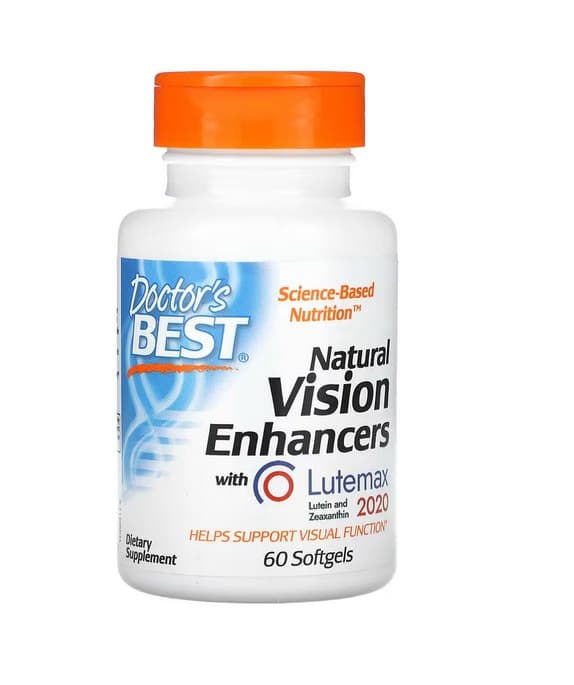
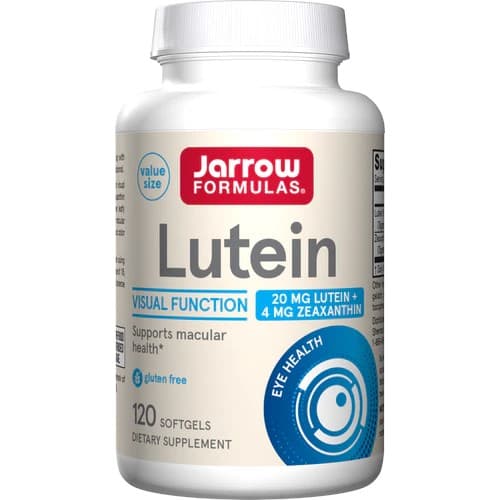
Zeaxanthin exists in several different forms in dietary supplements. The most common forms are capsules and tablets, but it can also be found in powder form and sublingual forms. Capsules and tablets are popular options as they are easy to swallow and dose. The powder can be used in smoothies or other drinks, while sublingual forms can be taken under the tongue for faster absorption. The choice of form often depends on personal preference and how one plans to include it in their diet.
What to typically see on the label
When looking at the label of dietary supplements containing zeaxanthin, it is important to be aware of the amount of zeaxanthin per serving. Typical doses can vary, but it is not uncommon to see products containing between 2 and 20 mg per capsule or tablet. The label should also specify any other ingredients, such as fillers or binders. It is also good to check whether the product is free from allergens and if it is third-party certified, which can provide extra assurance of quality.
Safety and precautions
Zeaxanthin is generally considered safe when consumed in normal amounts through the diet. There are no known serious side effects associated with zeaxanthin when taken at recommended doses. As with all dietary supplements, it is important to consult a doctor or other health professional before starting a new supplement, especially if you have underlying health conditions or are taking medications. It is also important to follow the dosing instructions on the label.
Brief link overview
More product data and information can be found in the ingredient hub.