Vitamin D Drops: What to Know, How to Choose, Safety
Short answer
Vitamin D drops can be a practical way to meet vitamin D needs, but the important details are the exact amount per serving, whether the product contains D2 or D3, and whether the dose fits the user’s age without exceeding the age-specific upper limit.
Quick facts
- Vitamin D supplements usually contain vitamin D2 or vitamin D3; both raise blood vitamin D, but D3 may raise it higher and for longer.
- U.S. intake targets are 10 mcg (400 IU) daily for birth to 12 months, 15 mcg (600 IU) for ages 1 to 70, and 20 mcg (800 IU) for adults over 70.
- Upper limits are age-specific and are not the same as recommended daily intakes.
- Very few foods naturally contain much vitamin D; fortified foods provide much of it in U.S. diets.
- Too much vitamin D from supplements can be harmful, so exact measurement matters.

What vitamin D drops are
Vitamin D drops are liquid dietary supplements. They can be useful for people who prefer a liquid and for situations where a small measured dose is easier to give. Vitamin D is a fat-soluble nutrient, and the two main supplemental forms are vitamin D2 (ergocalciferol) and vitamin D3 (cholecalciferol). Both forms raise vitamin D in the blood, but the NIH Office of Dietary Supplements (ODS) says D3 might raise levels higher and for longer than D2. ODS also notes that vitamin D is best absorbed when taken with a meal or snack that includes some fat. ODS consumer ODS health professional
How to choose vitamin D drops
The key comparison is the labeled amount of vitamin D per serving, not the product name alone. With drops, the serving may be defined as a certain number of drops or as a measured amount from a dropper, so it is important to follow the product’s own directions exactly. If you are comparing formulas, check whether the product contains D2 or D3 and whether the instructions match the age group using it. For infants, precise measurement matters: in February 2024, FDA posted a recall notice for one lot of Nordic Naturals Baby’s Vitamin D3 Liquid because it contained an elevated vitamin D3 dosage. ODS consumer FDA recall notice
Drops can help fill an intake gap, but they are not a substitute for food. ODS says very few foods naturally contain much vitamin D; fatty fish and fish liver oils are among the best natural sources, while fortified foods provide much of the vitamin D in U.S. diets. ODS consumer
U.S. intake targets
ODS lists 10 mcg (400 IU) per day from birth to 12 months, 15 mcg (600 IU) per day for ages 1 through 70, and 20 mcg (800 IU) per day for adults older than 70. These are intake targets, not product recommendations for every individual bottle. If vitamin D status needs to be checked, the blood test usually measures 25-hydroxyvitamin D. ODS consumer ODS health professional
Safety: targets are not the same as upper limits
Vitamin D can be harmful in excess, so do not confuse the recommended daily intake with the daily upper limit. ODS lists upper limits of 25 mcg (1,000 IU) for infants up to 6 months, 38 mcg (1,500 IU) for infants 7 to 12 months, 63 mcg (2,500 IU) for children 1 to 3 years, 75 mcg (3,000 IU) for children 4 to 8 years, and 100 mcg (4,000 IU) for children 9 to 18 years and for adults. ODS says these upper limits include vitamin D from food, beverages, and supplements. ODS consumer
According to ODS, too much vitamin D from supplements can cause very high vitamin D levels and problems such as nausea, vomiting, muscle weakness, confusion, dehydration, increased thirst, frequent urination, and kidney stones; severe cases can damage the kidneys. ODS also notes that vitamin D supplements can interact with some medicines, including orlistat, some steroids, some statins, and thiazide diuretics. ODS consumer
What the evidence does and does not show
The strongest established role for vitamin D is in calcium absorption and bone health. The ODS health professional fact sheet says major evidence reviews did not establish firm relationships for most health outcomes outside bone health. So vitamin D drops can be a practical way to meet intake goals, but they should not be treated as a cure-all, and the evidence base is about vitamin D status and intake generally rather than one drop format or brand. ODS health professional
Safety and precautions
Use vitamin D drops only by the product’s measured serving instructions. NIH ODS separates recommended intake from upper limits: the upper limits are 25 mcg (1,000 IU) for infants up to 6 months, 38 mcg (1,500 IU) for 7 to 12 months, 63 mcg (2,500 IU) for ages 1 to 3 years, 75 mcg (3,000 IU) for ages 4 to 8 years, and 100 mcg (4,000 IU) for ages 9 years and older. These limits include vitamin D from food, beverages, and supplements. ODS consumer
ODS says excess supplemental vitamin D can cause harmful symptoms and kidney complications, and some medicines can interact with vitamin D. For babies, exact measurement is especially important: FDA posted a recall notice on February 19, 2024 for one infant vitamin D3 liquid lot with elevated potency. ODS consumer FDA recall notice
Frequently asked questions
What is the difference between vitamin D2 and vitamin D3 drops?
Both forms can raise vitamin D levels in the blood, but NIH ODS says vitamin D3 may raise levels higher and for longer than vitamin D2.
How much vitamin D do people in the U.S. generally need each day?
NIH ODS lists 400 IU for birth to 12 months, 600 IU for ages 1 through 70, and 800 IU for adults older than 70.
Why does the amount per drop or dropper matter?
Because liquid products are measured by their own serving instructions, and different products can deliver different amounts in a serving. The labeled amount per serving is the number to compare.
Can vitamin D drops interact with medicines?
Yes. NIH ODS says vitamin D supplements can interact with some medicines, including orlistat, some steroids, some statins, and thiazide diuretics.
Sources
Read more
Products related to this article
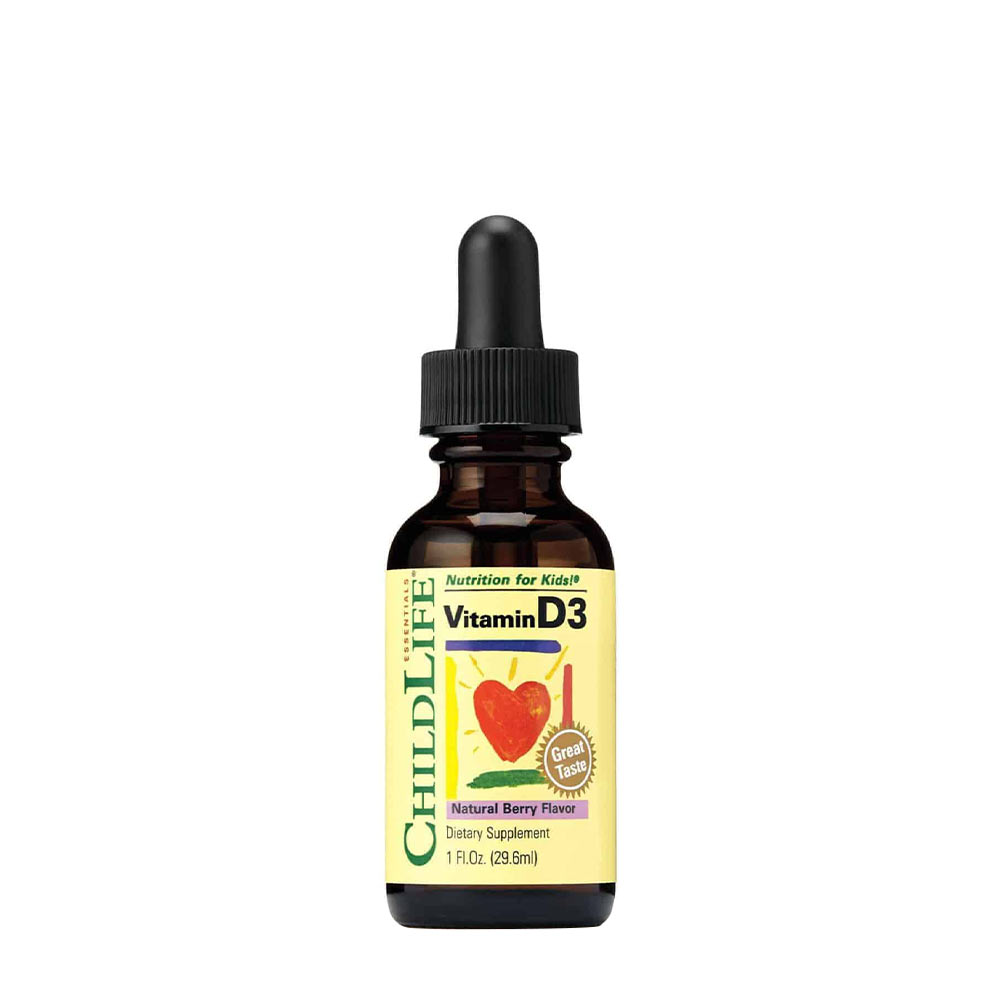
Child Life
Child Life - Vitamin D3 - 1 fl oz
124 krIn stockWhy is this shown? Innehåller alla ämnen artikeln handlar om · Renodlat tillskott — ämnet är huvudingrediens · I lager · Betyg 5.0 av 16 kunder
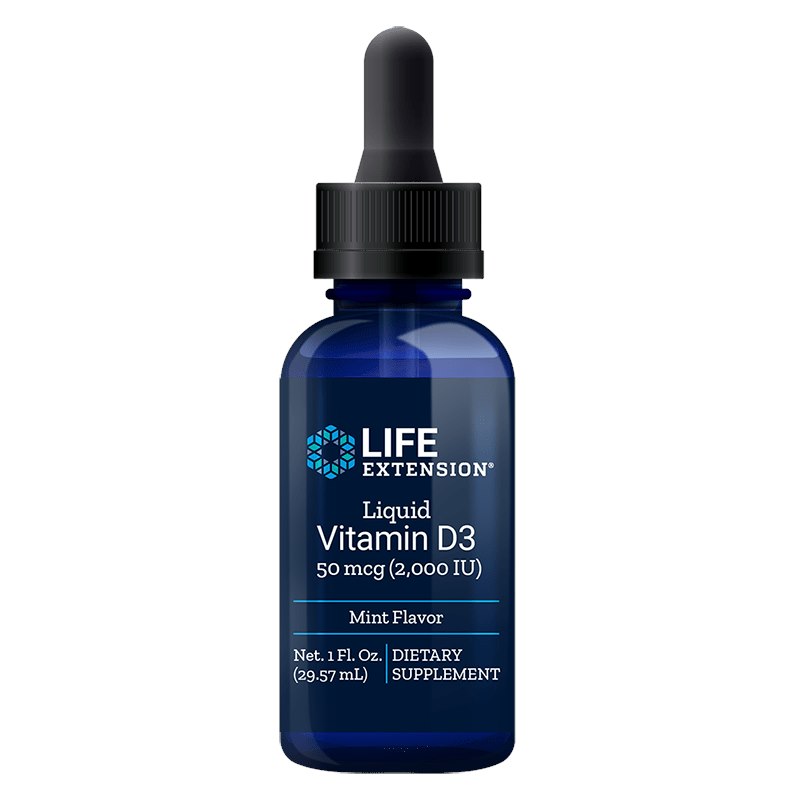
Life Extension
Life Extension - Liquid Vitamin D3 - 29.57ml
288 krIn stockWhy is this shown? Innehåller alla ämnen artikeln handlar om · Renodlat tillskott — ämnet är huvudingrediens · I lager · Betyg 5.0 av 13 kunder
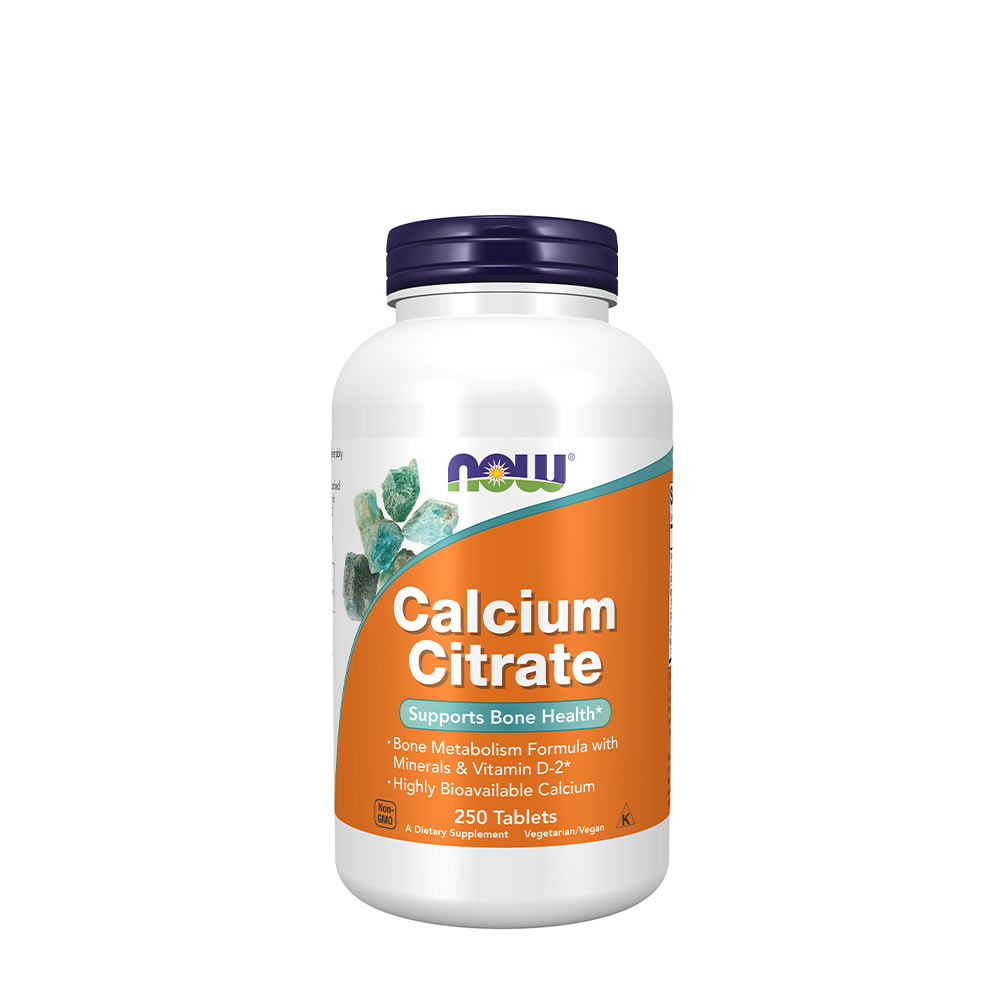
NOW Foods
NOW Foods - Calcium Citrate With Minerals & Vitamin D2 - 250 Tabs
447 krIn stockWhy is this shown? Innehåller alla ämnen artikeln handlar om · Renodlat tillskott — ämnet är huvudingrediens · I lager · Betyg 5.0 av 16 kunder
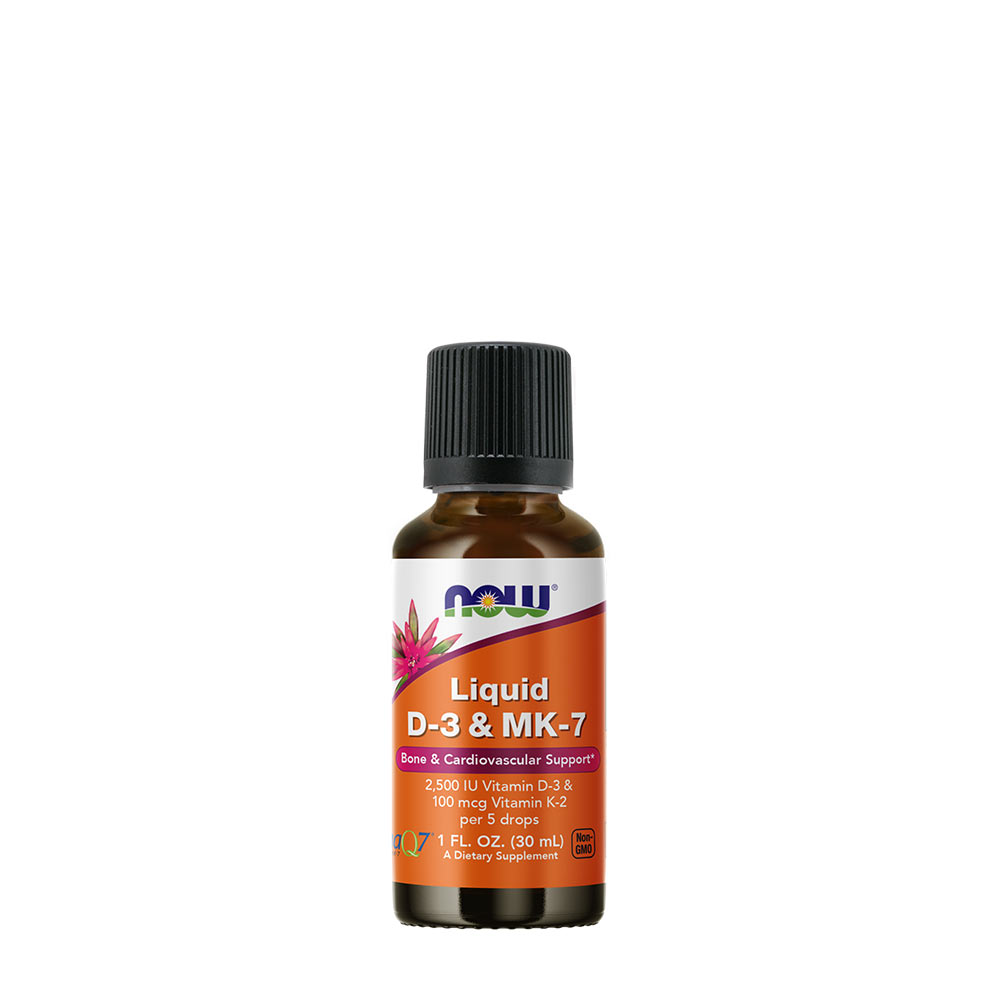
NOW Foods
NOW Foods - Liquid D-3 & MK-7 - 30ml
244 krIn stockWhy is this shown? Innehåller alla ämnen artikeln handlar om · Renodlat tillskott — ämnet är huvudingrediens · I lager · Betyg 5.0 av 16 kunder
Nutriversum
Nutriversum - Glucosamine Sulphate - 60 Caps
118 krIn stockWhy is this shown? Innehåller alla ämnen artikeln handlar om · Renodlat tillskott — ämnet är huvudingrediens · I lager