
NOW Foods: a thoughtful selection
Compare content, product form, and labelling in a varied range.
29 selected products


Our selection
Campaign products
29 products



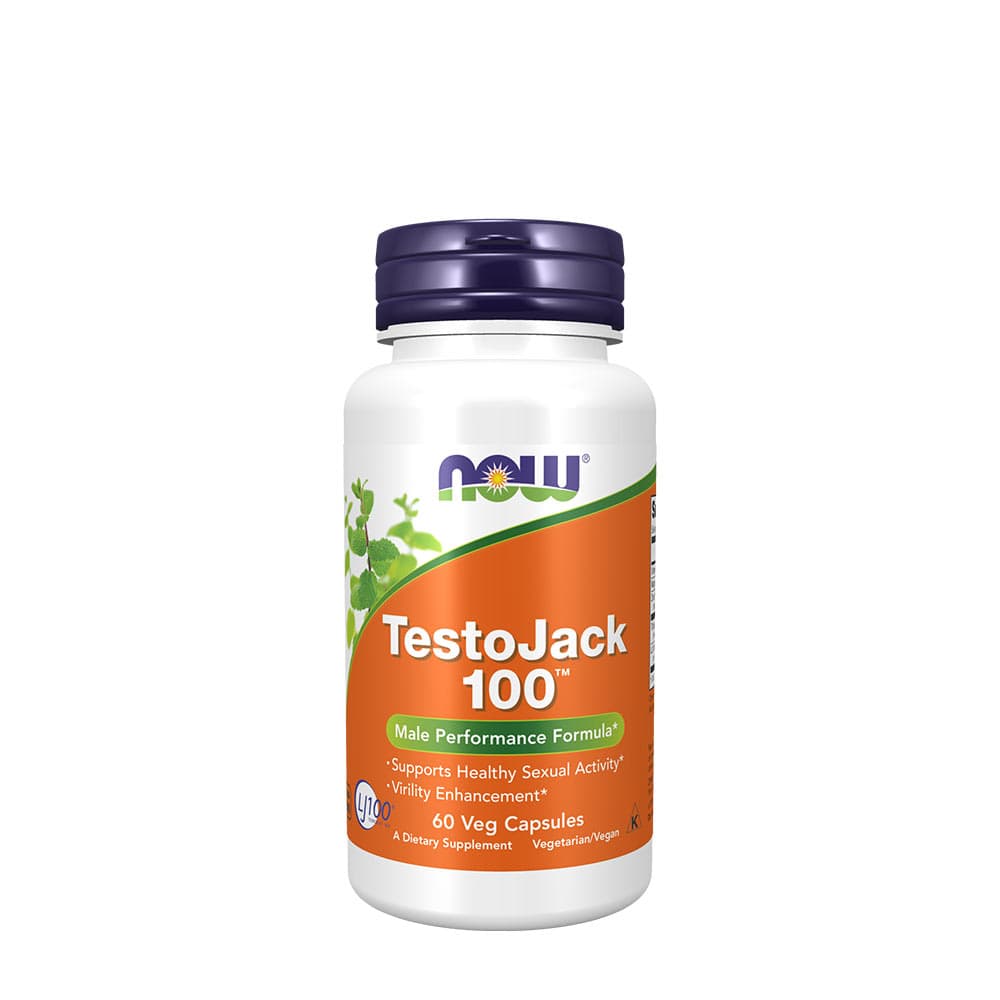
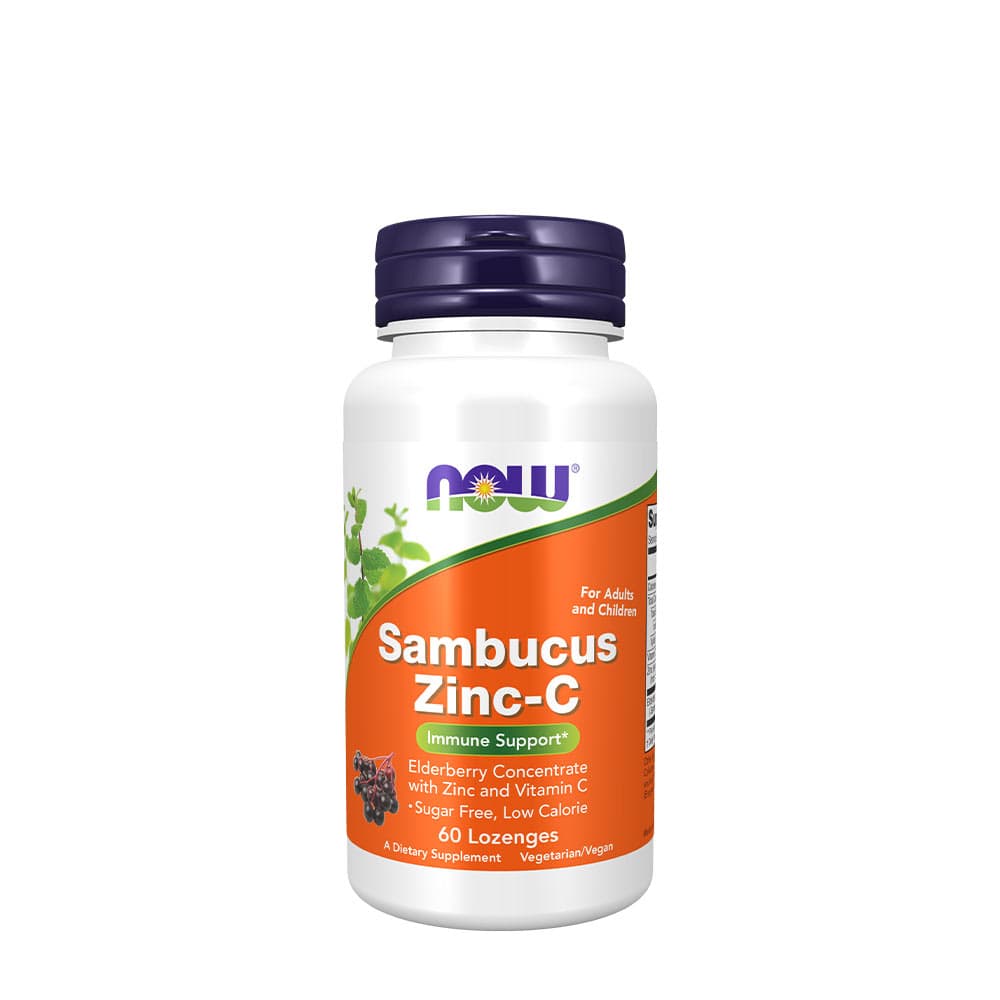

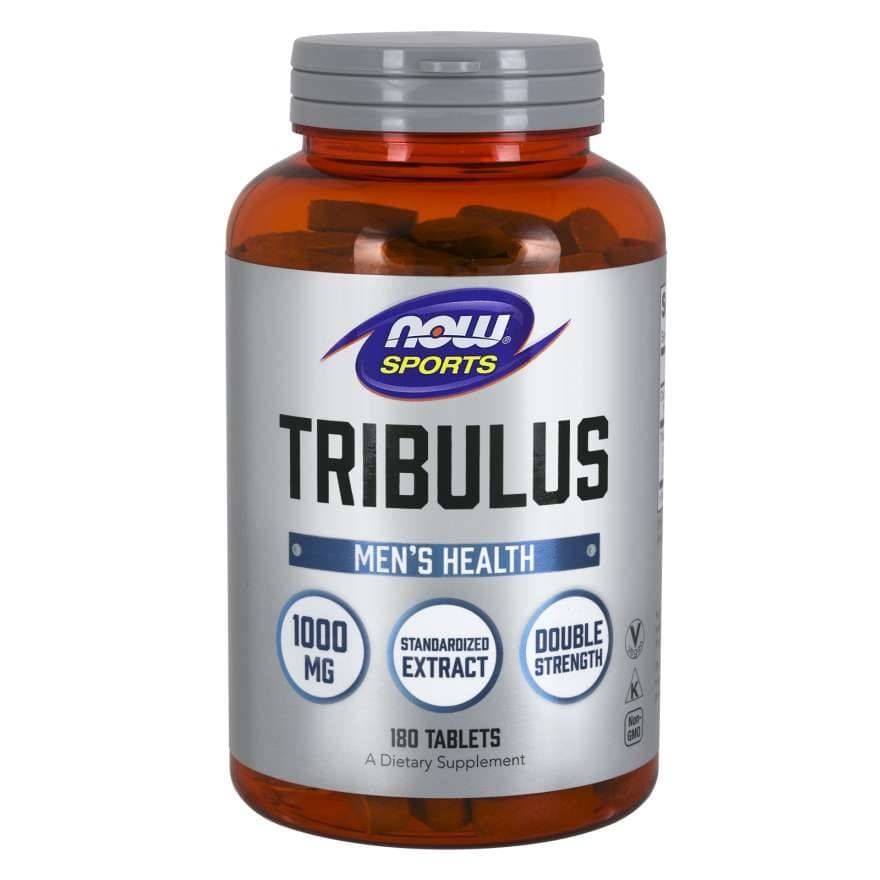
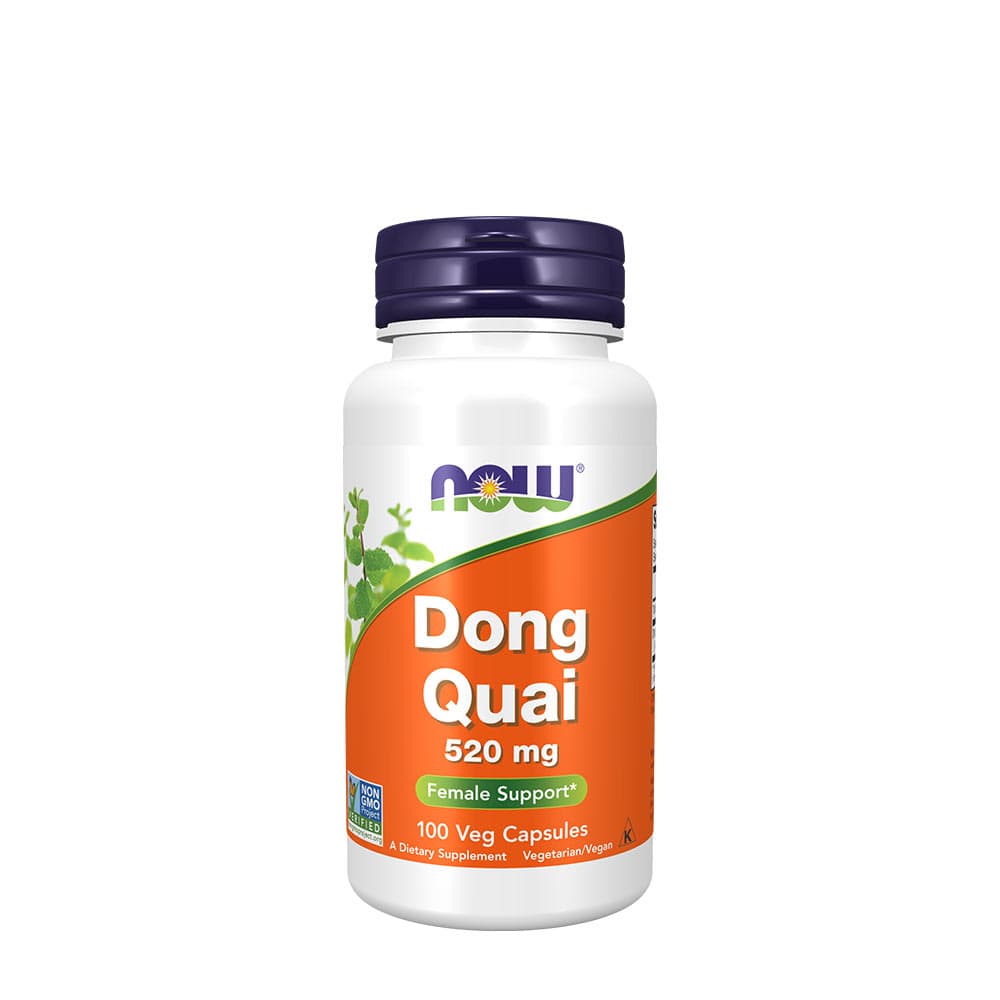

Find the option that fits your needs
Choosing among NOW Foods products
Here you will find help navigating a selection from NOW Foods including capsules, tablets, softgels, a powder product, and practical storage items. The range includes products with vitamin C, vitamin E, copper, multivitamins, and plant-based ingredients. The guide focuses on directly comparable aspects: product form, specified amount, ingredient list, package size, and labelling. This makes it easier to find options that suit your preferences and daily routines without drawing conclusions about efficacy or suitability based on the product name.
The theme immune appears as a search entry, but products in the selection should not be seen as treatment or a guarantee of any health effect. A name or an ingredient does not by itself indicate what a product can do for an individual. Always read the full label and follow the information on the packaging. If you use medication, are pregnant or breastfeeding, or have questions about a supplement, consult healthcare professionals. Below are concrete ways to compare options and understand why different types of products are shown together.
Different forms in the selection
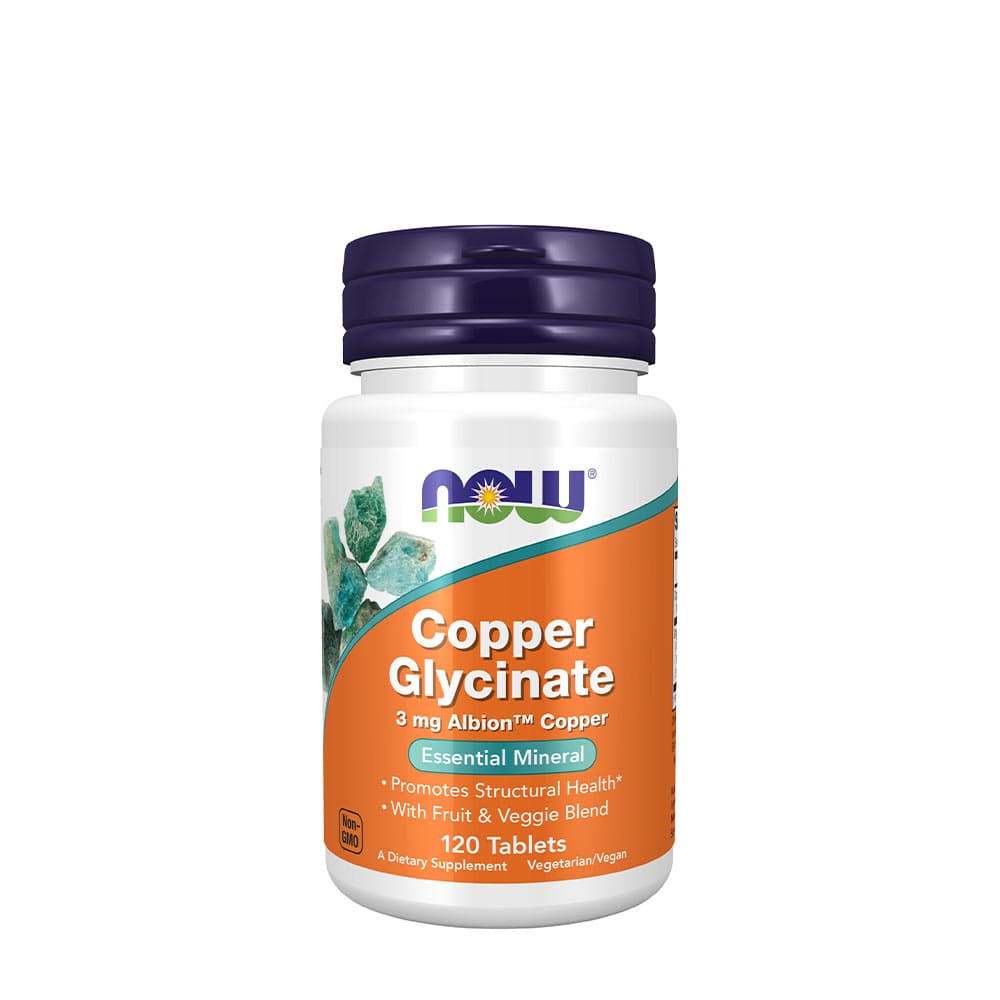
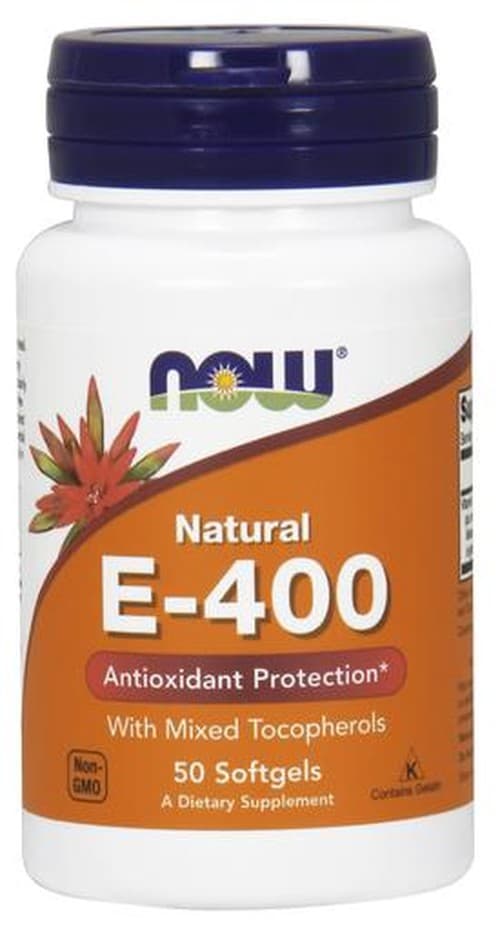
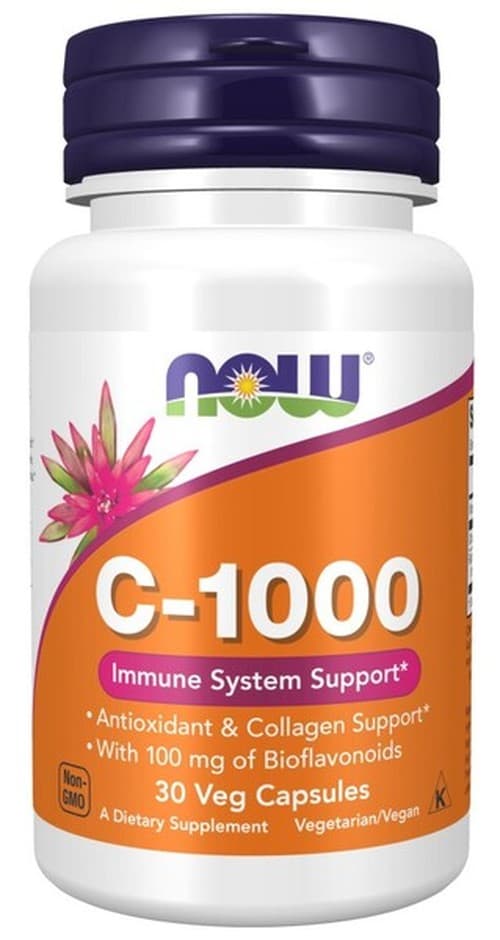
The product form affects how an item is handled and how it fits into a routine, but does not by itself say anything about the quality or effect of the contents. The selection includes capsules, vegetarian capsules, tablets, and softgels. Examples are C-1000 in vegetarian capsules, Copper Glycinate in tablets, and E-200 With Mixed Tocopherols in softgels. Natural E-400 is also indicated as softgels. Check the product’s full name and label, as terms like capsule and softgel describe different formats.
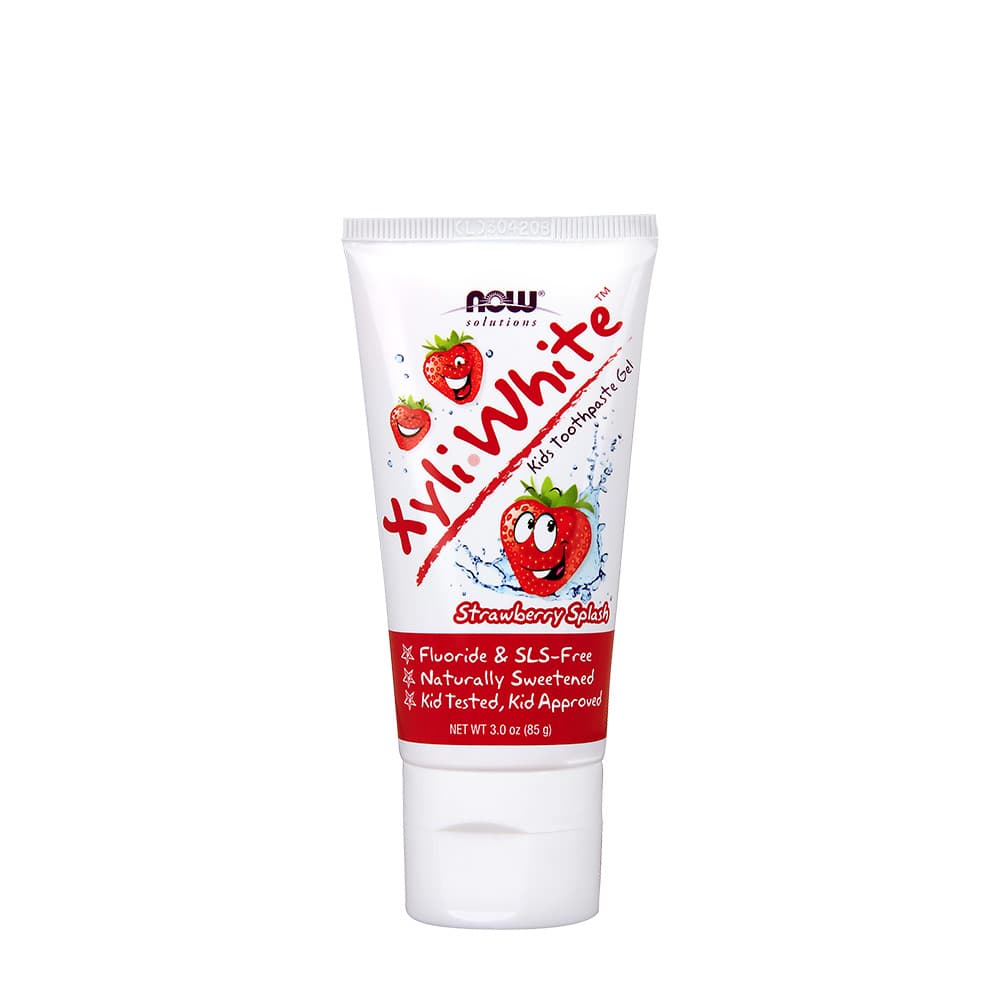
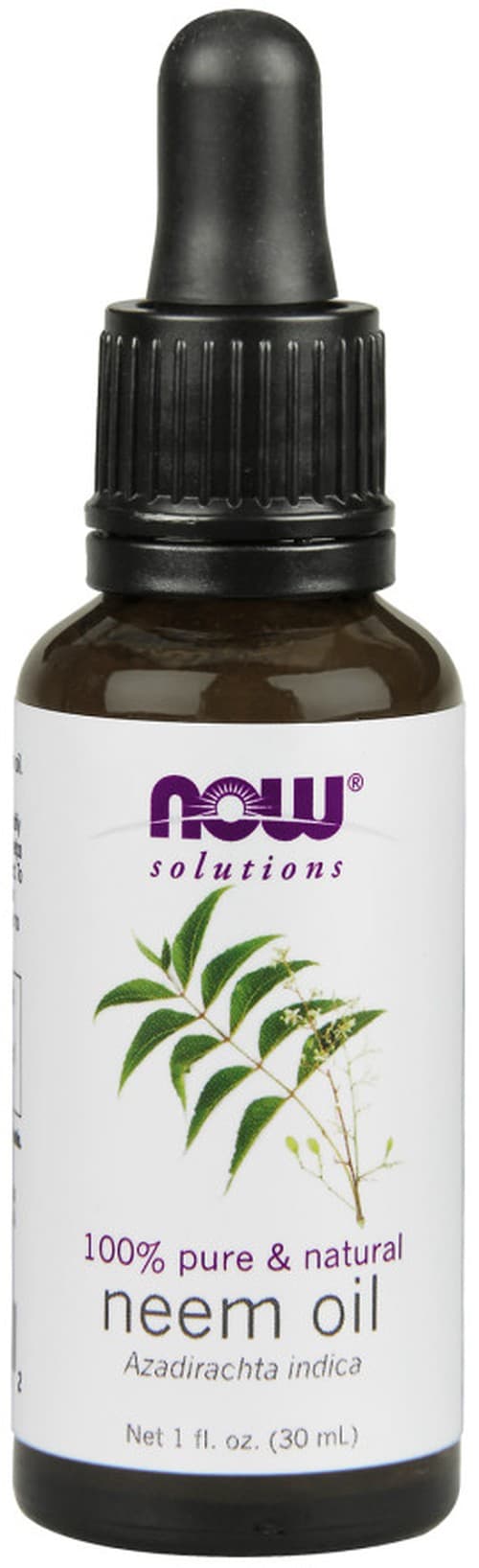
Also included are Xyliwhite Kids, Strawberry Splash, listed in an 85 gram package, and Neem Oil, 100% Pure, in a 30 millilitre bottle. Product names provide some information about format and content but not all details about usage. Therefore, read the instructions on each package before purchase or use. Two products with similar names may differ in content, amount, and recommended usage. Compare the current label instead of assuming products in the same category are interchangeable.
Ingredients and content on the label
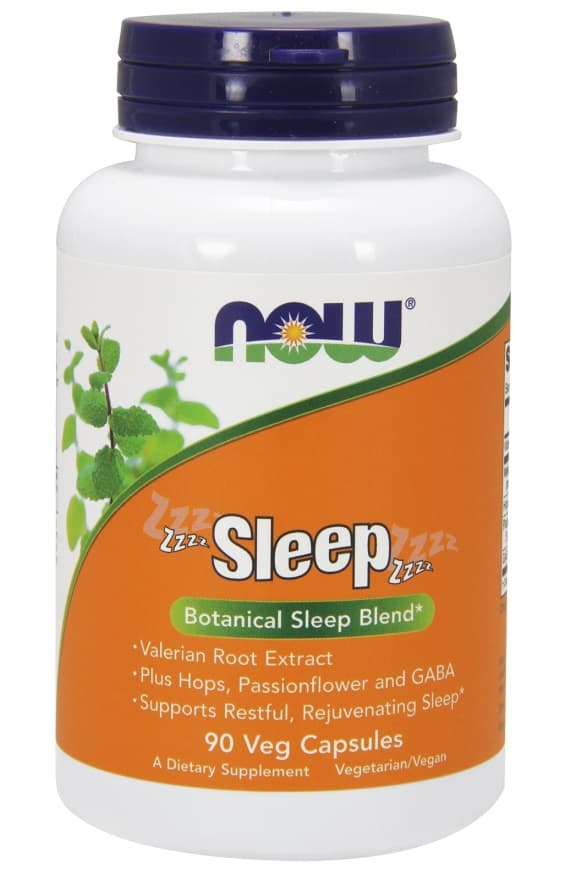
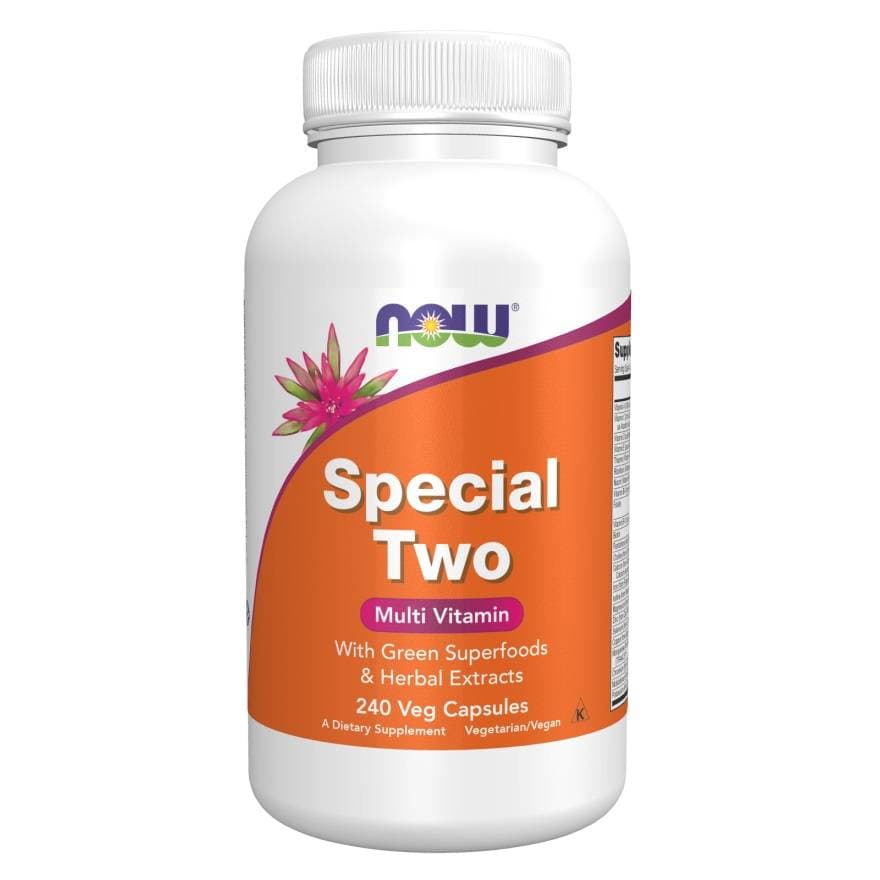
The label is the best starting point when you want to understand what a product contains. The selection mentions vitamin C in C-1000, vitamin E in E-200 With Mixed Tocopherols and Natural E-400, copper in Copper Glycinate, and a multivitamin product named Special Two Multi Vitamin. Other product names indicate ingredients or blends, such as Calm & Focus With Zembrin® & GABA, Dandelion Root, and Sleep – Botanical Sleep Blend. The names provide an initial orientation but do not replace the full ingredient list.
Compare the exact names and amounts of ingredients per serving where such information is provided. Also look for other ingredients, allergen information, serving size, and any special instructions. Do not assume that two products with the same vitamin or plant name have the same composition. Nor does a higher number in the product name automatically mean the product is better suited; the number must be understood together with the unit, amount indication, and serving information on the label. If information is missing from the product name, check the packaging or full product information before deciding.
How to compare labelling and amounts
When comparing supplements, it is important to read amounts on the same basis. Check if an amount is given per capsule, tablet, serving, or other unit, and then compare corresponding information between products. Product names like E-200 and E-400 contain numbers, but these should not be used alone to assess content or suitability. Read the label’s units and other information. For a multivitamin product like Special Two Multi Vitamin, it is especially relevant to review the entire ingredient declaration, as the product name does not show the amounts of each substance included.
Also check the number of units or net quantity in the package. For example, C-1000 is listed as 30 vegetarian capsules, Copper Glycinate as 120 tablets, and E-200 With Mixed Tocopherols as 100 softgels. These packaging details can help you compare size but do not alone indicate how long a product will last. That depends on the instructions on the label. Look for best before date, storage advice, and any information about sealing. If you need to compare cost, use price per comparable unit and consider that content and serving size may differ.
Choose based on daily life and preferences
Practical choices can start with how you prefer to handle a product. Some choose between capsule and tablet based on size, shape, or personal habit; others want to compare number of units and instructions. This selection includes both vegetarian capsules and tablets, as well as softgels. Read the product information to see what is actually stated about materials and usage. Do not draw conclusions about suitability solely from words like “vegetarian”, “natural”, or other expressions in the product name.
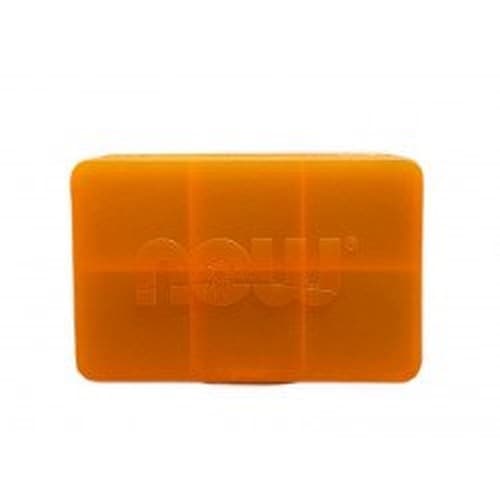
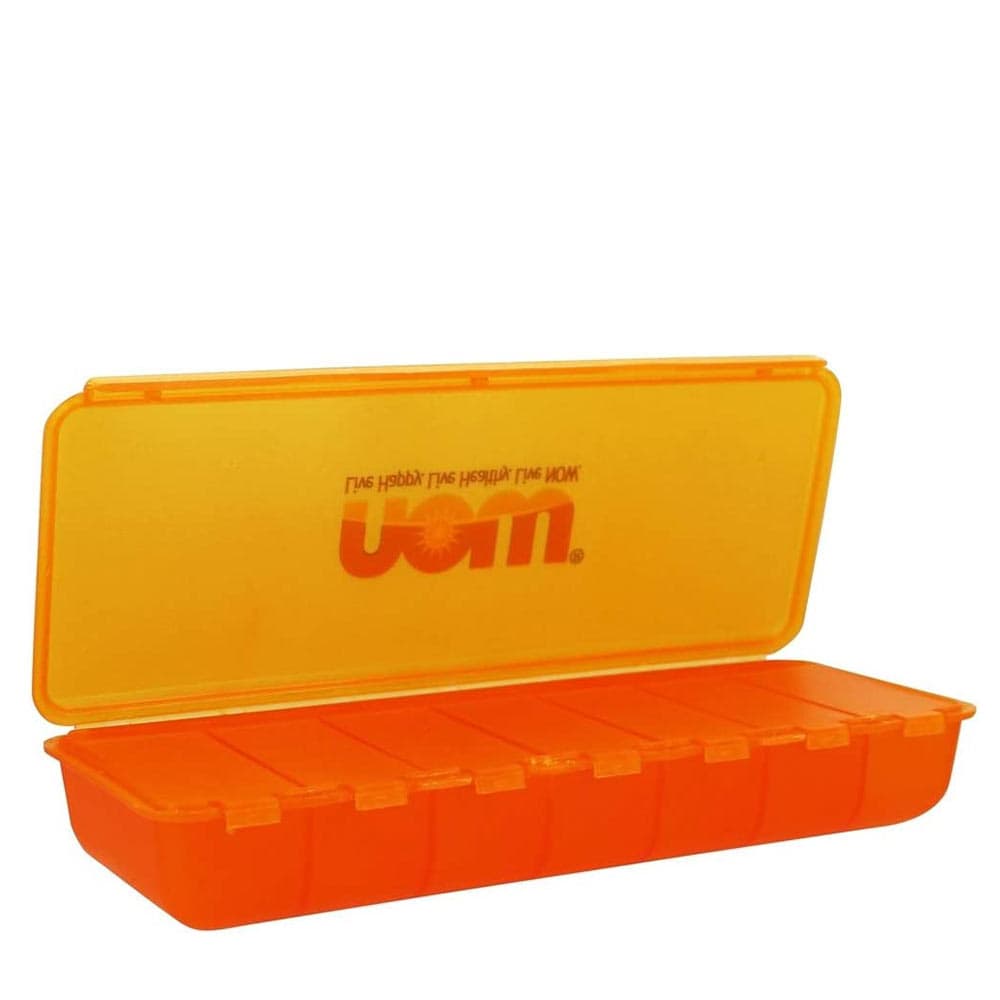
Storage and organisation can also be part of daily planning. The selection includes a Pillbox (Orange) – Pill Organizer and a 7 Day Pill Case. These are storage items, not supplements. Compare their names and product information to determine what type of organisation you are looking for; check measurements and details if such information is available. If you use a dosette for medication or supplements, follow the instructions for each product and store the contents as indicated on the original packaging. Storage items do not replace labelling or safe handling.
Plant-based products and blends
Several product names in the selection refer to plant ingredients or combinations. Dandelion Root indicates dandelion root, Neem Oil indicates neem oil, and Sleep – Botanical Sleep Blend describes a botanical blend. Calm & Focus With Zembrin® & GABA mentions two components in the name. These designations help you identify products to investigate further but do not show the full composition, amounts, or usage instructions. Therefore, read the ingredient list and other labelling on the specific product.
Be especially aware that plant-based does not automatically mean risk-free or suitable for everyone. Ingredients may be relevant to discuss with healthcare professionals, especially if you take medication or have specific health needs. Avoid combining products solely because their names suggest different uses. Follow the package instructions and check for any warnings. If a blend contains several substances, it may be helpful to read each ingredient separately and seek professional advice if you are uncertain.
Packaging, usage, and storage
Package size and instructions are practical points of comparison. The selection includes, among others, 30 millilitres for Neem Oil, 85 grams for Xyliwhite Kids, and various numbers of capsules or tablets for several supplements. The information describes the stated amount in the package, not how the product should be used or how long it lasts. Look for information on serving size, usage, storage, and any limitations on the label. Also check that the product’s format matches what you are looking for before adding it to your basket.
Store products according to the instructions on the packaging and keep them out of reach of children when the labelling recommends it. Products with similar names may have different storage advice depending on content and format. If you transfer tablets or capsules to a dosette, keep access to the original label so that product name, ingredients, and instructions can be checked. For products in jars or bottles, it is wise to read information about sealing and handling. In case of uncertainty, the label and manufacturer’s product information are better sources than assumptions based on category or name.
How we selected the products in the campaign
Here are products whose names indicate vitamin C, vitamin E, copper, or multivitamins, together with plant-based options and products with blends. This makes it possible to compare different product forms and labels within a consolidated range. The two pillbox products have been included as practical storage items, while Xyliwhite Kids and Neem Oil show other formats and product names in the selection.
The product images that follow thus represent a mixed selection, not a recommendation to use all products or to combine them. Read each product’s full content, amount indications, warnings, and usage instructions separately. Compare only information given on the same basis, and do not select based on a single word or number in the name. The campaign theme is a sorting aid, not a health claim.