NOW Foods: a considered selection
Compare ingredients, forms and packaging across a wide range from NOW Foods.
30 selected products


Our selection
Campaign products
30 products






Find the option that fits your needs
Choosing from NOW Foods products
Here you can get an overview of a selection from NOW Foods, featuring different ingredients, product forms and packaging. The range includes capsules, softgels, a liquid product and practical storage accessories. This article helps you navigate the selection and find information relevant to your own preferences.
The products on the list span several categories: vitamins such as C and E, plant-based ingredients, pollen, a mineral product and products with other stated contents. There is also a sleep product, a product with Zembrin® and GABA, and two pill organisers. Names and categories offer an initial clue, but the full label is the best source for understanding what a product contains. Therefore, read the product description and packaging information before comparing or choosing.
Forms and variants in the selection
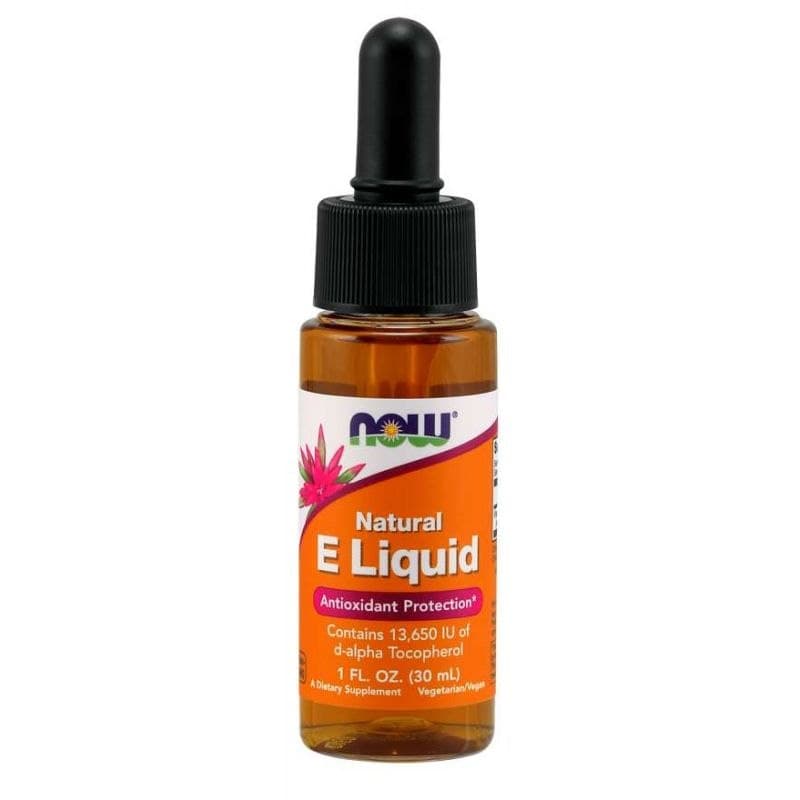
Product form can affect how well a product fits into everyday life. The selection includes capsules and vegetarian capsules, identified by the terms Caps and Vcaps, as well as softgels labelled Sgels. There is also Natural E Liquid in a 30 ml bottle. Storage and handling may differ between forms, so check the label for instructions and other product information. Do not assume that two products with similar names or the same ingredient have the same contents or properties.
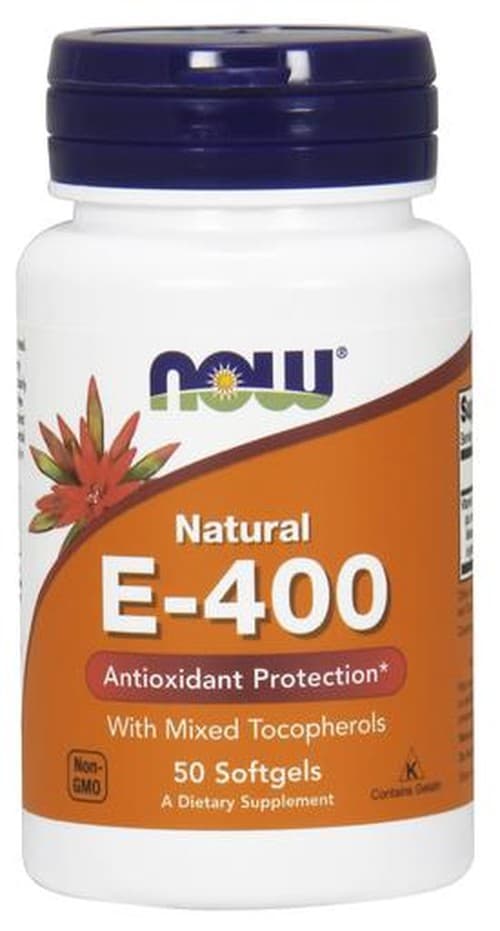
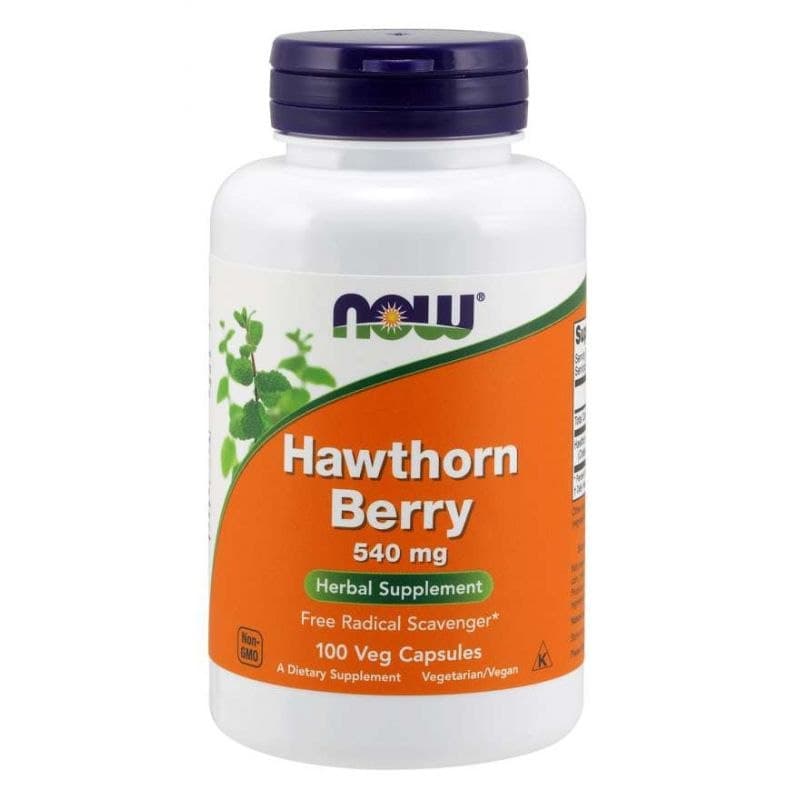
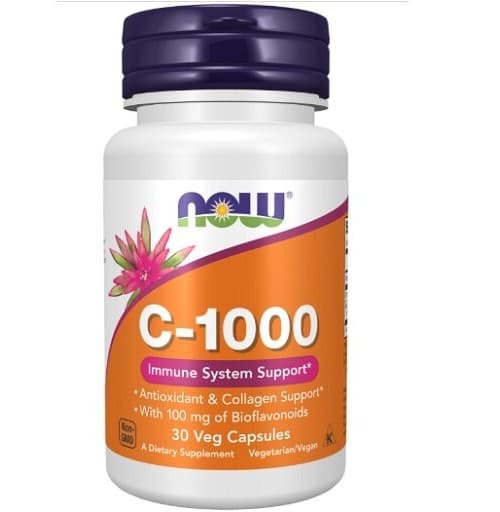
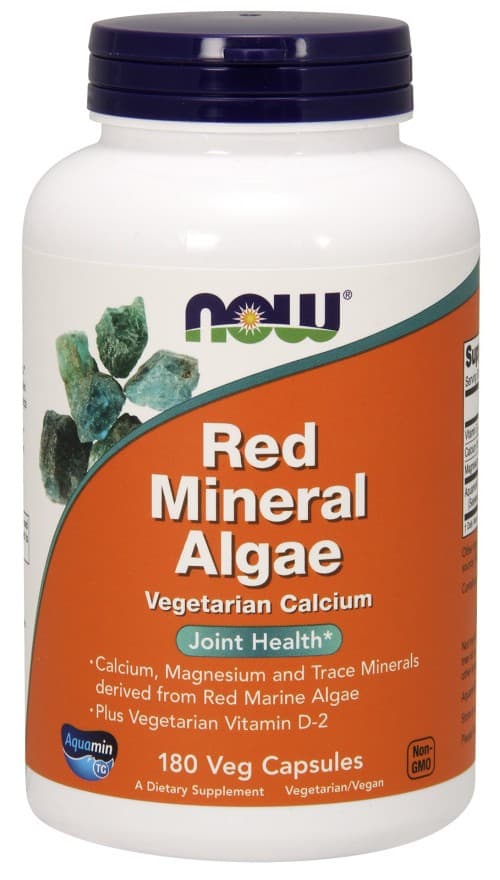
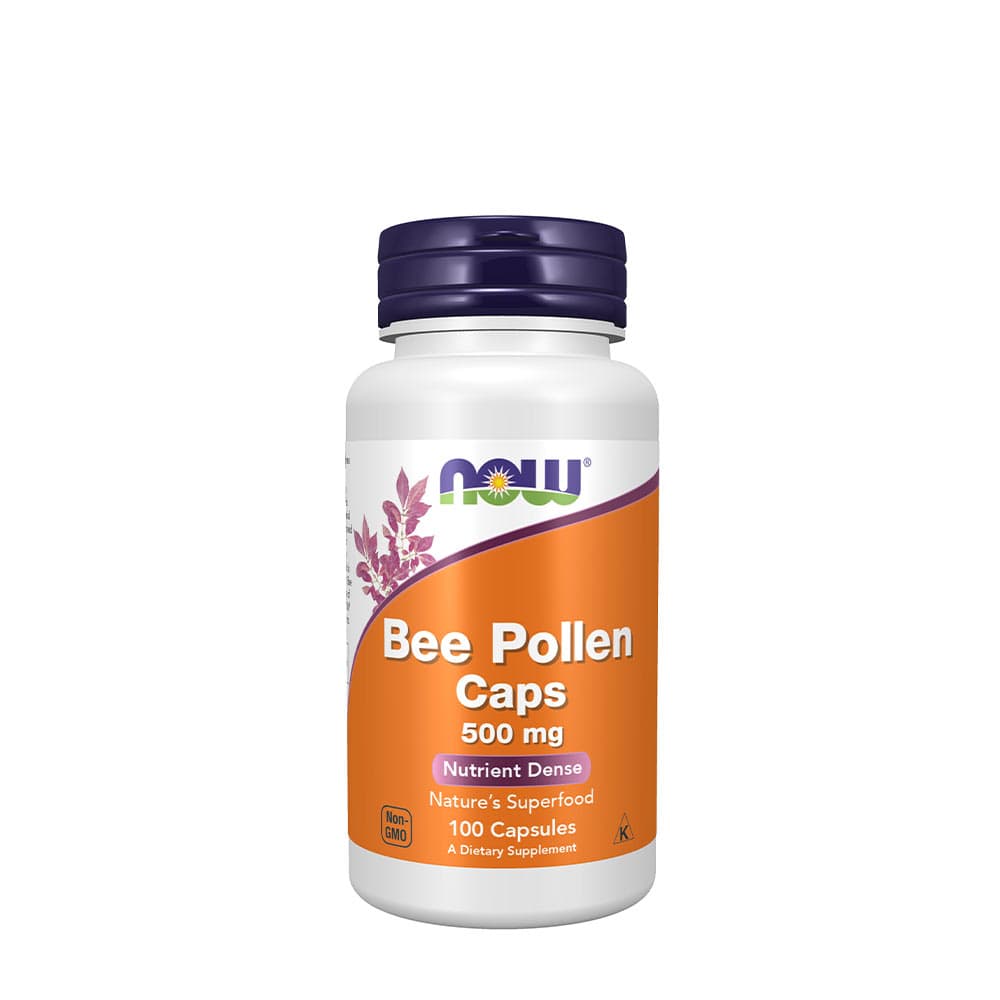
Several products have a number in their name, such as C-1000, E-200 and Natural E-400. Such designations should be read alongside the ingredient declaration and quantity information on the specific packaging. The name alone is not enough to compare contents across different forms or pack sizes. The range also includes Hawthorn Berry, Dandelion Root, Bee Pollen and Red Mineral Algae. Check each label for ingredients, amount per serving and other details that can help you make an objective comparison.
How to read the label
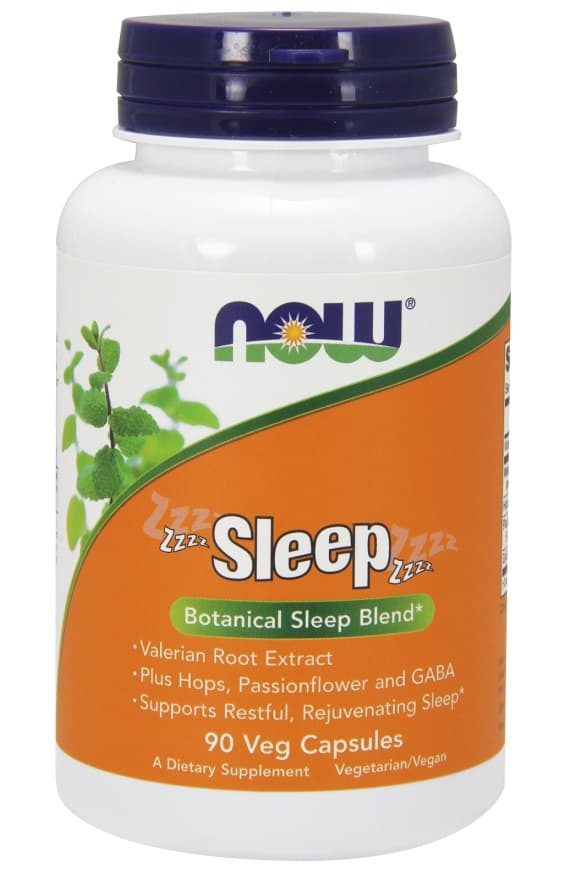
Start by checking the full product name and ingredient list. See which substances are listed and whether the product contains a single ingredient or a combination. Calm & Focus With Zembrin® & GABA and Sleep – Botanical Sleep Blend are examples of names that indicate multiple components or a blend, but the name is no substitute for the full ingredient declaration. Also read the information about capsule type, net quantity and the number of capsules or softgels, where these are stated in the product information.
Then compare quantities on the same basis. Labels may state an amount per capsule, serving or other unit, so it is important to check what the figure refers to. Also look for instructions for use, storage advice and any warnings on the packaging. If information is missing from a brief product overview, do not draw conclusions about contents or use based on the product name alone. For questions about ingredients, medicines or specific needs, it is advisable to consult a healthcare professional.
Vitamins and other named ingredients
The selection includes C-1000 and several E products: E-200 With Mixed Tocopherols, Natural E-400 and Natural E Liquid. They differ in name and form, and the product names alone do not provide a complete picture of their contents. Read the label to see which ingredients are listed, how quantities are presented and which pack size applies. Compare products consistently and check that you are looking at the same type of quantity information before assessing differences.
Other named products include Hawthorn Berry, Dandelion Root, Bee Pollen and Red Mineral Algae. According to the product list, they have different ingredient names and packaging forms. If you want to compare them with the vitamin products, start by distinguishing between ingredient, product form and quantity, rather than assuming they are interchangeable. Also check whether you have any allergies or need to take specific ingredients into account. The product label and full product information are essential for understanding what each individual pack contains.
Practical selection criteria
First consider which form you prefer and can manage in everyday life: capsule, softgel or liquid product. Then think about the pack size and how long it may last, based on the label information and your own needs. Do not compare only the number of capsules; also check the quantity information and directions for use. If you are considering several products with similar names, it may help to write down their ingredients and product forms so that the differences are clear.
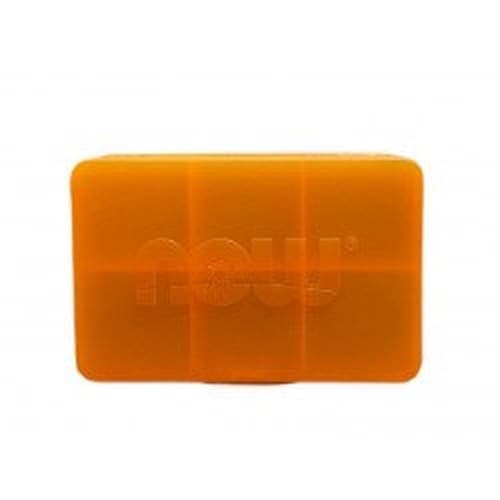
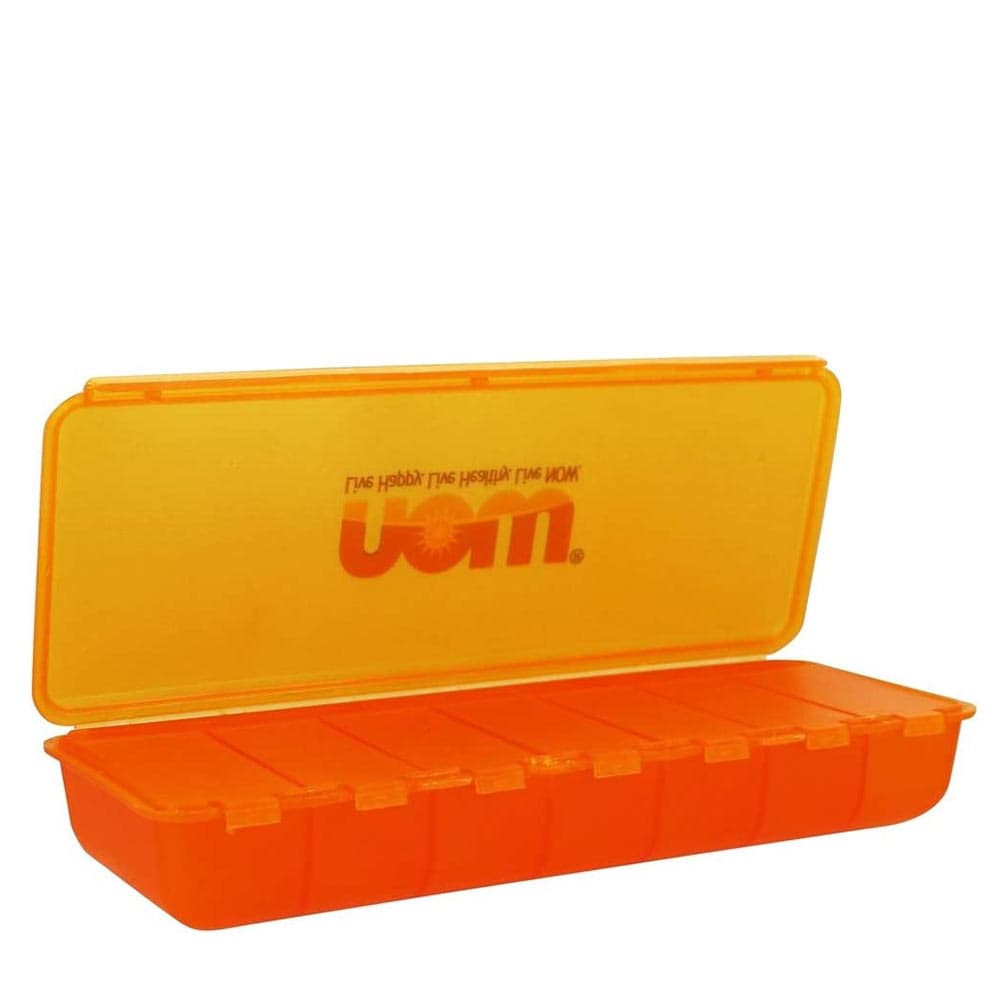
Practical accessories may also be useful for organisation. The selection includes an orange Pillbox and a 7 Day Pill Case. The product names indicate that these are storage or organisation products, but check the information for each product for details about design and use. A pill organiser is not a substitute for reading the labelling on the product itself. Store food supplements according to the instructions on the packaging and keep them out of the reach of children. If you take medicines or have specific health needs, discuss your choice of food supplements with a healthcare professional.
Immune focus without far-reaching assumptions
C-1000 and the E products are named after vitamins, while the other products include plant-based ingredients, pollen, mineral algae and blends. It is important to distinguish between an editorial theme and information about the properties of an individual product. Therefore, assess each product based on its own label, ingredient declaration and usage information.
Avoid drawing conclusions about effects from a product name, ingredient name or general theme. This overview describes what is included in the selection and how you can compare product information, not what benefits a product may provide. If you are pregnant, breastfeeding, taking medicines or have a medical condition, it may be particularly important to seek individual advice before choosing food supplements. Always follow the information on the packaging and ask a healthcare professional if you are unsure whether a product is suitable for your situation.
Comparing products before purchase
You may find it helpful to make a simple comparison table with columns for product name, ingredients, form, pack size and quantity information. This makes it easier to see the differences between, for example, E-200 With Mixed Tocopherols, Natural E-400 and Natural E Liquid, without confusing names and contents. For products containing blends, you can note down all the ingredients listed on the label. Also check whether the information applies per capsule, serving or other unit, as otherwise the comparison may be misleading.
Review the full product information if a brief description does not answer your questions. Check the language and labelling, storage advice, warnings and directions for use. If you are comparing packs from different product ranges, make sure the information applies to the specific variant and size. It is also sensible to distinguish accessories such as Pillbox and 7 Day Pill Case from the food supplements themselves. A structured review of the label provides a better basis for an informed choice than relying solely on product names or a campaign theme.
How we selected the products in the campaign
The selection brings together twelve products from NOW Foods, offering a broad overview of different forms and product categories. It includes C-1000 and three E variants, including a liquid product, together with Hawthorn Berry, Dandelion Root, Bee Pollen, Red Mineral Algae, Calm & Focus With Zembrin® & GABA and Sleep – Botanical Sleep Blend. The list also includes an orange Pillbox and a 7 Day Pill Case. The connection to immune focus lies in the campaign’s editorial theme, not in a claim that each product has a particular effect.
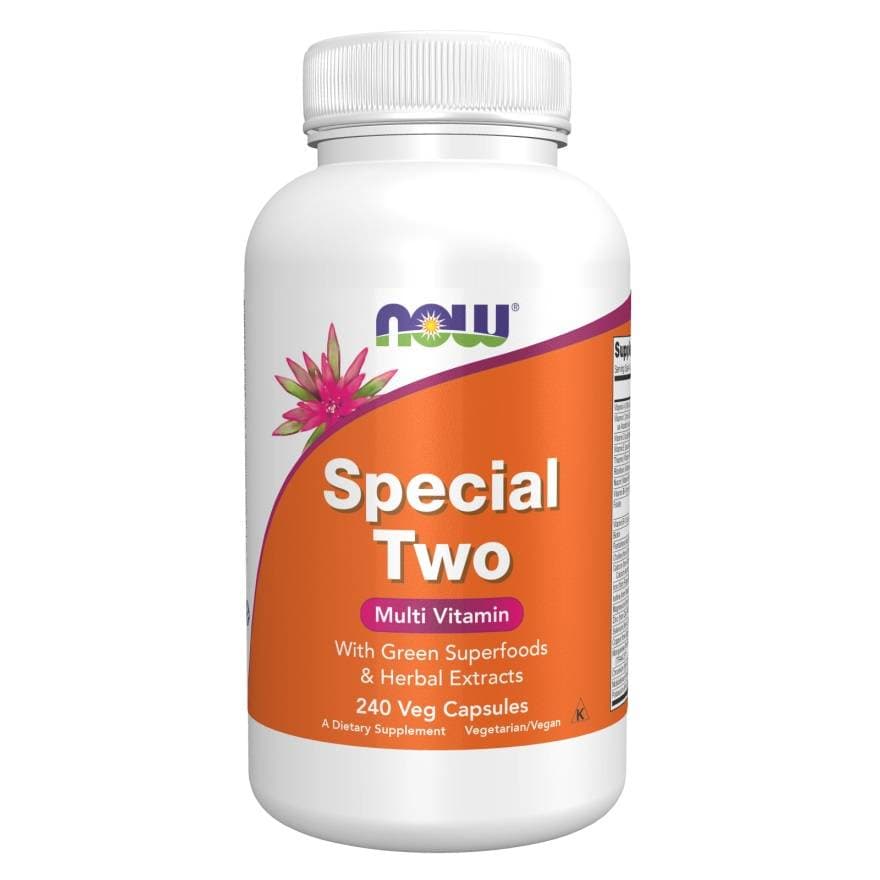
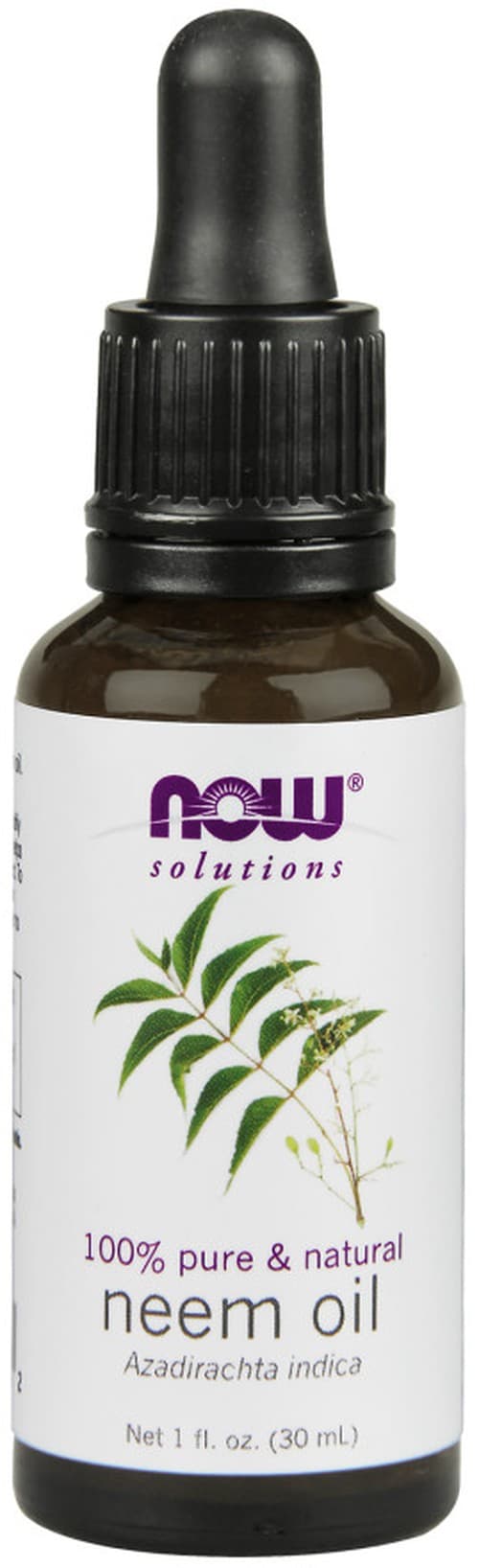
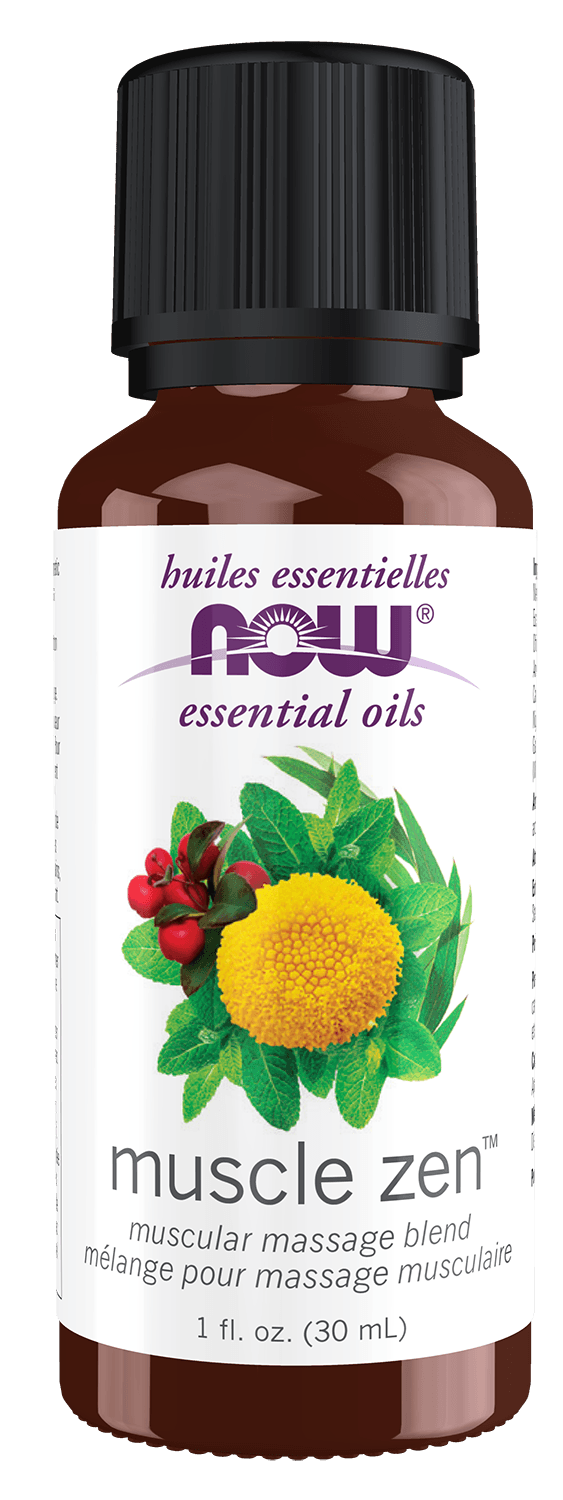
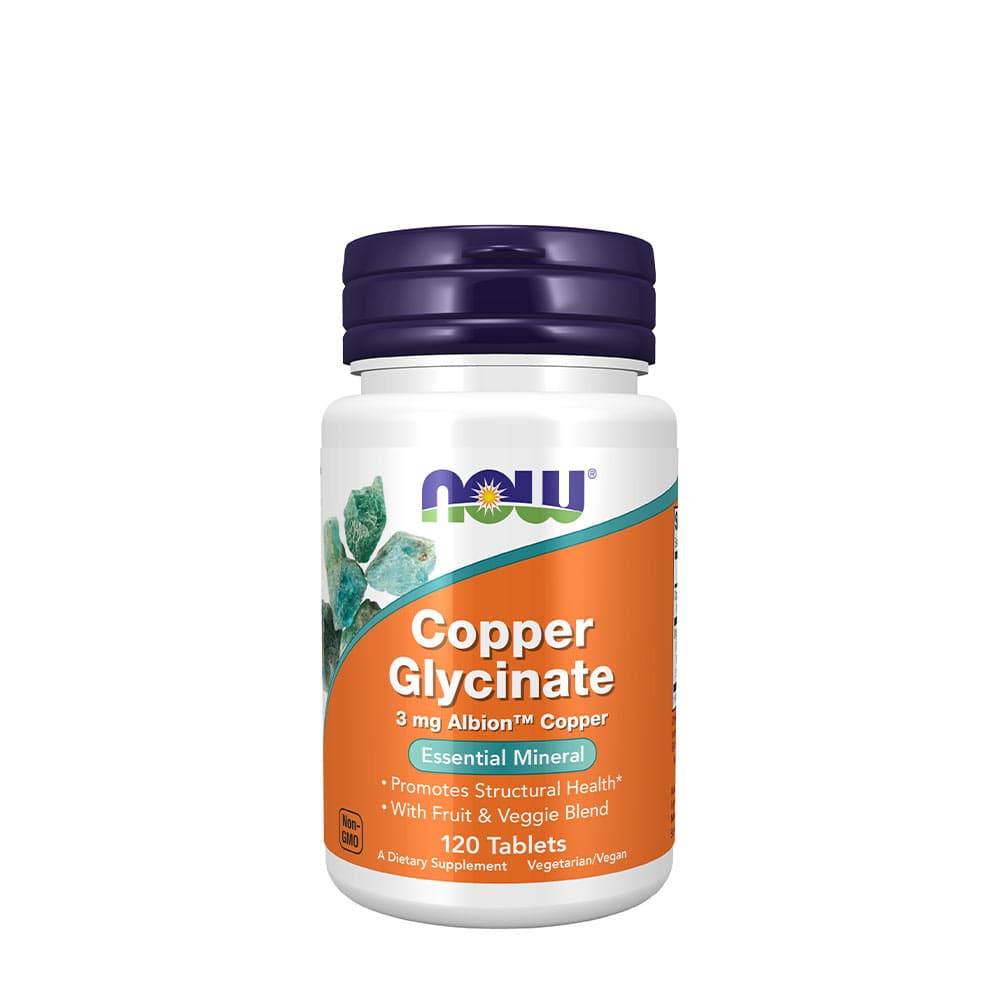
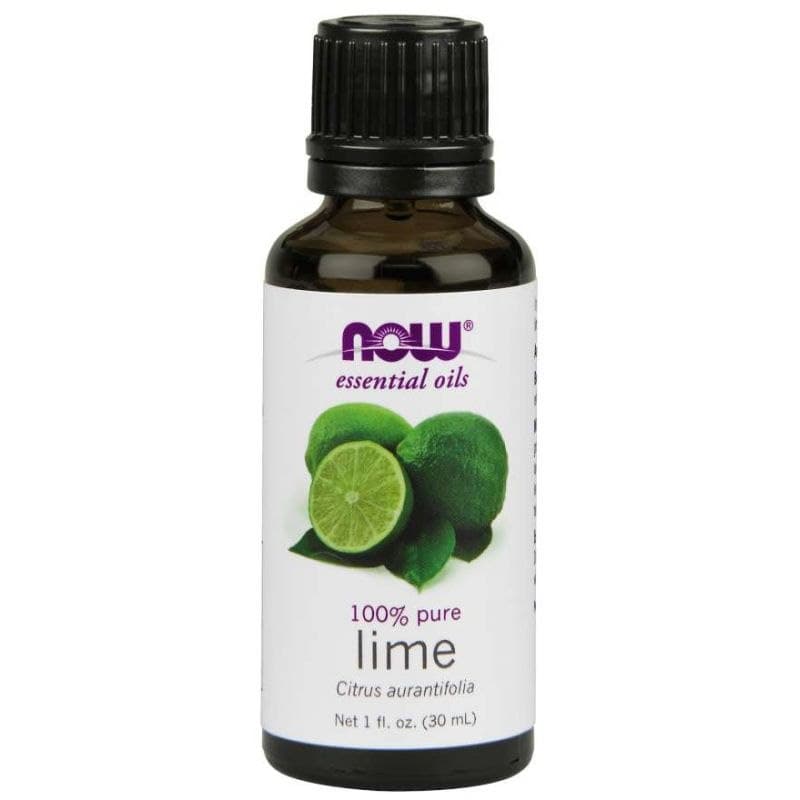
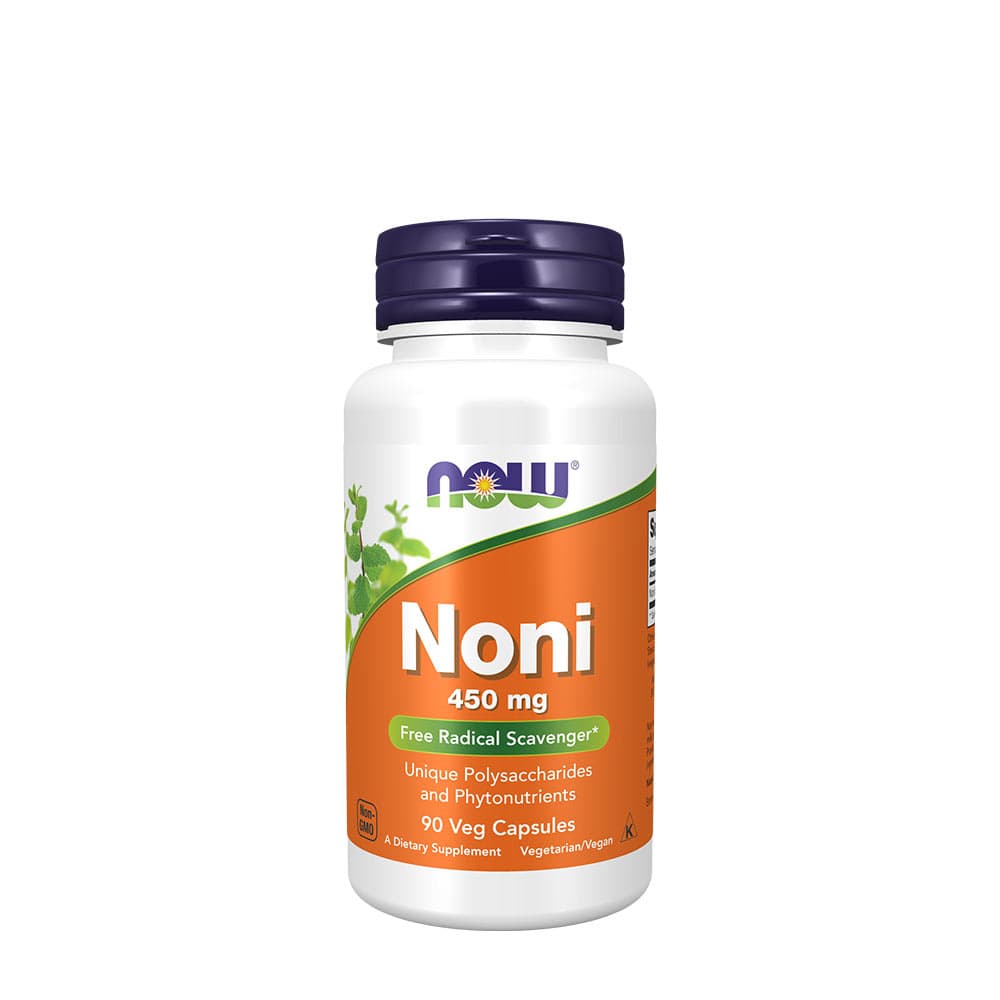
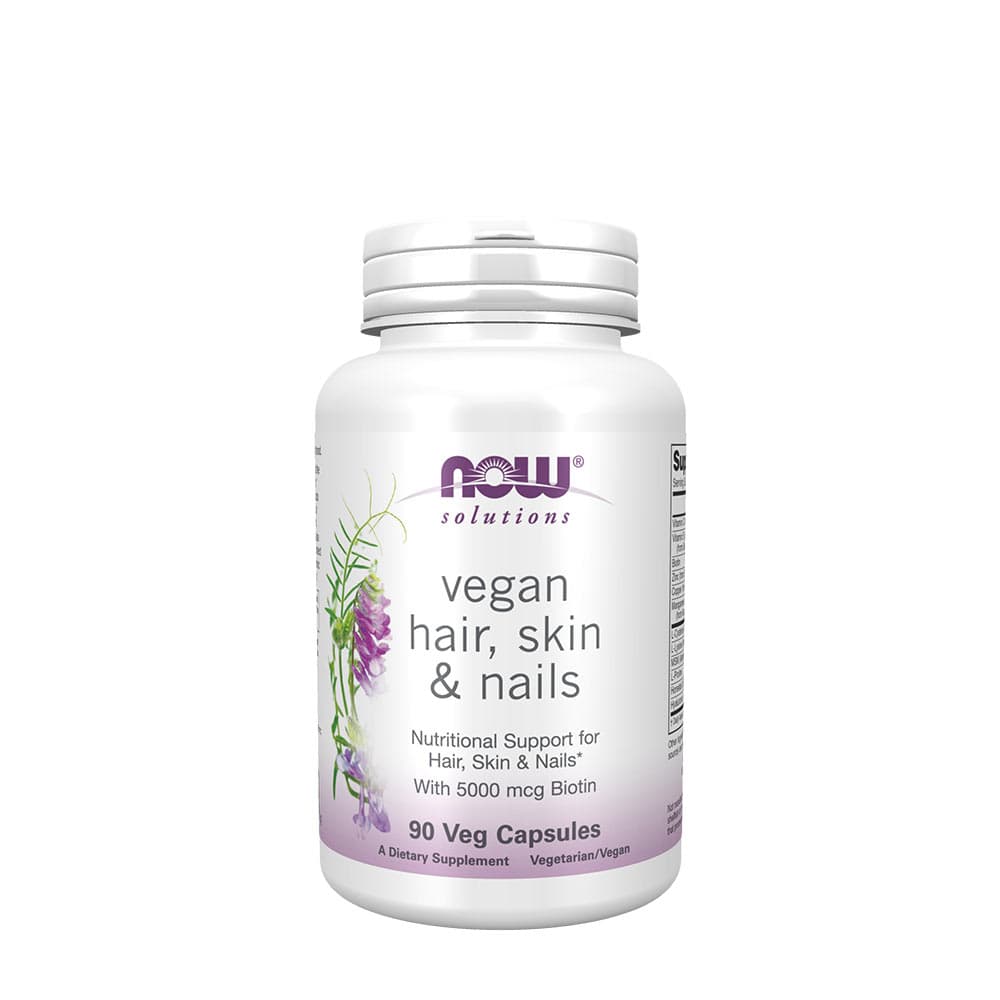
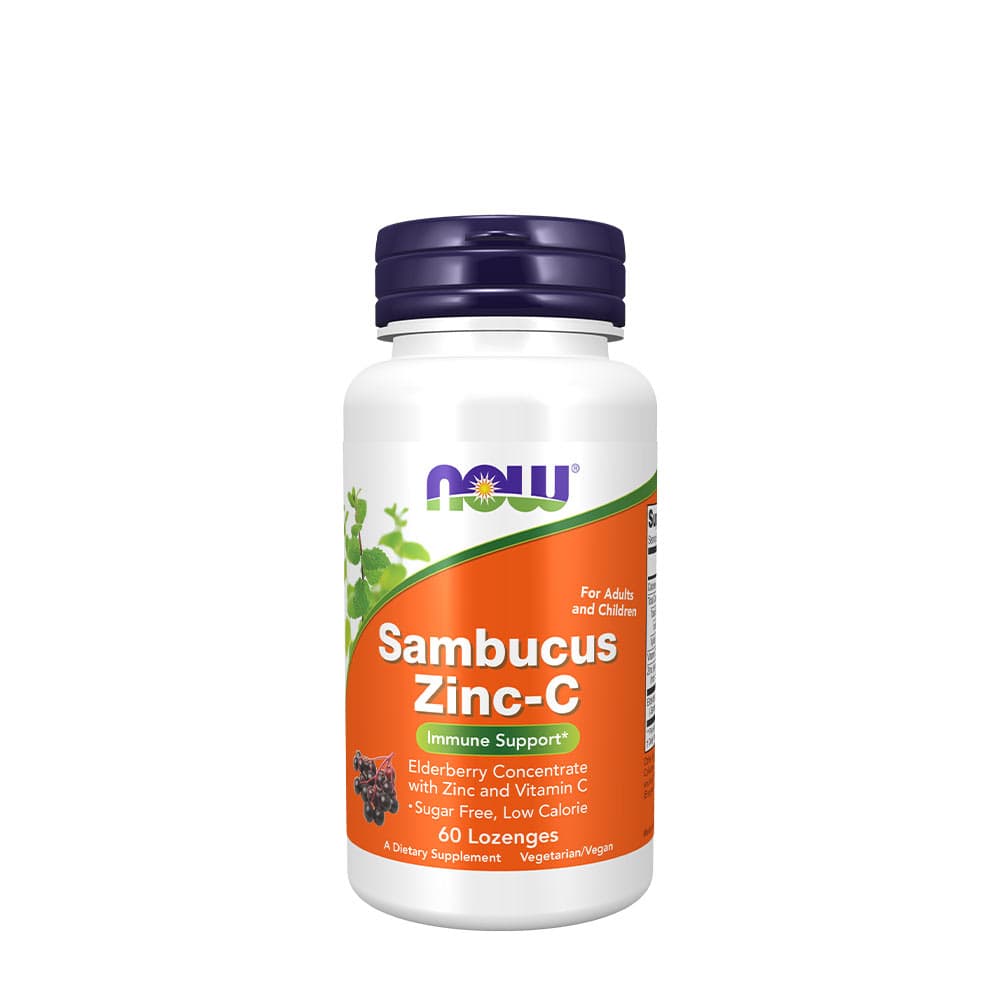
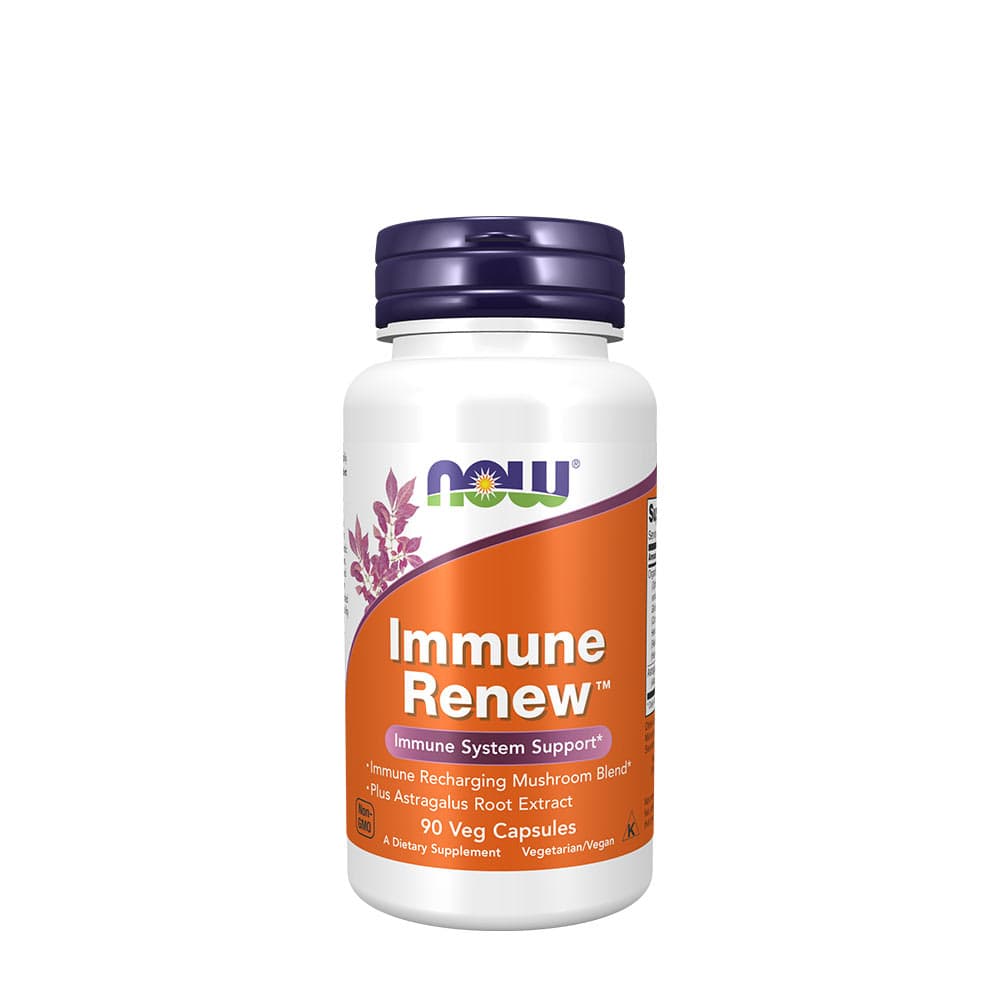
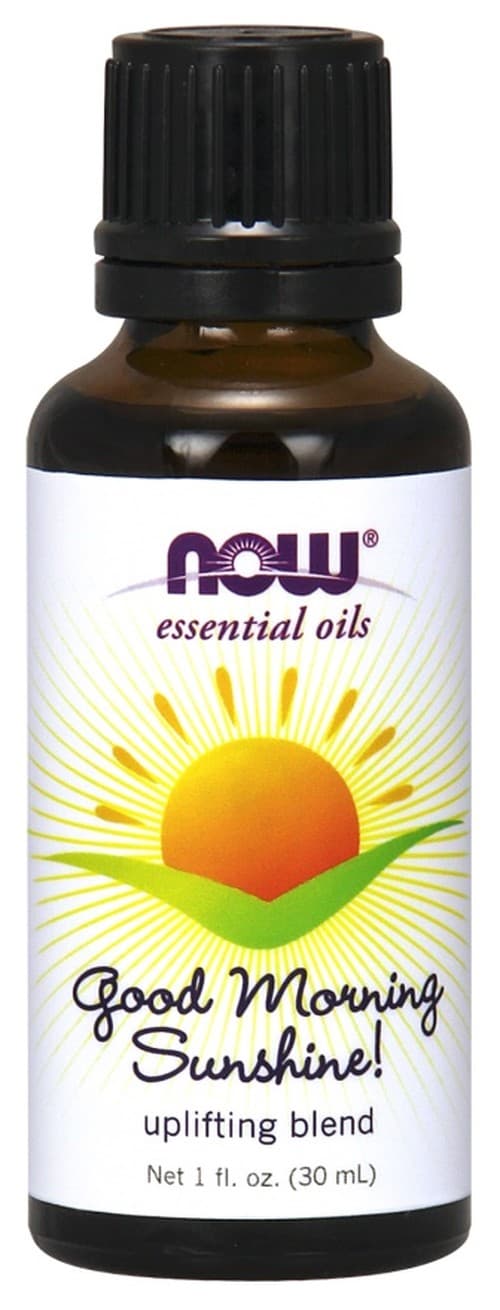
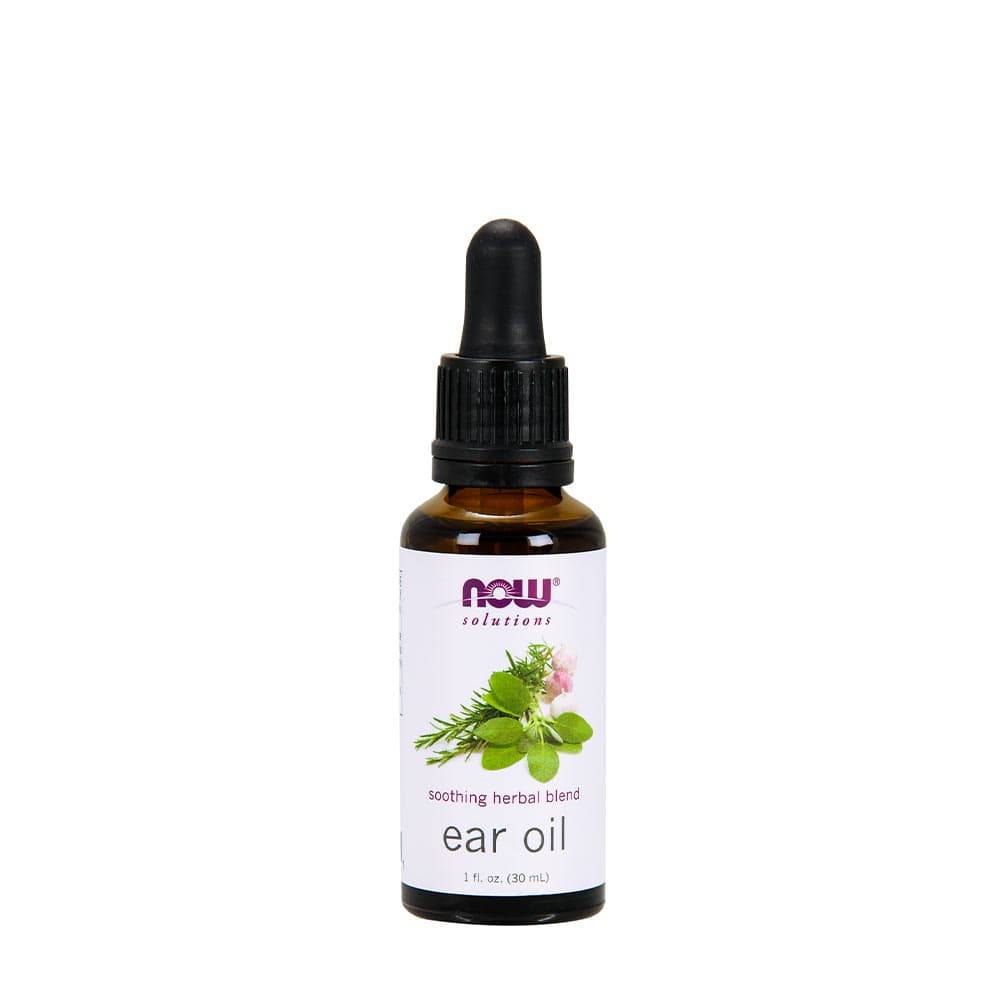
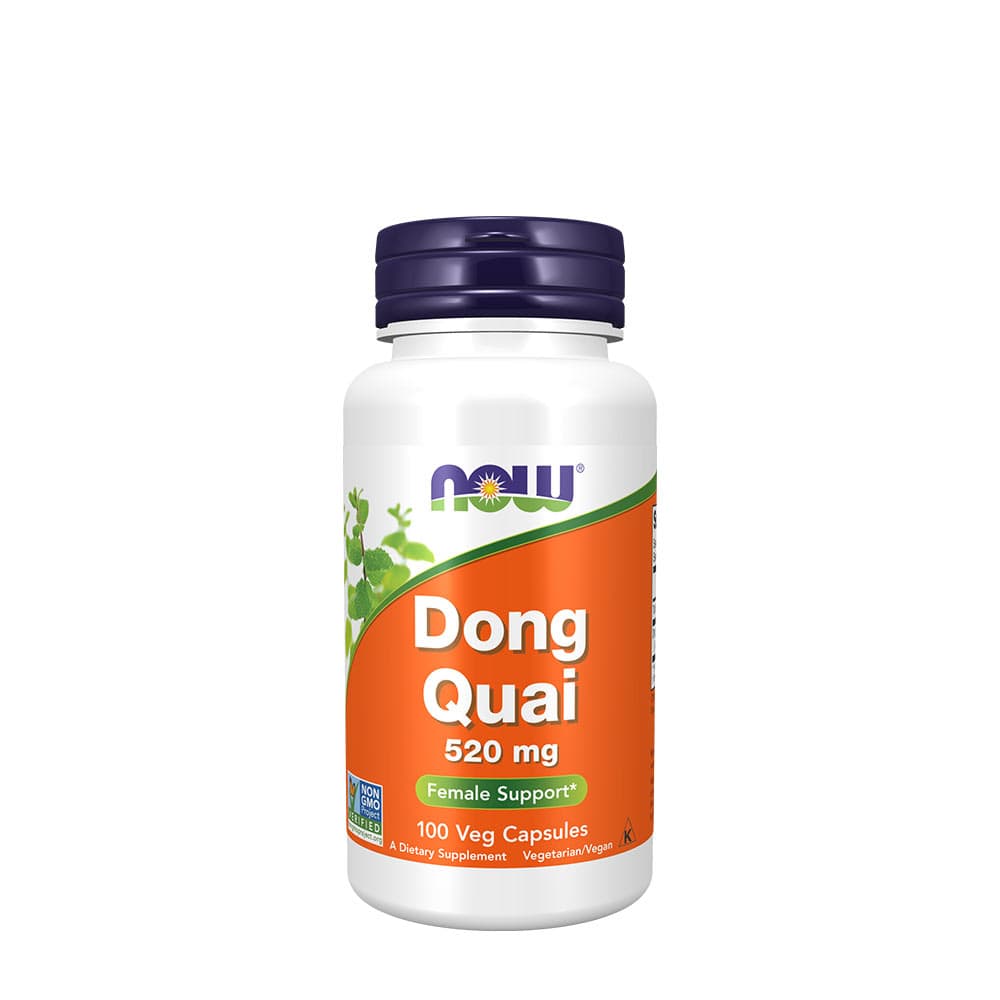
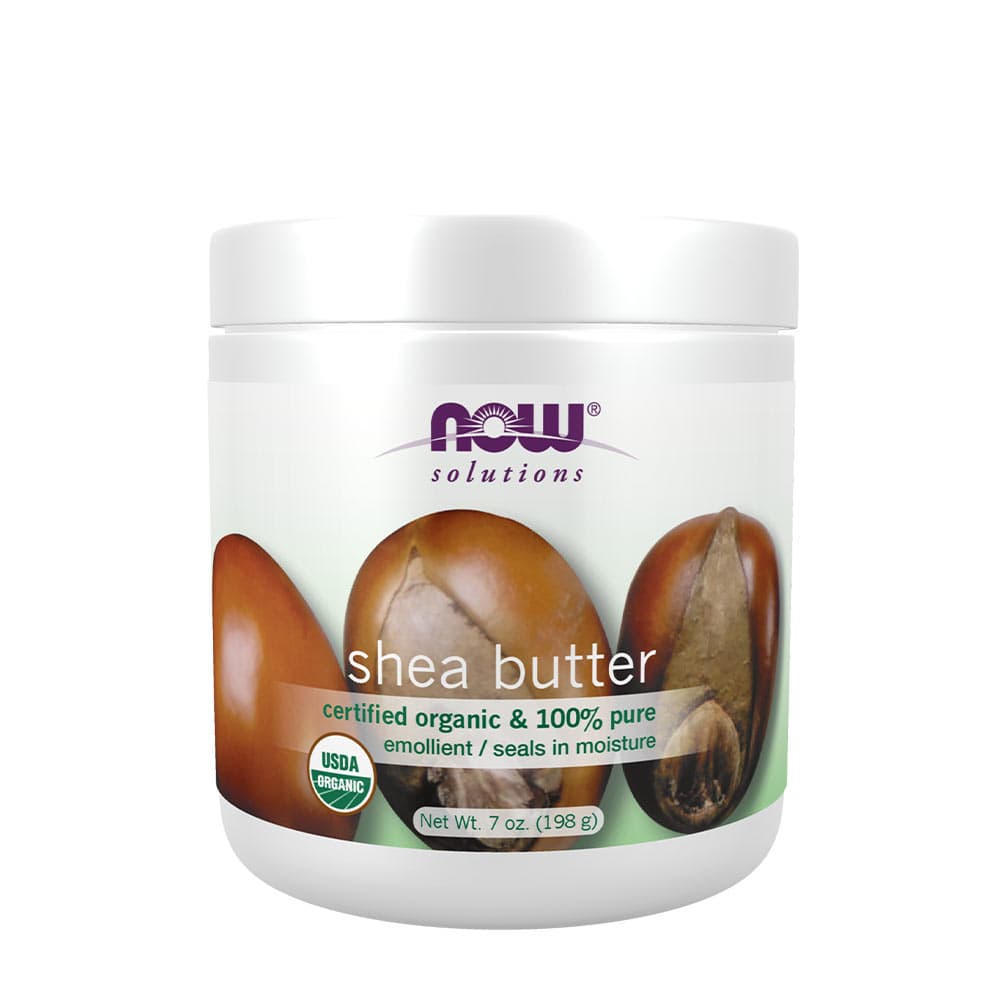
The accompanying product images make it possible to see which individual items are included and compare their names and packaging. Use the images as a guide, and consult the information for each product to check ingredients, product form, quantity and labelling. Some items are food supplements and others are practical storage accessories; they should therefore be assessed using different criteria. This makes the breadth of the selection clear without presenting different products as equivalent or attributing properties to them that are not stated on their labels.