Swanson: a guide to supplements
Compare ingredients, capsule types and labels across a wide selection.
30 selected products
Our selection
Campaign products
30 products



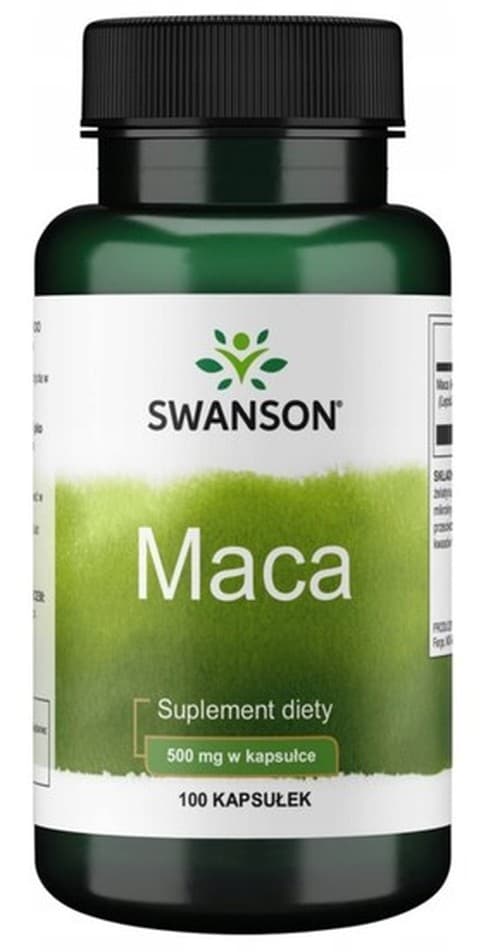
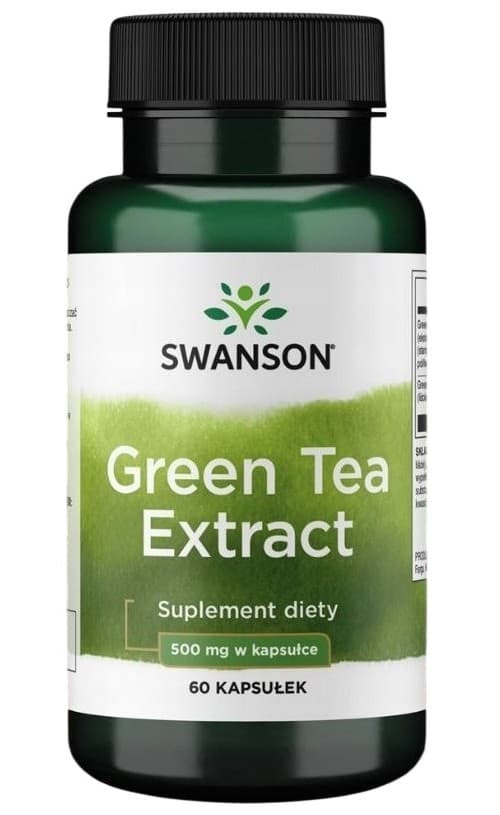
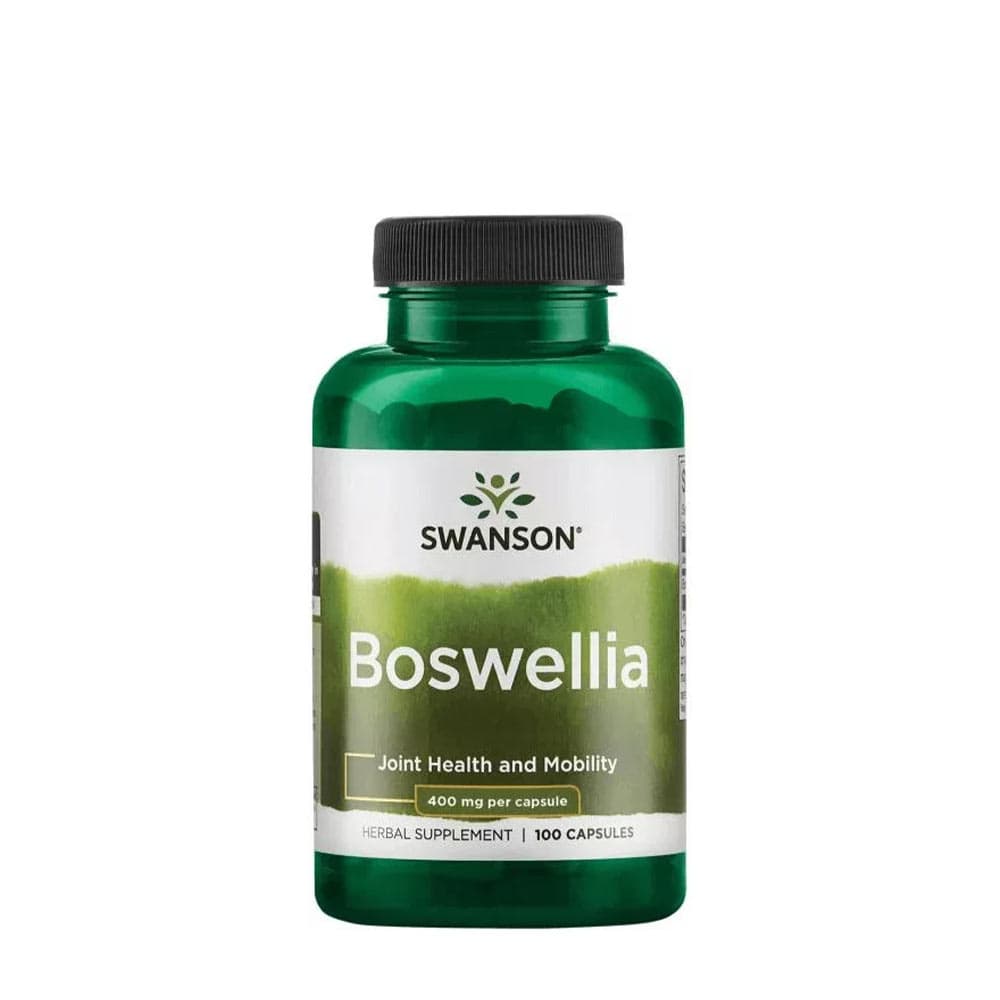
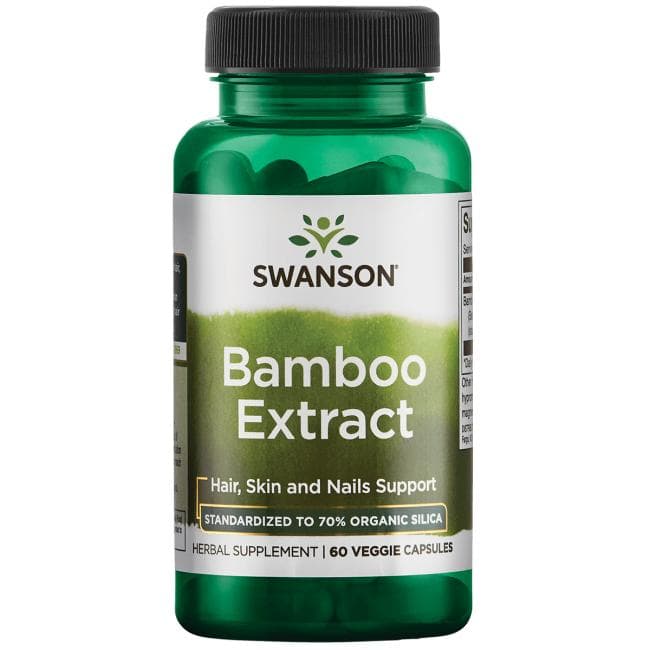
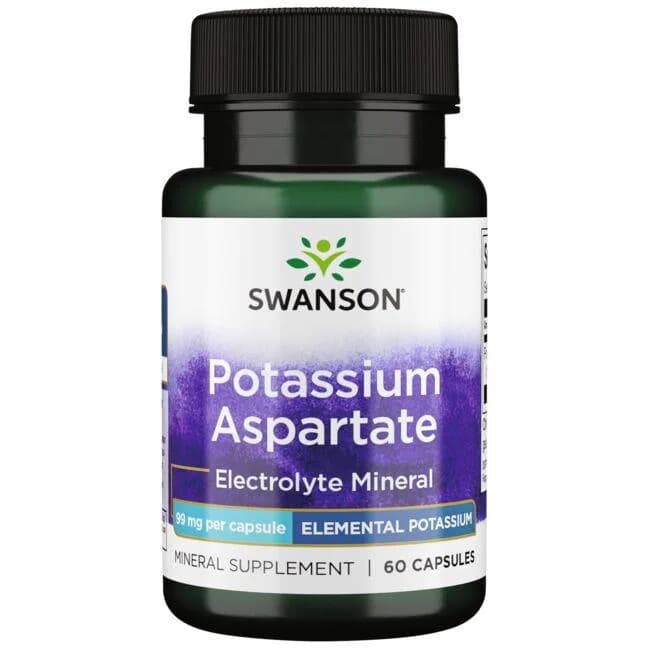

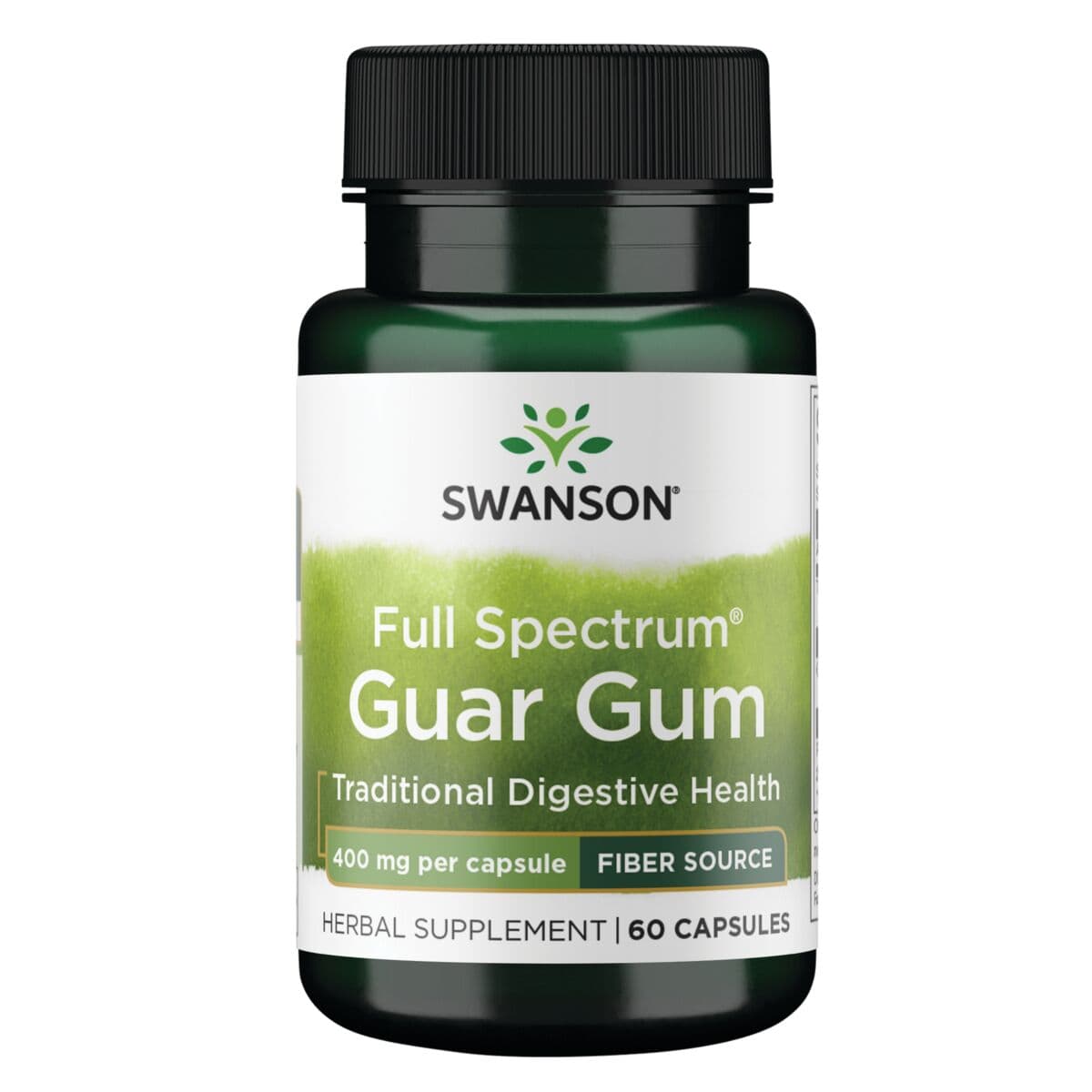
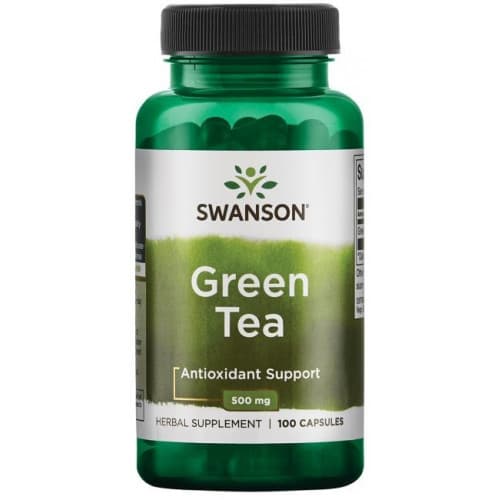
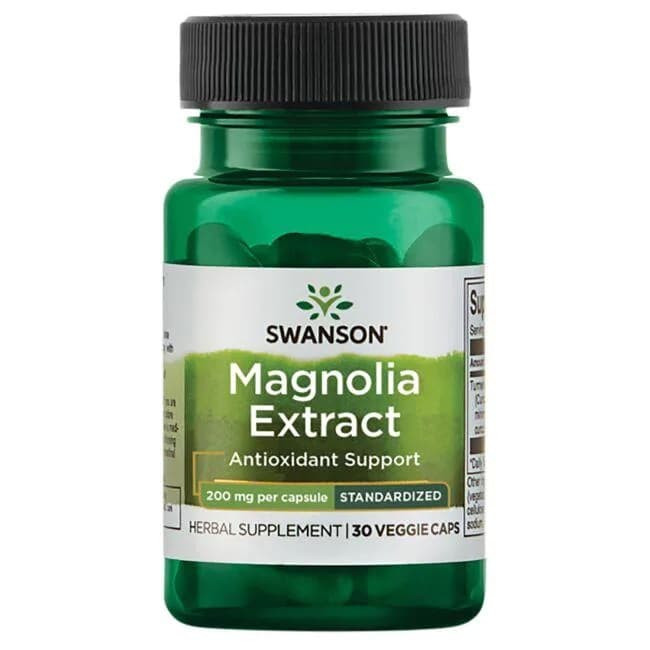
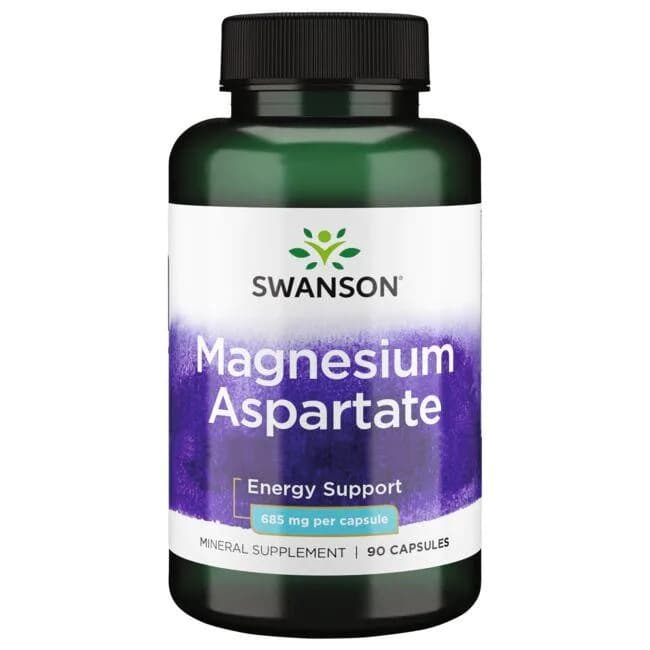
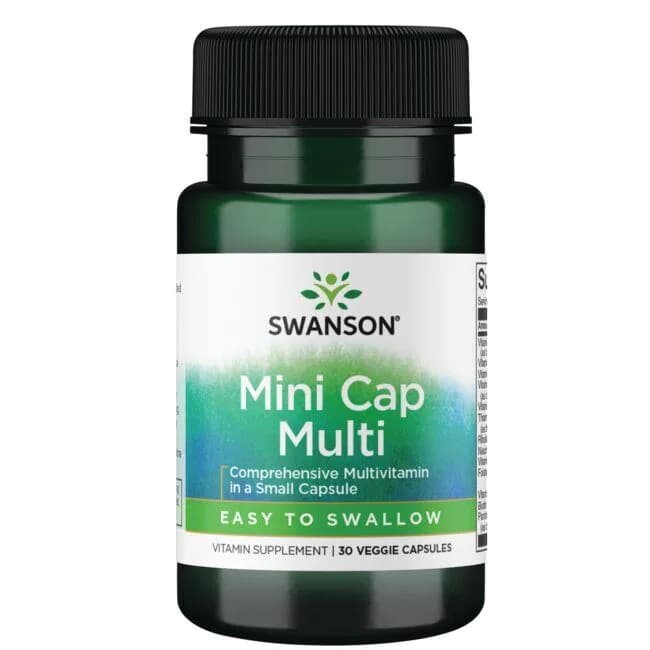
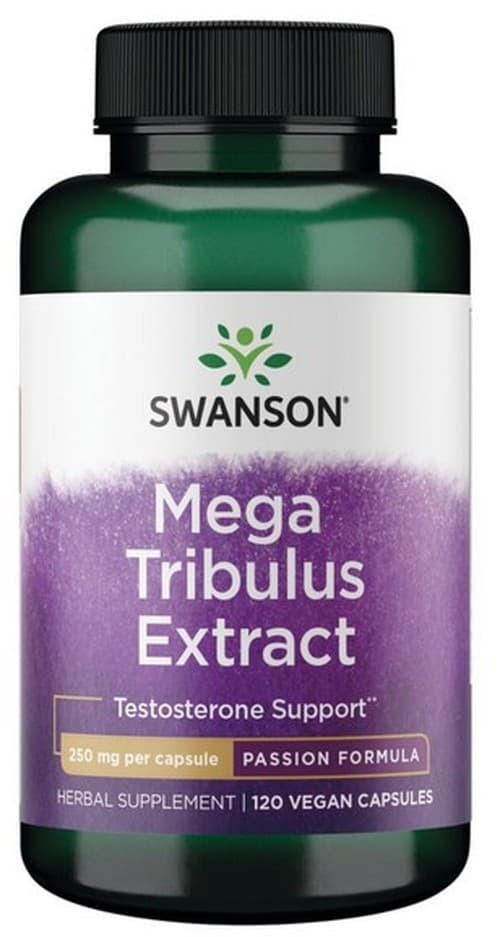
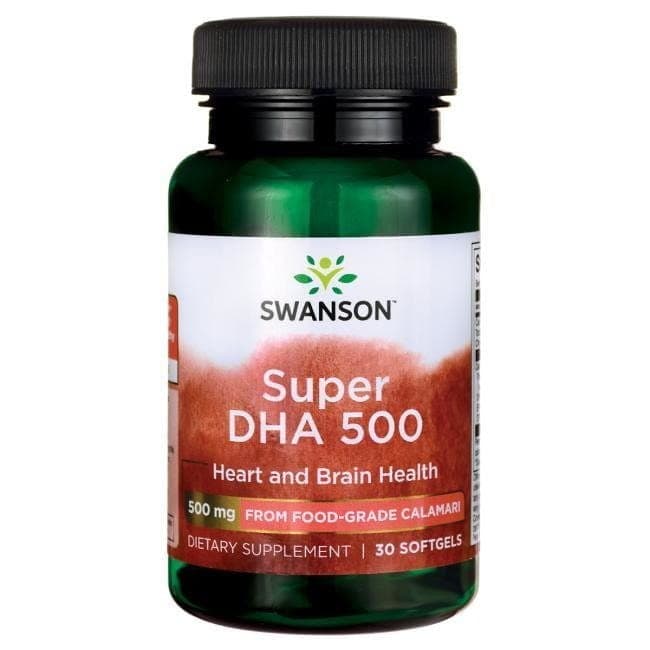
Find the option that fits your needs
A guide to the selection
Here you can find help navigating dietary supplements with different ingredients and product forms. The selection includes, among other things, plant-based products, enzymes, probiotic bacteria and nutrients. This guide explains what product names indicate and which details may be worth comparing on each label. It does not claim to assess the products’ effects or suitability for any particular person.
The theme is immune-related, but the products should not be interpreted as treatments or as a promise of a particular health effect. A theme can help group products for further comparison, but does not in itself say anything about how an ingredient works. Therefore, read the product information for each individual item and consider your own needs, any allergies and advice from healthcare professionals where relevant.
Different ingredients and product names
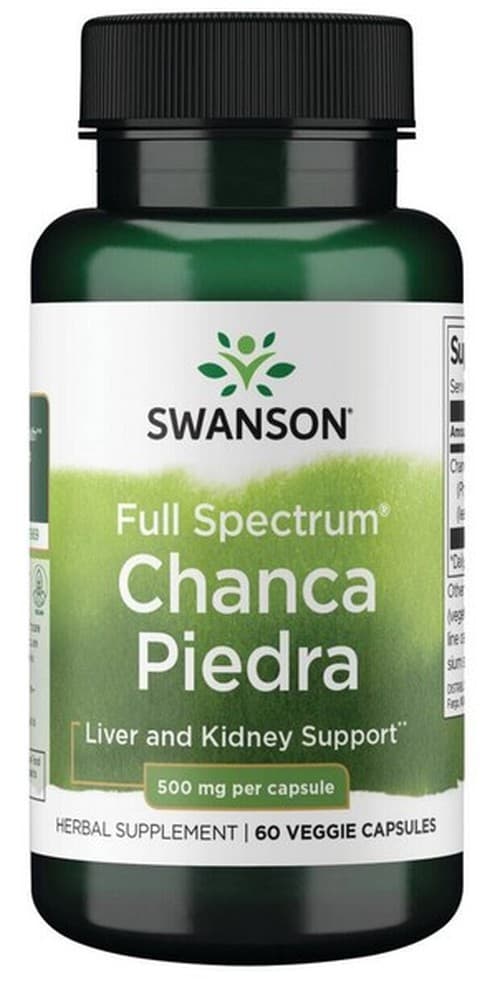
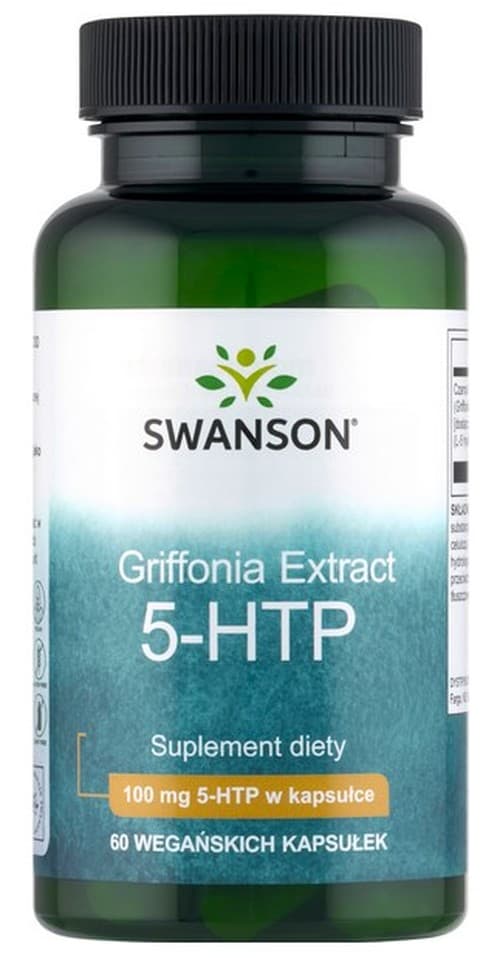
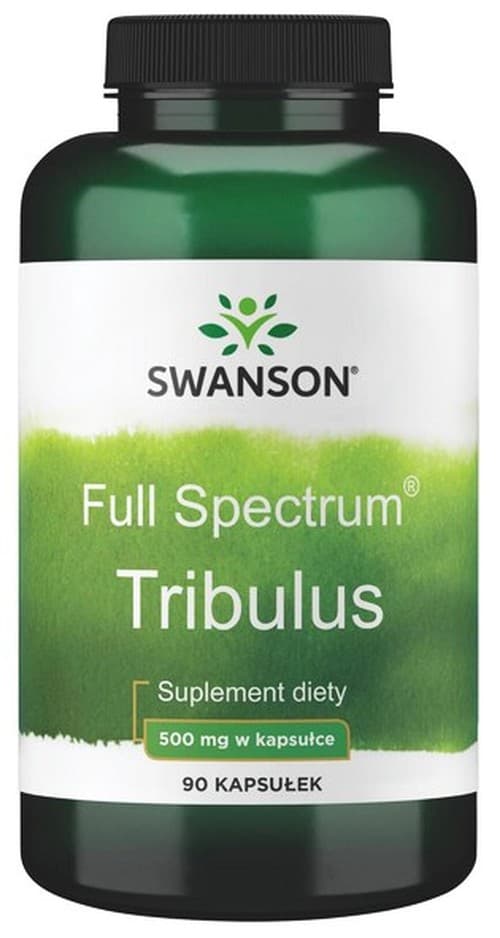
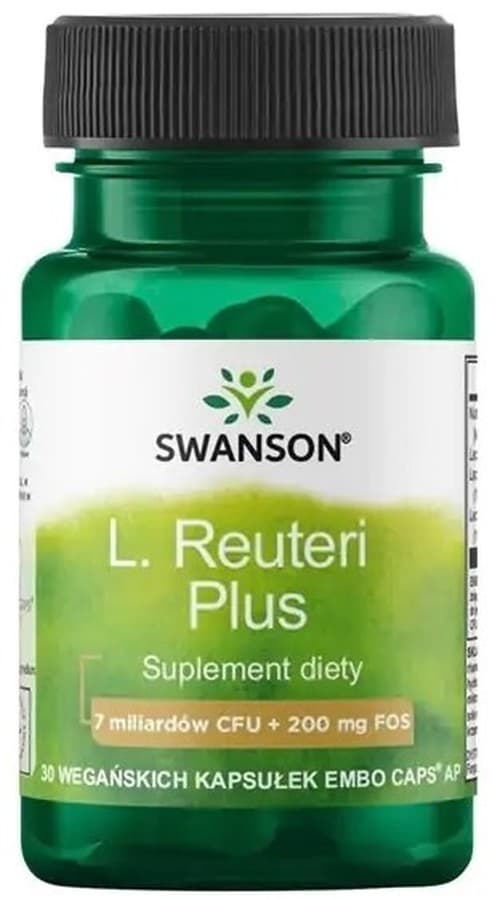
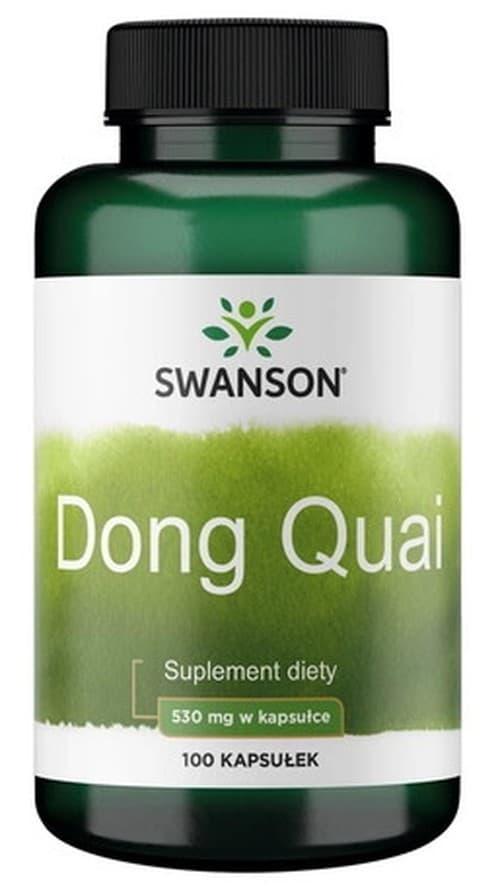
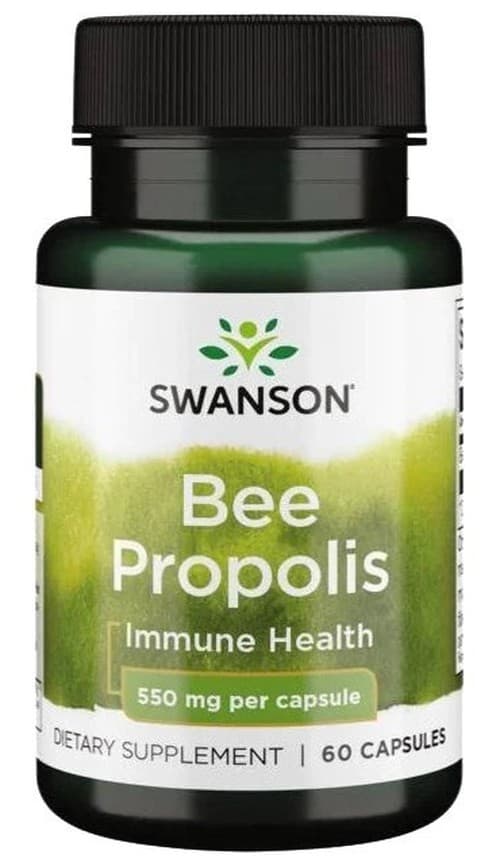
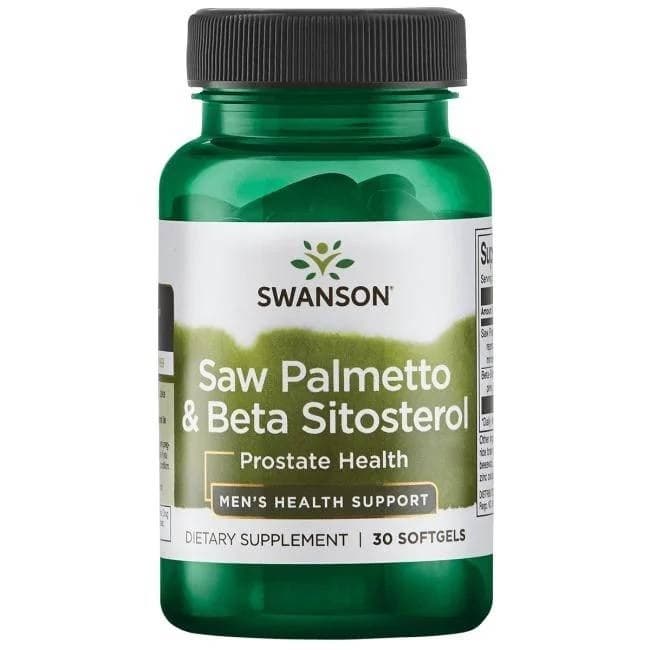
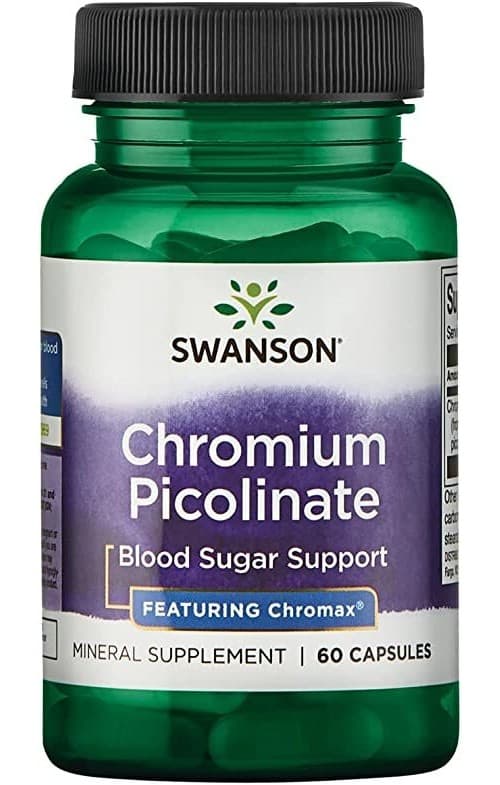
The product list includes several types of ingredients. For example, it features Chanca Piedra, Griffonia Extract 5-HTP, Tribulus and Dong Quai, whose names indicate a plant or extract included in the product name. Bee Propolis refers to propolis, while Lutein Esters & Bilberry combines two ingredient names. Other products mention L. Reuteri, Lactobacillus Acidophilus, enzymes, chromium picolinate, saw palmetto and beta-sitosterol.
Product names provide an initial guide, not a complete ingredient declaration. On their own, they cannot explain quantities, other ingredients or how the contents are specified. Therefore, check the full label and current product information before comparing. If a name or ingredient is unfamiliar, find out what the label actually states rather than drawing conclusions from the product’s placement in a category or promotion.
Forms and variants
Forms vary across the selection. Several products are listed as capsules, with terms such as Caps or Capsules. Others have Vcaps or Veggie Caps in their names, and two products are listed as Sgels. These terms describe the product form according to the product name, but do not on their own provide a complete picture of the capsule material or all excipients. If the form matters to you, check the ingredient and allergen information for the specific product.
The number of units also varies: for example, the names indicate 30, 60, 90, 100 or 120 capsules, or capsules in another form. A higher count alone does not indicate the amount of an ingredient per unit, how the product should be used or how long a pack will last. Therefore, compare the count with the label’s serving information and directions, without assuming a use that is not explicitly stated.
What you can compare on the label
Start by checking the product’s full ingredient list and quantity information. See whether the label distinguishes between an ingredient mentioned in the name and other substances in the contents. Also note the serving size and any directions for use. Details can differ between products even when they appear to belong to the same broad category, so compare the actual labelling rather than just the name or pack size.
Also review allergen information, warnings and storage advice where provided. If you take medicines, are pregnant or breastfeeding, have a medical condition or plan to give a supplement to someone else, it may be wise to ask a healthcare professional or pharmacist before use. Do not assess safety based on a product being plant-based or sold in capsule form. The label and individual circumstances are central to making an informed choice.
Practical selection criteria
First consider what you want to compare: a particular ingredient, a product form, the number of units or the labelling. If you are looking for a named ingredient, you can start with products whose names clearly mention it, such as Bee Propolis or Lactobacillus Acidophilus. Then read the full ingredient declaration to check what the product actually contains. Similar names do not automatically mean that two products have the same composition.
Do not choose solely by the number of capsules or by a broad thematic category. Instead, compare the information on the label, the product’s directions and any precautionary advice. If the information is not enough to determine whether a product is suitable for you, wait for a clearer answer from the manufacturer or consult a qualified professional. If you have an allergy or specific dietary requirements, it is particularly important to check the current labelling, as the product name does not provide all relevant details.
Plant-based products in the list
Several names in the selection refer to plants or plant-related ingredients: Chanca Piedra, Griffonia Extract 5-HTP, Tribulus, Dong Quai and Saw Palmetto & Beta Sitosterol. Lutein Esters & Bilberry also mentions bilberry in the product name. Such details need to be checked on the label for each product.
Bear in mind that plant-based does not mean risk-free or suitable for everyone. Products may carry warnings or be unsuitable in certain situations, and ingredients may be worth discussing with a healthcare professional if you take medicines or have particular health conditions. Avoid combining products based on assumptions about their contents. Read each product’s information separately and follow only the directions for use explicitly stated on the packaging.
Enzymes, bacterial cultures and other substances
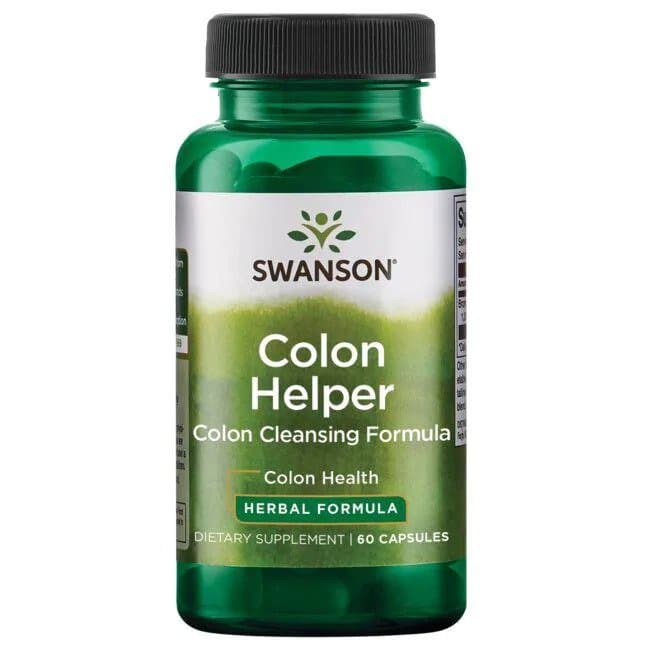
The selection also includes products whose names indicate enzymes or bacteria: Anti-Gas Enzyme, L. Reuteri Plus and Lactobacillus Acidophilus. In addition, there are Colon Helper, Chromium Picolinate Featuring Chromax and Lutein Esters & Bilberry. Product names provide an overview of how the items differ, but should not be read as a description of guaranteed function. To understand what is included, check the ingredient list and other labelling for each product.
When comparing these products, you can note how the ingredients are listed, whether quantities are provided and what form the product takes. Also check any directions and warnings. If a product contains an ingredient you are unfamiliar with, do not base your choice on a name or brief description. Seek reliable information and, where appropriate, ask a healthcare professional for help, particularly if you are undergoing treatment or have other individual considerations.
How we selected the products in the promotion
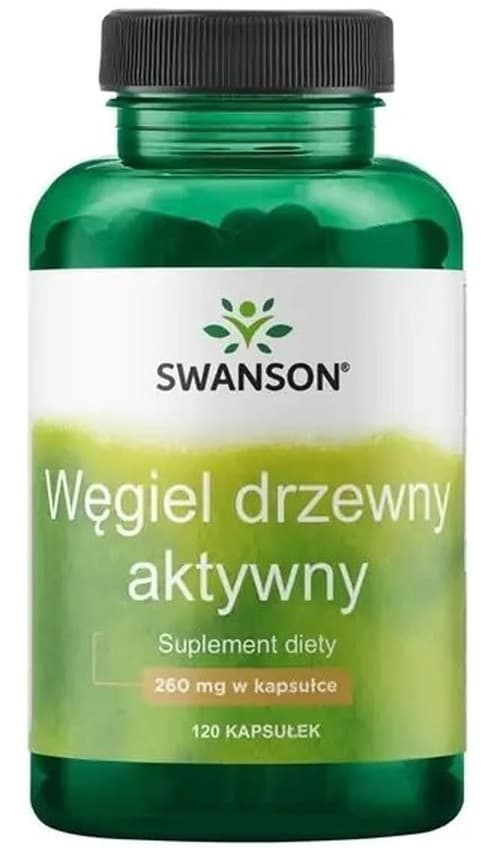
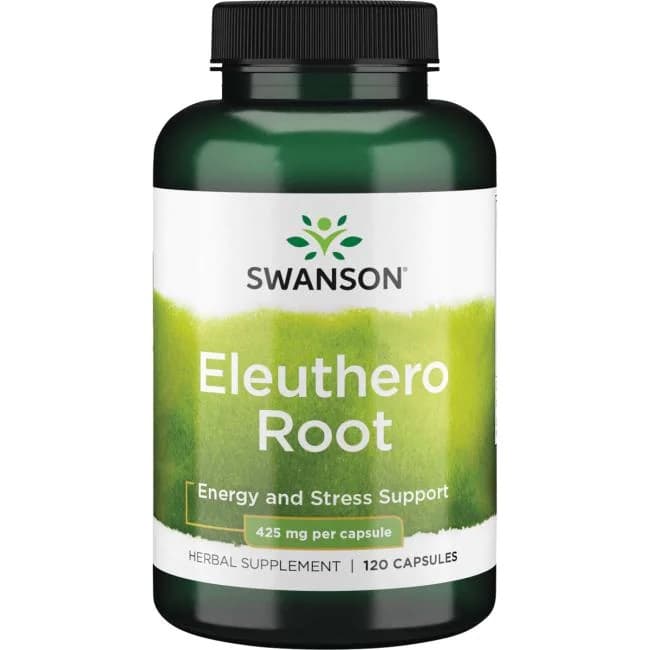
The product images below show a limited selection of twelve products. They have been grouped under an immune-related theme, while the list includes several different ingredient groups and forms. It features plant names such as Chanca Piedra, Tribulus and Dong Quai, propolis, bacterial cultures, enzymes and products containing, among other things, lutein and chromium picolinate. The selection should therefore be understood as a collection of products to compare, not as a uniform product category with the same contents.
To find a product that matches your preferences, you can use the product names as a guide and then review the full labelling for each item. Compare ingredients, stated quantities, capsule type, number of units and any warnings. No particular effect, dosage or suitability can be inferred solely from a product’s inclusion here. Always follow the product’s own information and seek individual advice when your circumstances require it.