All about casein – slow protein for sport & fitness
8 productsCasein protein for slow release. Perfect before bedtime.
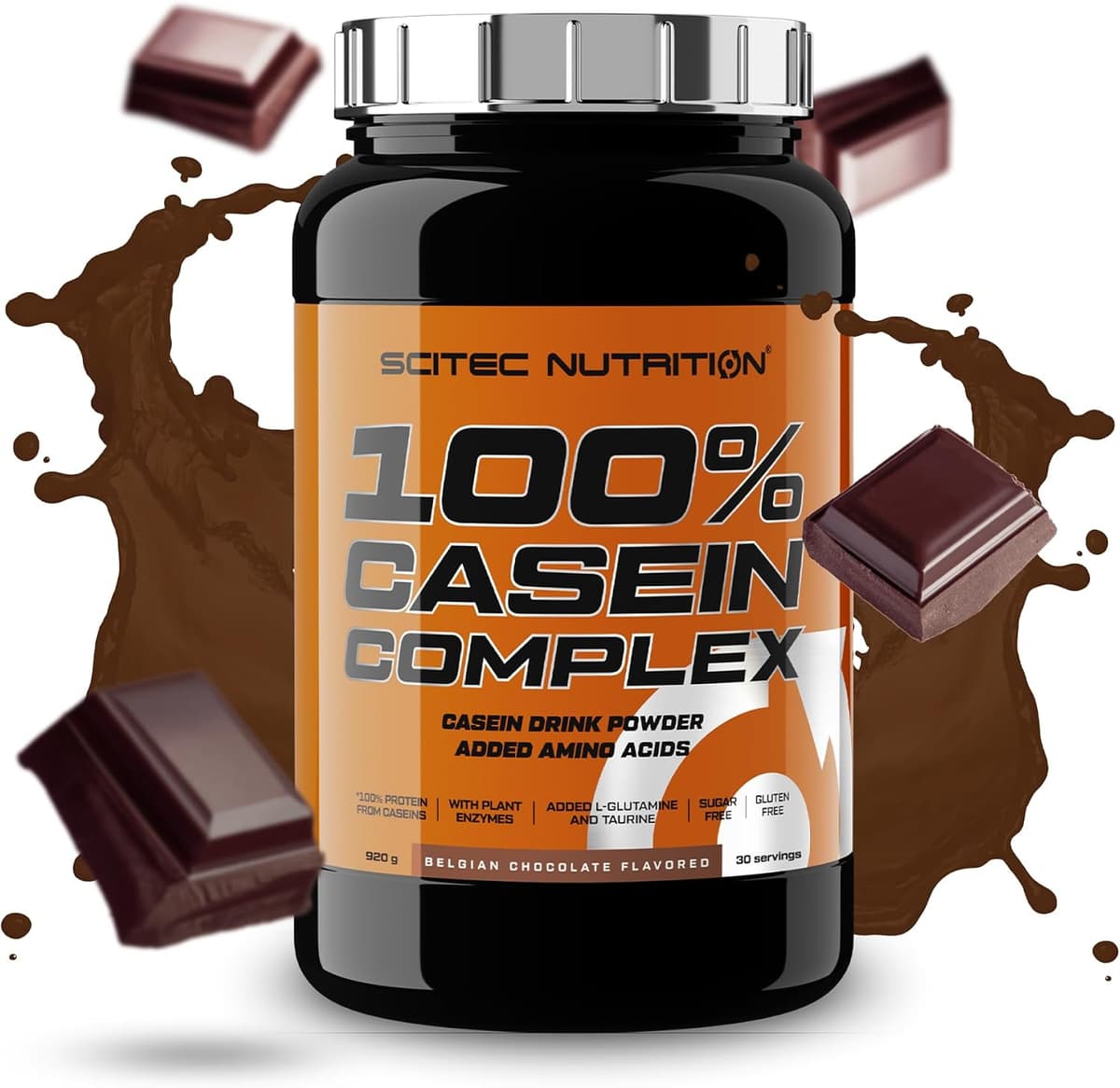
Scitec Nutrition
Scitec Nutrition - 100% Casein Complex
Backorder · 5–7 business days
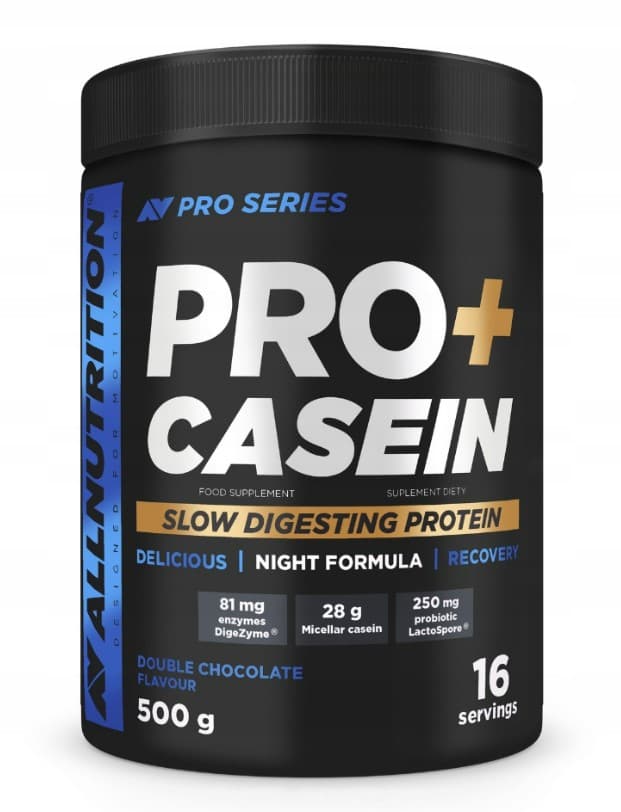
Allnutrition
Allnutrition - Pro+ Casein
Backorder · 5–7 business days
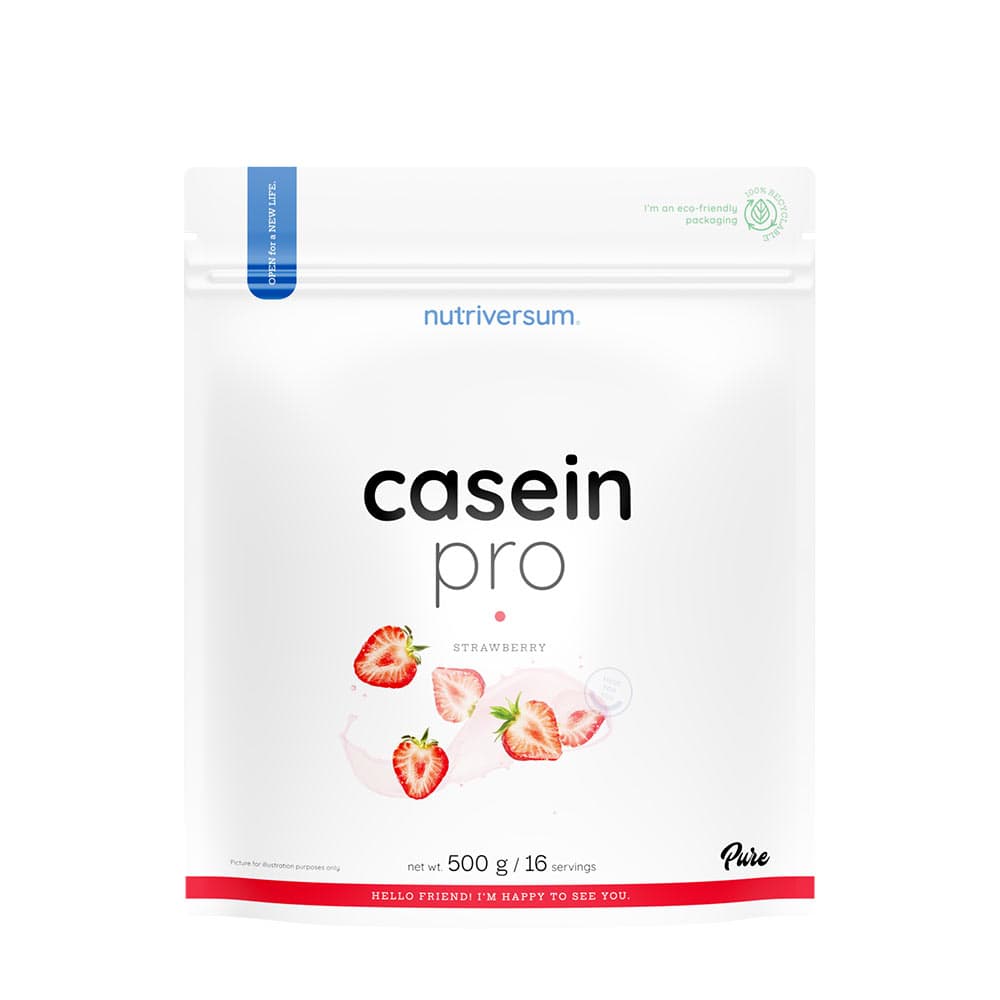
Nutriversum
Nutriversum - Casein Pro - 500g
Backorder · 5–7 business days
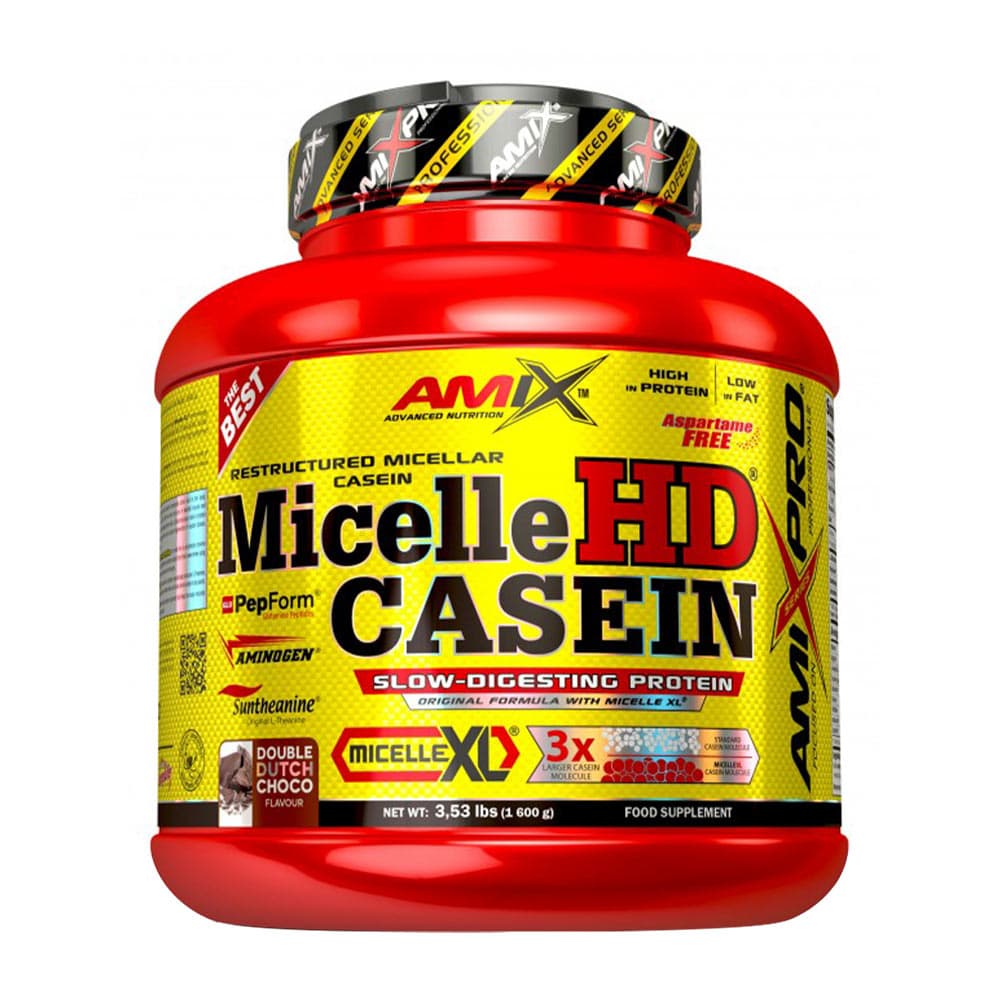
Amix
Amix - Micelle HD Casein
Backorder · 5–7 business days
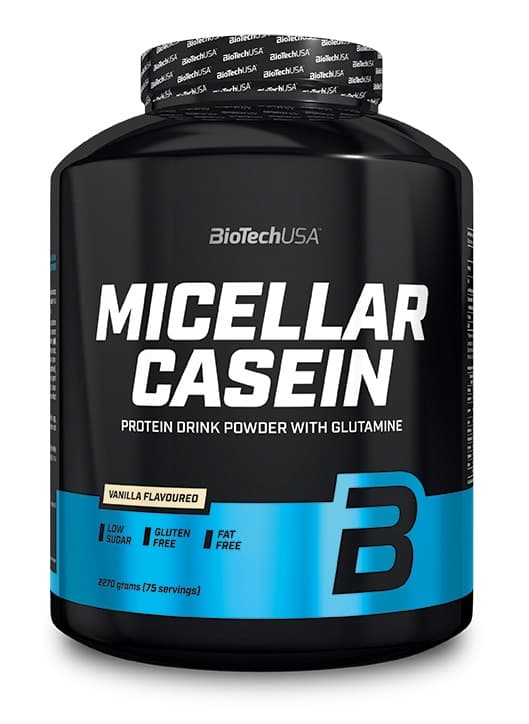
BioTechUSA
BioTechUSA Micellar Casein 900 g powder
Delivery 1–2 days
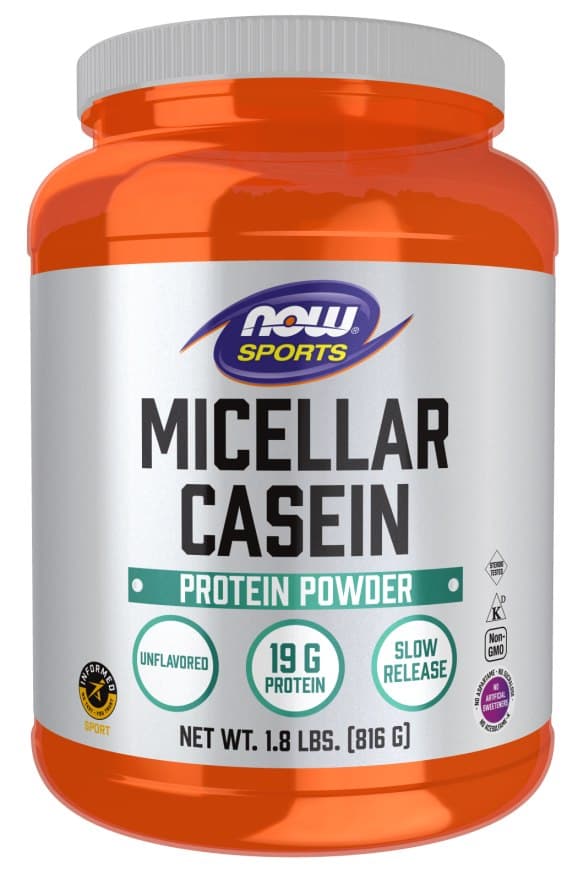
NOW Foods
NOW Foods - Micellar Casein Protein Powder 816g
Backorder · 5–7 business days

MuscleMeds
MuscleMeds Cookies & Cream Protein Powder - 28 Servings - 840 g
Delivery 1–2 days
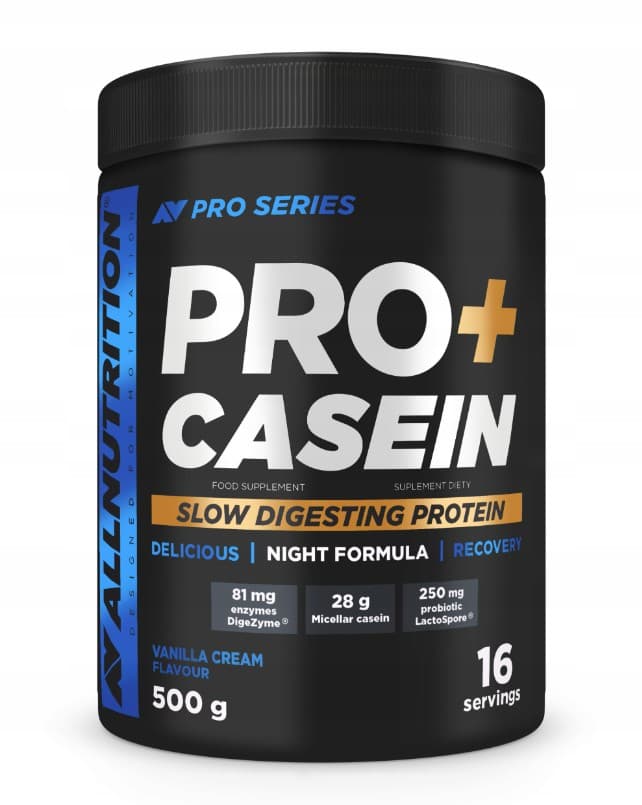
Allnutrition
Allnutrition Casein Vanilla Cream 500g – slow protein powder in powder form
Backorder · 5–7 business days
What is casein?
Casein is a protein primarily found in milk and constitutes about 80% of the protein in cow's milk. It is known for its slow breakdown in the body, which allows amino acids to be released gradually over several hours. This distinguishes casein from other protein powders that often have faster absorption rates, such as whey protein. Casein is therefore often used by athletes and people who train to provide the body with a steady supply of protein over longer periods, for example during the night or between meals.
As a dietary supplement, casein is available in the form of protein powder that can be mixed with water, milk, or other liquids. It is primarily used to support muscle maintenance and recovery in connection with physical activity.
Benefits & uses
Casein protein offers several benefits that make it a popular choice in sport and fitness. Here are some of the most common uses:
- Slow absorption: Casein releases amino acids slowly, providing a steady supply of nutrients to the muscles over several hours.
- Overnight recovery: Because casein is absorbed slowly, it is an excellent choice to take before bedtime to support the body during sleep.
- Snack between meals: Casein can be used as a satiating protein powder to prevent muscle breakdown during longer periods without food.
- Muscle maintenance: Helps provide protein important for preserving muscle mass during training.
- Variation in protein intake: By combining casein with other protein powders such as whey, you can tailor your protein intake to your needs.
How to choose the right casein
When buying casein protein, it is important to consider a few factors to find a product that suits your needs:
- Protein purity and quality: Look for casein with a high protein content and as few additives as possible.
- Type of casein: Micellar casein is the most natural and slow-digesting form, while caseinates may have faster absorption.
- Taste and texture: Since casein is often consumed in larger portions, flavour and texture can affect the user experience.
- Price and package size: Compare price per serving to find a cost-effective option.
- Any allergies or intolerances: Check that the product is free from ingredients you want to avoid, such as lactose.
Want to compare with other protein powders? Feel free to see our range of protein powders.
Popular variants
Casein protein is available in several different forms, which differ slightly in properties and uses:
- Micellar casein: The most natural form of casein protein. It is slow-digesting and provides a steady supply of amino acids.
- Caseinate: A more processed form of casein that is absorbed faster than micellar casein. Suitable if you want a somewhat quicker protein delivery.
- Hydrolysed casein: Pre-treated to break down faster, which can be an option for those who need faster absorption but still want the benefits of casein.
All variants are usually available in different flavours and can be customised according to your preferences.
Frequently asked questions about casein
What is the difference between casein and whey protein?
Casein and whey protein both come from milk, but casein is absorbed slowly in the body while whey is absorbed quickly. This makes casein suitable for use when you need a slow and steady supply of protein, for example overnight.
Can I use casein as a meal replacement?
Casein can be used as a protein-rich snack, but it should not replace entire meals as it lacks other nutrients such as fats and carbohydrates. For a balanced diet, it is important to eat a varied diet.
Is casein suitable for lactose intolerant individuals?
Many casein products contain small amounts of lactose, but there are also lactose-free variants. Check the product content if you are sensitive to lactose.